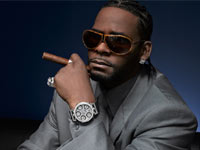
A planned concert appearance by R. Kelly has drawn renewed public attention as protest groups announce intentions to lobby outside the venue in opposition to the performance. The situation reflects ongoing tensions between entertainment programming decisions and public activism, particularly when high profile artists with controversial histories are involved.
According to reports circulating ahead of the event, several advocacy groups are organizing demonstrations intended to raise awareness about concerns related to the artist’s legal history and public conduct. The groups say their goal is to ensure that audiences and event organizers remain mindful of the broader context surrounding the performance, and to encourage dialogue about accountability in the entertainment industry.
R. Kelly, once one of the most commercially successful figures in R and B music, has spent decades in the public eye due to both his musical achievements and widely publicized legal controversies. His catalog of hits helped define the sound of 1990s and early 2000s R and B, earning him a significant following across global audiences. However, his career has also been overshadowed by serious allegations and court proceedings that have significantly impacted public perception.
The planned protest activity is expected to take place outside the concert venue, where organizers hope to engage attendees through signage, speeches, and informational materials. Advocacy groups involved in the demonstration emphasize that their actions are intended to be peaceful and focused on raising awareness rather than disrupting public safety or the event itself.
Supporters of the protest argue that public performances by controversial figures raise important ethical questions for promoters, venues, and audiences. They believe that attending or supporting such events can be seen as indirectly endorsing the individual regardless of their legal circumstances, and therefore encourage public discussion about the responsibilities of entertainment consumption.
On the other side, some fans of R. Kelly maintain that his musical legacy should be separated from his personal legal issues, and they continue to support his work as an influential artist in R and B history. This division of opinion has created a complex cultural conversation that extends beyond the concert itself and into broader debates about art, accountability, and public forgiveness.
Event organizers have not issued detailed public comments regarding the planned protests, though venues typically implement security measures to ensure that both attendees and demonstrators remain safe. In many similar situations, law enforcement and private security teams work together to manage crowd flow and maintain order during events where protests are expected.
Legal experts note that public demonstrations near entertainment venues are generally protected under free speech laws, provided they remain within designated areas and comply with local regulations. However, they also emphasize that protest activities must not interfere with public safety, traffic access, or the rights of attendees to enter and exit venues freely.
The situation also highlights the broader role of activism in shaping public discourse around entertainment figures. In recent years, concerts, film releases, and award appearances have increasingly become focal points for organized protest activity, particularly when they involve individuals with controversial reputations. These actions often aim to draw media attention and influence public perception beyond the immediate event.
For many observers, the upcoming concert and associated protests represent a continuing cultural debate rather than a single isolated incident. The intersection of music, celebrity, and accountability continues to evolve as audiences become more engaged in discussions about the ethical implications of supporting public figures.
As the event date approaches, attention is expected to intensify around both the performance and the planned demonstration. Media coverage will likely focus on how organizers, fans, and protest groups interact, as well as how the broader public responds to the ongoing conversation.
Ultimately, the planned lobbying effort outside the R. Kelly concert underscores the growing role of public activism in the entertainment landscape. It reflects how music events can become platforms for wider social and ethical discussions, where artistic legacy and personal history intersect in highly visible ways.

Since 2005, Singersroom has been the voice of R&B around the world. Connect with us via social media below.