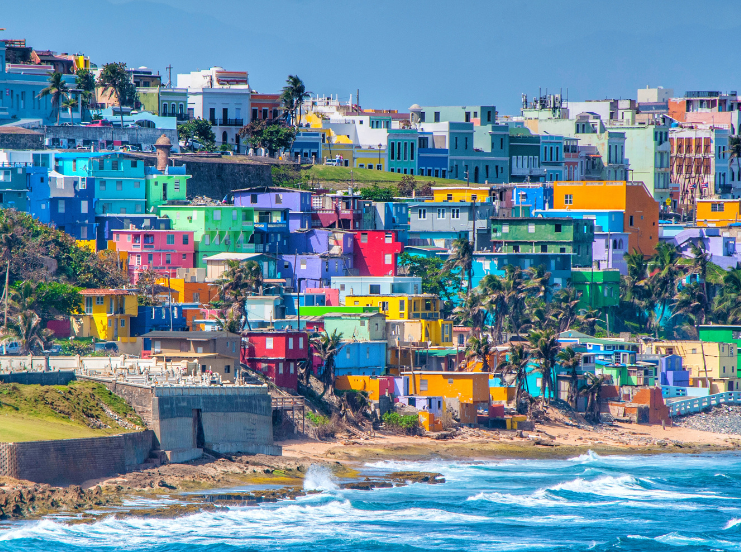
Puerto Rico has given the world an extraordinary collection of singers whose voices have transformed Latin music and influenced popular culture across the globe. From the passionate rhythms of salsa and bolero to the worldwide explosion of reggaeton, Latin pop, and urban music, the island’s artists have consistently pushed musical boundaries while celebrating their rich cultural heritage. Puerto Rican singers are known for their charisma, emotional intensity, and ability to connect with audiences far beyond the Caribbean. Whether performing romantic ballads, dance anthems, or socially conscious songs, these remarkable performers have helped define generations of music, making Puerto Rico one of the most influential musical powerhouses in the world.
1. Ricky Martin
Ricky Martin, born in San Juan, Puerto Rico, became one of the most famous Latin pop singers in the world and a major force in bringing Spanish language and Latin influenced music into the global mainstream. His explosive hit Livin’ la Vida Loca remains one of the defining pop songs of the late nineteen nineties, packed with brass, drama, rhythm, and irresistible theatrical flair. Martin’s catalog includes María, La Copa de la Vida, She Bangs, Vuelve, Tal Vez, and Tu Recuerdo. What makes Martin so important is his combination of vocal polish, stage charisma, dance energy, and international appeal. He began as a member of Menudo, learning the discipline of performance at a young age, then evolved into a solo star whose music moved confidently between Latin pop, dance, ballads, and arena sized anthems. His voice can sound romantic and tender in a ballad, then bright and commanding in a stadium anthem. Puerto Rican identity has always been central to his image and influence, especially in the way he helped present Latin culture to massive global audiences. As a singer, Ricky Martin represents movement, confidence, sensuality, and the worldwide rise of Latin pop as a dominant musical force.
2. Bad Bunny
Bad Bunny, born Benito Antonio Martínez Ocasio in Vega Baja, Puerto Rico, became one of the most influential global artists of the twenty first century by reshaping reggaeton, Latin trap, urbano, pop, and alternative Latin music on his own terms. His song Tití Me Preguntó is one of his defining modern hits, blending infectious rhythm, playful vocal phrasing, and sharp personality into a track that became a worldwide phenomenon. His catalog includes Mía, Yo Perreo Sola, Dákiti, Callaíta, Si Veo a Tu Mamá, Vete, and Me Porto Bonito. What makes Bad Bunny extraordinary is his ability to sound casual, emotional, rebellious, humorous, and experimental while still creating music that dominates charts. His voice is not built on traditional perfection. It is built on texture, rhythm, attitude, vulnerability, and unmistakable identity. Puerto Rico is central to every part of his artistry, from language and slang to politics, fashion, sound, and cultural pride. He has brought local expression to a global scale without smoothing away its edges. As a Puerto Rican singer and rapper, Bad Bunny represents a new era of Latin music, where genre boundaries collapse and an artist can be proudly regional while becoming one of the biggest stars on earth.
3. Marc Anthony
Marc Anthony, born in New York City to Puerto Rican parents, became one of the most powerful and successful salsa singers of the modern era. His anthem Vivir Mi Vida is one of his most beloved songs, a joyful declaration of resilience, gratitude, and forward motion set to an irresistible tropical arrangement. Anthony’s catalog includes Valió la Pena, Ahora Quién, Contra la Corriente, Y Hubo Alguien, Flor Pálida, Tu Amor Me Hace Bien, and I Need to Know. What makes him exceptional is the emotional force of his voice. He can deliver a salsa chorus with blazing intensity, then turn a romantic ballad into a moment of heartbreak and surrender. His phrasing carries the drama of bolero, the rhythmic command of salsa, and the polish of international pop. Puerto Rican musical culture is central to his sound, especially through his deep connection to salsa tradition and the wider Nuyorican experience. Anthony helped bring salsa to new generations while maintaining respect for the genre’s emotional and rhythmic roots. As a singer, he represents passion, precision, and theatrical soul. His best recordings feel enormous because he sings every line as if love, pride, and survival depend on it.
4. Daddy Yankee
Daddy Yankee, born Ramón Luis Ayala Rodríguez in San Juan, Puerto Rico, became one of the most important figures in reggaeton history. His global hit Gasolina helped introduce reggaeton to worldwide audiences, turning a Puerto Rican street sound into an international movement. The song’s relentless energy, chant like hook, and explosive rhythm made it a landmark recording. Daddy Yankee’s catalog includes Rompe, Lo Que Pasó Pasó, Limbo, Shaky Shaky, Con Calma, and his massive collaboration Despacito with Luis Fonsi. What makes Daddy Yankee essential is his command of rhythm and vocal attack. He delivers lines with authority, precision, and swagger, using his voice like a percussion instrument inside the dembow beat. His music helped define the language, cadence, attitude, and global ambition of reggaeton. Puerto Rico is inseparable from his identity, because his success emerged from the island’s urban music culture and helped carry that culture around the world. Daddy Yankee’s influence extends far beyond his own hits. He opened doors for generations of urbano artists who followed. As a Puerto Rican singer and rapper, he represents innovation, discipline, and the worldwide power of a genre that began in neighborhoods and became one of pop music’s dominant sounds.
5. Luis Fonsi
Luis Fonsi, born in San Juan, Puerto Rico, became an internationally successful Latin pop singer known for romantic ballads, polished vocals, and one of the biggest global hits of the digital era. Despacito, performed with Daddy Yankee, became a worldwide phenomenon, blending reggaeton rhythm, pop melody, sensual phrasing, and Puerto Rican flavor into a song that crossed languages and markets with extraordinary force. Fonsi’s catalog also includes No Me Doy por Vencido, Aquí Estoy Yo, Échame la Culpa, Imposible, Corazón en la Maleta, and Quisiera Poder Olvidarme de Ti. What makes Fonsi important is the smooth emotional clarity of his voice. Before Despacito, he had already established himself as a refined balladeer capable of delivering longing, devotion, and heartbreak with elegance. His singing has a clean, expressive quality that works beautifully in both slow romantic songs and more rhythmic pop settings. Puerto Rican identity gives his music warmth, sensuality, and rhythmic ease, while his pop craft allows his songs to travel widely. As a singer, Fonsi represents the meeting point between classic Latin ballad tradition and modern global pop. His best work proves that melody, romance, and rhythm can cross borders when delivered with confidence and heart.
6. Chayanne
Chayanne, born Elmer Figueroa Arce in Río Piedras, Puerto Rico, became one of Latin pop’s most enduring romantic stars. His song Torero is one of his most recognizable hits, filled with dramatic energy, danceable rhythm, and the passionate vocal style that made him a favorite across Latin America and beyond. Chayanne’s catalog includes Tiempo de Vals, Dejaría Todo, Un Siglo Sin Ti, Y Tú Te Vas, Provócame, and Salomé. What makes Chayanne special is the balance between vocal warmth and stage movement. He is not only a singer of romantic ballads, but also a performer whose charisma, dancing, and visual presence became essential to his appeal. His voice is smooth, sincere, and emotionally accessible, ideal for songs about longing, devotion, heartbreak, and desire. Puerto Rican artistry is central to his identity, especially through his early career with the group Los Chicos and his later rise as a solo star. Chayanne has maintained a devoted audience for decades because his music feels generous and polished without losing feeling. As a Puerto Rican singer, he represents romance, elegance, stamina, and the classic Latin pop ideal of the complete entertainer.
7. José Feliciano
José Feliciano, born in Lares, Puerto Rico, became one of the most influential Latin musicians to achieve international recognition, admired for his soulful voice, brilliant guitar playing, and ability to move between Spanish and English language music with natural ease. His holiday classic Feliz Navidad is one of the most famous seasonal songs in the world, loved for its joyful simplicity and bilingual warmth. Feliciano’s catalog includes Light My Fire, Che Sarà, Que Será, Rain, and many interpretations that blend Latin, folk, pop, bolero, soul, and jazz influence. What makes Feliciano extraordinary is his musicianship. His guitar work is fluid and expressive, while his voice carries a grainy emotional quality that makes even familiar songs feel newly personal. He helped open doors for Latin artists in mainstream American music, showing that bilingual artistry could reach wide audiences without losing cultural identity. Puerto Rico remains central to his story, especially through the musical heritage and resilience that shaped his life. As a singer, Feliciano represents soul, virtuosity, and the beauty of crossing borders through sound. His best performances feel intimate and universal at once, joining technical brilliance with unmistakable heart.
8. Héctor Lavoe
Héctor Lavoe, born in Ponce, Puerto Rico, became one of the most legendary voices in salsa history. Known as El Cantante, Lavoe possessed a voice full of streetwise feeling, rhythmic brilliance, humor, ache, and charisma. His song El Cantante remains one of his most famous and emotionally revealing recordings, a portrait of the performer’s life that feels both triumphant and tragic. Lavoe’s catalog includes Periódico de Ayer, Mi Gente, Aguanile, Todo Tiene Su Final, Che Che Colé, and his essential collaborations with Willie Colón. What made Lavoe extraordinary was the way he phrased within salsa’s complex rhythms. He could ride the groove with effortless swing, improvise with wit, and make every chorus feel alive. His voice carried the joy of the dance floor but also the sadness of a difficult life, giving his performances uncommon emotional depth. Puerto Rico shaped his musical identity before New York salsa culture amplified it into legend. Lavoe became a symbol of salsa’s golden age, embodying both the music’s celebration and its heartbreak. As a Puerto Rican singer, he represents rhythm, soul, and the unforgettable voice of a genre at its most powerful.
9. Gilberto Santa Rosa
Gilberto Santa Rosa, born in Carolina, Puerto Rico, is one of salsa’s most elegant and respected singers, often known as El Caballero de la Salsa. His song Conciencia is one of his signature recordings, blending romantic intensity, polished arrangement, and superb vocal control. Santa Rosa’s catalog includes Que Alguien Me Diga, Déjate Querer, Perdóname, Conteo Regresivo, Un Montón de Estrellas, and Vivir Sin Ella. What makes Santa Rosa exceptional is his refinement. He sings salsa with rhythmic authority, but also with clarity, elegance, and emotional restraint. His improvisations are tasteful, his phrasing precise, and his tone beautifully balanced between passion and sophistication. Puerto Rico’s salsa tradition is central to his artistry, and he has played a major role in carrying the genre into modern times while honoring its classic foundations. He can perform romantic salsa, energetic dance numbers, and bolero inspired material with equal skill. As a singer, Santa Rosa represents discipline, musical intelligence, and class. His best recordings prove that salsa does not need to sacrifice elegance for intensity. He brings both, making him one of Puerto Rico’s most important and enduring vocal ambassadors.
10. Ivy Queen
Ivy Queen, born Martha Ivelisse Pesante Rodríguez in Añasco, Puerto Rico, became one of the most important women in reggaeton and Latin urban music. Known as La Caballota, she brought fierce authority, feminist energy, and unmistakable vocal presence to a genre often dominated by men. Her song Quiero Bailar remains a landmark reggaeton anthem, pairing dance floor sensuality with a clear message about female autonomy and consent. Ivy Queen’s catalog includes Yo Quiero Bailar, Te He Querido, Te He Llorado, La Vida Es Así, Dime, Que Lloren, and Pobre Corazón. What makes her essential is the force of her voice. It is raspy, commanding, emotional, and instantly recognizable, able to cut through hard beats with both aggression and vulnerability. She helped create space for women in urbano music by refusing to soften her image or surrender lyrical control. Puerto Rico is central to her identity and influence, especially through the underground reggaeton movement that shaped her early career. As a singer and rapper, Ivy Queen represents power, independence, and cultural impact. Her music remains vital because it turned the club into a place of assertion, resistance, and unapologetic self possession.

Samuel Moore is a frequent contributor to Singers Room. Since 2005, Singersroom has been the voice of R&B around the world. Connect with us via social media below.