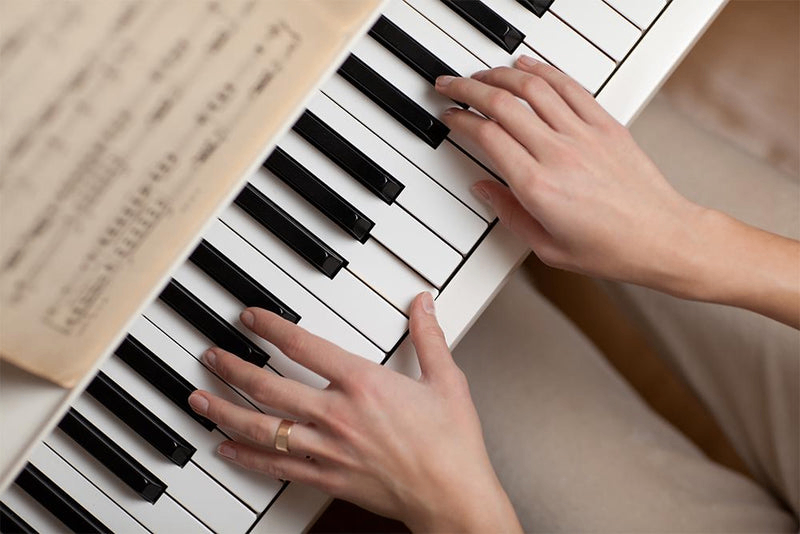
The piano has been the heart of countless musical masterpieces, providing the foundation for some of the most beautiful, emotional, and enduring songs ever written. From delicate ballads and classical inspired compositions to powerful rock anthems and unforgettable pop classics, piano driven songs have a unique ability to connect directly with listeners. The most popular piano songs of all time showcase the instrument’s remarkable range, capable of expressing joy, heartbreak, hope, passion, and reflection with equal brilliance. Whether performed by legendary singer songwriters, virtuoso pianists, or iconic bands, these timeless recordings continue to inspire audiences and demonstrate why the piano remains one of music’s most beloved and expressive instruments.
1. Piano Man by Billy Joel
“Piano Man” by Billy Joel is one of the most beloved piano songs ever written, a vivid character study wrapped in a barroom sing along melody. The song places the listener inside a lounge where dreamers, regulars, lonely hearts, and working people gather around the piano for a few moments of escape. Joel’s playing is central to the song’s identity, moving with a rolling, almost waltz like feel that supports the storytelling without overpowering it. His harmonica adds a folk flavored touch, but the piano remains the emotional anchor, guiding every verse with warmth and familiarity.
Billy Joel built one of the greatest piano driven catalogs in popular music, with classics such as “New York State of Mind”, “Just the Way You Are”, “Vienna”, “Scenes from an Italian Restaurant”, and “She’s Always a Woman”. “Piano Man” remains his signature because it captures the mythic role of the pianist as observer, entertainer, and emotional witness. Joel sings with empathy rather than superiority, giving each character dignity. The song’s popularity comes from its communal chorus, which turns listeners into the very crowd described in the lyric. It is a song about music’s ability to make ordinary people feel seen, even for one night. Few recordings have ever made the piano feel so human, so social, and so essential to storytelling.
2. Imagine by John Lennon
“Imagine” by John Lennon is one of the most famous piano songs in the world, a simple and deeply affecting composition built around gentle chords and a vision of peace. The piano part is not technically flashy, yet its simplicity is exactly what gives the song its power. Each chord lands with calm clarity, creating a spacious setting for Lennon’s voice and message. The lyric asks listeners to imagine a world beyond division, greed, conflict, and possession, making the song both intimate and universal. It sounds like a private meditation that somehow became a global hymn.
John Lennon’s catalog includes legendary songs with The Beatles and as a solo artist, including “Strawberry Fields Forever”, “In My Life”, “Help”, “Instant Karma”, “Jealous Guy”, and “Give Peace a Chance”. “Imagine” remains his most recognized solo recording because it combines idealism with musical restraint. The piano never competes with the words. It supports them like a quiet moral pulse. Its popularity comes from how easy the song is to understand and how difficult its vision remains to achieve. The melody is tender, the arrangement is uncluttered, and Lennon’s vocal is plain enough to feel sincere. “Imagine” endures because it proves that a few piano chords, paired with a bold human dream, can echo across generations.
3. Your Song by Elton John
“Your Song” by Elton John is one of the most cherished piano ballads in popular music, a tender confession that made Elton’s gift for melody unmistakable. The piano part is graceful and unforced, carrying the song with warmth and emotional openness. Bernie Taupin’s lyrics are charming because they feel conversational rather than overly polished, as though the narrator is trying to express love honestly despite not having grand words or riches. Elton’s vocal performance is gentle, youthful, and sincere, turning the song into an intimate offering rather than a dramatic declaration.
Elton John’s catalog is filled with piano driven classics, including “Rocket Man”, “Tiny Dancer”, “Candle in the Wind”, “Goodbye Yellow Brick Road”, “Daniel”, and “Someone Saved My Life Tonight”. “Your Song” remains one of his defining works because it captures the essence of his partnership with Taupin: elegant melody joined to emotionally direct storytelling. The song’s popularity comes from its modesty. It does not try to overwhelm the listener with grand production. Instead, it lets the piano, melody, and lyric create a feeling of genuine affection. The famous line about the song being for someone special has become part of pop music’s romantic language. “Your Song” endures because it makes love sound humble, grateful, and beautifully human.
4. Let It Be by The Beatles
“Let It Be” by The Beatles is one of the most iconic piano songs in rock history, built around a hymn like chord progression and a message of acceptance during troubled times. Paul McCartney’s piano playing gives the song its spiritual foundation, simple enough to feel timeless and strong enough to carry enormous emotional weight. The lyric was inspired by a dream of McCartney’s mother, Mary, and that personal origin gives the song a feeling of comfort, guidance, and quiet faith. It is less a command than a gentle reassurance.
The Beatles created countless classics, including “Hey Jude”, “Yesterday”, “Come Together”, “Something”, “Here Comes the Sun”, and “A Day in the Life”. “Let It Be” remains one of their most beloved piano centered songs because it combines pop songwriting with gospel inspired emotional uplift. McCartney’s voice is clear and calm, while the arrangement grows from intimate piano into a fuller band performance with organ, guitar, bass, drums, and backing vocals. The song’s popularity comes from its usefulness in moments of grief, uncertainty, and reflection. People return to it when they need peace more than answers. The piano gives the song a church like steadiness, making it feel both personal and communal. “Let It Be” endures because it turns surrender into strength.
5. Someone Like You by Adele
“Someone Like You” by Adele is one of the most powerful piano ballads of the twenty first century, a heartbreak song that relies on emotional honesty rather than elaborate production. The piano accompaniment is spare and repetitive, creating a fragile foundation for Adele’s voice. That simplicity leaves nowhere for the emotion to hide. The lyric describes seeing a former lover move on, wishing them well, and still feeling the sting of what was lost. Adele sings with restraint in the verses, then opens into the chorus with devastating clarity.
Adele’s catalog includes major songs such as “Rolling in the Deep”, “Hello”, “Set Fire to the Rain”, “When We Were Young”, “Easy on Me”, and “Skyfall”. “Someone Like You” remains one of her signature recordings because it shows how much power can come from voice, piano, and a truthful lyric. The song’s popularity exploded because listeners recognized the feeling immediately. It captures the complicated grace of heartbreak, where dignity and devastation coexist. The piano part gives the track its emotional discipline, repeating like a memory the singer cannot escape. Adele’s vocal performance turns that memory into catharsis. “Someone Like You” endures because it makes loss sound intimate, grand, and painfully beautiful.
6. Bohemian Rhapsody by Queen
“Bohemian Rhapsody” by Queen begins as one of rock’s most unforgettable piano ballads before transforming into opera, hard rock, and theatrical spectacle. Freddie Mercury’s piano playing establishes the emotional core of the song, giving the opening section its vulnerability and dramatic shape. The chords move with a sense of confession, as Mercury sings with tenderness and mystery. That opening piano atmosphere is essential because it grounds the entire piece before the famous operatic section and Brian May’s guitar explosion carry it into legendary territory.
Queen’s catalog includes iconic songs such as “We Will Rock You”, “We Are the Champions”, “Somebody to Love”, “Another One Bites the Dust”, and “Don’t Stop Me Now”. “Bohemian Rhapsody” remains their most ambitious masterpiece because it refuses ordinary structure and still became universally loved. Mercury was not only a remarkable singer and frontman, but also a gifted pianist whose harmonic imagination shaped many of Queen’s finest songs. The popularity of “Bohemian Rhapsody” comes from its fearless theatricality. Yet without the piano opening, the song would not have the same emotional gravity. The instrument makes the drama feel personal before it becomes cosmic. “Bohemian Rhapsody” endures because it proves that a piano ballad can open the door to one of the wildest and most beloved journeys in popular music.
7. Clocks by Coldplay
“Clocks” by Coldplay is one of the most recognizable piano driven rock songs of the modern era, built around a cascading piano riff that became instantly iconic. The pattern is bright, circular, and hypnotic, giving the song a sense of motion that feels both urgent and dreamlike. Chris Martin’s vocal floats above the arrangement with emotional ambiguity, suggesting confusion, longing, and surrender. The piano is not merely accompaniment here. It is the song’s engine, its signature, and its emotional atmosphere.
Coldplay’s catalog includes major songs such as “Yellow”, “Fix You”, “The Scientist”, “Viva la Vida”, “Paradise”, and “A Sky Full of Stars”. “Clocks” remains one of their defining songs because it shows how a simple piano figure can become a vast sonic landscape. The band builds around the riff with drums, bass, guitar textures, and atmospheric production, but the piano remains the central pulse. Its popularity comes from the way it feels both intimate and expansive. The song can work in headphones, on radio, or in a stadium because the riff creates immediate recognition and emotional lift. “Clocks” helped establish Coldplay’s identity as a band capable of turning melancholy into anthem scale beauty. It remains a modern piano classic because its opening notes still create instant atmosphere.
8. Tiny Dancer by Elton John
“Tiny Dancer” by Elton John is one of the most beloved piano songs of the nineteen seventies, a slow blooming ballad that captures California dreaminess, romance, and artistic longing. The piano part is warm and patient, allowing the song to unfold gradually rather than rushing toward its famous chorus. Elton’s playing gives the track intimacy, while the arrangement slowly gathers drums, pedal steel, strings, and backing vocals. Bernie Taupin’s lyric paints vivid images of dancers, musicians, headlights, and life on the road, making the song feel like a memory seen through golden light.
Elton John’s catalog includes piano based classics such as “Your Song”, “Rocket Man”, “Candle in the Wind”, “Levon”, “Mona Lisas and Mad Hatters”, and “Goodbye Yellow Brick Road”. “Tiny Dancer” remains one of his most cherished recordings because it rewards patience. The chorus does not arrive immediately, but when it does, it feels earned and deeply satisfying. Elton’s voice carries tenderness and admiration, while the piano keeps the song grounded in human feeling. Its popularity grew over time, becoming a favorite in films, concerts, and sing along moments. “Tiny Dancer” endures because it feels cinematic without losing intimacy, a piano song that turns a small portrait into something vast and luminous.
9. A Thousand Miles by Vanessa Carlton
“A Thousand Miles” by Vanessa Carlton is one of the most recognizable piano pop songs of the early two thousands, famous for its rushing piano figure and sweeping sense of romantic urgency. The opening riff is bright, fast, and instantly memorable, creating motion before the vocal even begins. Carlton’s performance balances youthful vulnerability with classical influenced precision, giving the song a distinctive identity in a pop landscape often dominated by guitars and electronic production. The lyric expresses longing so intense that distance becomes almost meaningless.
Vanessa Carlton’s catalog includes songs such as “Ordinary Day”, “White Houses”, “Pretty Baby”, and “Carousel”, but “A Thousand Miles” remains her signature because it made the piano feel central to mainstream pop again. The arrangement combines piano, strings, drums, and pop production in a way that feels both dramatic and accessible. Its popularity comes from the immediacy of the piano motif. Many listeners can identify the song within seconds, and that recognition has helped it live on through radio, film, nostalgia, and internet culture. Yet beneath its playful cultural afterlife is a beautifully crafted pop song about yearning. Carlton made the piano sound like forward motion, as if the hands themselves were traveling toward someone unreachable. “A Thousand Miles” remains beloved because it turns longing into melody with unforgettable brightness.
10. Fallin by Alicia Keys
“Fallin” by Alicia Keys is one of the most important piano driven R&B songs of the twenty first century, a debut single that introduced Keys as a singer, songwriter, and pianist with extraordinary presence. The piano progression is simple but powerful, rooted in soul, gospel, and classical discipline. Keys sings about the emotional instability of love, moving between devotion and frustration, attraction and pain. Her voice carries maturity beyond her years, with a rawness that makes the song feel honest rather than polished into perfection.
Alicia Keys’s catalog includes major songs such as “If I Ain’t Got You”, “No One”, “You Don’t Know My Name”, “A Woman’s Worth”, “Unthinkable”, and “Girl on Fire”. “Fallin” remains one of her defining recordings because it placed the piano at the center of modern R&B identity. At a time when many pop and R&B hits leaned heavily on programmed production, Keys presented herself with a strong instrument based foundation and a classic soul sensibility. The song’s popularity comes from its emotional contradiction. Love is not presented as simple bliss. It is confusing, cyclical, and consuming. The piano gives the song gravity, while Keys’s vocal gives it fire. “Fallin” endures because it made contemporary R&B feel timeless, personal, and musically grounded.
11. Bridge Over Troubled Water by Simon and Garfunkel
“Bridge Over Troubled Water” by Simon and Garfunkel is one of the most powerful piano ballads ever recorded, a song of comfort, devotion, and emotional rescue. The piano arrangement begins with church like simplicity, supporting Art Garfunkel’s extraordinary vocal performance with quiet reverence. As the song unfolds, it grows from intimate reassurance into a sweeping statement of compassion. Paul Simon’s lyric offers steadfast support to someone in pain, and the piano gives that promise a sacred quality, as if the song itself were a place to rest.
Simon and Garfunkel’s catalog includes timeless songs such as “The Sound of Silence”, “The Boxer”, “Mrs Robinson”, “America”, and “Scarborough Fair Canticle”. “Bridge Over Troubled Water” remains one of their greatest achievements because it expands folk songwriting into gospel inspired grandeur. Garfunkel’s voice rises with astonishing purity, while the piano provides the emotional architecture beneath him. The song’s popularity comes from its role as musical comfort. It has been sung at memorials, benefits, ceremonies, and private moments of hardship because its message is direct and deeply needed. The piano does not decorate the song. It carries the weight of care, patience, and protection. “Bridge Over Troubled Water” endures because it makes compassion sound majestic.
12. Great Balls of Fire by Jerry Lee Lewis
“Great Balls of Fire” by Jerry Lee Lewis is one of the wildest piano songs in rock and roll history, a fiery performance that helped prove the piano could be just as dangerous, loud, and rebellious as the electric guitar. Lewis attacks the keys with explosive energy, turning the instrument into a rhythm machine full of boogie woogie force and reckless personality. His vocal is equally intense, filled with swagger, humor, and barely contained excitement. The song is short, but it leaves a huge impression because every second feels charged.
Jerry Lee Lewis’s catalog includes rock and roll landmarks such as “Whole Lotta Shakin Goin On”, “Breathless”, “High School Confidential”, and later country successes such as “What’s Made Milwaukee Famous”. “Great Balls of Fire” remains his signature because it captures the dangerous thrill of early rock piano at full force. Lewis played with a physicality that made the instrument seem untamed, pounding rhythms and glissandos with showman intensity. The song’s popularity comes from its pure electricity. It sounds like youth, mischief, romance, and rebellion arriving at once. Many piano songs are known for elegance or tenderness, but this one is famous for combustion. “Great Balls of Fire” endures because it reminds listeners that the piano can shout, stomp, flirt, and set the room ablaze.
13. Ordinary People by John Legend
“Ordinary People” by John Legend is one of the most elegant modern piano ballads, a song that strips love down to honesty, imperfection, and emotional maturity. The piano accompaniment is spare and intimate, giving Legend’s voice the space to carry every hesitation and confession. The lyric rejects fairy tale romance in favor of something more realistic. Relationships can be messy, uncertain, and difficult, but that does not make them meaningless. Legend sings with warmth and control, allowing the vulnerability of the song to feel genuine rather than theatrical.
John Legend’s catalog includes songs such as “All of Me”, “Used to Love U”, “Save Room”, “Tonight Best You Ever Had”, and “Love Me Now”. “Ordinary People” remains one of his defining works because it introduced him as a pianist and vocalist rooted in classic soul traditions. The song’s popularity comes from its emotional intelligence. It does not promise easy answers. Instead, it gives listeners a portrait of love as a process, full of mistakes and renewed attempts. The piano gives the song a conversational quality, as if Legend is sitting across from the listener and speaking from experience. “Ordinary People” endures because it makes restraint powerful. It proves that a piano, a voice, and a truthful lyric can be more moving than any grand production.
14. River Flows in You by Yiruma
“River Flows in You” by Yiruma is one of the most popular contemporary piano instrumentals, loved for its flowing melody, delicate touch, and emotional accessibility. The piece moves with graceful simplicity, making it appealing to listeners who may not regularly follow classical or instrumental music. Its melody feels intimate and reflective, suggesting tenderness, longing, and quiet beauty without the need for lyrics. The piano is completely exposed, which means the emotion depends on phrasing, touch, and space. Yiruma plays with a gentle clarity that gives the piece its signature calm.
Yiruma’s catalog includes other beloved piano works such as “Kiss the Rain”, “May Be”, “Love Me”, and “When the Love Falls”. “River Flows in You” remains his most famous composition because it became a global favorite for piano students, weddings, videos, and personal reflection. Its popularity comes from its balance of simplicity and emotional resonance. The piece is approachable enough for aspiring pianists to learn, yet expressive enough to remain meaningful in performance. It does not overwhelm the listener with technical display. Instead, it creates a mood of serenity and inward feeling. “River Flows in You” endures because it shows how instrumental piano music can travel across languages and cultures, speaking directly through melody, motion, and feeling.
15. The Scientist by Coldplay
“The Scientist” by Coldplay is one of the most emotionally resonant piano songs of the modern rock era, built around a simple chord progression that carries regret, longing, and the desire to return to the beginning. Chris Martin’s piano playing is understated, giving the song a fragile foundation that perfectly matches the lyric’s vulnerability. The melody unfolds slowly, almost conversationally, as the narrator looks back on a relationship and wishes for a way to undo the damage. The piano creates the feeling of someone thinking aloud in an empty room.
Coldplay’s catalog includes major songs such as “Clocks”, “Fix You”, “Yellow”, “Viva la Vida”, “Paradise”, and “A Sky Full of Stars”. “The Scientist” remains one of their most beloved recordings because it captures the band at its most intimate and emotionally direct. The arrangement grows gradually, adding guitar, bass, drums, and atmosphere without losing the piano’s central role. Its popularity comes from the universal wish at the heart of the song: to go back, to explain, to repair what has been broken. Martin’s voice is imperfect in a deeply effective way, making the sorrow feel human rather than polished. “The Scientist” endures because it turns regret into a melody that feels simple, honest, and quietly devastating.

Edward Tomlin is a frequent contributor to Singers Room. Since 2005, Singersroom has been the voice of R&B around the world. Connect with us via social media below.