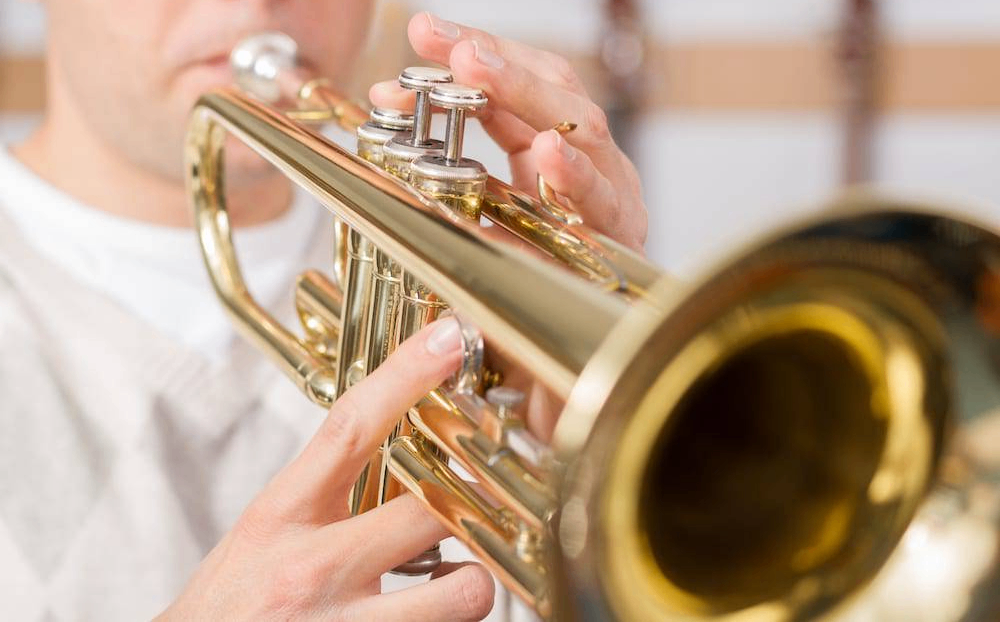
From smoky jazz clubs and New Orleans street parades to grand concert halls and electrifying big band stages, the trumpet has long been one of music’s most commanding instruments. Its bright, powerful sound can deliver triumphant fanfares, soulful melodies, and breathtaking improvisations that instantly capture attention. The greatest trumpet players of all time pushed the instrument far beyond technical mastery, shaping entire genres and influencing generations of musicians along the way. Whether through dazzling jazz solos, emotional ballads, or explosive live performances, these legendary artists transformed the trumpet into a symbol of passion, creativity, and musical brilliance that continues to echo through every corner of modern music.
1. Louis Armstrong
Louis Armstrong stands as one of the most important trumpet players in music history, a towering figure whose influence reaches far beyond jazz. Born in New Orleans, Armstrong brought a bold, radiant sound to the trumpet and reshaped the way musicians approached solo performance. Before his rise, jazz often centered on collective ensemble playing, but Armstrong made the individual soloist a commanding force. His most celebrated songs include What a Wonderful World, Hello, Dolly, West End Blues, Stardust, When the Saints Go Marching In, and La Vie en Rose. Each of these recordings reveals a different part of his enormous personality, from joyful showman to deeply expressive balladeer.
What a Wonderful World became one of Armstrong’s most beloved performances because it captures the warmth and humanity that defined his later career. Although his gravelly voice became instantly recognizable, his trumpet playing remained the foundation of his artistry. His tone could be bright as sunlight, full of swing, and loaded with emotional truth. In earlier masterpieces like West End Blues, Armstrong’s opening trumpet statement sounds almost regal, announcing a new era of jazz imagination. Louis Armstrong did not simply play the trumpet. He gave it a voice, a smile, and a soul that changed popular music forever.
2. Miles Davis
Miles Davis became one of the most recognizable trumpet players of all time by proving that power does not always come from volume or speed. His sound was cool, spare, lyrical, and unmistakably personal. Born in Illinois and shaped by the New York jazz scene, Davis constantly reinvented himself, moving through bebop, cool jazz, hard bop, modal jazz, orchestral jazz, fusion, funk, and electronic textures. His essential recordings include So What, Blue in Green, All Blues, Freddie Freeloader, Milestones, Summertime, and Spanish Key. Few musicians in any genre have guided so many major stylistic shifts.
So What remains one of Davis’s defining performances because it shows the power of restraint. The trumpet enters with a calm, spacious authority, letting the melody breathe rather than crowding it with excess decoration. Davis understood silence as deeply as sound. Every note feels chosen, placed, and weighted. His muted trumpet work on albums such as Kind of Blue and Miles Ahead created a mood of elegance and mystery that influenced generations of players. Later, his electric period opened new doors for jazz fusion and modern groove based improvisation. Miles Davis made the trumpet sound like thought in motion, shaping entire eras through taste, atmosphere, and fearless reinvention.
3. Dizzy Gillespie
Dizzy Gillespie was one of the great architects of bebop and one of the most dazzling trumpet virtuosos the world has ever heard. With his puffed cheeks, bent trumpet bell, brilliant high notes, and playful stage presence, Gillespie became both a musical genius and a cultural icon. Born in South Carolina, he helped revolutionize jazz in the nineteen forties alongside Charlie Parker, Thelonious Monk, Bud Powell, and Kenny Clarke. His most famous works include A Night in Tunisia, Salt Peanuts, Groovin’ High, Con Alma, Manteca, and Birks Works.
A Night in Tunisia remains one of his signature compositions because it combines rhythmic adventure, exotic atmosphere, and bebop brilliance. The tune’s dramatic melody and driving pulse gave Gillespie a perfect platform for his explosive trumpet language. His playing could leap into the upper register with thrilling clarity, then dart through complex lines with breathtaking speed. Yet Gillespie was more than a technician. He was a rhythmic innovator who helped bring Afro Cuban sounds into jazz, expanding the music’s global vocabulary. His humor and warmth made him approachable, but his artistry was deeply serious. Dizzy Gillespie made the trumpet sound fearless, joyful, and intellectually electric, helping create a new language for modern jazz.
4. Chet Baker
Chet Baker became one of the most beloved trumpet players in jazz because his sound carried a fragile, intimate beauty that felt almost whispered. Born in Oklahoma and associated with the West Coast jazz movement, Baker developed a lyrical approach that stood in contrast to the fiery virtuosity of bebop players. His trumpet lines were often simple, melodic, and emotionally exposed. His most famous recordings include My Funny Valentine, But Not for Me, Let’s Get Lost, I Fall in Love Too Easily, There Will Never Be Another You, and Almost Blue.
My Funny Valentine remains the performance most closely tied to Baker’s legend. His trumpet tone on the song is cool, soft, and aching, as if every note is being carefully breathed into the air. Baker did not need to overwhelm listeners with technical fireworks. His genius was in understatement, phrasing, and atmosphere. He also sang with the same vulnerable quality that marked his horn playing, giving his recordings a unique emotional consistency. His life was famously troubled, but the music often feels suspended in a private world of longing and romance. Chet Baker made the trumpet sound tender, lonely, and devastatingly human, creating a style that still captivates listeners who value mood as much as mastery.
5. Wynton Marsalis
Wynton Marsalis is one of the most famous trumpet players of the modern era, respected for his extraordinary technique, deep knowledge of jazz tradition, and rare ability to excel in both jazz and classical music. Born into the musical Marsalis family of New Orleans, he became a major figure while still very young, eventually helping lead a broad revival of interest in acoustic jazz. His important recordings include Cherokee, Black Codes, J Mood, Standard Time, In This House, On This Morning, and numerous interpretations of classic jazz standards.
Cherokee is a brilliant showcase for Marsalis because the tune demands speed, control, endurance, and harmonic intelligence. His performance reveals a trumpeter who can execute complex lines with clean articulation while still swinging with confidence. Marsalis’s tone is polished and centered, capable of both blazing brilliance and refined lyricism. Beyond his playing, he has been one of jazz’s most visible advocates, educating audiences about the music’s history and cultural importance. His classical recordings also demonstrate the breadth of his musicianship, showing a command of discipline and tone that few jazz artists have matched. Wynton Marsalis made the trumpet a symbol of tradition, excellence, and modern cultural leadership, carrying the legacy of jazz into concert halls, classrooms, and global stages.
6. Clifford Brown
Clifford Brown remains one of the most admired trumpet players in jazz despite a tragically short life. Born in Delaware, Brown brought warmth, technical brilliance, melodic invention, and emotional clarity to every recording he made. He became a central figure in hard bop through his work with drummer Max Roach, creating music that combined bebop sophistication with blues feeling and rhythmic drive. His essential songs include Joy Spring, Daahoud, Sandu, Parisian Thoroughfare, Cherokee, and Jordu. His playing influenced countless trumpeters, including Lee Morgan, Freddie Hubbard, Donald Byrd, and Wynton Marsalis.
Joy Spring is perhaps Brown’s most treasured composition, a bright, elegant piece named for his wife. The melody has a buoyant lyricism that reflects his musical personality perfectly. Brown could play fast lines with dazzling precision, but what makes him unforgettable is the beauty of his ideas. His solos sound composed in the moment, full of logic, grace, and warmth. Unlike some artists whose legends are tied to chaos, Brown was admired for his discipline, kindness, and dedication to music. His death in a car accident at only twenty five remains one of jazz’s great losses. Clifford Brown made the trumpet sing with optimism, intelligence, and radiant beauty, leaving a legacy far larger than his brief career.
7. Freddie Hubbard
Freddie Hubbard was one of the most powerful and technically gifted trumpet players of the post bop era. Born in Indianapolis, he arrived in New York and quickly became a major force, recording with artists such as John Coltrane, Ornette Coleman, Herbie Hancock, Wayne Shorter, Art Blakey, and Oliver Nelson. Hubbard’s sound was bold, muscular, and brilliant, capable of explosive high register work and fiery improvisational runs. His major recordings include Red Clay, First Light, Little Sunflower, Sky Dive, Hub Tones, and his work on landmark albums such as Maiden Voyage and Free Jazz.
Red Clay is one of Hubbard’s signature recordings because it captures his ability to combine jazz sophistication with funk flavored groove. The trumpet line is confident, bluesy, and instantly memorable, while his soloing pushes the track into thrilling territory. Hubbard could play with tremendous speed, but his best work also carried a sense of drama and swagger. He understood how to ride a rhythm section, build tension, and make a solo feel like a rising flame. His tone had a commanding edge that made him stand out even in crowded ensembles. Freddie Hubbard made the trumpet sound modern, athletic, and fiercely alive, becoming a model for generations of advanced jazz players.
8. Lee Morgan
Lee Morgan was one of the great trumpet stars of hard bop, known for his sharp tone, blues drenched phrasing, and youthful fire. Born in Philadelphia, Morgan was a prodigy who joined Dizzy Gillespie’s big band as a teenager and later became a key member of Art Blakey’s Jazz Messengers. His playing carried both technical brilliance and street level soul, making him one of Blue Note Records’ most exciting figures. His essential recordings include The Sidewinder, Ceora, Search for the New Land, Speedball, Cornbread, and Moanin’ with Art Blakey.
The Sidewinder became Morgan’s most famous recording and one of the most recognizable soul jazz tracks of the nineteen sixties. Its swaggering groove, catchy theme, and crisp trumpet statements made it unusually popular for an instrumental jazz record. Morgan’s soloing on the track is confident and charismatic, mixing blues language with modern harmonic sense. He had a way of making complex playing feel direct and exciting, never losing the listener inside technical display. His ballad work, especially on pieces like Ceora, revealed a more lyrical and refined side. His life ended tragically, but his recordings remain vibrant. Lee Morgan made the trumpet sound bold, stylish, and irresistibly cool, giving hard bop some of its most memorable moments.
9. Maynard Ferguson
Maynard Ferguson became famous for his spectacular upper register, explosive stage presence, and ability to turn trumpet performance into a thrilling event. Born in Canada, Ferguson gained attention as a young virtuoso and became a major name through big bands, television appearances, jazz ensembles, and crossover recordings. His sound was bright, piercing, and athletic, often soaring into notes that seemed almost impossible. His best known recordings include Gonna Fly Now, MacArthur Park, Birdland, Chameleon, Give It One, and Maria.
Gonna Fly Now, his famous version of the theme from Rocky, became a defining performance because it matched his trumpet personality perfectly. The music is triumphant, dramatic, and built for a blazing high note climax. Ferguson’s playing had a physical excitement that made audiences react immediately. Yet beneath the spectacle was a serious musician with strong jazz roots and a gift for leading energetic ensembles. His bands became training grounds for many talented young players, and his recordings inspired generations of trumpet students to dream of power, range, and endurance. Critics sometimes focused on the flash, but Ferguson’s impact on popular trumpet culture is undeniable. Maynard Ferguson made the trumpet sound heroic, fearless, and larger than life, turning virtuosity into pure celebration.
10. Herb Alpert
Herb Alpert became one of the most commercially successful trumpet players in popular music, known for his bright tone, relaxed phrasing, and irresistible blend of pop, jazz, Latin flavor, and easy listening style. As the leader of the Tijuana Brass and a cofounder of A and M Records, Alpert helped shape the sound of sixties instrumental pop while also becoming a major figure in the music business. His most popular recordings include A Taste of Honey, The Lonely Bull, Tijuana Taxi, This Guy’s in Love with You, Spanish Flea, and Rise.
Rise stands as one of Alpert’s most famous later recordings, a smooth, atmospheric track with a memorable trumpet line and polished groove. The song became a major hit and even found new life through sampling in hip hop, showing the lasting appeal of Alpert’s sound. Earlier, A Taste of Honey made the Tijuana Brass a household name with its lively rhythm and sunny brass arrangement. Alpert’s trumpet style was not about aggressive complexity. It was about melody, tone, charm, and accessibility. He made instrumental music feel stylish and radio friendly without stripping it of musicianship. Herb Alpert made the trumpet a pop music phenomenon, reaching audiences far beyond traditional jazz circles.
11. Arturo Sandoval
Arturo Sandoval is one of the most dazzling trumpet virtuosos of modern times, celebrated for his blazing range, technical brilliance, Latin jazz mastery, and deep emotional power. Born in Cuba, Sandoval was mentored by Dizzy Gillespie and became a major ambassador for Afro Cuban jazz. His playing combines classical precision, bebop language, Latin rhythm, and breathtaking high note command. His important recordings and performances include A Night in Tunisia, Flight to Freedom, There Will Never Be Another You, Mambo Caliente, Trumpet Evolution, and Dear Diz.
A Night in Tunisia is a natural showcase for Sandoval because the tune connects directly to the legacy of Gillespie while giving Sandoval room to display his own explosive personality. His trumpet can soar with astonishing force, but he also plays with rhythmic fire and melodic intelligence. Sandoval’s musicianship extends beyond jazz into classical concert music and film scoring, revealing a wide artistic range. His life story, including his move from Cuba to the United States, adds another layer of depth to his career. He plays as if every phrase carries gratitude, discipline, and celebration. Arturo Sandoval made the trumpet sound brilliant, passionate, and technically limitless, becoming one of the most thrilling performers of his generation.
12. Clark Terry
Clark Terry was one of the most joyful, versatile, and beloved trumpet players in jazz. Known for his warm tone, impeccable swing, playful humor, and mastery of both trumpet and flugelhorn, Terry built a career that touched nearly every corner of the music. He performed with Count Basie, Duke Ellington, Quincy Jones, Oscar Peterson, and many others, while also becoming a familiar presence on television through his work with Johnny Carson’s band. His notable recordings include Mumbles, Serenade to a Bus Seat, Perdido, In Orbit, Brother Terry, and Just Squeeze Me.
Mumbles is one of Terry’s most famous performances because it captures his humor and musical personality in full bloom. The piece features his playful nonsense vocal style, but behind the fun is a musician with complete rhythmic control and deep jazz understanding. On trumpet and flugelhorn, Terry could play with elegance, blues feeling, and sparkling invention. His influence also came through teaching and mentorship. He encouraged younger musicians with generosity, becoming a vital bridge between jazz generations. Terry’s playing never felt cold or detached. It smiled, danced, and swung with effortless charm. Clark Terry made the trumpet sound witty, warm, and endlessly alive, proving that joy can be a mark of true mastery.
13. Bix Beiderbecke
Bix Beiderbecke was one of the first great jazz cornet and trumpet voices, admired for his cool tone, lyrical imagination, and lasting influence on early jazz. Born in Iowa, Beiderbecke emerged in the nineteen twenties, during a time when jazz was rapidly developing from dance music into a more personal art form. His sound was lighter and more reflective than many of his contemporaries, offering a poetic contrast to the forceful brilliance of Louis Armstrong. His most important recordings include Singin’ the Blues, In a Mist, I’m Coming Virginia, At the Jazz Band Ball, and Riverboat Shuffle.
Singin’ the Blues remains one of Beiderbecke’s defining performances because it captures his gift for melodic improvisation. His lines feel graceful, thoughtful, and emotionally restrained, almost as if he were speaking in a private musical language. He did not need to dominate through volume. Instead, he created beauty through shape, tone, and subtle surprise. Beiderbecke also composed piano pieces that revealed an advanced harmonic ear, suggesting how broad his musical imagination truly was. His life ended young, which added to his legend, but the recordings themselves are enough to secure his place. Bix Beiderbecke made the trumpet sound introspective, elegant, and modern before modern jazz fully existed, influencing generations who valued lyricism and individuality.
14. Donald Byrd
Donald Byrd was a brilliant trumpet player who moved from hard bop excellence into jazz funk and fusion with unusual vision. Born in Detroit, Byrd came up through the jazz scene of the nineteen fifties and played with many major figures, including Art Blakey, John Coltrane, Sonny Rollins, Herbie Hancock, and Pepper Adams. His early trumpet style was clean, articulate, and swinging, rooted in bebop language but shaped by a thoughtful melodic approach. His important recordings include Byrd in Hand, Fuego, Christo Redentor, Black Byrd, Flight Time, and Places and Spaces.
Black Byrd became his most famous crossover recording and one of the key works in jazz funk. The track features a groove oriented sound that opened Byrd’s music to new audiences while retaining his identity as a serious musician. His trumpet floats through the arrangement with confidence, adding sophistication to the rhythmic foundation. Some jazz purists questioned his move toward popular textures, but Byrd was following a larger artistic and cultural current. He also became an influential educator, helping younger musicians understand both tradition and innovation. Donald Byrd made the trumpet sound sleek, thoughtful, and forward moving, proving that a jazz artist could evolve with changing times while still carrying the depth of hard bop experience.
15. Doc Severinsen
Doc Severinsen became one of the most famous trumpet players in American entertainment through his dazzling technique, brilliant tone, colorful personality, and long career as bandleader for The Tonight Show Starring Johnny Carson. Born in Oregon, Severinsen developed into a virtuoso with extraordinary range and endurance, equally comfortable in big band swing, popular standards, classical influenced pieces, and show business settings. His recordings and performances include Johnny’s Theme, Begin the Beguine, Georgia on My Mind, Malagueña, and many high energy big band features.
Johnny’s Theme became the sound of late night television for millions of viewers, and Severinsen’s trumpet helped give it sparkle, class, and excitement. His role on television made him a household name, but serious players have long respected his command of the instrument. Severinsen could project a ringing high note with stunning clarity, lead a band with authority, and bring humor and glamour to every appearance. His flamboyant wardrobe matched the brightness of his sound, making him one of the most visually memorable musicians on television. Yet behind the showmanship was a disciplined craftsman with deep musical knowledge. Doc Severinsen made the trumpet a symbol of entertainment, virtuosity, and polished American showmanship, inspiring audiences and trumpet students for decades.

Edward Tomlin is a frequent contributor to Singers Room. Since 2005, Singersroom has been the voice of R&B around the world. Connect with us via social media below.