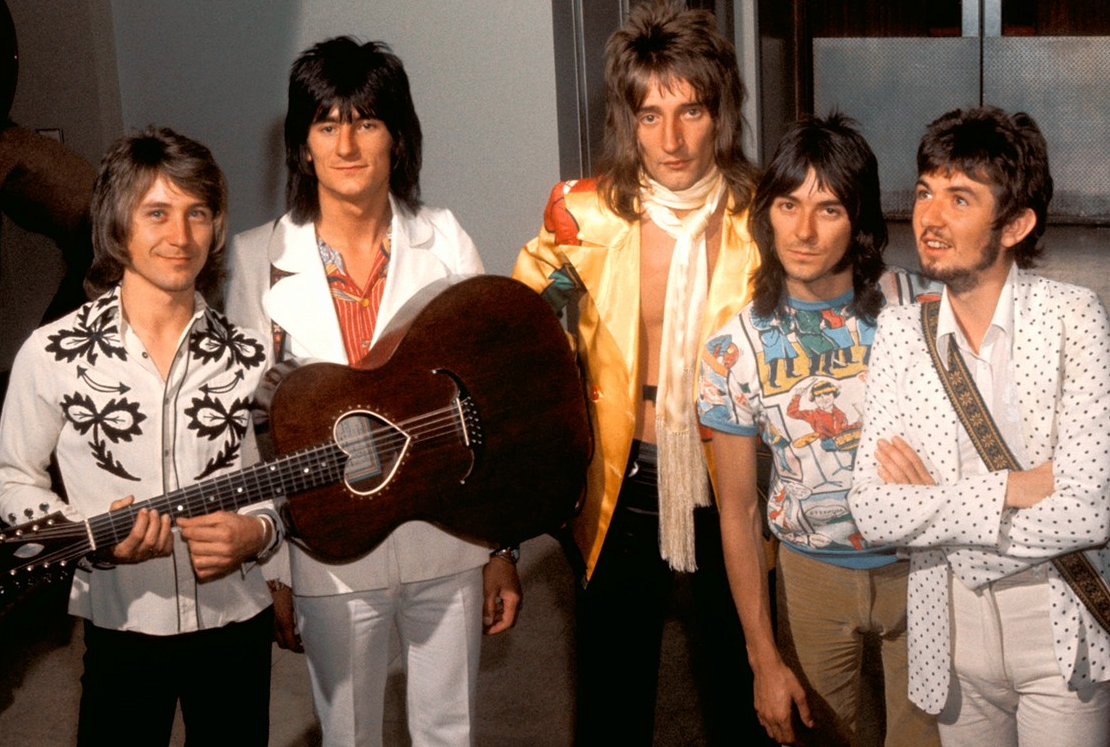
Loose, loud, soulful, and effortlessly cool, The Faces brought a swagger to rock music that few bands could ever match. Formed from a group of seasoned musicians with larger than life personalities, the band blended hard rock, rhythm and blues, boozy barroom energy, and heartfelt songwriting into a sound that felt wild yet deeply authentic. Fronted by the raspy charisma of Rod Stewart and powered by the unforgettable guitar work of Ronnie Wood, The Faces created songs filled with humor, heartbreak, rebellion, and late night atmosphere. Their recordings captured the spirit of musicians playing not for perfection, but for feeling, chemistry, and pure excitement. Even though their time together was relatively short, the band left behind a catalog that became hugely influential on generations of rock artists. These unforgettable songs showcase the reckless charm, soulful grit, and timeless energy that made The Faces one of classic rock’s most beloved bands.
1. Stay With Me
“Stay With Me” is the rowdy, swaggering anthem that most clearly defines The Faces at their wildest and most irresistible. From the opening guitar riff, the song feels like a door being kicked open at closing time, with Ronnie Wood’s rough edged guitar tone setting the stage for Rod Stewart’s raspy, mischievous vocal. It is loud, loose, and full of personality, yet beneath the apparent chaos is a band with remarkable instinct. The Faces always sounded as if they were on the verge of falling apart, but that danger was part of their genius.
The song’s appeal comes from its blend of barroom humor, rock and roll muscle, and soulful grit. Stewart sings with the sly confidence of a lovable rogue, while the band barrels behind him with ragged precision. Ian McLagan’s keyboards add color and bounce, Ronnie Lane and Kenney Jones keep the groove moving, and Wood’s guitar slices through everything with effortless attitude. “Stay With Me” remains the band’s signature song because it captures their whole personality in one glorious blast. It is reckless but musical, cheeky but soulful, and completely alive. Few rock songs better represent the thrill of a band playing with absolute chemistry and no interest in sounding polite.
2. Ooh La La
“Ooh La La” is one of The Faces’ most beloved songs, a wistful and charming reflection on youth, experience, and the hard lessons people only understand after they have lived through them. Sung by Ronnie Wood rather than Rod Stewart, the track has a warm, homespun quality that sets it apart from the band’s louder and more swaggering material. Its famous refrain carries a bittersweet wisdom, turning regret into something tender and almost communal. The song feels like advice passed down in a pub, full of humor, ruefulness, and affection.
Musically, “Ooh La La” is beautifully simple. The acoustic texture gives it a folk rooted intimacy, while the melody has the kind of natural charm that makes it feel instantly familiar. The Faces were often celebrated for their rough and tumble energy, but this song proves they could also be gentle, reflective, and emotionally generous. Ronnie Lane’s presence can be felt in the song’s humane spirit, that blend of vulnerability and working class warmth that gave the band much of its heart.
The song has endured because it speaks to everyone who has ever looked back and wished they had understood life sooner. It is not bitter. It smiles through its wisdom. That combination of melancholy and good humor makes “Ooh La La” one of the most touching songs in The Faces catalog.
3. Cindy Incidentally
“Cindy Incidentally” is a bright, piano driven Faces classic that captures the band’s gift for making rock and roll feel both casual and deeply melodic. The song has a buoyant energy, moving with the charm of a rambling invitation, as if the narrator is calling someone into a life of travel, music, and spontaneous adventure. Rod Stewart’s vocal is relaxed but persuasive, full of warmth, wit, and that unmistakable rasp that could make even a throwaway phrase sound emotionally lived in.
The arrangement is one of the song’s great pleasures. Ian McLagan’s piano gives the track a rolling, pub friendly sparkle, while Ronnie Wood’s guitar adds flashes of grit without overpowering the melody. The rhythm section keeps everything loose enough to breathe, but steady enough to carry the song with confidence. The Faces were masters of sounding informal without ever being careless, and “Cindy Incidentally” is a perfect example of that balance.
What makes the song so enduring is its sense of possibility. It feels like a suitcase by the door, a train waiting at the station, and a half serious promise that life might be better somewhere else if only someone comes along. The track is playful, catchy, and full of heart. It shows The Faces at their most charming, turning a simple pop rock tune into a small celebration of freedom, friendship, and romantic impulse.
4. Had Me A Real Good Time
“Had Me A Real Good Time” is The Faces in full celebration mode, a gloriously loose rocker that sounds like the morning after a legendary night out. The song captures the band’s identity with almost documentary clarity: noisy laughter, spilled drinks, loud guitars, pounding piano, and the feeling that rock and roll should never be too tidy. Rod Stewart sings with a wink in his voice, sounding both delighted and slightly battered by the party he is describing. That mix of exhaustion and enthusiasm gives the song its charm.
The band performance is wonderfully unruly. Ronnie Wood’s guitar feels sharp and animated, Ian McLagan’s keyboards add a rolling barroom feel, and the rhythm section pushes the track forward with muscular swing. There is a horn fueled brightness in the arrangement that adds to the sense of communal revelry. The song does not pretend to be profound in the usual sense, but it understands something essential about The Faces: joy itself can be a serious musical force.
“Had Me A Real Good Time” remains a fan favorite because it bottles the spirit of a band that made imperfection sound like freedom. The Faces were not interested in sterile precision. They wanted feel, laughter, motion, and shared release. This song delivers all of that with irresistible personality. It is not simply about having a good time. It sounds like one happening in real time.
5. Debris
“Debris” is one of the most beautiful and emotionally grounded songs associated with The Faces, written and sung by Ronnie Lane with a tenderness that reveals the band’s quieter soul. Far removed from the swaggering rockers that made them famous, this track feels intimate, reflective, and deeply human. Lane’s voice has a plainspoken warmth that makes the song feel like a memory shared across a kitchen table. It is filled with affection, regret, and the small details of family life that often carry the greatest emotional weight.
The beauty of “Debris” lies in its restraint. The arrangement does not push for drama. Instead, it lets the melody and lyric breathe naturally. The song has a folk influenced simplicity, but it is enriched by the band’s sensitivity. Every note seems to understand the fragility of the story. Lane’s writing is compassionate and observant, turning ordinary images into something quietly heartbreaking.
This song remains one of the most treasured pieces in The Faces catalog because it shows the emotional range behind the band’s reputation for rowdy excess. Beneath the jokes, drinking songs, and loose limbed rockers was a group capable of genuine tenderness. “Debris” proves that The Faces could break your heart just as convincingly as they could raise the roof. It is modest, graceful, and unforgettable.
6. Pool Hall Richard
“Pool Hall Richard” is one of The Faces’ toughest and most swaggering late period tracks, built around the kind of character sketch that suited the band perfectly. The title figure feels like someone who could have stepped out of a smoky pub, a back room game, or a late night story told by someone who may or may not be exaggerating. The song is packed with attitude, driven by muscular guitar work and Rod Stewart’s rough vocal charisma.
Ronnie Wood’s playing gives the track its bite, full of punchy riffs and blues soaked edge. The Faces always had one foot in traditional rock and roll and another in rhythm and blues, and “Pool Hall Richard” leans into that rougher side with great confidence. The rhythm section keeps the song moving like a hustler circling a table, while Ian McLagan’s keyboards add texture and grit. Stewart’s vocal sounds amused, skeptical, and energized, turning the song into a miniature portrait of swagger and streetwise bravado.
What makes the track memorable is its atmosphere. It feels lived in, not polished for distance. The Faces were brilliant at creating songs that sounded as though they came from real rooms filled with real characters. “Pool Hall Richard” is one of those songs. It is scrappy, colorful, and full of movement, a reminder that the band’s best rockers always carried a strong sense of place and personality.
7. Miss Judy’s Farm
“Miss Judy’s Farm” opens with the kind of gritty confidence that made The Faces one of the most exciting rock bands of the early seventies. The song has a tough, rolling feel, powered by Ronnie Wood’s guitar and Rod Stewart’s ragged, commanding vocal. It is bluesy, physical, and full of the band’s trademark looseness. Yet like so much of their best work, it is not careless. The groove breathes, but it knows exactly where it is going.
The song’s charm lies in its mixture of rural imagery, rock swagger, and rough humor. Stewart sings with the energy of someone telling a half remembered story that becomes more entertaining with every line. The band responds with a performance that feels alive at the edges, filled with little surges, pushes, and accents. Kenney Jones gives the drums a firm but flexible drive, while Ronnie Lane’s bass helps keep the track rooted. Ian McLagan adds the keyboard flavor that made The Faces sound warmer and more communal than many of their harder rocking peers.
“Miss Judy’s Farm” is an essential Faces track because it captures their ability to make rock and roll feel earthy and unvarnished. It has grit, humor, and groove, all delivered with a sense of spontaneous joy. The song sounds like a band completely comfortable in its own skin, playing hard without losing its relaxed charm.
8. Too Bad
“Too Bad” is a lean, hard hitting Faces rocker that thrives on attitude, rhythm, and the band’s natural chemistry. It carries the energy of a group that never needed to overcomplicate a song when a strong groove, a sharp riff, and a charismatic vocal would do the job. Rod Stewart delivers the lyric with bruised confidence, sounding as if he has been through disappointment but refuses to let it slow him down. That mixture of hurt and swagger is classic Faces territory.
The guitar work from Ronnie Wood gives the song its muscular edge, cutting through the track with a tone that feels both raw and stylish. Ian McLagan’s keyboards add depth without softening the impact, while Ronnie Lane and Kenney Jones keep the whole thing moving with compact force. The Faces had a rare gift for making rock music feel human sized. Even when they played loudly, the songs sounded like they belonged in rooms where people laughed, argued, danced, and spilled their drinks.
“Too Bad” remains popular among fans because it captures the band’s no nonsense side. It is not a grand statement or a sentimental ballad. It is a punchy piece of rock and roll with soul in its bones. The song shows how The Faces could turn a simple emotional shrug into something exciting, memorable, and unmistakably their own.
9. Maybe I’m Amazed
“Maybe I’m Amazed” became a powerful live showcase for The Faces, allowing the band to take a deeply emotional Paul McCartney song and filter it through their own soulful, rough edged personality. Rod Stewart’s vocal brings a different character to the material, replacing McCartney’s polished romantic urgency with a raspier, more weathered sense of devotion. In The Faces’ hands, the song feels less like a studio confession and more like a late night declaration from someone who has lived hard and still finds himself humbled by love.
The band’s interpretation works because they do not try to make the song overly delicate. Instead, they give it weight, warmth, and a live wire looseness. Ian McLagan’s keyboards help carry the melodic beauty, while Ronnie Wood’s guitar adds grit and emotional emphasis. The rhythm section supports the slow build with patience, allowing the song to grow naturally. Stewart’s voice cracks, rises, and leans into the lyric with unmistakable feeling.
“Maybe I’m Amazed” is important in The Faces catalog because it shows how well they could inhabit another writer’s song while making it sound completely aligned with their own spirit. Their version is heartfelt without being precious, powerful without being overblown, and deeply soulful in the way only The Faces could manage. It reveals their ability to turn vulnerability into a shared, communal rock and roll experience.
10. Three Button Hand Me Down
“Three Button Hand Me Down” is one of The Faces’ great early statements, a song that established their rough, humorous, working class rock and roll personality right from the start. Built around a battered suit and the pride of someone making the best of what he has, the track turns thrift, style, and attitude into a joyous performance. It is funny, scrappy, and full of character, showing that The Faces understood the poetry of everyday survival better than most bands.
Rod Stewart sings with brilliant comic timing and soulful bite, making the narrator feel both ridiculous and heroic. The band plays with infectious energy, blending blues, rock, and pub style looseness into a sound that feels instantly lived in. Ronnie Wood’s guitar adds swagger, Ian McLagan’s keyboards bring warmth, and the rhythm section gives the song a swinging foundation. Everything feels slightly rough around the edges, which is exactly why it works.
“Three Button Hand Me Down” remains a standout because it captures The Faces before fame hardened into expectation. The song is full of personality, humor, and street corner charm. It celebrates making something out of very little, turning secondhand clothing into a badge of identity. In that sense, it is a perfect Faces song: ragged, proud, funny, soulful, and completely unforgettable.

Samuel Moore is a frequent contributor to Singers Room. Since 2005, Singersroom has been the voice of R&B around the world. Connect with us via social media below.