From underground battle scenes and independent mixtapes to global chart domination and sold out arena tours, the most popular white rappers of all time helped shape the evolution of hip hop across multiple generations. These artists earned attention through sharp lyricism, unforgettable flow, unique storytelling, and the ability to connect with audiences far beyond traditional rap boundaries. Some became legends through technical mastery and emotionally raw songwriting, while others built massive followings with party anthems, crossover hits, or rebellious underground credibility. Their music explored everything from struggle and ambition to humor, controversy, fame, addiction, and personal redemption. Whether dominating radio, influencing rap culture, or redefining what mainstream hip hop could sound like, these rappers carved out lasting places in one of music’s most competitive and constantly evolving genres.
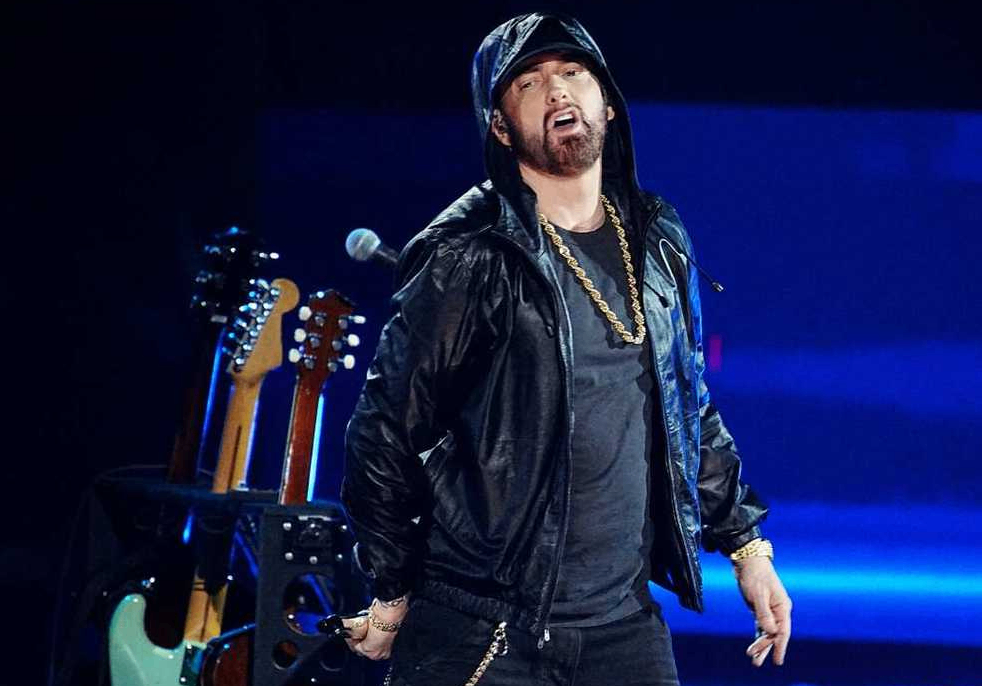
1. Eminem
Eminem is the most famous white rapper of all time and one of the most technically gifted artists the genre has ever produced. Born Marshall Mathers, he broke through from Detroit’s battle rap scene with a style that mixed brutal honesty, dark comedy, rapid internal rhymes, and explosive emotional intensity. His biggest songs include Lose Yourself, Stan, The Real Slim Shady, Without Me, Not Afraid, Mockingbird, Love the Way You Lie, and Rap God. Lose Yourself remains one of his most powerful records because it captures pressure, fear, hunger, and ambition in a way that feels almost cinematic. The song became more than a soundtrack hit. It turned into a universal anthem about seizing a life changing moment. Eminem’s voice cuts through the production with urgency, and his rhyme patterns build tension line by line. What makes him so important is the way he combined shocking humor with real pain. He could play a character, tell a story, attack an opponent, or confess personal trauma with equal command. Eminem’s popularity endures because his best songs are not only impressive displays of skill, but vivid emotional performances from an artist who made rap feel dangerous, personal, and technically thrilling.
2. Beastie Boys
Beastie Boys became one of the most important rap groups of all time by turning punk energy, playful humor, crate digging production, and hip hop attitude into a sound that crossed generations. The trio of Mike D, MCA, and Ad Rock first exploded with rowdy party rap, but their career quickly evolved into something more adventurous and artistically rich. Their biggest songs include Fight for Your Right, Sabotage, Intergalactic, Paul Revere, So What Cha Want, Brass Monkey, and No Sleep Till Brooklyn. Sabotage remains one of their most iconic tracks, a furious fusion of rap, rock, distortion, and shouted intensity that still sounds explosive. The song’s energy is chaotic but controlled, showing how naturally the group could blend genres without sounding forced. Beastie Boys were not only popular because they were loud and funny. They became respected because they kept growing. Their albums embraced funk, jazz samples, instrumental grooves, sharp production ideas, and a deep love of music history. Their chemistry was the secret ingredient. The three voices bounced off each other with timing, humor, and personality. Beastie Boys helped prove that rap could be experimental, irreverent, musical, and globally influential without losing its sense of fun.
3. Mac Miller
Mac Miller developed from a bright party rap newcomer into one of the most emotionally respected artists of his generation. Born Malcolm McCormick in Pittsburgh, he built a passionate fan base through mixtapes, independent success, and a creative journey that became more soulful, vulnerable, and musically adventurous over time. His most beloved songs include Self Care, Donald Trump, Good News, Dang, Weekend, Blue World, Objects in the Mirror, and Best Day Ever. Self Care stands as one of his defining recordings because it captures both the smoothness and sadness that made his later music so affecting. The song moves with a hazy groove, while Mac’s voice sounds reflective, bruised, and quietly determined. He was never only a rapper chasing clever lines. He became a complete musician, learning production, singing, arranging, and shaping albums with mood and honesty. His music often explored fame, addiction, depression, love, growth, and self examination without losing warmth. Mac Miller’s popularity continues because listeners feel a real person inside the songs. His catalog has humor, looseness, jazz influence, introspection, and emotional gravity. He left behind music that feels deeply human, full of flaws, hope, and restless creativity.
4. Post Malone
Post Malone became one of the most commercially successful artists connected to modern rap by blending hip hop rhythm, pop melody, rock mood, and emotional sing rap into a sound that traveled far beyond genre boundaries. Born Austin Post, he broke through with White Iverson, a dreamy viral hit that introduced his relaxed vocal style and hazy melodic instincts. His biggest songs include Rockstar, Congratulations, Sunflower, Circles, Better Now, Psycho, Wow, and White Iverson. White Iverson remains important because it captured the sound of a new streaming era, where rap flows, sung hooks, atmospheric beats, and lifestyle imagery could merge into one sleek package. Post Malone’s appeal lies in his melodic sadness and casual charisma. He often sounds weary, melodic, and strangely conversational, as if fame, loneliness, celebration, and regret are all happening at the same time. While some listeners debate how purely rap his music is, his influence on popular rap adjacent music is undeniable. He helped make genre fluid stardom feel normal, moving from trap flavored hits to guitar based ballads and pop radio staples. Post Malone’s best songs endure because they are catchy, moody, emotionally accessible, and built around a voice that feels instantly recognizable.
5. Machine Gun Kelly
Machine Gun Kelly built his name through rapid fire delivery, rebellious energy, and a career that moved between rap, punk influenced rock, and pop culture spectacle. Born Colson Baker, he first gained attention through mixtapes and a raw Cleveland identity before reaching a wider audience with songs that mixed aggression, vulnerability, and restless ambition. His major rap songs include Rap Devil, Wild Boy, Till I Die, Bad Things, Alpha Omega, Invincible, and El Diablo. Rap Devil became one of his most widely discussed tracks because it placed him directly in one of modern rap’s most public feuds. The song is sharp, mocking, confident, and built for reaction, showing MGK’s taste for confrontation and headline grabbing intensity. His early style relied heavily on speed, breath control, and punk like attitude, but he also showed a willingness to blend rap with rock textures long before his full stylistic pivot. What makes Machine Gun Kelly notable is his refusal to remain fixed in one lane. He has been divisive, but that divisiveness is part of his story. His most popular songs show an artist driven by energy, image, emotion, and challenge. Whether rapping over hard drums or leaning into guitar driven anthems, he has remained a visible and unpredictable figure.
6. Macklemore
Macklemore became one of the most recognizable independent rap success stories of the twenty first century through bright storytelling, social awareness, humor, and huge crossover hooks. Working closely with producer Ryan Lewis, he created songs that reached mainstream audiences while still carrying a personal and often reflective voice. His biggest songs include Thrift Shop, Can’t Hold Us, Same Love, Glorious, Downtown, and Wings. Thrift Shop remains his signature hit, a playful and sharply produced record that turned secondhand fashion into a global party anthem. The song worked because it felt different from the luxury obsession that dominated much rap at the time. It was funny, catchy, colorful, and strangely subversive in its celebration of bargain hunting style. Macklemore’s greatest strength is his ability to write from a specific point of view. He can be goofy, sincere, political, nostalgic, or confessional, and his best songs often thrive on clear concepts. Same Love showed his socially conscious side, while Can’t Hold Us became a festival sized motivational anthem. Macklemore’s popularity rests on accessibility and personality. He brought independent rap to a massive audience by combining relatable themes, strong hooks, and a willingness to take emotional and comedic risks.
7. NF
NF became one of the most popular white rappers of the modern era by turning anxiety, trauma, faith, doubt, and self discipline into intense cinematic rap. Born Nathan Feuerstein, he built a devoted audience through emotionally direct songs that avoid glamor and focus instead on inner conflict. His biggest songs include Let You Down, The Search, Lie, When I Grow Up, Time, Hope, Paid My Dues, and Clouds. Let You Down is his breakthrough hit and remains one of his most powerful records because it frames family pain and disappointment in a hook that feels wounded and unforgettable. NF’s delivery is intense, precise, and often breathless, but his real appeal comes from emotional clarity. He raps as if every line is being pulled from a private journal and projected onto a massive screen. His production style often uses orchestral swells, heavy drums, dark piano, and dramatic tension, giving his songs a film score quality. Unlike many rappers who build around nightlife, luxury, or bravado, NF built a world around mental struggle and moral seriousness. His popularity shows how deeply listeners respond to music that names fear, anger, shame, and perseverance without hiding behind irony. His songs feel like therapy turned into arena rap.
8. Iggy Azalea
Iggy Azalea became one of the most commercially visible women in rap during the twenty tens, bringing a glossy pop rap image, bold fashion sense, and international background into mainstream hip hop conversation. Born in Australia, she moved to the United States as a teenager and eventually broke through with a style built around club ready hooks, confident delivery, and sleek visuals. Her biggest songs include Fancy, Black Widow, Work, Change Your Life, Team, and Started. Fancy remains her defining hit, a massive pop rap record with a sharp beat, a memorable hook from Charli XCX, and a video that turned nineties teen film nostalgia into a modern viral moment. The song dominated radio because it was direct, stylish, and instantly quotable. Iggy’s career has attracted debate, especially around accent, authenticity, and cultural position, but her mainstream impact is undeniable. For a period, she became one of the most recognizable rap figures in global pop media. Her best songs work through attitude, visual identity, and polished production. Work in particular gave more personal context to her ambition and migration story. Iggy Azalea remains a notable figure because she brought international pop spectacle into rap and became one of the most discussed female rappers of her era.
9. Vanilla Ice
Vanilla Ice is one of the earliest white rappers to reach massive mainstream visibility, and his place in rap history remains impossible to ignore. Born Robert Van Winkle, he became a pop culture phenomenon with Ice Ice Baby, a record that helped bring rap deeper into suburban and international pop markets. His best known songs include Ice Ice Baby, Play That Funky Music, Ninja Rap, Cool as Ice, and Rollin in My 5 0. Ice Ice Baby is the song that defines his career, built around a famous bass line and a cool, catchy rhythm that became instantly recognizable. While critics have often debated his credibility and image, the song’s commercial impact was enormous. It introduced many casual listeners to rap at a time when the genre was still fighting for full mainstream acceptance. Vanilla Ice’s style leaned more toward pop entertainment than lyrical depth, but his success opened complicated conversations about race, marketing, authenticity, and hip hop’s expansion. His career later moved through reinvention, reality television, rock influenced music, and nostalgia culture. Vanilla Ice remains one of the most popular white rappers of all time because his signature hit became a cultural marker, representing both rap’s early commercial explosion and the tensions that came with mainstream crossover success.
10. Yelawolf
Yelawolf carved out a distinctive identity by blending Southern rap, country imagery, rock attitude, and rapid fire lyricism into a sound that feels rugged and deeply personal. Born Michael Wayne Atha in Alabama, he emerged from the underground with a style that reflected trailer park life, rural Southern culture, rebellion, and sharp technical skill. His most popular songs include Till It’s Gone, Pop the Trunk, Best Friend, Daddy’s Lambo, American You, Row Your Boat, and Box Chevy. Till It’s Gone is one of his strongest crossover tracks, a moody and atmospheric song that highlights his storytelling instincts and Southern Gothic edge. Yelawolf’s voice carries grit, speed, and melody, allowing him to shift between aggressive verses and more reflective moments. What makes him stand out is his regional specificity. He does not approach rap from a generic image. His music is full of pickup trucks, back roads, family scars, outlaw romance, and working class tension. His signing to Shady Records introduced him to a broader audience, but his artistic identity remained rooted in a hybrid world of rap and Southern rock. Yelawolf’s popularity comes from authenticity, intensity, and a willingness to occupy a lane few rappers can convincingly claim.
11. G Eazy
G Eazy became a major figure in modern pop rap through slick production, cool visual style, nightlife storytelling, and a polished Bay Area identity. Born Gerald Gillum, he built his career through independent hustle before achieving mainstream success with songs that blended rap verses, melodic hooks, and moody club atmosphere. His biggest songs include Me Myself and I, No Limit, I Mean It, Him and I, Good Life, Order More, and Calm Down. Me Myself and I remains his signature record, pairing introspective ambition with a massive hook and sleek production. The song captures the loneliness behind success, making it more emotionally layered than a standard party anthem. G Eazy’s image has always been part of his appeal. The black leather, vintage hair, and old Hollywood cool give his music a recognizable frame. Yet his songs also explore fame, temptation, insecurity, relationships, and self reliance. He is not usually celebrated as an underground lyricist, but he understands mood and branding extremely well. His best records work because they feel cinematic and accessible, made for late night drives, clubs, and radio. G Eazy’s popularity shows how modern rap can merge style, confession, pop hooks, and lifestyle imagery into a commercially powerful package.
12. Action Bronson
Action Bronson became a cult favorite and mainstream personality by combining vivid rap imagery, culinary obsession, Queens attitude, humor, and a voice that commands immediate attention. Born Ariyan Arslani, he first worked as a chef before his rap career took off, and food culture remains a major part of his artistic identity. His top songs include Baby Blue, Easy Rider, Strictly 4 My Jeeps, Actin Crazy, Imported Goods, and Standing in the Rain. Baby Blue is one of his most accessible and popular tracks, pairing his colorful storytelling with a soulful beat and a memorable guest hook. Bronson’s rapping is full of absurd images, luxury references, sports shoutouts, food details, jokes, threats, and surreal snapshots that arrive in quick succession. His style feels loose, but the writing is highly specific. He paints scenes with a kind of comic excess, making every verse feel like a wild travel diary from a larger than life character. Beyond music, his television work and food shows expanded his fame, but his rap catalog remains full of personality and craft. Action Bronson’s popularity comes from the fact that he sounds entirely like himself. He brings wit, appetite, technical confidence, and New York flavor into every track.
13. Aesop Rock
Aesop Rock is one of the most lyrically dense and intellectually distinctive rappers in underground hip hop. Known for his vast vocabulary, surreal imagery, intricate rhyme structures, and abstract storytelling, he built a devoted following without relying on mainstream formulas. His most important songs include None Shall Pass, Daylight, Rings, Kirby, Labor, Zero Dark Thirty, and Mindful Solutionism. None Shall Pass is one of his signature tracks, driven by a sharp beat and a torrent of language that feels cryptic, rhythmic, and strangely hypnotic. Aesop Rock’s appeal is not based on easy hooks or instant simplicity. His music rewards repeated listening, with lines that unfold gradually and images that feel like fragments from dreams, anxiety, city life, memory, and philosophy. He has a gravelly voice and a cadence that can feel both relentless and conversational. What makes him important is his commitment to a deeply personal language. He expanded what rap lyricism could sound like when freed from commercial expectations. His songs can be funny, claustrophobic, sad, strange, and brilliant, often all at once. Aesop Rock remains popular among serious rap listeners because he represents the art of language pushed to its outer limits.
14. Everlast
Everlast earned a unique place in rap history by moving from rowdy group success with House of Pain into a solo career that blended rap, blues, folk, rock, and reflective storytelling. Born Erik Schrody, he first became widely known through House of Pain’s classic anthem Jump Around, one of the most recognizable party rap records of the nineties. His solo work later revealed a more mature, gravel voiced writer with songs such as What It’s Like, Ends, Black Jesus, Put Your Lights On, and White Trash Beautiful. What It’s Like remains his most powerful solo recording, a socially conscious song built around acoustic guitar and plainspoken storytelling. It presents characters facing poverty, judgment, addiction, violence, and moral complexity, showing Everlast’s gift for empathy and direct language. Unlike many rappers who build from bravado, Everlast’s best work often feels weary, reflective, and human. His voice has a rough texture that suits stories about struggle and consequence. He also helped expand the possibilities of rap rock and roots influenced hip hop without sounding like a gimmick. Everlast’s popularity rests on two different legacies: the explosive party energy of House of Pain and the introspective solo songs that gave him depth beyond one massive hit.
15. Paul Wall
Paul Wall became one of the most recognizable white rappers from the South by representing Houston’s chopped and screwed culture, car scene, grill culture, and laid back regional flow with genuine credibility. Emerging alongside artists connected to Swishahouse, he helped bring Houston rap into national focus during the mid two thousands. His biggest songs include Sittin Sidewayz, Girl, They Don’t Know, Break Em Off, Drive Slow with Kanye West, and Grillz with Nelly. Sittin Sidewayz remains his signature record, built around a smooth Southern beat and a relaxed flow that perfectly captures Houston car culture. Paul Wall’s appeal is rooted in authenticity and ease. He never sounded like he was forcing a persona. His delivery is calm, friendly, confident, and full of regional flavor. He became known not only for music, but also for his work in custom grills, helping connect rap fashion with Southern entrepreneurial culture. In a genre often defined by aggressive self presentation, Paul Wall stood out through charm, community connection, and consistency. His songs celebrate slabs, candy paint, jewelry, nightlife, and Houston pride without losing warmth. Paul Wall remains important because he represents a specific city sound with respect, style, and a personality that made him beloved far beyond Texas.

Edward Tomlin is a frequent contributor to Singers Room. Since 2005, Singersroom has been the voice of R&B around the world. Connect with us via social media below.