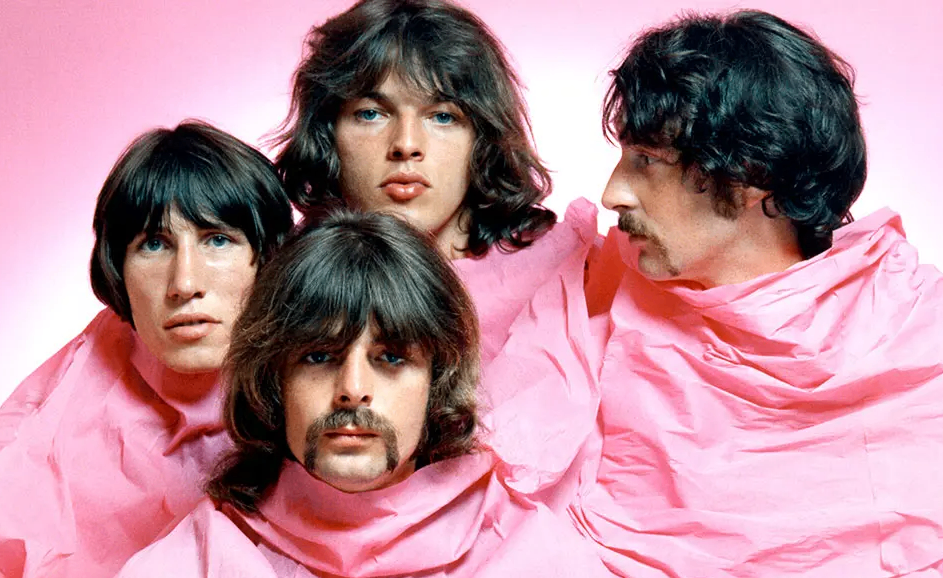
From psychedelic experimentation to sprawling progressive rock epics, Pink Floyd created a musical universe unlike any other. Their songs were never simply tracks on an album. They became immersive experiences filled with philosophical questions, emotional depth, haunting soundscapes, and unforgettable melodies. Across decades of innovation, the band transformed themes like isolation, war, madness, greed, and human connection into timeless works that continue to captivate generations of listeners. Whether through David Gilmour’s soaring guitar solos, Roger Waters’ introspective lyricism, or the group’s groundbreaking studio creativity, Pink Floyd consistently pushed rock music into new artistic territory. Their catalog contains some of the most influential and emotionally powerful recordings ever made, blending ambition with atmosphere in a way few bands could achieve. These songs represent the defining moments that turned Pink Floyd into one of the most legendary acts in music history.
1. Comfortably Numb
“Comfortably Numb” stands as one of Pink Floyd’s most majestic and emotionally devastating songs, a piece that feels less like a conventional rock track and more like a journey through detachment, memory, and inner collapse. The song is famous for the contrast between Roger Waters’ shadowy verses and David Gilmour’s soaring choruses, a dramatic vocal division that mirrors the split between numbness and feeling. Its atmosphere is cold, theatrical, and deeply human, capturing the sensation of being present in body while spiritually removed from the world around you. The lyrics suggest medical sedation, psychological withdrawal, and the fragile boundary between protection and surrender.
Musically, the song reaches legendary status through Gilmour’s guitar work. His solos are not merely impressive displays of technique. They sing, ache, and rise like emotions finally breaking through a wall of silence. Every note feels chosen with care, creating a tone that has become one of the most recognizable in rock history. The arrangement moves with grand patience, allowing the tension to build naturally. “Comfortably Numb” remains popular because it captures something universal: the frightening calm that arrives when pain becomes too much to feel directly. It is beautiful, unsettling, and unforgettable.
2. Wish You Were Here
“Wish You Were Here” is one of Pink Floyd’s most intimate masterpieces, a song built from absence, memory, and the ache of emotional distance. Its famous opening, with the sound of a radio tuned into a lonely acoustic guitar, immediately creates the feeling of someone reaching across a great void. When the full guitar part enters, it feels warm and familiar, almost like an old friend arriving after years away. The song is often associated with Syd Barrett, the band’s lost founding spirit, but its power extends far beyond one biographical connection. It speaks to anyone who has missed someone, questioned authenticity, or felt disconnected from the life unfolding around them.
The brilliance of the song lies in its simplicity. Pink Floyd were capable of enormous sonic architecture, but here they choose directness. David Gilmour’s vocal is tender without becoming sentimental, and the acoustic texture gives the song a campfire quality that makes it deeply approachable. Roger Waters’ lyrics ask whether people can truly tell the difference between freedom and confinement, truth and illusion, presence and absence. “Wish You Were Here” endures because it sounds personal yet universal, delicate yet enormous. It is a song of longing that never grows old because longing itself never disappears.
3. Another Brick in the Wall Part 2
“Another Brick in the Wall Part 2” is one of Pink Floyd’s most famous songs because it turned social criticism into an unforgettable anthem. Built on a sleek groove, a sharp guitar line, and a children’s choir that became instantly iconic, the track attacks rigid education systems, emotional repression, and institutional control. Roger Waters’ lyric is direct, memorable, and provocative, giving the song a chant like quality that made it resonate across generations. The phrase “we don’t need no education” became one of the most recognizable lines in rock music, not because it rejects learning itself, but because it challenges systems that crush individuality.
Musically, the song is unusually danceable for Pink Floyd, borrowing a rhythmic confidence that helped it cross into mainstream popularity without losing its conceptual weight. David Gilmour’s guitar solo adds bite and sophistication, giving the track a rock edge that balances the clean pulse of the arrangement. The children’s voices make the song feel both rebellious and unsettling, as if the very people being controlled have suddenly found a collective voice. “Another Brick in the Wall Part 2” became a global hit because it is catchy, theatrical, and politically charged. It remains one of the clearest examples of Pink Floyd turning a concept album moment into a cultural landmark.
4. Time
“Time” is one of Pink Floyd’s most profound meditations on mortality, regret, and the shocking speed with which life can slip away. The opening sound collage of clocks and alarms is not merely a clever studio effect. It is a wake up call, a sonic shock that throws the listener directly into the song’s central theme. Once the band enters, the music moves with a heavy, deliberate force, creating the sensation of time advancing no matter how much one tries to resist it. Roger Waters’ lyrics are among his most piercing, describing wasted youth, delayed ambition, and the painful realization that life has already begun passing by.
David Gilmour’s vocal delivery gives the song a weary authority, while Richard Wright’s contributions add emotional color and grace. The guitar solo is one of Gilmour’s finest, full of fire, sadness, and melodic control. It does not simply decorate the song. It expands the feeling of urgency and loss. “Time” remains popular because its message becomes more powerful as listeners grow older. What may sound philosophical at first can later feel brutally personal. Pink Floyd captured one of life’s most universal fears with extraordinary musical imagination, making “Time” not only a classic rock staple but also a deeply human warning.
5. Money
“Money” is one of Pink Floyd’s most recognizable songs, instantly identifiable from its cash register sound effects and its unusual rhythmic swagger. The track takes a cynical look at wealth, greed, luxury, and the corrupting appetite that surrounds financial power. Roger Waters’ lyrics are sharp and satirical, presenting money as both temptation and trap. Rather than preaching in a plain manner, the song uses wit, groove, and attitude to expose the absurdity of material obsession. Its famous bass line gives the track a cool, almost sinister confidence, making it one of the band’s most radio friendly yet intellectually pointed compositions.
The song’s popularity also comes from its musical sophistication. Its shifting meter gives it a strange lurching movement that feels natural despite its complexity. David Gilmour’s guitar solo brings bluesy heat and rock authority, while the saxophone solo adds a smoky, jazzy flavor that fits the song’s world of excess and indulgence. “Money” works because it is both accessible and unusual, both catchy and critical. It gave Pink Floyd one of their biggest commercial moments while still preserving their appetite for experimentation. Decades later, the song still feels relevant because the subject has not aged at all. Greed, status, and financial fantasy remain as powerful as ever.
6. Shine On You Crazy Diamond
“Shine On You Crazy Diamond” is one of Pink Floyd’s grandest and most emotionally charged achievements, a sprawling tribute that glows with beauty, grief, and remembrance. Written with Syd Barrett in mind, the song feels like a slow emergence from darkness into fragile light. Its opening is patient and atmospheric, allowing the music to drift before David Gilmour’s famous four note guitar phrase appears like a signal from another world. That phrase is one of the most haunting motifs in rock history, simple in shape yet enormous in emotional meaning. It suggests recognition, sorrow, and love all at once.
The song’s power lies in its sense of space. Pink Floyd allow silence, texture, and gradual development to carry the emotional burden. Richard Wright’s keyboards create a celestial backdrop, while the rhythm section enters with dignified restraint. Roger Waters’ lyrics address brilliance, loss, and the tragedy of a creative spirit consumed by forces too heavy to bear. “Shine On You Crazy Diamond” is popular not because it offers easy hooks, but because it creates an immersive emotional world. It is a monument of sound, memory, and mourning. Few songs in rock history have expressed admiration and heartbreak with such patience, grandeur, and grace.
7. Hey You
“Hey You” is one of Pink Floyd’s most powerful songs about isolation, desperation, and the human need for connection. The track opens with a quiet acoustic guitar and a voice calling outward, as if trying to reach someone beyond an invisible barrier. That sense of distance defines the entire song. It belongs to the emotional world of The Wall, yet it stands strongly on its own as a portrait of loneliness and psychological confinement. Roger Waters’ lyrics are direct and haunting, filled with images of walls, coldness, and pleading contact. The repeated address of “hey you” makes the song feel immediate, personal, and painfully human.
Musically, the song grows from fragile beauty into darker intensity. David Gilmour’s vocals bring tenderness and sorrow, while the later sections add weight and urgency. The bass, guitar, and drums gradually tighten the emotional pressure, giving the song a sense of being trapped inside its own plea. “Hey You” remains beloved because it captures the fear of separation in a way that feels both theatrical and deeply relatable. It is not simply a song about one character’s breakdown. It is about the terror of calling out and not knowing whether anyone can hear you.
8. Us and Them
“Us and Them” is one of Pink Floyd’s most elegant and sorrowful songs, a meditation on conflict, division, and the tragic ease with which people are separated into opposing sides. The music has a floating, spacious quality, shaped by Richard Wright’s beautiful keyboard chords and Dick Parry’s graceful saxophone lines. Its slow movement gives the song a dreamlike sadness, as if the listener is watching human history unfold from a great distance. Roger Waters’ lyrics are spare but devastating, examining war, social hierarchy, and the absurd logic that turns ordinary people into enemies.
The dynamic shifts are crucial to the song’s emotional force. Quiet passages draw the listener close, while the larger sections expand like waves of grief. David Gilmour’s vocal performance is calm and reflective, which makes the subject matter feel even more tragic. There is no shouting, no easy outrage, only a weary recognition that division has become part of the human pattern. “Us and Them” is popular because it combines beauty with moral seriousness. It is soothing and unsettling at the same time, a song that invites contemplation rather than spectacle. Pink Floyd created a piece that feels timeless because the divisions it describes continue to echo through every age.
9. Learning to Fly
“Learning to Fly” is one of Pink Floyd’s most memorable later period songs, filled with atmosphere, motion, and a sense of searching beyond familiar limits. Released after a major period of internal change for the band, the song carries symbolic weight. Its imagery of flight suggests risk, reinvention, uncertainty, and the desire to rise above personal and creative turbulence. David Gilmour’s vocal is smooth yet quietly determined, giving the song a reflective quality that balances its polished production. The arrangement is spacious and cinematic, with keyboards, guitars, and rhythm textures creating the sensation of open sky.
What makes the song endure is its emotional accessibility. While some Pink Floyd classics explore despair, alienation, or social critique, “Learning to Fly” feels more like a song about courage in the face of transition. It does not pretend that freedom is effortless. Instead, it presents movement as something uncertain but necessary. Gilmour’s guitar work adds warmth and lift, while the production captures the sleek atmosphere of its era without losing the band’s signature grandeur. The song became a major favorite because it gave Pink Floyd a renewed identity, one built on reflection, atmosphere, and the persistent need to keep moving forward.
10. Echoes
“Echoes” is one of Pink Floyd’s most ambitious and mesmerizing compositions, a vast musical voyage that helped define the band’s evolution from psychedelic explorers into masters of progressive rock atmosphere. The song begins with a single mysterious piano note that seems to ripple through empty space. From there, the band slowly constructs an immersive world of melody, texture, and cosmic tension. David Gilmour and Richard Wright share vocals that feel distant and serene, while the lyrics suggest communication, recognition, and the mysterious bonds between human beings. The song’s scale is enormous, yet its emotional center remains strangely intimate.
What makes “Echoes” extraordinary is its sense of organic development. It does not rush toward a conventional chorus or radio structure. Instead, it unfolds like a living landscape, moving through passages of beauty, tension, abstraction, and release. The instrumental middle section is especially famous for its eerie textures, showing Pink Floyd’s gift for turning experimentation into emotional drama. When the main theme returns, it feels transformed, as though the listener has traveled somewhere and come back changed. “Echoes” remains one of the band’s most admired works because it captures everything that made Pink Floyd singular: patience, imagination, sonic detail, and the ability to make rock music feel infinite.

Edward Tomlin is a frequent contributor to Singers Room. Since 2005, Singersroom has been the voice of R&B around the world. Connect with us via social media below.