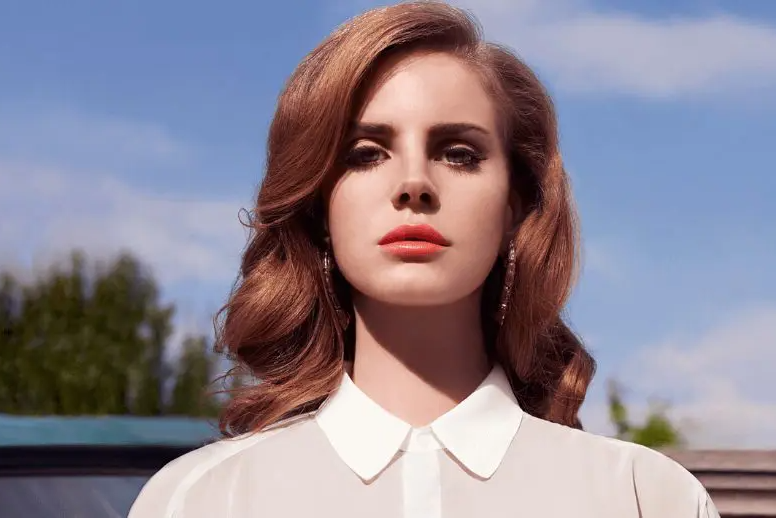
Dreamy, melancholic, cinematic, and endlessly mysterious, Lana Del Rey created a musical world unlike anyone else in modern pop. Blending vintage Hollywood glamour with haunting lyrics about love, heartbreak, fame, loneliness, and Americana, she transformed sad ballads and slow burning melodies into an unmistakable artistic signature. Her songs feel like faded postcards from another era, filled with desert highways, neon lights, tragic romance, and emotional vulnerability wrapped inside lush orchestral and atmospheric production. What makes Lana Del Rey so compelling is her ability to turn deeply personal emotions into vivid cinematic experiences that listeners can completely lose themselves in. Across her career, she has delivered unforgettable tracks that challenged mainstream pop conventions while building one of the most devoted fan bases in music. From hypnotic anthems to heartbreaking confessions, her biggest songs continue to define an entire mood, aesthetic, and generation of listeners.
1. Video Games
“Video Games” is the song that introduced Lana Del Rey’s world with haunting elegance, cinematic sadness, and a voice that sounded like it had drifted in from another century. The track is built on slow piano, sweeping strings, and an atmosphere so intimate that it feels less like a pop single and more like a private confession captured on film. From the first line, Lana creates a mood of devotion, longing, and quiet surrender. She sings about love in domestic images, leisure, beauty, and emotional dependence, but beneath the softness is a deep sense of melancholy.
What makes “Video Games” so powerful is how completely it rejects the usual pace of mainstream pop. It moves slowly, almost dreamily, allowing every phrase to hang in the air. Lana’s vocal delivery is low, rich, and mournful, giving the song a timeless quality. She sounds both glamorous and wounded, like someone telling a love story while already sensing its sadness. The production supports that feeling with orchestral grace, creating a sound that feels grand without losing intimacy.
“Video Games” became one of Lana Del Rey’s most popular songs because it established her entire artistic universe in one unforgettable moment. It gave listeners faded romance, vintage imagery, emotional vulnerability, and a kind of beauty that felt fragile but enormous. The song remains one of her defining works because it captures love as fantasy, memory, devotion, and heartbreak all at once.
2. Summertime Sadness
“Summertime Sadness” is one of Lana Del Rey’s most iconic songs because it turns seasonal beauty into emotional devastation. The title alone contains the magic of her songwriting: warmth and grief living side by side, sunlight carrying the weight of loss. The song is built around a slow, dramatic pulse, with Lana’s voice floating through the arrangement like a memory that refuses to fade. It sounds romantic, cinematic, and deeply tragic, giving the listener the feeling of watching a perfect summer evening collapse into heartbreak.
Lana’s performance is central to the song’s power. She sings with a mixture of softness and doom, making each lyric feel like a farewell whispered beneath a golden sky. The chorus is unforgettable because it is both simple and emotionally huge. It captures the strange sadness that can exist inside beautiful moments, the awareness that joy is temporary and that love can vanish even while everything around it looks radiant.
“Summertime Sadness” became a massive favorite because it has the shape of a pop anthem but the soul of a tragic ballad. It can work in a quiet room, during a late night drive, or in a festival crowd. Its appeal comes from that emotional duality. It is dreamy but wounded, glamorous but lonely, and instantly recognizable as Lana Del Rey at her most powerful. The song endures because it makes melancholy feel almost majestic.
3. Born to Die
“Born to Die” is one of Lana Del Rey’s grandest and most theatrical recordings, a song that turns doomed romance into something almost mythological. From the opening strings and heavy cinematic atmosphere, the track feels larger than ordinary heartbreak. It sounds like a palace filled with ghosts, glamour, and regret. Lana’s voice enters with calm sadness, carrying the emotional weight of someone who understands that love and destruction can sometimes arrive together.
The song’s lyric explores desire, loneliness, and the hunger to feel alive even when the future looks uncertain. Lana does not present romance as simple happiness. She presents it as danger, escape, obsession, and beauty wrapped into one complicated force. That emotional complexity is what makes “Born to Die” so central to her artistry. It captures the feeling of wanting something deeply even when it may not save you.
The production is lush and dramatic, blending orchestral elements with modern rhythm in a way that became a signature of her early sound. Every detail feels carefully staged, yet the sadness remains sincere. “Born to Die” became one of Lana Del Rey’s most popular songs because it introduced a fully formed aesthetic: tragic romance, vintage grandeur, cinematic atmosphere, and emotional fatalism. It is not just a song about love ending badly. It is a song about the beauty and danger of believing in love even when ruin feels inevitable.
4. Young and Beautiful
“Young and Beautiful” is one of Lana Del Rey’s most elegant and heartbreaking ballads, a song that asks whether love can survive beyond youth, glamour, and physical perfection. Written for a cinematic setting, it carries the atmosphere of a grand old romance, filled with wealth, beauty, insecurity, and the fear of being loved only for what fades. The arrangement is lush and restrained, allowing Lana’s voice to sit at the center like a candle burning in a dark room.
The emotional force of the song comes from its question. Lana does not simply celebrate beauty. She worries about what happens when beauty changes. Her vocal performance is tender, fragile, and deeply expressive, giving the lyric a vulnerability that feels almost sacred. She sings as someone who has been adored, admired, and desired, but still longs for a love that can see beyond the surface. That tension gives the song its remarkable depth.
“Young and Beautiful” became one of Lana Del Rey’s most beloved songs because it speaks to a universal fear in a beautifully specific way. It is about fame, romance, aging, devotion, and insecurity, all wrapped in a melody that feels timeless. The orchestral production gives it a classic quality, while Lana’s voice keeps it intimate and human. It remains one of her most popular songs because it captures the ache of wanting to be loved not only at one’s brightest, but through every version of the self.
5. West Coast
“West Coast” is one of Lana Del Rey’s most hypnotic songs, a sultry and unusual track that moves like smoke across a California shoreline. Its brilliance lies in its shifting tempo and atmosphere. Just when the listener expects a conventional chorus, the song slows down into a hazy, seductive drift, creating a feeling of emotional disorientation. It is pop music, rock music, dream music, and noir romance all at once.
Lana’s vocal performance is mesmerizing because she uses restraint as power. She sounds distant, intimate, cool, and consumed, often within the same phrase. The lyric evokes desire, music, fame, and West Coast mythology, but it never explains too much. Instead, it lets images accumulate: ocean air, nightlife, lovers, and the strange glamour of wanting something that may not be good for you. The song’s production, with its guitars and shadowy rhythm, gives it a darker edge than many of her earlier hits.
“West Coast” became a fan favorite because it shows Lana Del Rey taking creative risks while still remaining unmistakably herself. It does not chase an obvious radio formula. It trusts mood, texture, and atmosphere. That confidence makes the song endlessly compelling. It feels like a black and white film projected onto a beach at midnight, full of romance, danger, and quiet intoxication. Among her most popular songs, it stands as one of the clearest examples of her ability to make sound feel cinematic.
6. Doin’ Time
“Doin’ Time” is one of Lana Del Rey’s most effortlessly cool recordings, a cover that feels so natural in her catalog that it could easily be mistaken for one of her own original visions. Her interpretation transforms the song into a hazy summer dream filled with languid vocals, soft menace, and California atmosphere. Rather than simply recreating the original spirit, Lana bends it toward her own world of faded glamour, romantic unease, and sun drenched melancholy.
The production is smooth and relaxed, but there is tension underneath the surface. Lana’s voice glides through the melody with calm confidence, making the track feel sensual and slightly dangerous. She brings a dreamy detachment to the lyric, allowing the song’s themes of desire, frustration, and emotional imbalance to unfold with understated power. It is the kind of performance that reveals how much personality she can bring to material without overwhelming it.
“Doin’ Time” became one of her most popular songs because it introduced her sound to new listeners while satisfying longtime fans of her cinematic style. The song has a laid back groove that makes it instantly accessible, but her delivery gives it depth and atmosphere. It feels like heat rising from pavement, like a slow afternoon turning into trouble. Lana Del Rey’s version succeeds because it does what great covers should do: it honors the source while making the song feel reborn inside a completely different emotional landscape.
7. National Anthem
“National Anthem” is Lana Del Rey’s glittering portrait of wealth, romance, power, and American fantasy. The song blends hip hop influenced rhythm, orchestral drama, and pop grandeur into something that feels both seductive and critical. It is filled with images of money, luxury, devotion, and performance, but beneath the glamour is a sharp awareness of how desire can become tangled with status. Lana sings as both participant and observer, making the song feel like a love letter to excess and a warning about it at the same time.
Her vocal delivery is playful, cool, and theatrical. She moves between breathy intimacy and bold declaration, creating a character who understands the language of wealth and spectacle. The chorus is sweeping and memorable, turning the idea of a national anthem into a symbol for personal obsession and cultural myth. The song is not merely about romance. It is about how romance can be staged, sold, worshiped, and consumed.
The music video deepened the song’s legendary status by drawing from American iconography, celebrity tragedy, and historical glamour. Yet the song itself remains powerful because it captures a central Lana Del Rey theme: the beauty and emptiness of the dream. “National Anthem” remains one of her most popular songs because it is stylish, layered, and unforgettable. It turns luxury into sound, then lets the listener hear the sadness echoing behind the gold.
8. High by the Beach
“High by the Beach” is one of Lana Del Rey’s most quietly defiant songs, a track that pairs dreamy coastal imagery with emotional exhaustion and self protection. The production is slow, minimal, and atmospheric, allowing her voice to drift over the beat with a sense of cool detachment. On the surface, the song feels relaxed and sun faded, but the lyric reveals frustration, distance, and a desire to withdraw from chaos. It is escapism with a sharp edge.
Lana’s vocal performance is fascinating because she sounds calm while expressing deep weariness. She is not pleading or collapsing. She is removing herself from a situation that has drained her. That emotional posture gives the song its strength. The phrase “high by the beach” suggests haze and escape, but it also functions like a boundary. She wants peace, space, and freedom from emotional demands. The softness of the delivery makes the message even more cutting.
“High by the Beach” became one of Lana Del Rey’s popular songs because it captures a mood that many listeners recognize: the moment when sadness turns into detachment. The beach imagery gives the track beauty, but the emotional center is colder and more guarded. It is a song about retreat, survival, and refusing to perform pain for someone else. With its hypnotic beat and understated confidence, it remains one of her most distinctive singles.
9. Lust for Life
“Lust for Life” is one of Lana Del Rey’s most luminous songs, a rare moment in her catalog where darkness opens into something closer to hope. Featuring The Weeknd, the track creates a dreamy romantic atmosphere that feels suspended above the city lights. The production is smooth, spacious, and cinematic, blending soft rhythm with airy melodies and a sense of nocturnal glamour. It is still unmistakably Lana, but the mood is less fatalistic than some of her earlier work.
Lana’s voice pairs beautifully with The Weeknd’s, creating a duet that feels like two figures meeting inside a dream. Her tone is soft and hypnotic, while his adds a sleek, haunted brightness. Together they sing about desire, freedom, and the possibility of choosing life even after being surrounded by sadness. The title phrase carries special weight because it suggests renewal. In Lana’s universe, where romance often comes with doom, “Lust for Life” feels like a deliberate reach toward joy.
The song became popular because it offers a different shade of Lana Del Rey’s artistry. It is romantic without being completely tragic, glamorous without feeling empty, and hopeful without losing mystery. The image of lovers on the Hollywood sign captures the song’s blend of fantasy and danger perfectly. “Lust for Life” remains one of her standout songs because it shows that her cinematic melancholy can also contain light.
10. Brooklyn Baby
“Brooklyn Baby” is one of Lana Del Rey’s smartest and most quietly funny songs, a dreamy satire wrapped in soft rock beauty. The track floats on gentle guitars, hazy vocals, and a laid back rhythm that feels both vintage and self aware. Lana sings about artistic identity, youth culture, music taste, poetry, and coolness with a tone that is difficult to pin down. She sounds sincere and amused at the same time, which is exactly what makes the song so compelling.
The lyric plays with the image of the bohemian muse, the downtown intellectual, and the effortlessly stylish outsider. Lana references music, literature, and cultural attitude in a way that both inhabits and teases the persona. Her vocal delivery is delicate but knowing, allowing the listener to hear the irony beneath the beauty. That layered quality makes “Brooklyn Baby” stand out. It is not simply a pretty song. It is a character study, a cultural snapshot, and a sly performance of identity.
The production is warm and elegant, with a soft psychedelic glow that fits perfectly within the world of Ultraviolence. It has less obvious drama than some of her biggest ballads, but its charm is immense. “Brooklyn Baby” became one of Lana Del Rey’s most loved songs because it shows her wit, atmosphere, and melodic grace working together. It is cool, clever, romantic, and beautifully strange, a song that understands the art of turning persona into poetry.

Samuel Moore is a frequent contributor to Singers Room. Since 2005, Singersroom has been the voice of R&B around the world. Connect with us via social media below.