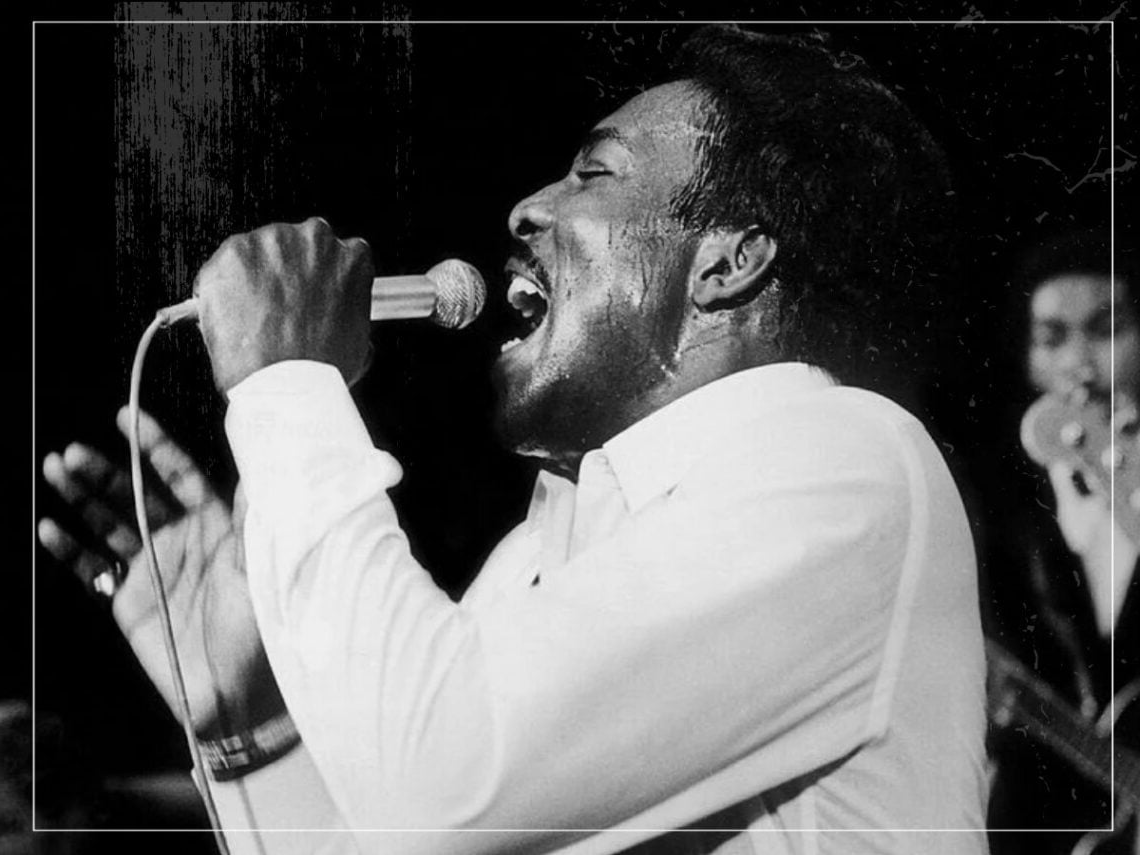
Few voices in soul music hit with the raw power and electrifying grit of Wilson Pickett. Known as the “Wicked” Pickett, he fused gospel intensity with deep Southern soul, delivering performances that felt less like recordings and more like explosions of pure feeling. From dancefloor igniters to slow burning grooves, his songs captured the heartbeat of an era while influencing generations of artists across genres. This collection dives into the most popular Wilson Pickett tracks of all time, spotlighting the records that defined his legacy and shook the foundations of rhythm and blues. Whether you are revisiting classics or discovering his catalog for the first time, these songs showcase a voice that demanded to be heard and refused to be forgotten.
1. In the Midnight Hour
“In the Midnight Hour” is the song that turned Wilson Pickett from a powerful soul contender into a permanent force in American music. Recorded at Stax in Memphis, the track has the feel of a room discovering fire in real time. The groove is tight, patient, and impossibly confident, built around a rhythmic pulse that does not rush because it knows exactly how strong it is. Pickett enters with that unmistakable rasp, sounding hungry, wounded, and electrified all at once. His vocal does not simply ride the beat. It leans into it, grabs it, and transforms it into pure desire.
What makes this song so enduring is its masterful control of tension. The lyric is simple, but the performance makes it feel enormous. Pickett is not just waiting for love. He is summoning it after dark, when the world gets quiet and emotion becomes harder to hide. Few soul records have ever made restraint feel so explosive. The horns punch with precision, the rhythm section moves with elegant muscle, and Pickett delivers every line as though midnight is not a time of day but a state of mind. It remains one of the definitive soul recordings of the sixties and one of the greatest showcases of his voice.
2. Mustang Sally
“Mustang Sally” is one of Wilson Pickett’s most recognizable songs, and its staying power comes from the way it turns a playful story into a full bodied soul performance. The song has become so familiar at parties, bars, dances, and live band sets that it can be easy to forget how sharp Pickett’s original recording truly is. His voice carries teasing humor, romantic frustration, and streetwise cool, giving the track a personality that lesser singers could never have supplied. He sounds amused, irritated, and completely in command.
The groove is wonderfully unhurried, yet it never feels lazy. It cruises like the car in the title, polished on the outside but powered by something loud and unruly underneath. Pickett uses space brilliantly, letting the famous refrain breathe before striking again with gritty emphasis. That is the magic of “Mustang Sally.” It is catchy enough for anyone to sing along with, but deep enough in feel to reward close listening. The song also shows his gift for turning character sketches into soul theater. Sally becomes more than a name. She becomes a symbol of independence, temptation, and the kind of romantic trouble that keeps rhythm and blues alive. Pickett’s version remains the one that defined the song for generations.
3. Land of 1000 Dances
“Land of 1000 Dances” is Wilson Pickett at maximum voltage, a record that feels less like a song and more like a dance floor detonation. From the famous vocal chant to the pounding rhythm, everything about the track is built for motion. Pickett does not merely sing it. He commands it like a preacher leading a revival where the only sermon is movement. His voice cuts through the arrangement with explosive authority, turning every shout into a spark.
The song’s genius lies in its communal energy. It names dances, celebrates bodies in motion, and creates the feeling of a crowded room responding to a single unstoppable pulse. Pickett’s performance is both wild and disciplined. He knows when to push, when to hold back, and when to let the band blast forward. It is one of the great party records in soul history because it never sounds manufactured. It sounds alive, sweaty, immediate, and joyous. The horns blaze, the drums stomp, and the vocal hook becomes almost impossible to resist. Even listeners who do not know every reference can understand the message instantly. Get up. Move. Join in. “Land of 1000 Dances” remains one of Pickett’s signature recordings because it captures the physical thrill of soul music in its purest form.
4. 634 5789
“634 5789” is one of Wilson Pickett’s smoothest and most inviting hits, a soul classic built around one of the most memorable phone numbers in popular music. The premise is wonderfully simple. If you need affection, comfort, or companionship, call this number. Yet Pickett turns that simple invitation into something warm, charming, and deeply musical. His vocal has grit, but it also has generosity. He sounds like the kind of singer who could shout down a room, then lean close and make a single phrase feel personal.
The arrangement is a masterclass in classic Southern soul economy. Nothing is wasted. The rhythm section keeps the groove steady, the horns answer with bright confidence, and Pickett sits in the center with relaxed authority. The song works because it feels both public and intimate. It has the punch of a hit single, but the spirit of someone speaking directly to one listener. Pickett’s phrasing gives the number a personality of its own, turning digits into a hook that has survived for decades. “634 5789” also shows how much elegance lived inside his rough edged style. He could roar with the best of them, but here he proves that soul power can also smile, wink, and welcome you in.
5. Funky Broadway
“Funky Broadway” is one of Wilson Pickett’s greatest groove records, a track that takes the language of soul and pushes it toward the funk explosion that would soon reshape popular music. The title alone promises attitude, but the performance delivers far more than a catchy phrase. Pickett sounds like he is walking through a city street where every storefront, every footstep, and every shout has rhythm. His vocal is raw, elastic, and wonderfully physical, making the word funky feel less like description and more like a command.
The song’s arrangement has a muscular snap that gives Pickett plenty of room to work. The horns jab, the bass digs in, and the drums keep the whole machine moving with relentless confidence. What separates this version from ordinary dance records is the sense of atmosphere. Pickett turns Broadway into a place of grit, style, sweat, and swagger. It is not theater in the polished sense. It is street theater, alive with motion and attitude. His voice has a serrated edge that makes every line crackle. “Funky Broadway” remains popular because it captures a turning point in soul, when rhythm and blues began leaning harder into groove, repetition, and bodily force. Pickett did not follow that movement. He helped drive it.
6. Don’t Let the Green Grass Fool You
“Don’t Let the Green Grass Fool You” is Wilson Pickett delivering romantic warning with irresistible bounce. The song is built around a classic soul idea: what looks tempting from a distance may not be better than what you already have. In lesser hands, the message could have sounded like simple pleading. Pickett makes it feel urgent, proud, and persuasive. He is not begging for love. He is making a case with the force of a man who knows his own worth.
The production is bright and rhythmically buoyant, giving the track a sunny surface that cleverly contrasts with the lyric’s cautionary heart. Pickett rides that contrast beautifully. His voice carries a smile, but there is steel underneath it. That mixture is what makes the record so effective. He can sound playful and serious in the same breath, which gives the song emotional texture beyond its catchy hook. The groove has a relaxed confidence, yet each vocal phrase lands with purpose. “Don’t Let the Green Grass Fool You” remains one of his most beloved later hits because it proves that Pickett did not lose his fire as soul music moved into a new decade. He adapted, absorbed fresh rhythmic colors, and still sounded unmistakably like himself. It is wise, funky, memorable, and full of personality.
7. Hey Jude
“Hey Jude” is one of Wilson Pickett’s most fascinating recordings because it takes a song already known around the world and rebuilds it from the inside with Southern soul intensity. Instead of treating the Beatles classic as delicate pop scripture, Pickett attacks it with gospel heat, blues feeling, and fearless vocal muscle. The result is not a copy. It is a transformation. He makes the song sweat, ache, and testify.
The recording is also legendary because of the guitar work associated with Duane Allman, whose expressive playing helps give the track its burning edge. Yet the center of gravity is always Pickett. His voice brings a grown man’s urgency to the lyric, making encouragement sound like survival advice. When the performance opens up, it becomes almost overwhelming, a collision of rock, soul, and gospel feeling that refuses to sit quietly in any single category. That is why Pickett’s “Hey Jude” remains so admired by musicians and soul devotees. It shows how a great interpreter can reveal new emotional weather inside a familiar song. Pickett does not merely sing the melody. He wrestles with it, lifts it, and sends it toward the rafters. It is bold, intense, and proof that his artistry could turn even the most famous material into something unmistakably his own.
8. I’m a Midnight Mover
“I’m a Midnight Mover” captures Wilson Pickett in a sleek, dangerous, and irresistibly cool mode. The title sounds like a declaration of identity, and Pickett delivers it that way. He is not simply describing late night motion. He is presenting himself as a creature of rhythm, desire, and instinct. The groove is lean and stylish, with enough swing to make the track glide and enough bite to keep it grounded in hard soul grit.
Pickett’s vocal performance is a marvel of controlled swagger. He does not need to overstate the mood because the confidence is already built into his tone. Every phrase suggests movement after dark, secret meetings, restless energy, and the kind of soul charisma that cannot be taught. The song works because Pickett sounds completely at home in its nocturnal atmosphere. He brings heat without clutter, attitude without empty posing, and sensuality without losing the rhythmic discipline that made his best records so strong. The band locks into a groove that feels polished but not softened, giving him the perfect frame. “I’m a Midnight Mover” remains one of his essential performances because it distills so many parts of his appeal into one compact burst: danger, rhythm, charm, grit, and that unmistakable voice pushing through the night.
9. Ninety Nine and One Half Won’t Do
“Ninety Nine and One Half Won’t Do” is one of Wilson Pickett’s great gospel rooted soul statements, a song built on the idea that partial commitment is not enough. The message is direct, but Pickett gives it enormous emotional force. He sings as though he has carried the phrase from church into the soul studio, preserving its spiritual urgency while charging it with secular fire. The result is a recording that feels both sacred and earthy, disciplined and explosive.
Pickett’s performance is all about demand. He wants everything, not a fraction, not a gesture, not a polite attempt. That intensity gives the song its lasting power. When he insists that ninety nine and one half will not do, it sounds like a life philosophy. The band supports him with crisp, driving energy, letting the groove build without overwhelming the vocal. Pickett’s phrasing is especially impressive, full of little pushes, growls, and lifted notes that reveal how deeply he understood gospel dynamics. He knew how to start with a simple line and raise the emotional temperature until it felt like a revelation. The song remains popular with soul fans because it captures Pickett’s roots and his genius at the same time. It is raw devotion turned into rhythm, a plea and a command fused into one unforgettable performance.
10. Everybody Needs Somebody to Love
“Everybody Needs Somebody to Love” gives Wilson Pickett a perfect platform for one of soul music’s most universal messages. The song had already lived several lives through different performers, but Pickett brings his own brand of urgency, turning the familiar sentiment into a full throttle declaration. His version is not gentle background music for romance. It is a call to human connection, delivered with sweat, grit, and unmistakable conviction.
The beauty of the song is that its theme is simple enough for anyone to understand, yet Pickett makes it feel freshly necessary. He sings as though love is not a luxury or a poetic idea, but a basic human requirement. The arrangement moves with classic soul momentum, giving him room to shout, plead, and testify. Pickett’s genius was his ability to make a crowd pleasing song feel personally urgent. He could take a phrase that seemed obvious and fill it with hunger, humor, and emotional weight. The track’s popularity reflects that rare balance. It can ignite a party, but it also carries a deeper truth about loneliness and longing. “Everybody Needs Somebody to Love” remains one of his most enduring recordings because it captures the communal spirit of soul music: one voice rising up, asking everyone in the room to recognize themselves in the feeling.

Samuel Moore is a frequent contributor to Singers Room. Since 2005, Singersroom has been the voice of R&B around the world. Connect with us via social media below.