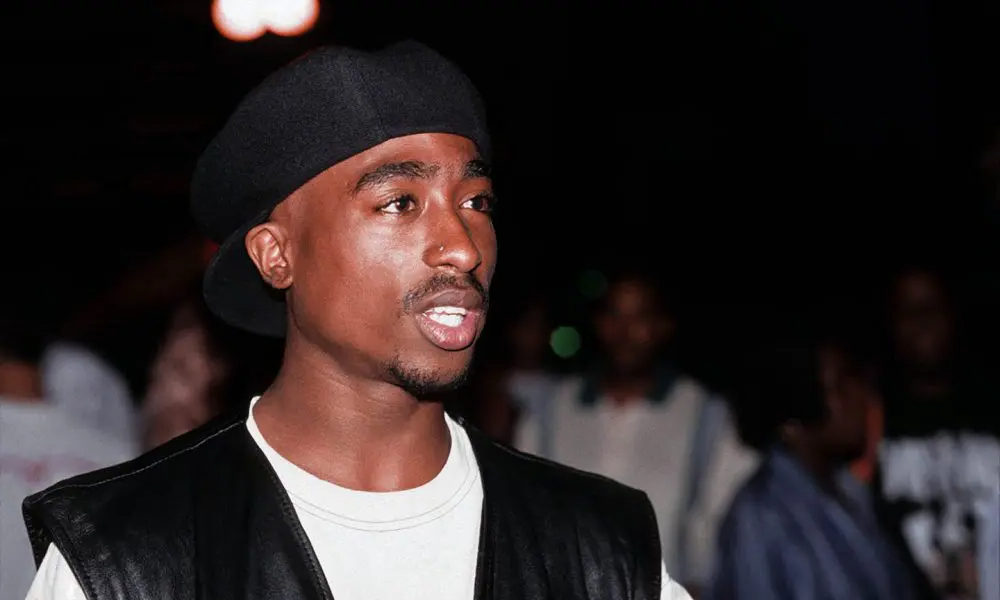
Few artists have left a mark on music and culture as powerful as Tupac Shakur. Blending raw emotion, poetic storytelling, and fearless social commentary, 2Pac’s catalog transcends hip-hop, capturing the struggles, dreams, and contradictions of a generation. From hard-hitting anthems to introspective reflections, his songs continue to resonate decades after their release. This collection explores the most popular 2Pac tracks of all time—records that not only dominated charts but also shaped the sound and spirit of rap music. Whether you’re revisiting timeless classics or discovering his work for the first time, these songs reveal why 2Pac remains one of the most influential voices in music history.
1. Changes
“Changes” remains one of 2Pac’s most enduring songs because it feels less like a single and more like a public confession set to music. Built around a soulful piano figure and a haunting vocal lift, the track captures Tupac at his most observant, troubled, and prophetic. What makes it extraordinary is the way he balances personal exhaustion with social criticism, moving from poverty to racism to police brutality to the emotional weight of simply surviving. He is not preaching from a distance. He sounds as though he is standing in the middle of the storm, reporting what he sees with the urgency of someone who knows time is short.
The song’s popularity has only grown because its message never became dated. That is the unsettling power of “Changes.” It speaks to the early nineties, yet it also speaks to today with almost painful clarity. Tupac’s delivery is controlled but wounded, sharp but deeply human. He does not offer easy answers. Instead, he gives listeners a mirror, asking them to recognize the cycles that keep repeating. As a piece of rap history, it is essential. As a cultural document, it is even bigger.
2. California Love
“California Love” is the sound of a superstar stepping into the brightest spotlight imaginable and completely owning it. Released during one of the most explosive eras in West Coast hip hop, the song is pure celebration, a sun soaked anthem that turns regional pride into global spectacle. With Dr. Dre’s muscular production, Roger Troutman’s unmistakable talk box magic, and 2Pac’s roaring entrance, the record feels cinematic from the first seconds. It is not merely a party song. It is a coronation.
What makes Tupac’s performance so magnetic is the force of arrival in his voice. He sounds newly unleashed, energized by freedom, fame, danger, and ambition all at once. The beat has a futuristic funk bounce, but 2Pac makes it feel personal, transforming California into a living myth of lowriders, nightlife, street royalty, and restless dreams. Few rap singles have ever sounded this instantly iconic. Its hook is massive, its groove is irresistible, and its presence in popular culture is almost impossible to measure. For many listeners, “California Love” is the first 2Pac song that comes to mind, not because it is his most vulnerable, but because it captures his charisma at full voltage. It remains one of the great victory laps in hip hop history.
3. Dear Mama
“Dear Mama” is one of the rare rap songs that can stop a room with tenderness. 2Pac was often celebrated for his fury, defiance, and revolutionary edge, yet this song shows another side of his genius. Here, he becomes a son first, stripping away myth and bravado to honor the woman who raised him through struggle, instability, addiction, poverty, and pain. The song works because it never turns Afeni Shakur into a simple saint. Tupac acknowledges hardship honestly, but his love is bigger than resentment. That emotional complexity gives the record its lasting strength.
The production is warm and reflective, giving his words space to breathe. Tupac’s voice carries gratitude, sorrow, memory, and regret in equal measure. He understands that survival often comes from imperfect people doing their best under impossible pressure. That insight is what makes “Dear Mama” timeless. It is not just a tribute to one mother. It became a universal anthem for families shaped by sacrifice. The song’s popularity endures because it touches listeners who may not know Tupac’s exact circumstances but understand the feeling of loving someone who held life together when everything seemed ready to fall apart. It is one of his most graceful and emotionally complete recordings.
4. Hit Em Up
“Hit Em Up” is one of the most notorious diss tracks ever recorded, a record so ferocious that it still feels dangerous decades later. It captures 2Pac in attack mode, weaponizing charisma, anger, theater, and personal grievance with almost frightening intensity. From the opening moment, there is no attempt at subtlety. This is confrontation as performance art, a scorched earth statement that helped define the mythology of rap rivalry in the nineties.
What makes the song so popular is not only the controversy surrounding it, but the sheer force of Tupac’s presence. He raps as though the microphone is an enemy witness, pushing every line with volcanic conviction. The track is raw, messy, brutal, and unforgettable. It is not a song that asks to be admired politely. It demands a reaction. The Outlawz add to the atmosphere, but the gravitational pull is unmistakably Tupac. He understood drama, timing, and emotional escalation better than almost anyone in rap, and “Hit Em Up” proves it in extreme form. For better and worse, the song became a landmark in hip hop combat, a record that fans still discuss, quote, debate, and revisit as one of the most explosive moments in 2Pac’s catalog.
5. Ambitionz Az a Ridah
“Ambitionz Az a Ridah” opens with the feeling of a prison gate bursting wide and a legend walking out larger than life. As the first track on All Eyez on Me, it needed to make a statement, and it does so with ruthless precision. The beat is lean, sinister, and hypnotic, giving Tupac the perfect runway for one of his most commanding performances. He sounds untouchable, not because he is calm, but because his energy is so focused that it becomes almost cinematic.
This song is one of the clearest examples of Tupac turning paranoia into propulsion. Every line feels charged by surveillance, enemies, desire, and survival. He is not simply boasting. He is building a character out of pressure, fame, fear, and refusal. The result is one of the great opening tracks in rap history. Its popularity comes from that instant adrenaline rush, the sense that listeners are being pulled into the center of Tupac’s world at full speed. The song also shows how effective he could be when he simplified his attack. The hook is blunt, the rhythm is relentless, and the attitude is unmistakable. “Ambitionz Az a Ridah” remains essential because it captures 2Pac as both outlaw and author of his own myth.
6. Hail Mary
“Hail Mary” is one of 2Pac’s darkest and most hypnotic recordings, a song that feels less like a radio single and more like a message sent from a shadowed spiritual battlefield. Released under the Makaveli identity, it carries a colder atmosphere than much of his earlier work. The production is spare and ominous, giving the track a ritual quality. Tupac’s voice enters with a chilling calm, and that restraint makes the song even more powerful. He is not shouting for attention. He sounds like someone already beyond ordinary fear.
The brilliance of “Hail Mary” lies in its blend of street fatalism, religious imagery, and psychological unease. Tupac uses prayer language not as comfort, but as a dramatic frame for betrayal, mortality, and vengeance. It is one of the clearest windows into the late period intensity that surrounded his final recordings. The song’s popularity has grown because it feels mysterious and monumental, almost like a final transmission from an artist aware of his own legend forming in real time. Every phrase seems heavy with consequence. Even the pauses feel haunted. For fans who admire Tupac’s prophetic aura, “Hail Mary” stands as one of the defining works, a stark and unforgettable portrait of a man wrestling with destiny.
7. Keep Ya Head Up
“Keep Ya Head Up” is one of 2Pac’s most compassionate songs, and its lasting popularity proves how much range he truly had. Before he became fixed in popular memory as a symbol of rebellion and conflict, Tupac was also a deeply sensitive writer who could speak directly to pain without sounding sentimental. This song is aimed especially at women enduring disrespect, poverty, abuse, and emotional exhaustion, but its message reaches far beyond one audience. It is a record about dignity.
The production gives the track a gentle, soulful lift, allowing Tupac’s words to feel both intimate and public. He raps with urgency, but also with care, as though he is trying to protect the listener through language. That protective quality is what makes the song so beloved. He recognizes suffering without romanticizing it. He criticizes social conditions while still offering encouragement. The balance is difficult, yet Tupac makes it feel natural because his empathy is direct and unpolished. “Keep Ya Head Up” also stands as evidence that socially conscious rap could be melodic, accessible, and emotionally rich without losing its edge. Decades later, it remains one of his most healing records, a reminder that 2Pac’s power was not only in rage, but also in tenderness.
8. How Do U Want It
“How Do U Want It” shows 2Pac in full commercial command, delivering a sleek, seductive, and supremely confident single that dominated radio while still carrying his unmistakable attitude. Featuring K Ci and JoJo on the hook, the song blends smooth R and B polish with Tupac’s rough edged charisma. That contrast is the secret to its appeal. The chorus glides, the beat rides effortlessly, and Tupac cuts through it all with a voice that sounds playful, hungry, and completely self assured.
Although it is often remembered as one of his most sensual hits, the record also contains the sharp flashes of social commentary that made Tupac impossible to reduce to one lane. He could turn a club track into a platform for personality, politics, celebrity frustration, and street bravado without making the song feel crowded. That was one of his rare gifts. He understood how to make a hit record move, but he also knew how to leave fingerprints all over it. “How Do U Want It” remains popular because it captures the blockbuster side of 2Pac, the artist who could compete with anyone on the charts while keeping his identity fully intact. It is stylish, bold, and effortlessly memorable.
9. Do For Love
“Do For Love” is one of 2Pac’s most addictive posthumous hits, a song that turns romantic confusion into something bright, melodic, and deeply relatable. Built around a smooth, instantly recognizable groove, the record highlights Tupac’s ability to examine relationships with both honesty and frustration. He is not pretending to be innocent, nor is he simply blaming the other person. Instead, he captures the circular nature of love when attraction, pride, betrayal, and attachment keep pulling two people back together.
The charm of the song comes from its balance. It is light enough to feel breezy, but the writing carries real emotional bruising. Tupac sounds reflective rather than defeated, caught between knowing better and still wanting what hurts him. That emotional contradiction is exactly why listeners return to it. The animated video also helped give the song a distinctive identity, making it stand apart from the heavier visual language often associated with his catalog. “Do For Love” proves that Tupac could make relationship songs without softening his voice or simplifying his thoughts. He approached romance the same way he approached the streets, with suspicion, hunger, vulnerability, and restless analysis. Its popularity endures because nearly everyone understands the question beneath the song: how far will a person go for love, even after love has already cost them peace?
10. Ghetto Gospel
“Ghetto Gospel” became one of 2Pac’s most widely recognized songs because it frames his voice as both wounded testimony and moral appeal. Released after his death, the track pairs Tupac’s reflective verses with a soaring Elton John sample, creating a dramatic contrast between street level pain and almost hymn like uplift. The result is one of the most accessible entries in his catalog, yet it never feels shallow. The song carries the weight of a man trying to make sense of violence, poverty, spiritual hunger, and the search for redemption.
Tupac’s writing here is direct and searching. He sounds weary of chaos, but not resigned to it. That tension gives the record its emotional force. “Ghetto Gospel” works because it lets Tupac become both witness and warning. He speaks from inside the struggle, yet he is also looking above it, reaching for a moral clarity that the world around him rarely provides. The production gives the track a grand, almost elegiac quality, which helped introduce his message to audiences who may not have known the full depth of his work. Its popularity is easy to understand. The song feels like a prayer for broken neighborhoods, lost youth, and anyone trying to find light in a place built to deny it.

Samuel Moore is a frequent contributor to Singers Room. Since 2005, Singersroom has been the voice of R&B around the world. Connect with us via social media below.