
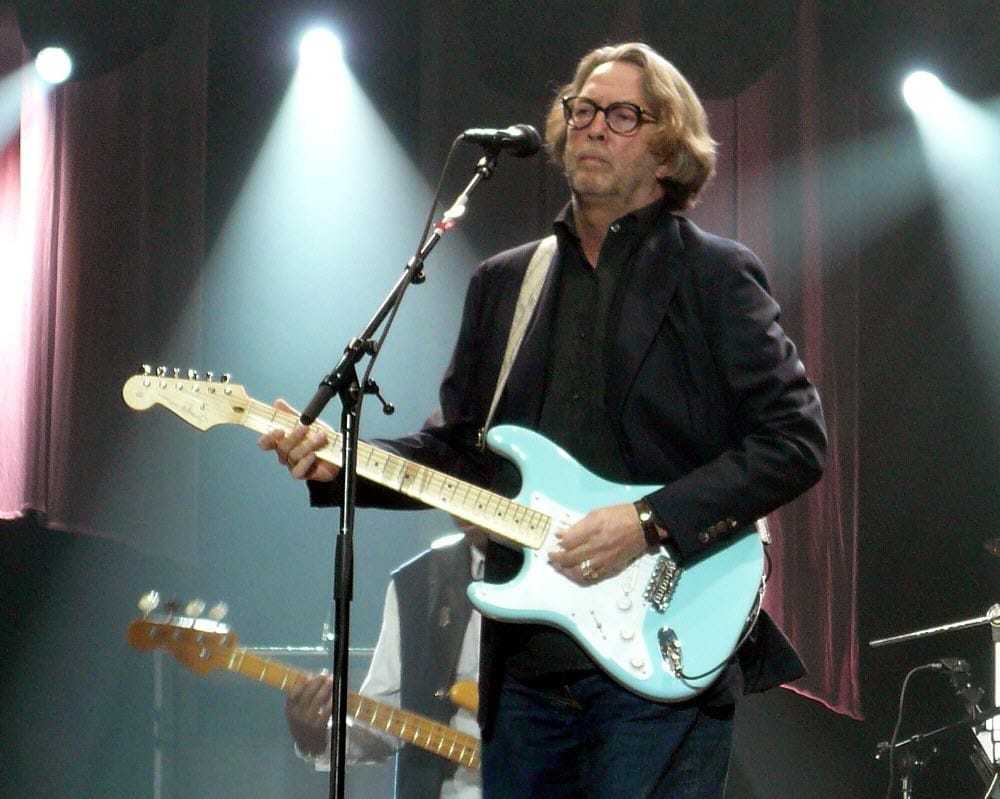
Some guitarists chase speed. Eric Clapton turns time into feeling. A single bend carries a whole paragraph of memory. A clean phrase drifts like smoke, then a sudden burst shows teeth. Through blues, pop, acoustic intimacy, and arena sized charge, his voice and guitar keep choosing melody over fuss. Collaborators frame him with piano glow, organ grit, and rhythm sections that breathe like living animals. The great trick is poise. Even when the room gets loud, he aims for the center of the song, not the mirror. These ten staples trace tenderness, trouble, courage, and craft, each one a master class in less saying more.
1. Layla.
Layla in the Unplugged setting turns a myth into a conversation you can hold in your hands. The original was tempest and steel, a roar from a corner of the heart that wanted everything at once. Here the tempo breathes and the rhythm swings. Acoustic guitars clip and glide, the bass walks like a friend keeping pace, and the drums use brushes that sound like steady wind. Clapton’s vocal moves closer, lighter, more wry, which lets the lyric reveal tenderness that the earlier storm could only suggest. The famous riff becomes a bright figure that bounces rather than bites. When the chorus arrives the harmony opens like blinds and the room warms. Solos are little sketches instead of long speeches, each one a line of thought that never forgets where the melody lives. The coda is not a grand separate movement now, more a gentle drift where piano and guitar trade small kindnesses. This version proves that a song can survive radical change when the bones are true. It is not a rewrite from fear. It is a new truth from the same map. The feeling remains obsession, only now it wears patience and grace.
2. Tears in Heaven.
Tears in Heaven lives on hush and breath. An acoustic figure repeats like the gentle pace of someone remembering, and the chords step in a way that seems to gather courage with every turn. Clapton sings close to the microphone with a tone that does not perform grief so much as carry it. The melody uses small rises and falls to ask plain questions without dressing them in symmetry. That is part of why it hurts. You feel a father asking and not expecting an answer. The supporting players honor that space. Soft percussion lifts without intruding. Piano and light strings arrive like dusk through a window, and then fade so the voice can stand alone again. The chorus does not seek volume. It seeks clarity. The title line lands with a steady hand, then releases. A short instrumental break lets the guitar speak in the same soft language as the voice. No flash, only tone and shape. By the final refrain you sense that singing is not cure but a way to keep breathing. This recording remains a touchstone because it refuses spectacle. It gives sorrow a room and invites the listener to sit with it, with kindness.
3. Wonderful Tonight.
Wonderful Tonight is intimacy arranged for a crowd. The chord progression is simple and generous, a gentle sway that puts the lyric right at the center. Electric guitar paints small glass toned phrases between lines, never stealing focus from the story. Clapton sings in an everyday voice, the grain just rough enough to keep sweetness from turning sticky. The verses feel like snapshots from a single evening, but the way he paces the lines turns the moments into a larger promise. The chorus opens in a bright circle that anyone can sing, which is why it belongs at weddings and quiet late drives in equal measure. Listen to the restraint. The band resists the urge to inflate. Bass places round notes that support without calling attention, and the drums whisper the backbeat so that each return to the hook feels like a smile. A short solo tells the same tale as the lyric, lyrical and direct. Nothing here is about bravado. It is about gratitude. The magic is the voice saying thank you without pretending to be poetic, and the music answering with warmth. The result is a love song that respects the room it is in.
4. Cocaine.
Cocaine works because the groove refuses to rush. The riff is stone simple and all the better for it, a low walking figure that leaves space for the snare to snap and the bass to breathe. Clapton’s vocal keeps a dry, almost sardonic tone, which turns the lyric into commentary on the temptation rather than a cartoon of it. What truly sells the record is the guitar talk. He plays behind the beat with the patience of a storyteller who knows the ending and will not jump. Each note has weight and tail, and he uses vibrato like a human voice, never as a trick. The chorus is chant ready, yet the track never becomes a chant. It keeps shifting its shade through small choices in attack and touch. Breaks arrive on time, the rhythm section tightens, then relaxes, then tightens again, a living thing. The tune can be read a dozen ways and often is, but the performance gives enough distance to let the listener decide. It is a clinic in how to make a heavy subject swing without glamor. The pocket is king, the phrasing is sly, and the message rides inside the motion.
5. I Shot the Sheriff.
I Shot the Sheriff lets a British blues master plant his feet in Jamaican time and do it with respect. The backbeat sits in the right place, a fraction behind where rock often lands, and that feel is everything. Bass carries the melody as much as the guitar, which gives the vocal more room to float. Clapton sings with a quick flick at the end of lines that nods to the song’s origins while staying true to his own sound. The arrangement is careful and alive. Guitar chops answer the beat like shutters opening and closing. Organ paints soft colors in the gaps. When the chorus arrives it is a lift without a shout, a collective line you can sing at a sidewalk table or in an arena. The solo shows restraint. He respects the form and uses blues language in short phrases that answer the rhythm rather than overpower it. The story at the center remains complicated, and the performance honors that by avoiding moral pose. It keeps to groove, tone, and voice. The result is a crossover that still feels grounded, a meeting of traditions that puts the song first.
6. Change the World.
Change the World is modern pop soul built on gentleness. Acoustic guitar carries a lilting pattern, bass writes a supportive countermelody, and the drums tick with soft intention. Clapton’s vocal sits in a relaxed zone where sincerity does not sound like strain. He phrases with a light touch, letting the lyric’s simple wish breathe. The chorus is the kind that seems to have existed before anyone wrote it. It rises just enough to lift the heart, then sets it down with care. Harmony voices wrap the lead in warm cloth, and small keyboard colors give the edges shimmer. The bridge takes a brief turn toward dream, then returns to the theme with more glow. This is not a guitar showcase, and that choice is part of its charm. The short solo is melodic and to the point, as if the instrument were simply another way to sing. The record became a standard because it offers hope without sermon, romance without sugar. It believes that kindness can feel big and that a soft groove can carry a room. By the fade you are not dazzled. You are steadied, which may be the deeper magic.
7. Lay Down Sally.
Lay Down Sally brings Tulsa swing into a cheerful English room. The beat moves with an easy two step, the bass hums a friendly line, and guitar parts chatter like good conversation around a kitchen table. Clapton sings with a grin in the corners, a little conversational rasp that keeps everything human. The verses keep to small phrases, then the chorus opens like a door to the yard. Backing voices answer with easy grace. The charm lies in the band’s touch. Nobody hurries. Nobody drags. The pocket is loose and sure, which lets the guitar fills land like little jokes and invitations. A short solo quotes the melody and then steps away, discipline in service of fun. Lyrically it is a plea to stay in the warm part of the night, and the performance believes it. You hear patience rather than pressure, friendliness rather than swagger. The track is a reminder that virtuosity can smile. It does not need to flex to keep the floor moving. It simply invites, and the feet obey. This is comfort music that still glitters, a master player choosing feel over fireworks and winning easily.
8. Bell Bottom Blues.
Bell Bottom Blues is a letter written at two in the morning and sung at noon. The chords are classic longing, the rhythm unhurried, and the melody climbs in slow steps that make each plea feel earned. Clapton’s voice blends grain with light, and he shapes lines so that the vowels seem to swell with memory. Guitar answers like a partner in the same room, small phrases rising and falling in sympathy. The chorus is one of the most beautiful in his world. It does not explode. It opens into a wide field where the title floats with sorrow and pride in the same breath. Harmony voices arrive like a promise that someone heard him. The solo is lyrical, not a sprint, and it keeps the song’s sadness in view even as the tone shines. You can hear why this has become a favorite for listeners who want both ache and mercy. The writing admits weakness without drama. The arrangement respects silence. The ending leaves space for the mind to keep singing the line after the record stops. It is a tender monument to the ways love can bruise and still be honored.
9. Sunshine of Your Love.
Sunshine of Your Love remains one of the great riffs in electric music, a thick descending figure that seems to exist in the air even when the speakers are off. The band that made it famous moved as a triangle. Jack Bruce’s bass and voice carried bold color, Ginger Baker played drums like a whole parade squeezed into one person, and Clapton answered with a guitar tone that growled and sang at once. The verse sits on that giant figure and lets the lyric ride inside it, then the chorus widens into a chant. The solo is not about speed. It is about sound. Clapton uses sustain, bends, and placement to make a short journey feel large. The rhythm section keeps moving and the guitar keeps replying, a true conversation rather than a spotlight solo. The record endures because it balances heaviness with tune. You can hum it. You can stomp to it. You can study the touch and the phrasing for days. Many bands tried to get this thick yet this clear. Few did. It is a blueprint for power that remembers melody and for melody that does not fear weight.
10. Crossroads.
Crossroads is the meeting place of tradition and nerve. The song begins as Robert Johnson’s stark prayer, and Clapton’s many versions treat that source with real respect while bringing a modern band’s energy. In this Royal Albert Hall performance the tempo is brisk and bright, and the rhythm section lays a road that never wavers. Clapton’s vocal rides on top with punch and a hint of smoke. Then the guitar speaks. His first chorus sets the vocabulary. Short phrases, clean attack, and a sense of swing that keeps blues lines dancing instead of dragging. The second pass stretches out a little, still tied to the tune. He avoids empty flurry, aiming for sentences rather than syllables. What makes it thrilling is balance. The band surrounds him with pulse and air, and he answers with focus. The lyric tells of bargaining at a midnight place. The playing replies with daylight confidence that does not erase the shadow. By the last chorus voice and guitar have told the same story two ways and arrived at the same truth. This is heritage made present tense, and proof that style and soul can run at the same speed.

David Morrison is a frequent contributor to Singers Room. Since 2005, Singersroom has been the voice of R&B around the world. Connect with us via social media below.