
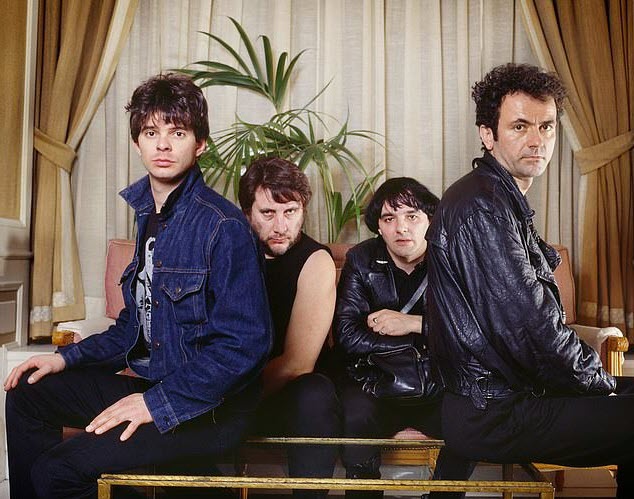
Some bands play at urgency. The Stranglers made urgency feel elegant. Jean Jacques Burnel’s bass growled like a motorbike at idle, then launched like a racing cat. Dave Greenfield’s keyboards stitched baroque lines through alleyway riffs. Hugh Cornwell’s vocal turned cool observation into stagecraft, while Jet Black’s drums moved like a very precise storm. The result was a sound that could be abrasive and beautiful in the same minute. These ten essentials show how menace can grin, how pop can carry grit, and how a group can evolve without sanding off its crooked charm. Turn it up and let the pulse do the talking.
1. Golden Brown
The miracle of Golden Brown is how a tune so hypnotic can walk with such odd footing. That lilting harpsichord figure glides in measured steps, while the rhythm shifts between feels that should jar yet somehow soothe. Dave Greenfield’s keys do more than decorate. They carry the melody like a lantern through a narrow street, each turn revealing a fresh shade. Jean Jacques Burnel keeps the bass almost conversational, placing round notes that cuddle the keyboard pattern rather than argue with it. Hugh Cornwell’s vocal arrives with a calm that suggests a story told from a slight distance. The words feel like postcards from a trance: sensory, suggestive, never pinned down. That is part of the magnetism. The band refuses to explain the picture. Instead they frame it with velvet tension. Listen for the way the drums feather the snare while the cymbals whisper across the bar. Tiny shakers flicker at the edge of the image like light on water. When the chorus lands the harmony opens a touch, not with bombast but with a subtle widening that makes the title phrase glow. This is the Stranglers at their most mysteriously precise: austere, sensual, and unforgettable.
2. No More Heroes
A bass that snarls, an organ that slices, a guitar that jabs like a street debater. No More Heroes compresses that energy into a chant you can shout in a club and still hear new corners each time. Burnel’s line is the driver, a bulldozer groove that never loses focus. Greenfield threads knife bright runs between the cracks, not as soloist but as commentator, raising an eyebrow at every turn. Hugh Cornwell sings with amused bite, tossing literary and cultural references as if thumbing through a dog eared notebook while the band barrels forward. Jet Black keeps the kit rigid and springy at once, the kick drum policing the front door while the snare snaps like a rubber band. The genius is how the arrangement leaves air in the chorus. There is space around the title that lets the words ring beyond the bar line, which is why crowds love to belt it. The middle section leans into keyboard color before the riff reclaims the room, a reminder that this band could rotate the spotlight without blurring the picture. It is protest as pop, wit as weapon, and a master class in how to turn oomph into architecture.
3. Peaches
With Peaches the Stranglers perfected the prowling strut. Burnel’s bass does not simply mark time. It writes a second melody, thick and rubbery, that drags the ear along the promenade. Jet Black keeps a lean stomp, cymbals held on a leash so the groove stays humid rather than splashy. Dave Greenfield answers with organ stabs and sly curls, adding comic menace at the bar ends. Hugh Cornwell narrates in a drawl that mixes satire and desire, a bored flaneur who knows he is being ridiculous and enjoys the role anyway. The track’s brilliance is placement. Every element sits with surgical balance. The guitars do not crowd the low end. The keys never over talk the vocal. The beat breathes in slow focus, and the lyric rides that space like a lazy wave. When the chorus lifts, the melody refuses to oversell, which only makes the hook more addictive. You hear British seaside, you hear city steam, you hear a band that understands restraint as a kind of swagger. It is a postcard that winks while it tells the truth about lust, boredom, heat, and the pleasure of a riff that refuses to hurry.
4. Always The Sun
Always The Sun is proof that this band could shine without losing edge. The acoustic shimmer at the top sets a gentle orbit, then Greenfield’s keys widen the sky with patient chords. Cornwell sings from the middle of his range, where his tone can carry warmth without losing that knowing curl. Burnel tucks the bass under the melody like a moving hammock, round and supportive. Jet Black chooses lift over shove, making the drum part feel like a steady walk in clear air. The lyric speaks in plain language about dignity and renewal, which is why it lands across so many rooms and seasons. The chorus opens like blinds across a window, light falling on a face that needed it. What keeps the song from drifting into softness is craft. The band lays small counter lines in the corners, little guitar glints, a keyboard ripple, a hi hat promise, so the sweetness never turns syrupy. The final refrains stack voices in a glow that feels earned. You can hear an older group of alley cats looking up and smiling, choosing grace without abandoning the sly grin. A gentle anthem that still walks with Stranglers poise.
5. Skin Deep
Built on a sleek pulse and a melody that glides, Skin Deep finds the Stranglers exploring tenderness with a detective’s eye. The verse phrasing is clipped and watchful, Cornwell leaning into consonants as if testing the truth of each word. The chorus blooms into a sighing arc, and Greenfield’s keyboard voicings put soft light around the title phrase. Burnel’s bass remains the anchor, but here it behaves more like a dancer than a fighter, stepping around the kick drum with feline grace. Jet Black holds the center with careful accents that make every return to the hook feel inevitable. The lyric is a caution and a caress at once. It asks the listener to look past surfaces without turning moralist. That balance is handled with characteristic Stranglers wit. Texture meets suspicion, romance meets raised eyebrow, and the band’s chemistry keeps everything in place. A short instrumental break paints in cool tones, then the final choruses arrive with more glow rather than more volume. This is the group’s knack for proportion at full power, an elegant single that shows how adult pop can carry intelligence, sweetness, and sly muscle in the same three minutes.
6. Strange Little Girl
A fairytale told with black coffee on the table, Strange Little Girl drifts in on a lullaby keyboard figure and a bass that pats the floor rather than pounding it. Cornwell sings almost under the breath at first, sketching a small portrait that becomes larger because the band refuses to crowd it. Greenfield’s keys are the quiet hero, working a waltz like sway into the corners while organ colors ease the transitions. Burnel lays a melodic undercurrent that mirrors the vocal line, which is why the song feels so seamless. The chorus does not explode. It softens, like a light moving across the face of a character in a film. Lyrically it reads like a fable where the streets are real and the moral remains elusive. The group’s restraint is everything. You can hear them holding back the urge to break into swagger, allowing the storytelling to keep the frame. The final minute adds the smallest lift and then lets the picture fade rather than slam shut. It is a reminder that this band’s toughness always had a poet’s heart, and that empathy sounds better when played with quiet hands.
7. Something Better Change
From the first bars, Something Better Change behaves like a march that learned to dance. Burnel’s bass is a piston, relentless yet musical, driving the floor toward the chorus. Jet Black snaps every snare like a headline. Greenfield threads a bright counter figure that turns agitation into melody. Cornwell delivers the lyric with clipped insistence that somehow never collapses into rant. The hook works because it is chant ready and still tuneful, the kind of line you can imagine chalked on a wall and also sung in a car with the windows open. The middle eight adds a sly turn that resets the ears, then the main figure returns with extra spark. The recording carries grit without mud, which is the Stranglers advantage in their first seasons. The rhythm section sounds like a disciplined argument. The keys sound like neon in rain. Guitar finds edges without hogging the view. It is a protest record that understands the pleasure principle. You move first, then you nod at the words, then you hit repeat because the blend of purpose and punch feels so right.
8. Nice ’n’ Sleazy
Bass like liquid asphalt, drums like tight rope steps, keyboards like flick knives that wink in the streetlight. Nice ’n’ Sleazy slides rather than sprints. Burnel writes one of his signature low lines here, a figure that threatens and seduces at once. Jet Black’s pattern is all control, leaving deliberate gaps that make the groove feel more dangerous. Greenfield decorates the edges with lean phrases that sound like private jokes. Cornwell sings the verses as if reading a diary that was never meant for daylight, then opens his throat just a little wider for the title line. The mix puts the bass forward, which colors the whole picture with noir heat. What makes the track addictive is motion. Nothing stays still, yet nothing rushes. The band paces itself like a cat circling a chair. Small drum fills appear like glances across a crowded room. The middle section bows to atmosphere before the riff reclaims the alley. It is a study in controlled mood, a reminder that swagger can be elegant and that menace can be playful. Put it on and the room leans forward without anyone telling it to.
9. Hanging Around
Hanging Around sounds like a camera moving through a block of shared lives. The verse chords plant their feet, then Greenfield draws quick wires of keyboard across the frame. Burnel’s bass chews on the root notes with that familiar snarl, but he threads little tails into the ends of phrases that keep the ear alert. Jet Black keeps the beat brisk and a touch ragged in the best way, as if the drums themselves were impatient to get to the next corner. Cornwell sings portraits with wry sympathy and a little sting. The chorus is a release valve that also feels like a shrug. We keep returning to the same streets, the same faces, the same room, and somehow the music makes that repetition feel like home and warning at once. The bridge tightens the screws then drops you back into the main figure with a grin. What lingers is the sense of place. You can smell the stairwell and hear the door buzzers. Few groups could bottle squalor and charm together without reaching for cliche. This one did, and they did it with hooks that stick like posters on brick.
10. Duchess
A regal melody in a leather jacket, Duchess pairs chiming guitar and prancing keys with a rhythm section that keeps the parade moving. The verse line is pure ear candy, Cornwell shaping the syllables so the consonants bounce just ahead of the beat. Greenfield’s parts are a master class in pop embroidery, edging each section with little turns that never pull your eye from the main picture. Burnel locks the low end with proud economy, leaving just enough space for the snare to sparkle. The chorus lifts like bunting across a street, and the return to the opening figure after the break feels like a small triumph. Lyrically it dances between satire and affection, addressing a figure who might be aristocrat, muse, or modern myth. The band treats that ambiguity as a playground, balancing muscle and smile. The production is bright without becoming brittle, proof that the Stranglers could write a tune that belonged on big radio while keeping their signatures intact. It is the sound of a group widening the circle, letting more light in, and still sounding exactly like themselves. A jewel in a catalog that loved rough edges and polish in equal measure.

David Morrison is a frequent contributor to Singers Room. Since 2005, Singersroom has been the voice of R&B around the world. Connect with us via social media below.









