
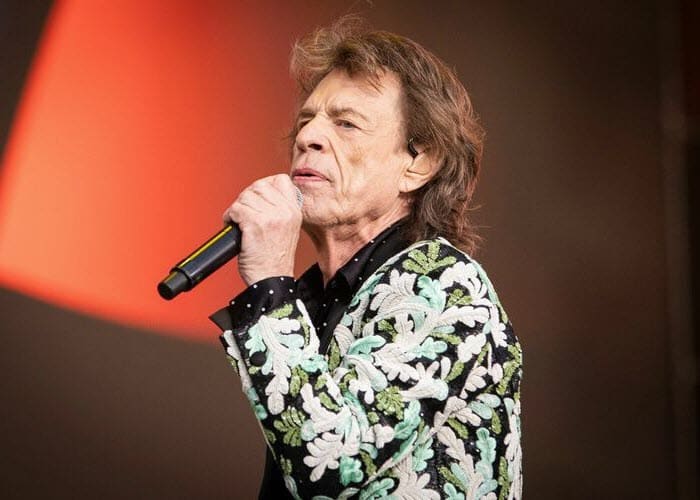
Swagger with a scholar’s curiosity. That is Mick Jagger when he moves under his own name. The voice that marched the Rolling Stones through continents also invented sleek solo worlds where dance grooves, glam attitude, and global textures share the same room. He can purr, bite, and suddenly reach for tenderness without ever losing the grin in his phrasing. The bass lines are lithe, the guitars clean and cutting, the drums clipped like good shoes on a city pavement. These ten staples span glittering eighties singles, richly arranged nineties statements, sharp modern missives, and one legendary duet. Turn them up and let nerve meet finesse.
1. Dancing In The Street
A riot of color set to a Motown standard, this duet with David Bowie became a global celebration and a time capsule of mid eighties pop theater. The magic begins before a word is sung. Percussion patterns flicker like camera flashes and a bright guitar slice invites movement. Jagger answers Bowie’s first lines with that sly, elastic diction, trading phrases like two ringmasters who know the tent is theirs. What could have been mere charity single utility turns into a master class in charisma as arrangement. Horns punch through the chorus with neon clarity, while the rhythm section keeps a springy pocket that suggests street parade more than studio grid. Jagger’s ad libs are surgical. He stretches a vowel here, barks a quick aside there, pushing the energy without crowding the melody. The video became legend because it captured two stars inventing mischief in real time, but the record works even without the visuals. It carries grit, gloss, and the generosity of two distinctive voices learning how to share a spotlight. You hear joy that is not naive and commitment that is not stiff. Beneath the caper is a lesson in timing, blend, and the power of unashamed fun.
2. Just Another Night
The first solo hit arrives like a confident stroll into new territory. The guitars are knife bright and the bass walks with a dancer’s patience, while the drum machine snaps the groove into crisp focus. Jagger leans into the lyric with romantic bravado that folds into self awareness. He is both the swaggering narrator and the guy who knows morning comes quickly. The chorus is simple and lethal, a shape you can hum after one listen, delivered with the kind of offhand precision that feels casual only because the singer is in complete control. Listen for the little melodic feints in the verses, those half step sighs that turn attitude into character. The bridge widens the corridor with synth color and a brief harmonic turn, then the hook strides back in, larger than before. Production keeps air in the mix so the vocal grain can cut through. You can hear the room around the snare, the light slap of the bass strings, the guitar harmonics fizzing at the edges. It is a sleek record that still smells like a band, not an exercise. As an opening statement, it says everything. Mick Jagger can command a pop cityscape and make his weather.
3. Let’s Work
A workout chant disguised as a pop single, Let’s Work charges forward on choppy guitars, aerobic handclaps, and an engine room that never eases off the gas. Jagger tosses imperatives with a grin rather than a scold, making labor sound like liberation through motion. The hook is plain on purpose, built for big rooms and quick conversion. What elevates the track beyond its slogan is the arrangement’s sense of play. Sharp horn stabs arrive like friendly elbows. Backing vocals answer the leader like a bustling crew. The bass does more than mark the root, sketching little walking figures that give the verses bounce. Jagger’s phrasing is pure theater in street clothes. He pops consonants for rhythmic effect, then eases into a longer note so the melody does not feel boxed in. Midway through, a short breakdown gives the drums space to strut, then the full band slams back into the refrain with renewed charge. Heard now, the single reads as a snapshot of late eighties optimism where fitness culture and workplace grit collided on the radio. It remains a potent shot of forward motion, proof that a chant can be musical when the voice leading it knows exactly when to wink.
4. Lucky In Love
Here is sleek romance tracked with a gambler’s heartbeat. A syncopated guitar figure flickers under the verses while the bass writes its own supple melody, pulling the harmony forward with quiet insistence. Jagger narrates in the first person like a man who enjoys risk and wants you to know he understands the odds. The lyric is full of card table metaphors, yet the delivery stays human and light. He does not sermonize about fortune. He smirks at it, then opens the chorus into a clean pledge. The hook works because it rises without strain and lands with the confidence of a sure bet. Keyboards glaze the skyline, and percussion details tick in the corners like a roulette wheel settling. The guitar solo favors taste over fireworks, answering the vocal’s suavely drawn lines rather than trying to steal the scene. In the final minute, ad libs and backing parts stack just enough to feel like a room gathering close. The single rides the border between pop gloss and rock bite, and it does so with the ease of a singer who knows exactly how much pressure to apply. Lucky In Love is high style with a human grin, an ode to calculated desire.
5. Don’t Tear Me Up
A wounded ballad that refuses self pity, Don’t Tear Me Up finds Jagger measuring consequences over a slow rolling groove. The rhythm section moves like a thoughtful walk at dusk, drums steady and unshowy, bass tracing a spare countermelody. Guitar lines spark and fade in the margins, each phrase chosen rather than tossed. Jagger’s vocal sits close to the microphone so the grain of his voice can carry bruised resolve. He asks for mercy without pleading, a balance that only works when the singer trusts the lyric. The chorus opens like a weathered door and the title line arrives with a mixture of command and vulnerability. Strings appear in gentle swells that color the backdrop rather than gild it. The bridge shifts the light for a moment and he stretches into a higher reach, then returns to ground with a calmer tone. It is a master class in dynamic control, more about how long to hold a word than how loudly to spike it. The final refrains build by inches until the band and the voice feel like one body breathing. This is adult pop craft where apology, boundary, and longing share the same sentence, all delivered with measured fire.
6. Sweet Thing
Sweet Thing is late night sparkle rendered as song. The groove is plush, built from a bass line that glides rather than thumps and a drum feel that places each hit with nightclub poise. Clean electric guitars draw small arcs of light around the edges, while Hammond touches add warmth to the center. Jagger sings with urbane charm, more crooner than shouter, his consonants softened just enough to sound like conversation at a corner table. The verses move through city scenes and private promises, then the chorus floats up with a melody that smiles without boasting. There is glamour here, but it is the kind that comes from confidence, not costume. The arrangement lets sections breathe. A brief instrumental shimmer arrives like a couple turning on the sidewalk to look at a skyline, then the vocal returns, closer than before. Backing voices are deployed with restraint, a ribbon rather than a blanket. The final minute adds a little grit to the guitar and a little grain to the singing, just enough to imply secrets revealed and laughter shared. Sweet Thing is the sound of romance with good posture, a reminder that elegance can still feel warm, and that ease is its own kind of power.
7. God Gave Me Everything
A riff driven jolt with Lenny Kravitz lending muscle, God Gave Me Everything hits like bright daylight. The main guitar figure is a hook on its own, taut and insistent, and the drums sit high in the mix so every snare crack feels like a slap of cold water. Jagger rides the groove with a preacher’s cadence tuned for a rock room. He lists evidence for joy with quick strokes, each line snapping back to the mantra of the title. The chorus is a chant that turns gratitude into electricity. Kravitz’s production sense favors punch and space, so the track stays lean even when the room gets loud. Guitars layer without mud and the bass keeps a tight path so the vocal can spring forward. A short solo arrives like a sparkler, bright and brief, then the hook returns with more weight. What might read as simple on paper lands as a kinetic invitation. It is faith as motion, mindfulness as volume knob, and celebration without apology. The record also shows how comfortably Jagger can lock into a contemporary rock texture while sounding like himself. The result is exultant and disarmingly direct, perfect for open windows and fast walks.
8. Gotta Get A Grip
Urgent and street bright, Gotta Get A Grip is modern Jagger staring down chaos with rhythm as shield. The beat is skeletal yet heavy, kick and toms building a martial march while clipped percussion details tick like restless thoughts. A rubbery bass figure threads the center and the guitar is all texture, a scrape here, a short stab there. Jagger delivers short lines with a reporter’s cadence, piling images of confusion and noise, then steps into a chorus that tightens the fist. The hook lands because it sounds like instruction to self rather than slogan to crowd. Electronic touches hum at the edges and the mix leaves a wide lane for the voice, which lets the grain of age become part of the authority. Midway through, a break strips the track down to drum and chant, then the full arrangement slams back in with extra urgency. It is protest music built for city sidewalks, intent on movement rather than grand gesture. The production is contemporary without trend chasing, and the writing proves Jagger still hears the street under the headlines. By the fade, the mantra has become habit. That is the point. Hold steady, carry on, keep the feet moving.
9. Memo From Turner
A mood piece that turned into a cult classic, Memo From Turner comes from the film Performance and plays like a postcard from a gilded underworld. The groove is slinky, drums and bass stalking rather than striding, while slide guitar lines curl like smoke signals. Jagger inhabits the character of Turner with actorly relish, a whisper that suddenly sharpens into a hard smile. The lyric is full of decadent rooms and codes of power, yet the delivery never turns purple. He lets the images do the work and the band paints the edges with sly color. The chorus is not a lift so much as a narrowing of the eyes, a small hook that draws you deeper into the setting. What gives the record its lasting pull is tone. Blues vocabulary is present, but it is refracted through cinema and wit. You feel the weight of history and the thrill of performance colliding in three saved minutes. Slide guitar phrases answer the voice like barbed compliments. Small percussive rattles keep the air unsettled. The whole thing glows like a late scene in a private club where secrets are currency. It is Jagger the storyteller at full power, cool and dangerous.
10. Old Habits Die Hard
From the film Alfie, this ballad with Dave Stewart shows Jagger in reflective light, trading swagger for rueful wisdom. Piano and acoustic guitar sketch the outline of a regret that will not quite release its hold. The rhythm section is discreet, a soft pulse that lets the vocal shape the room. Jagger sings in the middle of his range where the lived in grain reads clearly, and he phrases like a man turning a photograph in his hands. The chorus is a simple admission that gathers force by being plain. Old habits do not vanish on command, and love tugs at routines that were supposed to be retired. Strings lift the second verse gently, and harmony parts bloom in the final refrains, adding a glow that feels earned rather than applied. There is craft in every choice. The melody does not overreach. The bridge tightens the harmony for a breath, then resolves with a small smile. It is a grown song for grown listeners, respectful of the stubborn patterns that trail us and hopeful about the light that can still get in. Jagger proves once more that he can whisper as persuasively as he can shout, an architect of hard won tenderness.

David Morrison is a frequent contributor to Singers Room. Since 2005, Singersroom has been the voice of R&B around the world. Connect with us via social media below.









