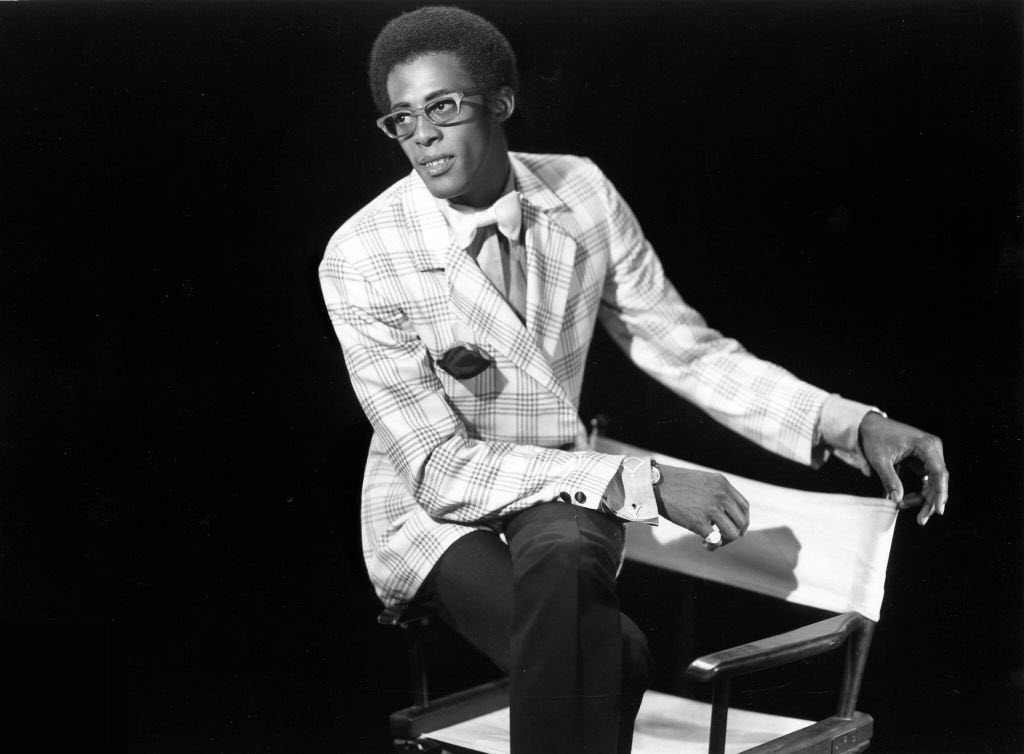
David Ruffin sang like a man lighting a match in the dark and hoping the flame would last. That grain in his tenor carried velvet and gravel in equal measure, able to plead like a faithful friend and roar like a storm rolling over water. Whether inside the tight choreography of Motown grandeur or standing alone in solo confession, he brought a storyteller’s poise and a preacher’s urgency. The arrangements sparkled, the Funk Brothers moved like one instrument, and above it all rose a voice that could turn a simple phrase into memory. Settle in and let these ten essentials glow again.
1. My Girl
The first thing you notice is how calm the groove is. That bass line does not rush, it strolls, and the guitar figure feels like sunlight on a window. Into that serenity steps a voice that carries both youth and wisdom. David Ruffin phrases the opening line as if he is telling you something you already know yet need to hear again. He leans forward on the rhyme words, then lets the vowels bloom so the melody can float. The Temptations stack harmonies like silk, never crowding, always cushioning. Strings enter with a soft halo, and the arrangement expands without losing the sense of air around every instrument. The beauty of this recording is the quiet confidence. Nothing is forced. He sings about abundance as if gratitude has given him perfect pitch. Listen to the small choices that sell the feeling. A tiny lift before the title phrase. A smile you can hear in the second verse. Drums that resist flash so the pulse can feel like a heartbeat. The lyric is deceptively simple, which is why the delivery matters so much. He turns familiar words into a promise that lives in the body. Decades later it still feels like a room filling with warm light.
2. Aint Too Proud to Beg
Here is the other side of love’s coin. Pride is put in its place and the rhythm section becomes a kind of truth serum. The track jumps from the first bar, tambourine bright and drums crisp, with guitars that jab in short phrases. Ruffin steps in with urgency but never panic. He has a way of making insistence sound musical rather than frantic. The verses march in clean couplets, then the chorus lifts like a hand raised high. The magic is how the band and the singer trade energy. When he digs into a word, the horns answer. When he relaxes a beat, the snare puts a spine back in the line. Those Temptations harmonies are not window dressing, they are a second voice of the same heart, echoing and amplifying the plea. What keeps the record evergreen is the clarity of its design. Every element serves the hook and the hook serves the emotion. There is humor in the posture too. He knows begging is not elegant, but he is too honest to pretend. That combination of candor and craft is why the tune still lights up dance floors and earbuds alike. It is the sound of someone choosing love over posture and winning by sheer conviction.
3. I Wish It Would Rain
This is heartbreak painted in water and sky. The arrangement moves with careful patience, the piano sketching a gentle figure while the drums place soft steps, as if trying not to wake a sleeping house. When David Ruffin enters, the grain in his voice feels like weather on old wood. He does not overplay the sorrow. He lets it show up line by line, a man trying to keep his posture while the ground shifts. The lyric asks the heavens for cover so tears can pass unnoticed, and the band gives that image a frame you can almost touch. Strings whisper, the bass walks with dignity, and the backing voices offer a tender echo that never turns syrupy. The brilliance lies in the measure. Every swell is earned. Each repetition adds weight without shouting. Ruffin lands on key words with a kind of soft hammer, then backs away so the echo can do its work. You can hear the studio discipline that Motown prized, but you can also hear the ache of a particular man on a particular day. By the time the final chorus fades, the request for rain has become a prayer for privacy and a hope for healing. It is as human as soul music gets.
4. Beauty Is Only Skin Deep
A philosophy lesson disguised as a pop gem, this cut moves with a smile and a little shoulder roll. The groove is spring loaded, guitar and tambourine working in polite tandem while the bass outlines the dance floor. David’s vocal sits right at the front edge of the beat, which gives the verses a sense of forward lean. He is not lecturing. He is confiding, and that conversational tone makes the message land. The Temptations stitch harmonies that sparkle in the corners, and the horns sketch bright exclamation points without stealing focus. What lifts the performance is the interplay between grit and gentleness. Ruffin lets a touch of rasp underline the key phrase, then rounds his tone on the next line so the warmth arrives behind the wisdom. It is a master class in control. The structure is a model of Motown craft. Tight verses, a chorus that turns on a single memorable idea, a bridge that opens the window for a moment then ushers you back into the party. The pleasure here is not only in what is said, but in how perfectly the music proves it. Depth is the real glow, and this record delivers depth with hooks that feel inevitable from the first listen.
5. I Could Never Love Another After Loving You
The title is a vow that sounds like it was carved into a tree, and the performance honors that permanence. The track begins with a solemn lift, strings and rhythm aligning like a curtain draw. Ruffin enters with a weight that feels earned, his timbre darker than on the brighter hits, his phrasing slower to exhale. The lyric is full devotion joined to finality, and he treats it like a sworn statement. What keeps the song from becoming heavy is the grace in the arrangement. The drums stay unshowy, the bass moves in measured arcs, and the guitar adds small glints that keep the surface alive. Harmony parts arrive like close friends backing up your memory of what was promised. The beauty lies in the restraint. Instead of grandstanding, the singer leans into tiny emphases that make common words feel like new coin. Even the ornamental strings behave like a conscience, reminding rather than dressing up. This was the closing chapter of an era for a lineup that had found a special chemistry, and you can hear that sense of last light in the way the final chorus carries itself. It is the sound of commitment captured on tape, brave and vulnerable at once.
6. I Know Im Losing You
Here the rhythm stalks. The opening figure is all warning, bass and drums circling while guitar flicks little sparks that suggest trouble in the near distance. David Ruffin rides the top of that tension with a voice that has steel in it. He is not pleading yet, he is reporting, and the report is not good. The lyric lists small changes that add up to a reckoning, and he hangs each observation on a hook sharp enough to draw a little blood. The Temptations answer like witnesses asked to confirm the story, their parts tightening the screws each time the chorus lands. The production keeps the edges clean so the menace stays musical. Horns stab, then disappear. The groove never lets up. There is a middle section where the band opens the door just a crack, only to slam it back with more force than before. The brilliance is how alive it all feels. Ruffin finds a way to be both narrator and participant, and when his tone cracks a little on a word, the room chills. This is the dance floor as courtroom, with the verdict carried by a backbeat you cannot ignore. By the end, nobody doubts the diagnosis.
7. Since I Lost My Baby
If longing could wear a tailored suit and still let you see the bruise underneath, it would sound like this. The tempo is an elegant walk, strings and horns floating above a rhythm section that knows exactly how to measure sorrow without turning maudlin. Ruffin sings in phrases that seem polished at the edges and frayed in the middle. He catalogs good things in the world as a way of making the absence feel starker, a device that a lesser singer might turn into theater. He turns it into truth. The harmonies are gentle handkerchiefs offered at just the right moments. Guitars tick and shimmer with taste, and the bass traces countermelodies that give the verses quiet lift. What makes the record endure is its balance. The beauty of the arrangement never hides the ache in the story, and the ache never overwhelms the beauty. This is Motown as chamber music for the city, crafted to carry on radios and in living rooms, yet built with detail that rewards close listening. By the last line you feel the narrator standing in a crowded street where everything looks the same but nothing fits like it did. It is smooth and it is sad and it is perfect.
8. My Whole World Ended The Moment You Left Me
A solo debut that arrives like a curtain opening on a new stage, this record gives David Ruffin a wide frame and he fills it with a voice that trembles and towers in the same breath. The introduction is a small theater of strings and percussion, a prelude that sets an ache before a single word is sung. Then he steps in and names the disaster. The phrasing is daring in its intimacy. He will whisper on one syllable and then lift on the next so the pain can show its full color. The rhythm section keeps the floor steady, letting the emotional weather turn overhead without losing the center. Orchestration is generous but smart, adding flutes and horns that sketch feeling without crowding the lead. The lyric sounds like it came out of a sleepless night at the kitchen table, and the performance honors that rawness. He never turns the wound into spectacle. He tells it like a man who wants to live through the next hour. The result is cinematic soul that still feels personal. As an opening statement for a solo chapter, it is both announcement and confession, and it shows why his name belongs on any short list of the era’s defining voices.
9. Walk Away From Love
Here is a different kind of courage. The beat steps lightly, with percussion details that sparkle and a bass line that glides rather than stomps. Strings lift the corners of the room and a rhythm guitar adds graceful punctuation. Over that elegant motion David delivers a lyric that refuses to be trapped. He knows what staying would cost and he names it without anger. The line readings are exquisite. He allows little catches of breath to signal doubt, then firms the tone on the title phrase so resolve becomes music. You can hear the producer’s love of polish, yet the polish never smothers the man at the microphone. The chorus functions like a mantra that gets stronger with each pass, and the ad libs in the final minutes feel like a conversation with himself that has reached a peaceful conclusion. This is late night soul for anyone who has learned that leaving can be an act of care. The record became a standard for good reason. It unites dance floor grace with adult feeling, and it does so with clarity. Put it on quietly and it sounds like wisdom. Turn it up and it becomes a smooth arrow toward morning.
10. Common Man
The charm of this track is how proudly it wears everyday clothes while shining like polished wood. The groove has an easy pulse, crisp drums and warm bass moving in patient steps, while keyboards place soft colors at the edges. David Ruffin sings about working hands and simple joys without a hint of condescension. He shapes each line so it lands like talk between neighbors on a stoop. The arrangement keeps that neighborhood feeling alive. Horns do not blare, they nod. Background voices do not overwhelm, they wave you in. There is a short instrumental space where the band stretches just enough to remind you that craft is a kind of love. What gives the performance staying power is the way it honors dignity. The singer is not aiming for grandiosity. He is building a house out of plain words and steady melody, and then he invites you inside. The chorus is one of those phrases that can be sung softly while you fry eggs or loudly with friends on a porch. It is music for living, which is rarer than it sounds. The cut closes with a glow rather than a roar, and that choice feels exactly right. Real life shines brightest when treated with respect.

David Morrison is a frequent contributor to Singers Room. Since 2005, Singersroom has been the voice of R&B around the world. Connect with us via social media below.