The trumpet has long been a beacon of brilliance in the world of music, its bright notes cutting through the air with an unmistakable clarity and power. From the smoky jazz clubs of New Orleans to the grand orchestras of Europe, trumpet players have captivated audiences with their extraordinary talent and artistry. This article takes you on a thrilling journey through the lives and legacies of the top 15 trumpet players of all time.
Prepare to be inspired as we explore the groundbreaking contributions of these musical icons, each of whom has defined what it means to master the trumpet. Whether it’s the soulful improvisations of Louis Armstrong, the electrifying solos of Miles Davis, or the virtuosic flair of Wynton Marsalis, these musicians have not only shaped the sound of jazz and classical music but have also influenced generations of artists across genres.
Join us as we celebrate their remarkable achievements, uncover their unique styles, and discover how their passion for the trumpet has left an indelible mark on the music world. Get ready for a crescendo of talent, innovation, and unforgettable melodies!
1. Louis Armstrong
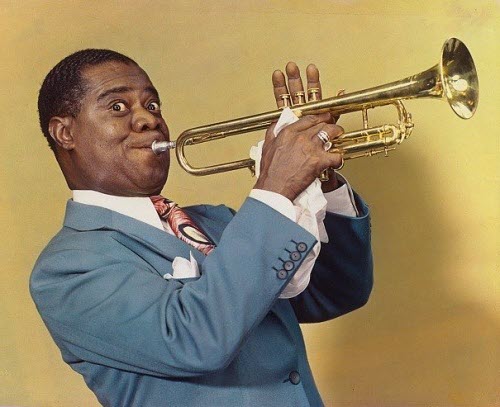
Louis Armstrong wasn’t just a trumpet player—he was a cultural force who helped shape the entire identity of jazz. Born in New Orleans, his infectious energy, dazzling improvisation, and unmistakable gravelly voice made him a household name and international star. Armstrong revolutionized jazz in the 1920s and ’30s, not just with his trumpet technique—marked by bold phrasing and expressive tone—but by introducing the concept of the soloist as a central figure in jazz. His recordings with the Hot Five and Hot Seven set new standards for creativity and expression. Songs like “What a Wonderful World,” “West End Blues,” and “When the Saints Go Marching In” reveal his emotional depth and charm. Armstrong broke racial barriers in the music industry and became a symbol of joy, resilience, and genius. His charisma on stage made every performance memorable, and his smile and spirit were as important to his music as his instrument. Nearly a century later, his influence is still felt in every corner of jazz. Trumpeters across genres continue to study and admire his phrasing, tone, and ability to make every note feel alive.
2. Miles Davis
Miles Davis was more than a trumpet player—he was a visionary who reshaped the sound of jazz across multiple generations. Born in 1926 in Illinois, Davis constantly pushed musical boundaries, refusing to stay in one genre or era. His cool, laid-back tone and minimalist style made him stand out early on, especially during the bebop era. But it was his ability to evolve—always seeking new sounds—that solidified his legendary status. Albums like Kind of Blue, Bitches Brew, and Birth of the Cool weren’t just records—they were turning points in jazz history. Davis was a master at assembling innovative bands, often launching the careers of young talents like John Coltrane, Herbie Hancock, and Wayne Shorter. His sound was haunting, intimate, and deeply expressive, showing that space and silence could be just as powerful as fast runs and high notes. He didn’t just play notes; he told stories with his horn. Known for his cool demeanor and sharp fashion sense, Miles Davis was as much a cultural icon as he was a musical pioneer. Through every era—cool jazz, modal, fusion—he stayed ahead of the curve. His fearless creativity continues to inspire musicians far beyond the world of jazz.
3. Dizzy Gillespie
Dizzy Gillespie was a true original—both in sound and personality. With his puffed cheeks, bent trumpet, and lightning-fast technique, he brought an unmistakable flair to jazz. Born in South Carolina in 1917, Gillespie was a central figure in the birth of bebop, alongside Charlie Parker. His playing was electric, full of energy, wit, and daring harmonies. Songs like “A Night in Tunisia” and “Groovin’ High” broke the mold of traditional swing and introduced a whole new vocabulary to jazz musicians. Dizzy wasn’t just a soloist—he was a composer, bandleader, and teacher, always encouraging younger players to find their own voice. He also helped blend jazz with Afro-Cuban rhythms, bringing global sounds into the spotlight through collaborations with artists like Chano Pozo. Beyond the music, Gillespie’s charisma made him a beloved figure worldwide. He used humor, intelligence, and showmanship to make complex music feel joyful and accessible. Even his famous upturned trumpet—accidentally bent—became a symbol of his uniqueness. Dizzy Gillespie wasn’t just a technical master; he played with heart, humor, and soul. His contributions to jazz are immeasurable, and his legacy still lights up bandstands and classrooms around the globe.
4. Chet Baker
Chet Baker’s trumpet didn’t shout—it sighed. Known for his soft, lyrical style, Baker brought a haunting vulnerability to his music that was unlike anyone else. Born in Oklahoma in 1929, he rose to fame during the 1950s West Coast jazz scene, often playing alongside Gerry Mulligan in cool jazz quartets. His phrasing was elegant and understated, with a tone that seemed to drift effortlessly through the air. Songs like “My Funny Valentine” and “Almost Blue” showcase the emotional intimacy that defined his playing. Baker was also a gifted vocalist, and his delicate, melancholic singing voice matched his trumpet style perfectly. But behind the beauty was a life of struggle. His career was marked by personal demons, including drug addiction and legal troubles, yet his artistry never lost its depth or sincerity. Chet Baker’s music feels deeply human—aching, fragile, and profoundly moving. He didn’t dazzle with speed or high notes; instead, he let silence speak and gave every phrase room to breathe. His legacy lives on in the quiet corners of jazz, where feeling outweighs flash, and beauty is found in every softly played note.
5. Clifford Brown
Clifford Brown was a blazing comet in the world of jazz—a brilliant talent whose life was tragically cut short at just 25. But in those few years, he left an indelible mark that still resonates today. Born in Delaware in 1930, Brown was known for his warm tone, flawless technique, and joyful sense of swing. His solos were thoughtful and melodic, yet full of energy and technical precision. Albums like Clifford Brown & Max Roach became instant classics, showcasing not just his virtuosity, but his lyrical phrasing and emotional intelligence. He played with a kind of radiant positivity, often praised for his clean lifestyle and generous spirit—rare qualities in a jazz world often haunted by chaos. Songs like “Joy Spring” and “Daahoud” are now jazz standards, taught to aspiring musicians across the globe. Brown was more than just a phenomenal player; he was a beacon of integrity, both musically and personally. His sudden death in a car accident in 1956 shocked the jazz world, but his recordings remain as vibrant and relevant as ever. Clifford Brown’s legacy is a reminder of what jazz can be at its most refined—passionate, beautiful, and full of life.
6. Wynton Marsalis
Wynton Marsalis is one of the most accomplished and influential trumpet players of our time. Born into a musical New Orleans family in 1961, he quickly emerged as a prodigy with both technical brilliance and a deep reverence for jazz tradition. Marsalis has won multiple Grammy Awards in both classical and jazz categories—an extraordinary feat that highlights his versatility and mastery of the instrument. As the artistic director of Jazz at Lincoln Center, he’s become a tireless advocate for jazz as America’s classical music. His playing combines clarity, power, and precision, but also carries a deep emotional and intellectual weight. Albums like Black Codes (From the Underground) and The Majesty of the Blues reflect his commitment to innovation rooted in tradition. Marsalis is also a prolific composer and educator, often using his platform to teach younger generations the importance of heritage and discipline in music. While some of his views have sparked debate within the jazz community, there’s no denying his massive impact. He’s helped preserve jazz’s rich history while pushing its boundaries. Wynton Marsalis stands as a modern icon—an artist, teacher, and cultural leader who has shaped the course of music history.
7. Lee Morgan
Lee Morgan was a fiery force in the world of hard bop—a trumpet player with bold phrasing, rhythmic intensity, and a deep soulfulness. Born in Philadelphia in 1938, Morgan showed incredible promise from a young age. He joined Dizzy Gillespie’s big band while still in his teens and later became a key figure in Art Blakey’s Jazz Messengers, where his solos burned with raw energy and purpose. His landmark album The Sidewinder became an unexpected commercial hit, with its funky title track bringing jazz into jukeboxes and dance halls. Morgan had a gift for crafting catchy melodies that still swung with complexity and sophistication. His playing was always emotionally charged—whether blistering fast or mournfully slow, each note carried weight. Yet Morgan’s life was marred by personal struggles, including drug addiction. Tragically, he was shot and killed at age 33 during a gig, cutting short a career still brimming with promise. Still, his influence endures. Lee Morgan’s trumpet voice was fiery and unforgettable, blending streetwise swagger with technical finesse. His recordings remain essential listening for anyone who wants to feel the heartbeat of 1960s jazz.
8. Arturo Sandoval
Arturo Sandoval is a trumpet virtuoso whose story is as inspiring as his music. Born in Cuba in 1949, Sandoval trained in classical music before discovering jazz—especially the playing of Dizzy Gillespie, who would later become his mentor and help him defect to the United States. Sandoval’s trumpet playing is simply explosive: dazzling high notes, lightning-fast runs, and a wide range of dynamics that leave listeners breathless. But he’s not just about technique—his music is filled with passion, fire, and an unmistakable Cuban flair. Albums like Flight to Freedom and Trumpet Evolution showcase his remarkable versatility, moving effortlessly between Latin jazz, classical, and straight-ahead jazz styles. He’s also a gifted pianist and composer, with a deep understanding of rhythm and melody. Sandoval has earned multiple Grammy and Emmy awards and remains a highly sought-after performer around the world. His journey from oppression to freedom, from local Cuban bands to global stages, adds an emotional depth to his story. Whether performing fiery mambo or heartfelt ballads, Arturo Sandoval plays with heart, soul, and staggering skill. His trumpet speaks a universal language—one of hope, resilience, and joy.
9. Maynard Ferguson
Maynard Ferguson was a trumpet legend known for his astonishing upper register and commanding stage presence. Born in Canada in 1928, Ferguson first rose to fame playing with big bands in the 1940s and ’50s, including Stan Kenton’s powerhouse orchestra. What made Maynard special wasn’t just his technical ability—it was the sheer excitement he brought to every performance. His high notes could shatter ceilings, but he also had a keen sense for drama and showmanship, turning concerts into events. He later led his own bands, blending jazz with rock, funk, and classical influences in a style that was as adventurous as it was electrifying. Albums like Chameleon and MF Horn thrilled audiences and inspired generations of trumpet players to reach for the sky—literally. Ferguson also had a heart for education, often working with student musicians and encouraging young talent. His energy on stage was infectious, and his passion for music never waned, even in his later years. Maynard Ferguson didn’t just play high—he played big, bold, and with an unrelenting spirit. His legacy lives on wherever brass instruments soar and musical limits are pushed.
10. Bix Beiderbecke
Bix Beiderbecke brought a different voice to jazz trumpet—one that was cool, lyrical, and introspective. Born in Iowa in 1903, Bix stood out in the roaring 1920s with a sound that contrasted the fiery attack of his contemporaries like Louis Armstrong. His playing was smooth and melodic, full of subtle phrasing and emotional nuance. Tunes like “Singin’ the Blues” and “I’m Coming, Virginia” reveal a poetic sensibility, more akin to a painter than a showman. Bix had a natural gift for harmony and an intuitive feel for the blues, which made his solos feel effortlessly elegant. Though he never formally studied music in the classical sense, his cornet style was deeply influential and inspired many musicians who followed. Beiderbecke also composed beautiful piano works, including “In a Mist,” showing his broader musical curiosity. Unfortunately, his life was troubled by alcoholism, and he died young at 28. Still, his music left a lasting impression. Bix Beiderbecke’s voice was a gentle revolution in jazz—a reminder that restraint, beauty, and personal expression could be just as powerful as speed and volume.
11. Gerry Mulligan
Gerry Mulligan was a towering presence in jazz—not just figuratively, but also through the deep, resonant sound of his baritone saxophone. He played a central role in the birth of cool jazz, helping shift the genre from fast bebop to a more relaxed, melodic approach. Mulligan’s arrangements were airy and conversational, allowing each instrument room to breathe, a quality especially evident in his iconic composition “Walkin’ Shoes.” His work with trumpeter Chet Baker in the 1950s created one of the most celebrated piano-less quartets in jazz history, producing a sound that felt spontaneous and intimate. Mulligan wasn’t just a saxophonist; he was a visionary composer and arranger whose influence extended far beyond his own recordings. Whether leading small combos or collaborating with big bands, he brought elegance, clarity, and wit to everything he touched. His legacy lives on as one of the finest baritone sax players ever, a man whose music still feels fresh and imaginative decades later.
12. David Sanborn
David Sanborn stands out as one of the most distinctive saxophonists in modern music, blending jazz, R&B, and pop into a uniquely soulful style. With a tone that’s instantly recognizable—bright, emotional, and piercing—Sanborn has crossed genre boundaries with ease. From his solo work, including hits like “Chicago Song” and “Lisa,” to high-profile collaborations with legends like Stevie Wonder, David Bowie, and Eric Clapton, Sanborn has proven himself both a virtuoso and a crowd-pleaser. He helped define the sound of smooth jazz in the 1980s and ’90s, but his roots in blues and hard-hitting funk always kept his playing grounded and vibrant. Beyond his studio recordings, his live performances are charged with energy and emotion, reflecting his deep connection to every note. Sanborn’s career has not only brought saxophone to a broader audience but also shown that technical brilliance and heartfelt expression can go hand in hand. He’s more than just a smooth jazz icon—he’s a passionate, innovative musician whose impact continues to ripple across genres.
13. Pharoah Sanders
Pharoah Sanders was a visionary saxophonist whose music transcended boundaries and aimed for the divine. Known for his spiritual and avant-garde jazz, Sanders took the saxophone into cosmic territory, using overblowing, multiphonics, and raw emotional intensity to create a sound that felt both ancient and futuristic. A disciple of John Coltrane, Sanders played on Coltrane’s later, more experimental albums and then forged his own path with groundbreaking works like Karma and the unforgettable track “The Creator Has a Master Plan.” His music often fused jazz with African rhythms, Eastern philosophies, and deep spiritual yearning, creating a powerful, meditative experience. Though rooted in the free jazz movement, Sanders never abandoned melody—his saxophone could scream, but it could also sing with breathtaking beauty. As the decades passed, his work softened and deepened, gaining a timeless, contemplative quality. Until his passing in 2022, Sanders remained a deeply respected figure, revered for his fearless exploration and spiritual depth. He wasn’t just playing notes—he was searching for truth.
14. Lee Konitz
Lee Konitz was a saxophonist who carved his own path through the jazz world, always choosing originality over imitation. One of the few alto players of his era not directly influenced by Charlie Parker, Konitz developed a lighter, more lyrical sound that helped define the cool jazz movement. His work on Birth of the Cool with Miles Davis remains a milestone in jazz history, showcasing a cerebral but emotionally resonant approach. Konitz was a master improviser, constantly reinventing melodies and ideas even in familiar standards. His solos often unfolded like quiet conversations, full of unexpected turns and subtle humor. Despite being an innovator early on, he remained an explorer throughout his life, performing well into his 90s and embracing younger musicians and new formats. He was known for taking risks, even on stage, valuing spontaneity over perfection. For Konitz, music was a living, breathing thing. His dedication to honest expression over flashy technique made him one of the most respected and admired voices in jazz.
15. Art Pepper
Art Pepper was one of the most emotionally charged and technically gifted alto saxophonists to emerge from the West Coast jazz scene. His playing was intense, lyrical, and deeply personal, often reflecting the turbulence of his own life. Pepper’s sound combined the cool, smooth phrasing of West Coast jazz with a burning passion more commonly found in bebop. Albums like Art Pepper Meets the Rhythm Section reveal his brilliance—his tone is warm yet urgent, his phrasing full of vulnerability and fire. Throughout his life, Pepper battled addiction and personal demons, and that struggle is palpable in his music, adding a layer of raw authenticity that listeners still find compelling. Despite many setbacks, he staged several remarkable comebacks, each time reaffirming his genius. His autobiography, Straight Life, offers a brutally honest look into his life and artistry, further cementing his legacy as not just a great musician, but a deeply human one. Art Pepper’s music speaks to pain, beauty, and redemption—all through the voice of a saxophone.

Edward Tomlin is a frequent contributor to Singers Room. Since 2005, Singersroom has been the voice of R&B around the world. Connect with us via social media below.