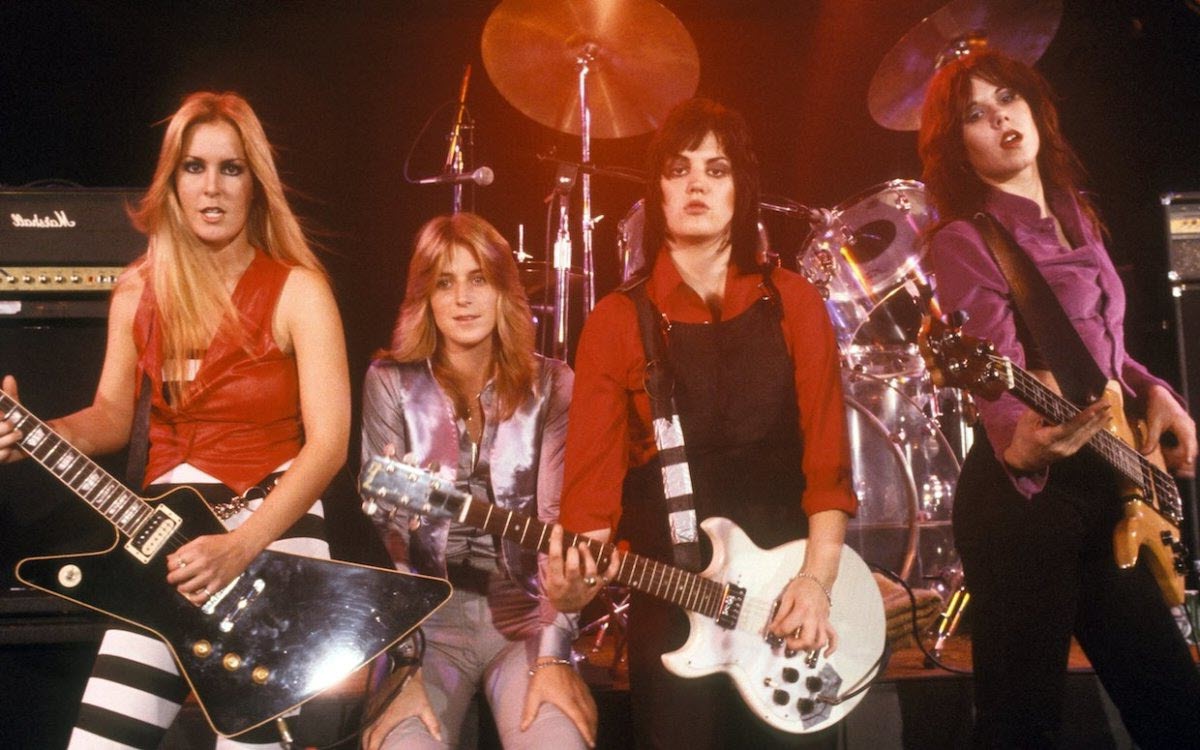
Rock music has always been more than just a genre—it’s a rebellion, a lifestyle, and a timeless force that has shaped generations. From thunderous guitar solos and soul-shaking vocals to lyrics that challenge the status quo, rock has produced anthems that echo through stadiums, headphones, and hearts across the world. Whether it’s the raw power of classic rock, the poetic punch of alternative, or the fiery edge of hard rock, these songs have transcended decades and borders, becoming cultural touchstones.
In this definitive list of the Top 15 Most Popular Best Rock Songs of All Time, we journey through the tracks that changed music forever. These aren’t just fan favorites—they’re milestones that redefined what rock could be. You’ll find legendary riffs that sparked revolutions, lyrics that spoke to entire generations, and performances that left crowds breathless.
If you’ve ever cranked up the volume, thrown up the devil horns, or lost yourself in a sea of sound, this list is for you. Get ready to revisit the songs that made rock immortal. Turn it up, let it rip, and relive the epic moments that made these tracks the loudest legends of them all.
1. “Stairway to Heaven” – Led Zeppelin (1971)
Often regarded as one of the greatest rock songs of all time, “Stairway to Heaven” is more than just a song—it’s a journey. Released in 1971 on Led Zeppelin’s untitled fourth album, the track begins with a gentle acoustic guitar and a recorder melody that slowly builds into an explosive, full-throttle rock climax. Jimmy Page’s guitar work is nothing short of legendary, culminating in a searing solo that’s etched into the memory of rock fans everywhere. Robert Plant’s lyrics are poetic and enigmatic, drawing from Celtic imagery and spiritual themes to weave a mystic tale that listeners have dissected for decades. Despite never being released as a single, the song became a staple on FM radio, turning into an unofficial anthem for rock purists. Its dynamic structure—shifting from quiet introspection to electrifying power—showcases the band’s musical prowess and ability to defy expectations. “Stairway to Heaven” isn’t just beloved—it’s studied, revered, and even banned in some guitar shops for being too iconic. For many, learning to play its opening riff marks a rite of passage, while for others, it represents rock at its most ambitious and transcendent.
2. “Bohemian Rhapsody” – Queen (1975)
“Bohemian Rhapsody” isn’t just a song—it’s a bold, genre-defying masterpiece that redefined what rock music could be. When Queen released it in 1975, radio stations didn’t know what to make of its six-minute length, opera sections, and lack of a traditional chorus. But Freddie Mercury had a vision, and it paid off spectacularly. The song opens with an emotional piano ballad, shifts into a full-blown operatic performance, then dives headfirst into blistering hard rock before fading into a gentle outro. The band’s multi-layered vocal harmonies, complex arrangements, and Mercury’s theatrical flair created something unlike anything before—or since. Though some executives worried it was too unconventional for mainstream success, the song rocketed up the charts and quickly became a global phenomenon. Its 1991 re-release after Mercury’s death, and its unforgettable appearance in Wayne’s World a year later, cemented its place in pop culture history. More than just a chart-topper, “Bohemian Rhapsody” is an emotional rollercoaster, a musical experiment, and a lasting tribute to creative risk-taking. It’s the rare track that still gives goosebumps decades later.
3. “Hotel California” – Eagles (1976)
“Hotel California” is more than a rock classic—it’s a haunting allegory of fame, decadence, and spiritual entrapment in 1970s America. Released in 1976 as the title track of the Eagles’ best-selling album, the song opens with a smooth yet foreboding guitar riff that draws listeners into its dreamlike world. Don Henley’s weary, introspective vocals tell the story of a traveler who stumbles upon a luxurious hotel, only to find he can never leave. The lyrics walk a fine line between surrealism and social commentary, touching on the excesses of the music industry and the illusion of the American dream. Joe Walsh and Don Felder’s dual guitar solo in the outro has become one of the most iconic moments in rock history—both technically brilliant and emotionally resonant. The song topped the Billboard Hot 100 and won the Grammy for Record of the Year in 1978, yet its legacy goes far beyond awards. “Hotel California” continues to resonate with new generations, not only for its unforgettable melody but for its eerie, cautionary tale wrapped in California cool. It remains a perfect blend of storytelling and musicianship that refuses to fade.
4. “Smells Like Teen Spirit” – Nirvana (1991)
When “Smells Like Teen Spirit” exploded onto the airwaves in 1991, it was like nothing else. With its raw guitar distortion, pounding drums, and Kurt Cobain’s impassioned screams, Nirvana’s breakout hit became the defining anthem of a disaffected generation. The song opened Nevermind, an album that would unexpectedly topple pop stars from the charts and ignite a grunge revolution. Cobain’s lyrics were famously cryptic, but they captured the confusion, frustration, and apathy of youth in a way that felt brutally honest. The track’s explosive chorus—“Here we are now, entertain us”—was both a rallying cry and a bitter joke about consumer culture and alienation. Produced with a mix of punk aggression and melodic hooks, it was a song that made no apologies for its noise or its meaning. MTV played the video in heavy rotation, and within weeks, Nirvana went from underground heroes to mainstream icons. “Smells Like Teen Spirit” didn’t just launch a band—it signaled a cultural shift. It marked the end of the glam metal era and gave rise to an alternative sound that still echoes today. It’s a song that shook the world—and it never stopped reverberating.
5. “Imagine” – John Lennon (1971)
Few songs have touched hearts across generations like John Lennon’s “Imagine.” Released in 1971, the song is a gentle, powerful invitation to dream of a better world—one without war, borders, greed, or religious divisions. Built around a delicate piano melody, Lennon’s voice delivers its radical message not with anger, but with serene conviction. Co-produced by Yoko Ono and Phil Spector, the song’s minimalistic arrangement allows its words to shine. Though criticized in some circles for its utopian ideals or contradictions, “Imagine” has become a global anthem for peace and social justice. Lennon, freshly removed from the Beatles, used this song to establish himself as a solo artist and as a spokesman for humanitarian values. Over the years, it’s been sung at memorials, protests, and international events, offering solace and hope during times of turmoil. “Imagine” is more than a hit—it’s a timeless call to empathy and unity. Despite the world’s chaos, Lennon’s vision still resonates, challenging listeners to believe in the possibility of change. In its quiet simplicity lies a profound strength that endures.
6. “Sweet Child o’ Mine” – Guns N’ Roses (1987)
“Sweet Child o’ Mine” is the song that transformed Guns N’ Roses from hard rock newcomers into global superstars. Released in 1987 on their explosive debut album Appetite for Destruction, the track opens with one of the most iconic guitar riffs ever laid down, courtesy of Slash. What started as a warm-up exercise during a rehearsal turned into a powerhouse ballad that blends tenderness with raw rock energy. Axl Rose’s lyrics, inspired by his then-girlfriend Erin Everly, show a softer, more vulnerable side of the band, contrasting beautifully with their gritty image. His soaring vocals, combined with the band’s dynamic instrumentation, created a song that was both heartfelt and ferocious. “Sweet Child o’ Mine” became the band’s first—and only—No. 1 hit on the Billboard Hot 100, proving that rock could be emotional without losing its edge. The song’s mix of melodic beauty and rebellious swagger captured the spirit of late ’80s rock, standing the test of time as a classic. To this day, it remains a favorite at concerts, on playlists, and for countless aspiring guitarists learning that unforgettable opening riff.
7. “Comfortably Numb” – Pink Floyd (1979)
“Comfortably Numb” stands as one of Pink Floyd’s most emotionally powerful and sonically stunning achievements. Released in 1979 on The Wall, the song explores themes of alienation, emotional numbness, and psychological disconnect—central to the album’s concept. The track is structured as a dialogue between two voices: Roger Waters’ clinical, detached verses and David Gilmour’s warm, soaring choruses. But it’s Gilmour’s legendary guitar solo that truly defines the song—an aching, melodic cry that cuts through the numbness with pure feeling. The lush orchestration, paired with Floyd’s signature atmospheric production, creates an immersive soundscape that’s both haunting and hypnotic. Though it wasn’t a major radio hit at the time, “Comfortably Numb” has grown into a cornerstone of the band’s legacy and a favorite among fans. It’s often cited as one of the greatest guitar solos in rock history and continues to evoke powerful reactions in live performances. Whether experienced through headphones or in a packed stadium, the song offers a chilling yet strangely beautiful reflection on disconnection and despair. It’s a moment of catharsis in the midst of The Wall’s emotional chaos—and one that resonates long after the final note fades.
8. “Born to Run” – Bruce Springsteen (1975)
“Born to Run” is Bruce Springsteen’s declaration of freedom, a cinematic rock anthem that captured the restless spirit of a generation. Released in 1975, the song was a pivotal moment in Springsteen’s career—a make-or-break shot that needed to prove his worth. And he delivered with everything he had. From the opening chords, the track bursts with urgency, painting a vivid picture of two lovers desperate to escape the confines of small-town life. With its sweeping arrangements, Phil Spector-inspired wall-of-sound production, and poetic lyrics, “Born to Run” plays like a movie for the ears. Clarence Clemons’ epic sax solo adds soul and swagger, while Springsteen’s raw, impassioned vocals give the song its heart. It wasn’t just a hit—it was a mission statement, solidifying The Boss as a voice of the American dreamer. The song’s themes of longing, rebellion, and youthful escape remain as powerful now as they were then. Decades later, “Born to Run” still makes your pulse race. It’s a rallying cry for anyone who’s ever felt trapped, a reminder that hope and heartbreak often ride in the same car with the windows down and the volume cranked up.
9. “Back in Black” – AC/DC (1980)
“Back in Black” is more than just a song—it’s a thunderous resurrection. Released in 1980 following the death of lead singer Bon Scott, it marked AC/DC’s defiant return with new frontman Brian Johnson. Rather than mournful, the track kicks the door down with a swaggering, electrifying riff from Angus Young that’s instantly recognizable. The drums are tight and thunderous, the vocals are gritty and triumphant, and the energy is pure rock ‘n’ roll fury. It’s a bold, unapologetic celebration of life, drenched in attitude and resilience. As the opening track on the Back in Black album—now one of the best-selling rock records in history—the song became a global anthem. It’s blasted at stadiums, clubs, parties, and guitar shops alike, uniting generations of fans in its high-voltage simplicity. There’s no balladry or sentimentality here, just a statement: AC/DC was far from finished. In just over four minutes, “Back in Black” turned grief into glory, establishing a second chapter for the band that many consider their strongest. It’s not just a comeback—it’s a masterclass in how to come back louder, harder, and unforgettable.
10. “Like a Rolling Stone” – Bob Dylan (1965)
When Bob Dylan unleashed “Like a Rolling Stone” in 1965, it changed the landscape of popular music overnight. At over six minutes long, it defied the conventional two-minute pop formula and dared to blend folk’s lyrical complexity with the raw power of rock. Dylan’s sneering, emotionally charged delivery paints a scathing portrait of someone cast out from a life of comfort and thrown into the harsh reality of freedom. The song’s structure was revolutionary: sprawling verses, no chorus, and that unforgettable organ riff played by Al Kooper—improvised, yet iconic. It was Dylan’s musical rebellion, his break from acoustic folk into full-blown electric expression, and the backlash from purists only added to its impact. “Like a Rolling Stone” wasn’t just a hit—it was a manifesto, a call to artistic independence and authenticity. Rolling Stone magazine would later name it the greatest song of all time, and with good reason. It captured the social and emotional upheaval of the 1960s in a way few songs ever have. More than half a century later, it still stings, still provokes, and still rolls with the same defiant force that shook the world in ’65.
11. “Paint It Black” – The Rolling Stones (1966)
“Paint It Black” marked a dramatic turn in The Rolling Stones’ sound, signaling their willingness to experiment with style and push rock music into darker, more exotic territory. Released in 1966, the song features a hypnotic sitar riff played by Brian Jones—a bold fusion of Eastern instrumentation with Western rock, years before it became a trend. The track’s morose lyrics and pulsing rhythm reflect the cultural turbulence of the 1960s, capturing feelings of grief, alienation, and societal unrest. Mick Jagger’s vocals are filled with brooding intensity, and Charlie Watts’ relentless drumming drives the song forward like a funeral march. “Paint It Black” became the first No. 1 hit in the U.S. and U.K. to feature such overt non-Western influence, making it a groundbreaking moment in mainstream music. Its moody atmosphere and introspective tone stood in stark contrast to the upbeat pop dominating the charts at the time. A cornerstone of the Stones’ catalog and a staple of ‘60s counterculture, “Paint It Black” remains a symbol of rock’s evolution into a global, boundary-breaking art form—and a haunting portrait of the shadows lurking beneath the surface.
12. “Whole Lotta Love” – Led Zeppelin (1969)
“Whole Lotta Love” was Led Zeppelin’s battle cry—the track that announced their dominance and defined a new era of hard rock. Released in 1969 as the opener to their second album, the song roars to life with one of the most ferocious riffs ever crafted by Jimmy Page. Robert Plant’s vocals ooze primal energy, dripping with lust and swagger, while John Bonham’s drums hit with bone-shaking force. But it’s the song’s psychedelic middle section that really sets it apart: a swirling, experimental soundscape of echoing moans, theremin squeals, and studio trickery that was light-years ahead of its time. The track was controversial for its lyrics, which borrowed heavily from bluesman Willie Dixon—leading to later legal disputes—but that didn’t stop it from climbing the charts and becoming the band’s first U.S. hit. “Whole Lotta Love” wasn’t just a song—it was a revolution in sound, showing that rock could be both heavy and hypnotic, raw and refined. It laid the foundation for everything from heavy metal to alternative rock, and remains one of Zeppelin’s most electrifying and enduring achievements.
13. “Another Brick in the Wall (Part II)” – Pink Floyd (1979)
Pink Floyd’s “Another Brick in the Wall (Part II)” is one of the most unexpected protest anthems in rock history. Released in 1979 as part of the conceptual masterpiece The Wall, the song took a defiant stand against authoritarian education systems. Its infamous chant—“We don’t need no education”—voiced by a London children’s choir, instantly etched itself into the cultural consciousness. Combining disco-infused beats with David Gilmour’s smooth guitar work and Roger Waters’ razor-sharp lyrics, the track broke from the band’s usual progressive sound and became a surprise global hit. It topped charts in the U.S., U.K., and many other countries, becoming Pink Floyd’s only number one single. While some critics misunderstood the song as anti-learning, its true target was the rigid, oppressive systems that stifled creativity and individuality. Within The Wall, it represents a key moment in the story of Pink, the album’s troubled protagonist. Yet even outside its context, the song resonated with anyone who felt boxed in by society’s rules. “Another Brick in the Wall (Part II)” endures as a powerful expression of rebellion, an unforgettable groove, and one of rock’s boldest political statements.
14. “Hey Jude” – The Beatles (1968)
“Hey Jude” is one of The Beatles’ most beloved and emotionally resonant songs—a ballad that swells from quiet comfort to communal anthem. Written by Paul McCartney in 1968 to console John Lennon’s young son Julian during his parents’ divorce, the song originally began as “Hey Jules.” What emerged was a universal message of reassurance and emotional strength. Its simple, soothing piano intro builds steadily, unfolding into a lush, expansive arrangement filled with layered vocals, orchestral flourishes, and one of the most iconic sing-along codas in music history. The final four minutes—marked by the repeated “na-na-na” refrain—transform the personal into the communal, inviting audiences around the world to join in. “Hey Jude” became the Beatles’ first release under their own Apple Records label and the longest-running No. 1 hit in U.S. history at the time. It showcased McCartney’s gift for melody and empathy, proving that even the simplest songs can carry profound emotional weight. Over five decades later, it still brings people together—at concerts, in karaoke bars, and in moments of joy or sorrow—reminding us that sometimes, the best thing you can say is simply, “Take a sad song and make it better.”
15. “Free Bird” – Lynyrd Skynyrd (1973)
“Free Bird” is more than a song—it’s a Southern rock legend. Released in 1973 as the closing track on Lynyrd Skynyrd’s debut album, it begins as a tender ballad, with Ronnie Van Zant’s vocals offering a heartfelt farewell to someone asking him to settle down. But midway through, the song shifts gears into a soaring, nearly five-minute-long guitar solo that has become one of the most iconic instrumentals in rock history. The dual guitar work of Allen Collins and Gary Rossington delivers pure firepower, turning live performances into cathartic experiences. While its lyrics speak of freedom, longing, and the impossibility of being tied down, the music tells its own emotional story—one of liberation through sound. Over the years, “Free Bird” has become a cultural touchstone, with fans famously yelling “Play Free Bird!” at concerts as a kind of rock ’n’ roll inside joke. But beneath the memes and the marathon solo lies a song that captures the raw, unfiltered spirit of a band that played with heart, soul, and swagger. It remains a towering symbol of musical freedom and a must-hear for any classic rock fan.

Samuel Moore is a frequent contributor to Singers Room. Since 2005, Singersroom has been the voice of R&B around the world. Connect with us via social media below.









