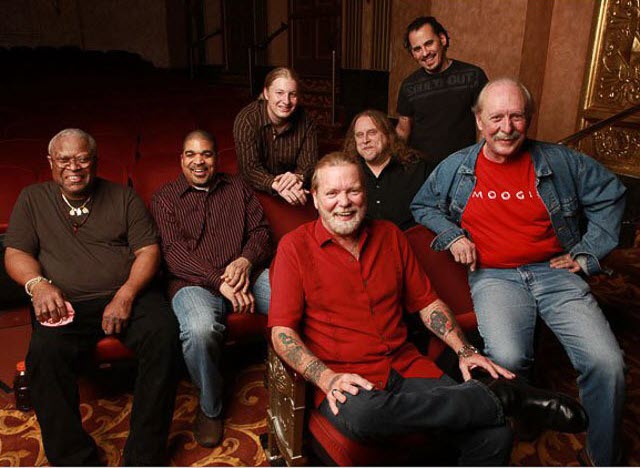
The Allman Brothers Band, a cornerstone of Southern rock, has woven a rich tapestry of sound that resonates with generations of music lovers. Formed in 1969, this legendary band brought together blues, jazz, rock, and country influences, creating a unique sound that is both timeless and electrifying. With their signature twin guitar harmonies and soulful melodies, the Allman Brothers have left an indelible mark on the music landscape.
From the driving rhythms of “Ramblin’ Man” to the heart-wrenching balladry of “Melissa,” their songs evoke a deep sense of longing and adventure. Each track tells a story, often inspired by the band’s own tumultuous experiences and the vibrant culture of the South. As we delve into the top 10 most popular songs from their extensive catalog, we invite you to rediscover the magic that has captivated fans for over five decades. Whether you’re a lifelong devotee or a newcomer eager to explore their music, this list will take you on an unforgettable journey through the Allman Brothers’ greatest hits, showcasing why they remain a beloved force in rock history. Get ready to crank up the volume and celebrate their legendary legacy!
1. “Ramblin’ Man” (1973)
“Ramblin’ Man” is one of those songs that feels like the open road itself — wide, free, and filled with possibilities. Released in 1973, it became The Allman Brothers Band’s biggest commercial success, soaring to the top of the charts and introducing Southern rock to a wider audience. Written and sung by guitarist Dickey Betts, the track blends rock, blues, and country influences in a way that feels effortless.
The song tells the story of a restless soul, always moving, never quite settling — “Lord, I was born a ramblin’ man,” Betts sings with conviction. It’s not just a lyric; it’s a declaration of identity. The bright, rolling guitar lines, paired with a country-tinged rhythm, make it impossible not to tap your foot as you listen.
More than just a hit single, “Ramblin’ Man” became a defining anthem of the Southern rock movement. It celebrates freedom, wanderlust, and the bittersweet cost of living life on the move. To this day, it’s a staple on classic rock radio, a song that can instantly transport listeners to a long stretch of highway, windows down, and the world ahead.
2. “Jessica” (1973)
“Jessica” is pure joy in musical form. Released in 1973 on the band’s Brothers and Sisters album, this instrumental piece is a masterclass in musicianship and creativity. Written by Dickey Betts and named after his infant daughter, “Jessica” bursts with an uplifting spirit that feels like sunshine breaking through clouds.
What makes the track so special is how it tells a story without a single lyric. The twin guitars weave in and out of each other like a conversation between old friends, while the rhythm section keeps everything gliding forward with an easy grace. It’s a song that feels like a road trip — winding roads, open skies, and endless freedom.
Live, “Jessica” often stretched far beyond its recorded length, giving the band space to improvise and explore. That improvisational spirit made every performance unique and kept fans coming back for more.
The song’s joyful, almost cinematic quality has even earned it a place in pop culture — famously used as the theme for Top Gear. But beyond its fame, “Jessica” remains a timeless reminder of the Allman Brothers Band’s ability to create music that’s as technically brilliant as it is emotionally uplifting.
3. “Whipping Post” (1969)
“Whipping Post” is raw emotion turned into sound — a song that aches, rages, and soars all at once. First released on the Allman Brothers Band’s 1969 debut album, it quickly became one of their defining tracks. From the very first notes, you can feel the weight of the blues pulsing through it.
Gregg Allman’s anguished vocals cut deep as he wails about betrayal and heartache — “Sometimes I feel, sometimes I feel, like I been tied to the whipping post.” It’s not just heartbreak he’s singing about; it’s the whole spectrum of suffering that life can throw at you.
The instrumentation is equally powerful. Duane Allman’s guitar work is searing, weaving between pain and catharsis, while the rhythm section pounds like a heartbeat on the verge of breaking.
But “Whipping Post” wasn’t just a studio track — it became a live legend. In concert, the band often stretched it into 20-minute epics, turning the song into an emotional journey. Fans would lose themselves in the extended jams, feeling every note.
Today, “Whipping Post” stands as a cornerstone of the Allman Brothers Band’s legacy, a blues-rock masterpiece that still resonates with raw, unfiltered power.
4. “Midnight Rider” (1970)
“Midnight Rider” is the sound of a weary soul pushing forward through the night. Released in 1970 on the album Idlewild South, it’s one of Gregg Allman’s most haunting and enduring compositions.
The song’s opening chords set the mood instantly — a soft, almost ghostly guitar line that feels like moonlight on an empty road. Gregg’s vocals are rich and weathered, filled with a sense of longing as he sings, “I’ve got to run to keep from hiding.” It’s a line that captures the spirit of the eternal traveler, someone always just out of reach.
The lyrics are sparse but evocative, painting a picture of solitude, resilience, and quiet determination. There’s melancholy in the song, but also strength — a refusal to stop moving no matter what obstacles appear.
“Midnight Rider” became one of the band’s signature songs and a staple of classic rock radio. Countless artists have covered it, but none have matched the smoky, soulful atmosphere of the original.
It’s more than a song — it’s a mood, a moment, a reminder of the grit it takes to keep going when the road is long and the night feels endless.
5. “Statesboro Blues” (1971)
“Statesboro Blues” is the Allman Brothers Band tipping their hat to the deep roots of the blues while injecting their own fiery energy. Originally written and recorded by Blind Willie McTell in 1928, the song got a second life when the Allmans recorded their version for At Fillmore East in 1971.
From the opening lick, Duane Allman’s slide guitar absolutely blazes — it’s sharp, soulful, and instantly recognizable. That slide work would go on to define not just this song, but a huge part of the Allman Brothers sound.
Gregg Allman’s gritty vocals fit the lyrics perfectly — a tale of love gone wrong and the restless spirit of someone trying to move past heartbreak. There’s pain here, but also swagger, a bluesman’s resilience in the face of loss.
“Statesboro Blues” became a staple of their live shows, often serving as the electrifying opener that would set the tone for the night.
Even decades later, it remains one of the definitive interpretations of the song — a perfect fusion of old Delta blues and Southern rock power. It’s the past and the present colliding in the most thrilling way.
6. “Melissa” (1972)
“Melissa” is one of the most tender songs the Allman Brothers Band ever recorded, a quiet ballad that shows their softer side. Released in 1972 on Eat a Peach, the song has a gentle, almost fragile beauty that has made it one of their most beloved tracks.
Gregg Allman wrote “Melissa” years before the band formed, and it was one of his personal favorites. The lyrics are filled with longing and warmth, telling the story of a wandering man who finds solace thinking of the woman he loves.
The melody is simple but deeply moving. Delicate acoustic guitar lines and subtle organ swells create an intimate backdrop for Gregg’s soulful voice. There’s no bravado here — just vulnerability and honesty.
“Melissa” gained even more emotional weight after Duane Allman’s tragic death in 1971. Recording it for Eat a Peach became a way for the band to process grief and channel their love into music.
Decades later, “Melissa” remains a timeless love song — one that speaks softly but leaves a lasting mark. It’s proof that the Allman Brothers could stir the soul as powerfully with a whisper as with a roar.
7. “In Memory of Elizabeth Reed” (1970)
“In Memory of Elizabeth Reed” isn’t just a song — it’s an odyssey. Released in 1970 on Idlewild South, this instrumental showcases the Allman Brothers Band at their most adventurous, blending jazz, rock, and blues into something entirely their own.
Written by Dickey Betts, the track was inspired by a woman whose name he saw on a gravestone in Rose Hill Cemetery, a place the band often visited. That mysterious spark birthed a piece of music that feels both haunting and alive.
The composition ebbs and flows like a living thing. Twin guitar lines weave intricate patterns, the rhythm section shifts gears seamlessly, and the song builds into soaring peaks before falling into quiet valleys.
Live, “Elizabeth Reed” became legendary. The band often stretched it into long improvisational journeys, giving each member space to shine. Those performances weren’t just concerts — they were events, moments of shared creation between band and audience.
It’s a song that refuses to be pinned down to one genre or feeling. “In Memory of Elizabeth Reed” is at once mournful, joyful, and transcendent — a perfect example of the Allman Brothers’ ability to turn music into pure magic.
8. “Ain’t Wastin’ Time No More” (1972)
“Ain’t Wastin’ Time No More” is a song about loss, resilience, and refusing to stand still. Released in 1972 on Eat a Peach, it was written by Gregg Allman in the aftermath of his brother Duane’s death — and you can hear that weight in every line.
The lyrics are simple but powerful: a call to keep living, to keep moving forward, even when the pain feels overwhelming. “Ain’t no use in crying, stayin’ home and crying,” Gregg sings, his voice weary but determined.
The music reflects that balance of grief and hope. The groove is laid-back but insistent, a mix of Southern soul and blues that feels like healing in motion.
It’s a deeply personal song for the band, but its message is universal. Everyone knows what it feels like to lose something — or someone — and the struggle to keep going afterward.
“Ain’t Wastin’ Time No More” became more than just a tribute; it became a statement of intent. The Allman Brothers Band would carry on, and they’d do it with grace, grit, and music that reminded people to keep pushing forward, too.
9. “Blue Sky” (1972)
“Blue Sky” is a song that feels like sunshine on your face. Released in 1972 on Eat a Peach, it was written and sung by Dickey Betts, and it stands as one of the most optimistic, feel-good tracks in the Allman Brothers’ catalog.
The lyrics are simple but beautiful, celebrating love, nature, and the joy of being alive. “You’re my blue sky, you’re my sunny day,” Betts sings, and you can almost feel the warmth in those words.
Musically, “Blue Sky” is a masterpiece of intertwining guitar work. The harmonized leads from Betts and Duane Allman are breathtaking, like two voices in perfect conversation. The rhythm section provides a breezy, effortless foundation that makes the whole track feel weightless.
It’s also a song that blossomed live. Concert versions often stretched past ten minutes, giving the guitars room to soar and turning the song into a full-blown celebration.
Even decades later, “Blue Sky” hasn’t lost its glow. It’s a song that makes you stop, breathe, and appreciate the beauty around you — a perfect slice of what made the Allman Brothers Band so special.
10. “One Way Out” (1972)
“One Way Out” is pure adrenaline — a blues-rock burner that explodes with energy every time it’s played. Released in 1972 on Eat a Peach, it quickly became one of the band’s most thrilling live staples.
The song actually has deep blues roots, with earlier versions recorded by Sonny Boy Williamson II and Elmore James. But when the Allman Brothers put their spin on it, they transformed it into something fiery and unstoppable.
The lyrics tell a story of panic and urgency — a man caught in a compromising situation, desperately looking for an escape. Gregg Allman’s vocals deliver the tale with grit and humor, making you feel the pressure and the thrill.
The music is relentless. The slide guitar screams, the rhythm section pushes hard, and the whole band locks in with an intensity that’s almost frantic.
In concert, “One Way Out” often brought the house down — it was a guaranteed moment of pure rock ‘n’ roll electricity.
It remains one of the band’s defining performances, a perfect mix of blues tradition and Southern rock firepower. Every listen still feels like a wild chase with no easy way out — and that’s exactly why it’s unforgettable.

Edward Tomlin is a frequent contributor to Singers Room. Since 2005, Singersroom has been the voice of R&B around the world. Connect with us via social media below.









