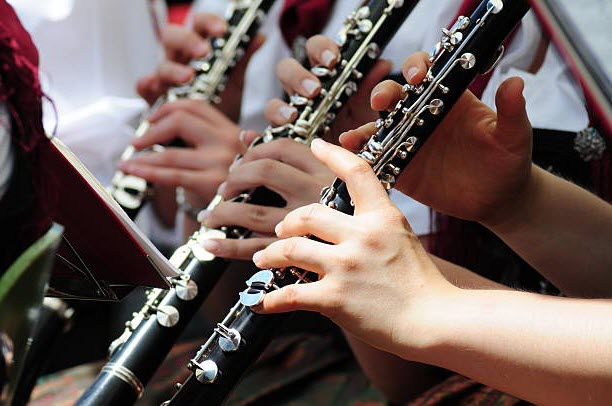
The clarinet, with its rich timbre and expressive range, has enchanted audiences for centuries, and its greatest champions have left an indelible mark on the world of music. From the smoky jazz clubs of New Orleans to the grand orchestras of Europe, clarinetists have pushed the boundaries of what this versatile instrument can achieve. In this article, we dive into the lives and legacies of the top 15 best clarinet players of all time, celebrating their unique contributions to music and their remarkable artistry.
Prepare to be inspired by legends like Benny Goodman, whose electrifying performances transformed the landscape of jazz, and the classical virtuoso Sabine Meyer, who captivated concert halls with her breathtaking interpretations. Each player on our list has a story to tell—of passion, innovation, and dedication to their craft. Whether you’re a seasoned musician or a casual listener, you’ll discover how these extraordinary talents have shaped the clarinet’s evolution and its role in diverse musical genres. Join us as we explore the brilliance of these iconic clarinetists, honoring their influence and the timeless beauty of their music.
1. Benny Goodman
Benny Goodman, famously crowned the “King of Swing,” transformed the way the world heard jazz and the clarinet. Born in 1909, Goodman’s remarkable skill and daring vision brought the clarinet front and center during an era when brass often dominated. His high-energy performances and sharp sense of rhythm electrified dance halls and concert stages alike. Known for iconic pieces like *Sing, Sing, Sing*, Goodman didn’t just play music—he created moments that felt alive. His influence wasn’t limited to sound; he became a key figure in integrating jazz bands at a time when segregation was still prevalent, courageously hiring Black musicians like Teddy Wilson and Lionel Hampton. This decision reshaped both the music industry and American culture, demonstrating that great music knows no boundaries. With his flawless technique and a tone that could range from playful to achingly soulful, Goodman inspired generations of clarinetists and jazz lovers. His groundbreaking Carnegie Hall concert in 1938 remains a landmark moment in jazz history, proving the genre belonged in the world’s most prestigious venues. Benny Goodman’s legacy lives on as a reminder that innovation, artistry, and courage can change the course of music forever.
2. Artie Shaw
Artie Shaw was more than a clarinet virtuoso—he was a restless innovator who reshaped jazz in the 1930s and beyond. Born in 1910, Shaw had an ear for blending classical influences with the improvisational heart of jazz, creating a style that was both sophisticated and daring. His signature hit, *Begin the Beguine*, became one of the defining songs of the swing era, a tune that still evokes the glamour and excitement of that time. Shaw was known for his perfectionism and relentless pursuit of musical excellence, often pushing his bands and himself to explore new textures and arrangements. His charisma and sharp intellect set him apart from his contemporaries; he wasn’t content to simply entertain—he wanted to challenge listeners, to elevate jazz into something deeper and more refined. Despite his success, Shaw walked away from the spotlight multiple times, uncomfortable with fame and always searching for artistic meaning. That tension between commercial success and personal integrity only deepened his mystique. Today, Artie Shaw is remembered not just for his smooth, expressive clarinet tone, but for his determination to keep jazz moving forward, always reaching for something greater.
3. Sidney Bechet
Sidney Bechet was one of jazz’s earliest and most powerful voices, a trailblazing musician who gave the clarinet (and later, the soprano saxophone) a bold, expressive identity. Born in New Orleans in 1897, Bechet was a prodigy, already performing professionally by his early teens. His tone was unmistakable—rich, assertive, and filled with emotion that could swing from joyous exuberance to haunting melancholy in a single phrase. Bechet was one of the very first important soloists in jazz, paving the way for the improvisational style that would define the genre. His recording of *Petite Fleur* remains an enduring testament to his lyrical power, a melody that feels as fresh today as when he first played it. Bechet was also a cultural ambassador, helping introduce jazz to Europe, particularly France, where he became a beloved figure and spent much of his later life. His passionate playing style influenced generations of musicians, showing that jazz could be deeply personal and intensely expressive. Sidney Bechet wasn’t just a clarinetist—he was a storyteller, using his horn to speak in a voice that was entirely his own, shaping the very language of jazz itself.
4. Sabine Meyer
Sabine Meyer is a towering figure in the world of classical clarinet, known for her extraordinary technique, expressive depth, and trailblazing career. Born in Germany in 1959, Meyer became one of the first women to hold a principal clarinet position in a major orchestra when she joined the Berlin Philharmonic—an appointment that sparked controversy at the time but ultimately helped pave the way for more inclusion in classical music. Her artistry is breathtaking; whether performing Mozart’s Clarinet Concerto or contemporary works, she brings a clarity and emotional honesty that makes each performance unforgettable. Meyer’s tone is like fine glass—delicate yet strong, shimmering with nuance. Beyond her solo career, she has been a dedicated chamber musician, collaborating with some of the finest string quartets and pianists in the world, always elevating the music with her presence. Her numerous recordings have set benchmarks for clarinet interpretation, studied and admired by musicians everywhere. More than a virtuoso, Meyer has redefined what it means to be a clarinetist in the modern era, demonstrating that the instrument can express a full range of human emotion with grace, power, and elegance.
5. Richard Stoltzman
Richard Stoltzman is a clarinetist like no other—a musician who defies boundaries and redefines what the instrument can be. Born in 1942, Stoltzman has built a career on versatility, moving effortlessly between classical, jazz, and contemporary music with a tone that is instantly recognizable: warm, soulful, and deeply expressive. He has performed with major orchestras around the world, but he is just as comfortable sharing the stage with jazz legends or exploring experimental collaborations. His interpretations are imaginative and daring, breathing fresh life into even the most familiar pieces. Stoltzman is also known for his stage presence—he doesn’t just play; he connects, drawing audiences in with performances that feel intimate and personal. His Grammy-winning recordings showcase his ability to bring diverse worlds of music together, making the clarinet a bridge between genres. Beyond the spotlight, Stoltzman is a passionate advocate for music education, inspiring young musicians to embrace curiosity and creativity. By refusing to be confined by tradition, Richard Stoltzman has turned the clarinet into an instrument of limitless possibility, showing that great music isn’t about categories—it’s about connection.
6. Johnny Dodds
Johnny Dodds was one of the defining clarinet voices of early New Orleans jazz, a musician whose soulful, blues-tinged sound helped shape the very foundation of the genre. Born in 1892, Dodds came up in the vibrant musical scene of New Orleans, where brass bands, blues, and ragtime converged to create something entirely new. He was known for his ability to pour raw emotion into every note—his clarinet could wail with joy one moment and ache with melancholy the next. Dodds worked with some of jazz’s greatest pioneers, including Louis Armstrong and King Oliver, leaving behind recordings that still feel alive with the energy of that era. His improvisations weren’t flashy for the sake of being flashy—they were meaningful, full of phrasing that spoke directly to listeners’ hearts. Though his life was relatively short, Dodds’ impact was enormous, influencing countless clarinetists who followed. His work in groups like the King Oliver Creole Jazz Band captured the spirit of early jazz: music that was earthy, celebratory, and deeply human. Johnny Dodds’ legacy endures as a reminder that the clarinet isn’t just an instrument of melody—it’s an instrument of feeling.
7. Melvin Warner
Melvin Warner is a modern clarinetist who thrives on innovation, constantly pushing the instrument beyond traditional boundaries. Rather than staying confined to established repertoire, Warner has made a career of exploring new sonic landscapes, collaborating with living composers to expand the clarinet’s voice. His performances are often daring and unexpected, mixing extended techniques—such as multiphonics and microtones—with lyrical passages that show off the instrument’s more familiar beauty. This balance of experimentation and tradition gives his playing a unique edge that appeals to both classical purists and adventurous listeners. Warner’s work has premiered in contemporary music festivals around the world, where his fearless approach has captivated audiences and challenged assumptions about what the clarinet can do. Beyond performance, he is an advocate for contemporary music, frequently mentoring younger musicians and encouraging them to embrace bold, new ideas. Melvin Warner isn’t just playing the clarinet—he’s redefining it, carving out space for innovation while still honoring its rich history. His career serves as a bridge between the clarinet’s classical roots and its future in modern, boundary-defying music.
8. Eric Mandat
Eric Mandat has become one of the most important figures in contemporary clarinet music, known equally as a performer and a composer. His work is characterized by innovation—he doesn’t just play the clarinet; he explores every sound it can make. Mandat is renowned for his use of extended techniques like key clicks, breath sounds, and multiphonics, turning the clarinet into an almost otherworldly voice. His compositions have become essential works for clarinetists interested in contemporary music, offering both technical challenges and expressive possibilities that push players into new territory. As a performer, Mandat’s interpretations are strikingly personal, weaving together modern experimentation with a deep emotional core. He has also been a dedicated educator, teaching at Southern Illinois University and inspiring students to think creatively about music-making. For Mandat, the clarinet isn’t simply an instrument for preserving tradition—it’s a tool for discovery, capable of sounds and emotions many listeners have never imagined. Through his dual role as performer and composer, Eric Mandat has shaped not only the clarinet’s present but also its future, proving that true artistry is as much about curiosity as it is about skill.
9. Anthony McGill
Anthony McGill has carved out a historic place in classical music as the first African American principal clarinetist of a major U.S. orchestra—the New York Philharmonic. But his legacy goes far beyond that milestone. Born in Chicago, McGill’s career has been defined by his elegant tone, technical brilliance, and ability to make even the most complex music feel deeply human. His performances are marked by warmth and expressiveness, drawing audiences in with a sense of intimacy and sincerity. McGill has collaborated with leading orchestras and chamber groups, performed at the inauguration of President Obama, and championed both classical masterworks and contemporary compositions. Equally important is his dedication to education and advocacy. McGill frequently works with young musicians, sharing his story and showing that excellence knows no barriers of background or race. He also speaks out on issues of diversity in classical music, using his platform to inspire change. Anthony McGill isn’t just a clarinetist—he’s a role model, a leader, and a voice for inclusion in a field that has too often been closed off. Through his artistry and advocacy, he’s changing the face of classical music.
10. David Shifrin
David Shifrin is one of the most respected clarinetists of his generation, admired for his artistry, warmth, and deep musical insight. Over his decades-long career, Shifrin has brought the clarinet to center stage, performing as a soloist with major orchestras and as a beloved chamber musician. His interpretations are known for their sensitivity and nuance—whether he’s playing Mozart, Copland, or a brand-new work, he infuses the music with a sense of meaning and beauty that resonates with audiences. Shifrin has also been a tireless advocate for the clarinet repertoire, commissioning and premiering numerous works that have expanded the instrument’s role in contemporary classical music. Beyond the stage, he has had a profound impact as an educator, serving on the faculty at prestigious institutions like Yale University and mentoring generations of young clarinetists. His leadership of organizations like Chamber Music Society of Lincoln Center further reflects his dedication to the art form. David Shifrin’s career is a testament to what happens when passion meets excellence—he hasn’t just performed the clarinet’s greatest music, he has helped create its future.
11. Woody Herman
Woody Herman wasn’t just a clarinetist—he was a force of nature in the world of jazz. Born in 1913, Herman became one of the most charismatic bandleaders of the swing era, earning fame with his series of ensembles known as “The Thundering Herd.” His clarinet was at the heart of these groups, a voice that could swing with power or soothe with warmth. Herman’s bands were known for their forward-thinking arrangements, blending swing with bop and even elements of rock in later years. This willingness to evolve kept his music fresh for decades, influencing countless musicians and audiences. Beyond his clarinet playing, Herman had an incredible knack for spotting and nurturing talent—his bands served as a launching pad for many jazz greats. Even as musical tastes shifted, Herman remained committed to creating exciting, dynamic music, proving that swing could adapt and thrive. His combination of technical skill, boundless energy, and deep love for jazz made Woody Herman one of the true giants of the clarinet, leaving behind a legacy that spans not only his own recordings but generations of players inspired by his fearless creativity.
12. Paul Desmond
https://www.youtube.com/watch?v=phKhwG–vTo&list=PL4NXUZspQ7ByKudKiWfv6-jhhdvTfp2vh
Paul Desmond may be most famous as the smooth, lyrical alto saxophonist of the Dave Brubeck Quartet, but his artistry extended far beyond one instrument. Though primarily a sax player, his melodic sensibility and collaborations deeply influenced clarinetists and other woodwind players alike. Born in 1924, Desmond had a gift for crafting melodies that felt effortless, like they’d always existed. His most famous composition, *Take Five*, became one of jazz’s most iconic pieces and a gateway into the genre for countless listeners. Desmond’s style was understated yet deeply emotional—his phrasing was like a conversation, intimate and thoughtful, never overpowering. While he didn’t focus on the clarinet as much as some of his contemporaries, his approach to melody and improvisation left a lasting impression on how the instrument could be used in jazz settings. Many clarinetists cite his influence when describing their own phrasing and tone. Paul Desmond’s artistry reminds us that musical influence isn’t bound by instrument; his legacy continues to ripple through jazz, inspiring musicians to play with subtlety, elegance, and heart.
13. Gervase de Peyer
Gervase de Peyer was one of the most distinguished classical clarinetists of the 20th century, known for his elegance, precision, and refined interpretations. Born in 1926 in London, de Peyer’s career was defined by versatility—he excelled as both a soloist and a chamber musician, bringing the clarinet into the spotlight in settings where it was often overlooked. As a founding member of the Melos Ensemble, he helped shape the sound of chamber music for decades, performing and recording works that showcased the clarinet’s lyrical beauty. His interpretations of Mozart’s and Brahms’ clarinet works are particularly revered, offering a blend of clarity and warmth that still sets a standard for players today. Beyond his own performances, de Peyer was a dedicated teacher, sharing his deep understanding of phrasing, tone, and musicality with students around the world. His artistry wasn’t about showmanship; it was about serving the music, letting every note breathe and every phrase speak. Gervase de Peyer’s legacy is one of grace and dedication, reminding us that the clarinet, in the right hands, can be one of the most expressive voices in classical music.
14. Michael Collins
Michael Collins is one of today’s most celebrated clarinetists, admired for his dazzling technique and expressive range. Born in 1962 in the UK, Collins has built an extraordinary career performing across the globe, from major concert halls to intimate chamber venues. His playing combines virtuosic brilliance with a remarkable warmth—every phrase feels alive, every note carefully shaped. Collins has been equally influential in expanding the clarinet repertoire, premiering contemporary works and collaborating with composers to create new music for the instrument. His versatility allows him to move seamlessly between the classics of Mozart and Weber to innovative, modern pieces, all delivered with the same level of commitment and artistry. Beyond performing, Collins has also embraced conducting, bringing his keen musical insight to orchestras and ensembles. This dual role enriches his clarinet playing, giving him a broader perspective on the music he interprets. Michael Collins’ career is a testament to what happens when technical mastery meets boundless curiosity—he continues to push the clarinet into new spaces while reminding listeners of its timeless beauty.
15. Leonard Bernstein
Leonard Bernstein is best remembered as a visionary conductor and composer, but few realize that his musical journey began with the clarinet. Born in 1918, Bernstein studied the instrument as a young man, and his early experience as a clarinetist shaped his deep understanding of orchestration and woodwind writing. Though he didn’t pursue the clarinet as a solo career, his love for the instrument can be heard throughout his compositions—from the jazzy clarinet lines in *West Side Story* to the soulful passages in his symphonies. Bernstein’s brilliance lay in his ability to connect worlds: classical and jazz, Broadway and the concert hall, tradition and innovation. His own clarinet playing informed this versatility, giving him an intimate knowledge of how music feels from the performer’s perspective. Beyond his achievements with the baton and pen, Bernstein’s musicality was rooted in the kind of hands-on, personal musicianship that playing the clarinet instills. He remains one of the most influential figures in 20th-century music, and while the clarinet wasn’t his primary claim to fame, it played a quiet yet crucial role in shaping the genius that inspired generations.

Edward Tomlin is a frequent contributor to Singers Room. Since 2005, Singersroom has been the voice of R&B around the world. Connect with us via social media below.