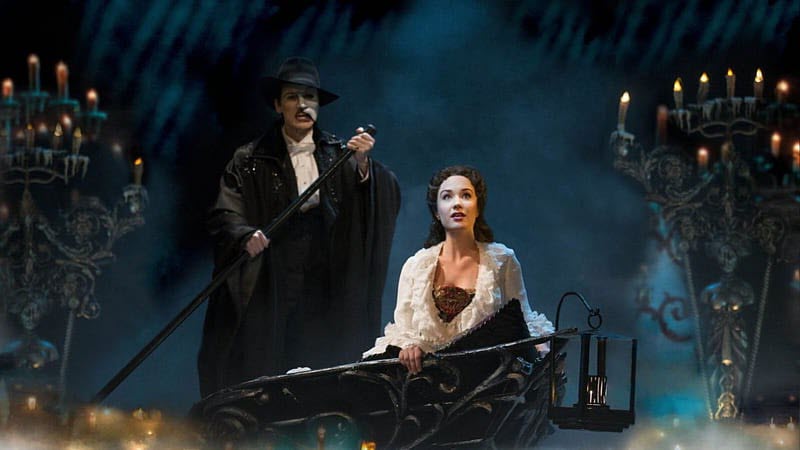
Opera is where music, drama, and raw human emotion collide in a spectacle of soaring voices and unforgettable moments. For centuries, opera has enchanted audiences with its larger-than-life stories, dazzling vocal feats, and heart-stopping arias that transcend language and culture. Whether it’s the fiery passion of Carmen, the bittersweet romance of La Bohème, or the triumphant cry of Nessun dorma, opera delivers music that stirs the soul and leaves audiences breathless. In this article, we dive into the Top 15 Most Popular Opera Songs of All Time—the arias that have stood the test of time, captivated millions, and shaped the very soul of classical music. These masterpieces aren’t just for opera aficionados—they’re universal expressions of love, loss, vengeance, and joy, performed by the greatest voices the world has ever known. From thunderous baritones to angelic sopranos, these songs reveal why opera remains one of the most powerful art forms ever created. Whether you’re a seasoned fan or a curious newcomer, prepare to be swept away by the passion and beauty of these iconic works. Turn up the volume, let the curtain rise, and discover the arias that define the very spirit of opera.
1. Nessun dorma – Turandot – Giacomo Puccini (1926)
Few arias in the world of opera have reached the emotional and cultural heights of Nessun dorma, the triumphant centerpiece from Puccini’s final opera, Turandot. Premiered in 1926, after Puccini’s death, this aria is sung by Prince Calaf as he prepares to solve the riddles that will win him the icy Princess Turandot’s hand. As night falls, he declares that no one will sleep until he claims his victory—ending with the iconic and thunderous cry of “Vincerò!” (“I will win!”). It’s a moment of unshakable resolve, swelling with both tenderness and strength. The aria became a global phenomenon thanks to Luciano Pavarotti’s breathtaking interpretation during the 1990 FIFA World Cup, which introduced millions to its soaring beauty. But long before its sports anthem status, Nessun dorma stood as a testament to Puccini’s unmatched ability to stir the soul. With its lyrical grace and emotional power, it embodies the heart of opera: love, determination, and the belief that passion can conquer all. Whether performed in a grand theater or echoing through a stadium, Nessun dorma continues to inspire and uplift, resonating across cultures and generations.
2. Largo al factotum – The Barber of Seville – Gioachino Rossini (1816)
Rossini’s Largo al factotum is one of opera’s most exuberant and instantly recognizable arias. First heard in The Barber of Seville in 1816, it’s sung by the bold and ever-busy Figaro, the town’s favorite barber and jack-of-all-trades. From the opening bars, the aria explodes with energy as Figaro proudly rattles off his endless responsibilities—shaving beards, arranging dates, delivering messages—all while reveling in his own importance. His repeated shouts of “Figaro! Figaro! Figaro!” have become a cultural staple, delighting audiences with their rhythmic intensity and theatrical flair. The music itself is a marvel of rapid-fire phrasing and buoyant orchestration, demanding both vocal dexterity and comedic timing from any baritone brave enough to tackle it. Beyond its technical brilliance, Largo al factotum captures the spirit of the opera’s comic genius and the magnetic personality of one of opera’s most beloved characters. It’s cheeky, fast-paced, and irresistibly fun—showcasing Rossini’s genius for turning even the simplest moment into a dazzling musical fireworks display. Whether you’re new to opera or a seasoned fan, this aria is an unforgettable joyride through wit, charm, and musical mastery.
3. La donna è mobile – Rigoletto – Giuseppe Verdi (1851)
La donna è mobile, the sparkling tenor aria from Verdi’s Rigoletto, is one of opera’s most instantly recognizable melodies. Premiered in 1851, it’s sung by the Duke of Mantua, a seductive nobleman whose charm is matched only by his cynicism. With its playful rhythm and breezy melody, the aria delivers a biting message: women are fickle and changeable. Despite this rather jaded sentiment, the tune itself is irresistibly catchy—so much so that Verdi kept it under wraps until the opera’s debut to prevent it from becoming a public earworm before the curtain even rose. The Duke’s performance of this aria highlights his carefree attitude and moral shallowness, offering a sharp contrast to the tragedy that unfolds later in the opera. Yet it’s precisely this contrast that gives the aria its staying power. Its light-hearted tone masks a darker truth, and its melody lingers long after the performance ends. Whether taken at face value or viewed through a more critical lens, La donna è mobile remains a masterstroke of operatic irony—an infectious tune wrapped around a provocative idea.
4. Habanera (L’amour est un oiseau rebelle) – Carmen – Georges Bizet (1875)
When Carmen premiered in 1875, audiences were stunned by its bold heroine and the sultry music that defined her. At the center of it all is Habanera—or L’amour est un oiseau rebelle—an aria that perfectly captures Carmen’s defiant spirit and unshakable independence. Sung early in the opera, it’s Carmen’s declaration that love is a wild, unpredictable force—like a bird no one can tame. With its seductive Spanish rhythm and smoky vocal lines, Habanera pulses with sensuality, mystery, and danger. Bizet masterfully blends French lyricism with flamenco-infused flair, creating a piece that feels both exotic and immediate. Though Carmen initially shocked conservative audiences, it didn’t take long for the opera—and this aria in particular—to become a fixture in the operatic canon. Today, Habanera is instantly recognizable, even outside the world of opera, having appeared in countless films, commercials, and parodies. Yet despite its ubiquity, it never loses its hypnotic power. Each performance reinvents it anew, as a celebration of feminine strength, irresistible allure, and the chaotic, untamable nature of love itself.
5. O mio babbino caro – Gianni Schicchi – Giacomo Puccini (1918)
Puccini’s O mio babbino caro is one of opera’s most tender and universally beloved arias. Introduced in 1918 as part of his one-act comic opera Gianni Schicchi, it stands out as a surprisingly heartfelt moment amid the chaos of family scheming and inheritance disputes. Sung by Lauretta, a young woman deeply in love, the aria is a heartfelt plea to her father to allow her to marry the man she adores. Its melody is disarmingly simple yet emotionally profound, unfolding with gentle longing and sincerity. The words may be few, but the emotion behind them is vast—hope, desperation, love, and the fear of loss, all distilled into just over two minutes of music. Despite the opera’s comedic context, O mio babbino caro feels achingly real, a moment of pure sentiment that transcends the plot. Its beauty has made it a favorite at concerts and weddings, where its emotional resonance never fails to move listeners. Whether sung on a grand stage or at an intimate recital, this aria is a timeless reminder of the power of love—and the heartfelt simplicity of asking for it.
6. Der Hölle Rache – The Magic Flute – Wolfgang Amadeus Mozart (1791)
Known to the world as the “Queen of the Night Aria,” Der Hölle Rache kocht in meinem Herzen is one of Mozart’s most thrilling—and terrifying—creations. Premiering in 1791 as part of The Magic Flute, this coloratura showpiece captures a moment of intense fury and manipulation. The Queen of the Night, consumed by vengeance, demands that her daughter commit murder or be disowned. The music is relentless: cascading arpeggios, razor-sharp coloratura runs, and those infamous high Fs that test even the most skilled sopranos. Yet beyond its vocal pyrotechnics, the aria seethes with emotional heat. Mozart blends precision and fire, making the rage feel as regal as it is dangerous. For performers, it’s a rite of passage—an aria that demands impeccable technique and dramatic firepower. For audiences, it’s an electrifying experience, often met with thunderous applause. Despite its operatic context, the piece has transcended genre, becoming a staple in movies, TV shows, and pop culture at large. Still, nothing compares to hearing it live, as the Queen’s fury blazes across the stage in one of the most unforgettable moments in opera.
7. Che gelida manina – La Bohème – Giacomo Puccini (1896)
In La Bohème, Puccini captures the fragile beauty of young love, and nowhere is that more evident than in Che gelida manina. Sung by the poet Rodolfo in the opera’s first act, this aria unfolds like a whispered secret, offered to Mimì in the soft glow of candlelight. After noticing her cold hand, he gently warms it and begins to reveal his world—his poverty, his dreams, and his passion. The melody climbs with quiet urgency, reflecting Rodolfo’s vulnerability and growing affection. It’s the sound of hearts opening and lives intertwining in a moment of pure connection. Puccini’s ability to transform simple human gestures into emotional epics is on full display here. The music is lush and lyrical, soaring to a climactic high note that expresses everything Rodolfo can’t quite say in words. Over a century later, Che gelida manina remains one of opera’s most beloved love songs—a tender and poignant reminder of how powerful first impressions, and first affections, can be.
8. Una furtiva lagrima – L’elisir d’amore – Gaetano Donizetti (1832)
Donizetti’s Una furtiva lagrima, from his 1832 opera L’elisir d’amore, is a gentle masterpiece of romantic vulnerability. Sung by the humble peasant Nemorino, the aria comes at a moment when he believes the woman he loves may finally return his affection. He sees a single, furtive tear fall from her eye, and in that instant, he’s overcome with joy and hope. The aria is delicate and introspective, unfolding like a private thought rather than a grand declaration. Donizetti’s graceful melodies and lyrical phrasing allow the singer to convey deep emotion with subtle nuance rather than bombast. Una furtiva lagrima is a defining piece of the bel canto tradition—where beauty of tone and clarity of expression are everything. It’s a quiet triumph of love’s possibility, tinged with uncertainty but glowing with warmth. Even in its simplicity, the aria speaks volumes about the power of love to transform, to uplift, and to inspire courage in the most ordinary of souls. Whether sung in a small theater or a grand opera house, it never fails to touch the heart.
9. Casta Diva – Norma – Vincenzo Bellini (1831)
Bellini’s Casta Diva is a glowing jewel in the bel canto repertoire—an aria that radiates both spiritual calm and emotional complexity. Introduced in Norma in 1831, it’s sung by the Druid priestess Norma during a sacred moonlit ceremony. On the surface, it’s a prayer for peace, an invocation to the goddess to calm the people’s unrest. But underneath its serene exterior lies Norma’s personal turmoil, as she secretly grapples with love, betrayal, and inner conflict. Bellini’s long, flowing melodies demand immense control from the soprano, requiring both purity of tone and delicate emotional shading. The aria unfolds slowly, like a quiet tide, its beauty lying in restraint rather than power. Casta Diva became a defining role for legends like Maria Callas, whose interpretations brought layers of vulnerability and dignity to the character. It’s not just a vocal showcase—it’s a meditation on faith, love, and leadership. With its gentle crescendos and celestial grace, Casta Diva remains one of opera’s most moving expressions of stillness and strength, proving that sometimes the softest notes carry the greatest emotional weight.
10. E lucevan le stelle – Tosca – Giacomo Puccini (1900)
E lucevan le stelle is one of Puccini’s most heartbreaking arias—a deeply human moment of reflection and sorrow. Sung by the painter Cavaradossi in the final act of Tosca, it takes place in a prison cell, mere hours before his execution. In this quiet solitude, he remembers a night of passion, the scent of his lover, and the beauty of life he’s about to lose. The aria begins with the haunting line, “And the stars were shining,” setting a nocturnal, mournful tone that lingers throughout. Puccini’s music swells with melancholy, slowly building to a devastating climax as Cavaradossi cries out in anguish over all he’s leaving behind. The orchestration is lush but restrained, allowing the emotion in the vocal line to rise to the surface. It’s a masterclass in tragic beauty—a simple moment made profound through music. For tenors, this aria is both a technical and emotional trial, requiring control, vulnerability, and sheer heart. For audiences, it’s a moment of pure catharsis. Few arias capture the pain of love and the fragility of life with such aching intensity.
11. Libiamo ne’ lieti calici – La Traviata – Giuseppe Verdi (1853)
Verdi’s Libiamo ne’ lieti calici is the ultimate operatic toast—a sparkling celebration of love, pleasure, and living in the moment. Opening Act I of La Traviata, the famous “brindisi” (drinking song) sets the tone for the opera’s world of high society and fleeting romance. Sung at a lavish Parisian party, the duet between Alfredo and Violetta is flirty, lively, and irresistibly charming. Its waltz rhythm gives it an infectious buoyancy, while the interplay between soloists and chorus creates a vibrant sense of communal joy. But beneath the glittering surface lies a hint of bittersweet irony: the joy is fleeting, the love complicated, and the future uncertain. Still, in this moment, the music is full of lightness and abandon. Libiamo has transcended the opera house, often performed at galas and celebratory events for its sheer fun and flair. It’s a perfect example of Verdi’s ability to blend memorable melody with emotional undertones. Whether you understand Italian or not, the spirit is unmistakable—raise your glass, enjoy the night, and let love and laughter reign, if only for a moment.
12. Dove sono i bei momenti – The Marriage of Figaro – Wolfgang Amadeus Mozart (1786)
Mozart’s Dove sono i bei momenti is a stunning moment of introspection and longing tucked into the comic brilliance of The Marriage of Figaro. Sung by the Countess, once adored and now ignored by her philandering husband, the aria mourns the loss of tenderness and connection in their marriage. “Where have the beautiful moments gone?” she asks, and the question lingers in the air, wrapped in Mozart’s graceful, melancholy music. The Countess, though surrounded by farcical intrigue and comedic plots, stands still for this one luminous aria—a woman not just lamenting love lost but holding onto dignity. The music flows with delicate sadness and regal poise, and though the vocal lines aren’t overly showy, they demand emotional depth and precision. Mozart gives the Countess a voice full of humanity, compassion, and inner strength. Dove sono reminds us that even within a comedy, real hearts are breaking, and real longing persists. It’s a moment of stillness and grace that transcends time, making it one of the most touching and quietly powerful soprano arias in the entire operatic repertoire.
13. Bella figlia dell’amore – Rigoletto – Giuseppe Verdi (1851)
Bella figlia dell’amore is not just a beautiful ensemble piece—it’s a masterclass in dramatic storytelling through music. Appearing in the final act of Verdi’s Rigoletto, this quartet weaves together the voices and emotions of four characters, each with their own desires and intentions. The Duke flirts shamelessly with Maddalena, who teasingly resists. Gilda, heartbroken and watching from a distance, realizes the truth about the man she loves. Meanwhile, her father, Rigoletto, seethes with fury, plotting revenge. Verdi crafts each vocal line with distinct emotion, yet the parts fit together seamlessly, creating a rich, layered sound that moves like a living organism. The contrast between the Duke’s smooth seduction and Gilda’s silent devastation makes the scene even more poignant. What makes this quartet extraordinary is how it reveals so much without a single spoken word—just through the rise and fall of melody and harmony. It’s operatic drama at its finest, where music reveals truth more effectively than dialogue ever could. Bella figlia dell’amore remains one of opera’s most celebrated ensembles, showcasing Verdi’s genius for blending character, conflict, and emotion in perfect balance.
14. Vesti la giubba – Pagliacci – Ruggero Leoncavallo (1892)
Vesti la giubba is one of opera’s most devastating moments—a portrait of a man unraveling behind the mask of a performer. Sung by Canio in Pagliacci, this aria captures the raw anguish of betrayal and the cruelty of having to pretend everything is fine. As a clown who’s just discovered his wife’s infidelity, Canio must now prepare to go on stage and make others laugh. The irony is brutal, and Leoncavallo’s music brings that emotional whiplash into sharp focus. The line “Laugh, clown, though your heart is breaking” has become iconic—not just in opera, but in popular culture, symbolizing the tragic figure who hides pain behind a smile. Musically, the aria is lush and impassioned, with a slow build that explodes into an anguished cry. For tenors, it’s a tour de force—technically challenging and emotionally exhausting. But for audiences, it’s unforgettable. Vesti la giubba is the beating heart of verismo opera—gritty, emotional, and unflinchingly human. It strips away artifice and lays bare the soul, reminding us that sometimes the hardest part of life is having to carry on when the world is falling apart.
15. Mon cœur s’ouvre à ta voix – Samson et Dalila – Camille Saint-Saëns (1877)
Saint-Saëns’ Mon cœur s’ouvre à ta voix is the very essence of sensuality wrapped in music. Sung by Dalila in Samson et Dalila, this mezzo-soprano aria is a moment of exquisite seduction. Dalila, tasked with betraying Samson, uses her voice not only as a weapon but as an enchantment. The title translates to “My heart opens to your voice,” and every note drips with longing, honeyed phrasing, and alluring restraint. The orchestration is rich and warm, supporting a vocal line that flows like a caress. It’s music that doesn’t shout its desire—it whispers it. But underneath the softness lies danger. Dalila’s intentions are not as pure as her voice may suggest, adding a layer of tension and irony to the aria. That blend of beauty and manipulation gives Mon cœur its emotional complexity and dramatic heat. For mezzos, it’s one of the great roles—a chance to captivate not through vocal power alone but through texture, nuance, and allure. It’s an aria that seduces everyone in the room, Samson included, and remains one of opera’s most hypnotic and haunting moments.

Samuel Moore is a frequent contributor to Singers Room. Since 2005, Singersroom has been the voice of R&B around the world. Connect with us via social media below.









