1. Louis Armstrong
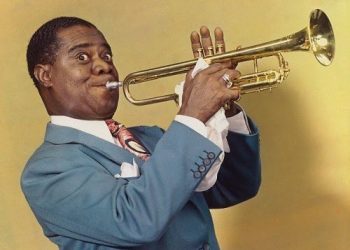
Louis Armstrong, lovingly known as “Satchmo,” is one of the most influential figures in the history of jazz. With his dazzling trumpet skills, warm gravelly voice, and infectious smile, Armstrong didn’t just perform music—he transformed it. His groundbreaking improvisations brought a new level of expression to jazz, turning it from dance music into an art form. Songs like *What a Wonderful World* and *Hello, Dolly!* are not only timeless classics but also showcase his unique ability to connect deeply with listeners, blending heartfelt emotion with technical brilliance. Beyond his musical talent, Armstrong’s stage presence was magnetic. He had a way of making audiences feel like they were sharing in something joyous and personal. His introduction of scat singing—a playful, wordless vocal improvisation—became a signature, influencing countless singers after him. Armstrong broke racial barriers in entertainment, becoming a beloved figure across the world at a time when segregation was still widespread. His laughter, charm, and artistry brought jazz into the mainstream and gave it a human voice. More than a century after his birth, Louis Armstrong remains a beacon of joy and innovation, reminding us that music can touch the soul and change the world.
2. Duke Ellington
Duke Ellington wasn’t just a musician; he was an architect of sound, a composer who shaped the very foundation of jazz. A brilliant pianist, arranger, and bandleader, Ellington elevated jazz into an art form admired around the globe. His orchestra wasn’t merely a band—it was a canvas for his genius. With pieces like *Mood Indigo* and *Take the ‘A’ Train,* he crafted lush, sophisticated arrangements that blended jazz with elements of classical music, blues, and even gospel. Ellington was a master storyteller through melody, using each instrument in his big band like characters in a play, each contributing its own voice. His compositions went beyond catchy tunes—they carried moods, narratives, and a distinct elegance that resonated with audiences from Harlem’s Cotton Club to concert halls worldwide. What made Ellington extraordinary was his ability to innovate while staying deeply rooted in jazz tradition. He gave space for his musicians to shine, fostering talents like Johnny Hodges and Cootie Williams, and his band became a training ground for generations of jazz greats. Duke Ellington didn’t just write music—he built a legacy of beauty, sophistication, and timeless creativity that continues to define jazz to this day.
3. Charlie Parker
Charlie Parker, affectionately nicknamed “Bird,” was a whirlwind of creativity and one of the true architects of modern jazz. A pioneer of bebop, Parker took the alto saxophone to places no one imagined it could go. His lightning-fast runs, daring improvisations, and intricate harmonies redefined what jazz could be, setting the stage for a new era of artistry. On tracks like *Ornithology* and *Ko-Ko,* his playing bursts with brilliance—each note feels alive, unexpected, and yet perfectly placed. Parker’s music wasn’t just about speed or technical mastery; it carried an emotional intensity that reflected his own turbulent life. He poured his struggles, joys, and sorrows into his horn, creating a sound that still speaks to listeners decades later. His influence on jazz is immeasurable. Musicians from Miles Davis to John Coltrane were inspired by his vision, and bebop became the language of serious jazz musicians largely because of Parker’s innovations. Despite his short and often troubled life, Bird’s legacy soars. He transformed jazz from popular dance music into an art form of deep complexity and soul. Charlie Parker didn’t just play the saxophone—he changed the way we hear music forever.
4. Miles Davis
Miles Davis was more than a trumpet player—he was a visionary who seemed to live in the future of music. Throughout his career, Davis reinvented jazz over and over again, leading revolutions in bebop, cool jazz, modal jazz, and even jazz fusion. Albums like *Kind of Blue* remain landmarks, creating atmospheric, spacious music that feels as fresh today as it did in 1959. Later, with *Bitches Brew,* Davis shattered expectations again, blending jazz with rock and electric instruments, opening the door to entirely new sounds. What set Miles apart was his fearless creativity—he never stayed in one place for long. His muted trumpet created haunting, intimate tones, while his improvisations felt like conversations: thoughtful, probing, and full of nuance. Davis also had an eye for talent, mentoring young musicians like John Coltrane, Herbie Hancock, and Wayne Shorter, who went on to become jazz legends in their own right. His cool demeanor and stylish presence made him an icon, but it was his music—restless, bold, and endlessly innovative—that truly defined him. Miles Davis didn’t just play jazz; he constantly reimagined it, leaving a legacy that continues to shape music of every genre.
5. John Coltrane
John Coltrane was more than a saxophonist—he was a seeker, using music as his way to explore the deepest parts of the human soul. Known for his spiritual devotion and relentless pursuit of innovation, Coltrane pushed jazz into uncharted territory. His landmark album *A Love Supreme* isn’t just music—it’s a prayer, a profound expression of faith and gratitude. Coltrane’s tone was intense, urgent, and deeply moving, carrying an almost otherworldly weight. He pioneered modal jazz, breaking away from traditional chord structures to create vast, open spaces for improvisation. Tracks like *Giant Steps* revealed his astonishing technical mastery, with dizzyingly complex chord changes that challenged even the most skilled musicians. But beyond technique, Coltrane’s music radiated honesty and yearning, reflecting his search for meaning and transcendence. He collaborated with giants like Miles Davis and Thelonious Monk, leaving an indelible mark on every project. Even decades after his passing, Coltrane’s sound feels alive, fresh, and deeply relevant. His work speaks not only to jazz lovers but to anyone longing for beauty, truth, and something greater than themselves. John Coltrane didn’t just play notes—he opened a spiritual door through music, inviting us all to step through.
6. Billie Holiday
Billie Holiday’s voice was unlike anyone else’s—fragile yet powerful, aching yet defiant. Known as “Lady Day,” she transformed every song she touched into something deeply personal, almost confessional. When she sang *Strange Fruit*, she turned a haunting protest against racial violence into one of the most powerful pieces of music ever recorded. Tracks like *God Bless the Child* revealed her own struggles and resilience, her voice carrying the pain of heartbreak and the quiet strength of survival. Holiday’s phrasing was revolutionary; she bent melodies, paused where no one expected, and stretched words until they broke your heart. She didn’t just sing a tune—she lived it, pulling listeners into her world of joy, sorrow, and longing. Her life was marked by hardship, from personal battles to systemic racism, but she channeled every wound into art that continues to resonate decades later. Billie Holiday didn’t have a big, polished voice, but she didn’t need one—her emotion cut straight through to the soul. Today, her recordings still feel raw and intimate, as if she’s sitting in the room, singing just for you. Lady Day wasn’t just a jazz singer; she was the sound of truth.
7. Ella Fitzgerald
Ella Fitzgerald, the “First Lady of Song,” was pure joy in musical form. With a voice as clear as crystal and an effortless range that could soar to the heavens or whisper gently, she made singing sound easy—though her mastery was anything but. Fitzgerald could sing anything: swinging jazz, tender ballads, or playful scat improvisations that left audiences in awe. Her famous scat solos, where she turned her voice into an instrument, showcased her boundless creativity and sense of fun. Songs like *Summertime* and her renditions of the Great American Songbook show her ability to bring warmth, elegance, and emotional depth to every phrase. Beyond her technical brilliance, Ella’s charm lit up every stage. She radiated positivity, making every performance feel like a celebration. Her collaborations with legends like Louis Armstrong, Count Basie, and Duke Ellington produced some of jazz’s most beloved recordings, blending her voice seamlessly with their sounds. Despite her fame, Ella remained humble, letting the music speak for itself. Her legacy is one of sheer beauty and grace—a reminder that music can lift us up, even in our darkest moments. When Ella Fitzgerald sang, the whole world felt lighter.
8. Thelonious Monk
Thelonious Monk was one of jazz’s great originals—a pianist and composer whose music sounded like no one else’s. Quirky, angular, and sometimes dissonant, Monk’s melodies were daringly unconventional, yet unforgettable. Pieces like *’Round Midnight* and *Blue Monk* became standards, but they still sound fresh and surprising today. He had a way of playing that was almost percussive, hitting the keys with a deliberate, offbeat touch, as if he was sculpting each note into shape. To some, his style seemed eccentric, even strange at first—but that’s exactly what made him brilliant. Monk wasn’t trying to fit into jazz traditions; he was inventing his own language. On stage, he was famously enigmatic, sometimes standing up to dance while the band kept playing, his personality as colorful as his music. His compositions challenged musicians and listeners alike, inviting them to hear jazz in a whole new way. Over time, the world caught up to Monk, and he became recognized as one of the true visionaries of 20th-century music. His work continues to inspire musicians to embrace boldness and individuality. Thelonious Monk didn’t just play piano—he rewrote the rules of what jazz could be.
9. Chet Baker
Chet Baker, often called the “Prince of Cool,” embodied the West Coast jazz aesthetic with his understated trumpet playing and soft, almost fragile singing voice. Unlike some of his contemporaries who relied on sheer power, Baker’s magic came from his restraint—he could make a single note linger in the air with heartbreaking beauty. Songs like *My Funny Valentine* and *Let’s Get Lost* feel intimate, almost like private conversations whispered over late-night coffee. His trumpet tone was smooth and lyrical, with a romantic melancholy that drew listeners in. Baker also blurred the line between instrumentalist and vocalist, his singing as iconic as his horn, marked by a haunting vulnerability that reflected his tumultuous life. Despite personal struggles and a life marked by chaos, addiction, and heartbreak, Baker’s artistry remained pure and timeless. He didn’t need big gestures or complex runs—his music breathed in quiet spaces, saying more with less. Chet Baker’s recordings still feel deeply personal, as if he’s sharing a piece of his soul. He remains one of jazz’s most enigmatic figures, a reminder that sometimes the softest voice leaves the deepest echo.
10. Oscar Peterson
Oscar Peterson was a pianist of breathtaking ability—so dazzling, in fact, that hearing him for the first time feels almost unreal. Known as the “Maharaja of the Keyboard,” Peterson combined effortless technique with joyful swing, making even the most complex passages sound natural. His fingers flew across the keys with precision and ease, but there was always warmth beneath the virtuosity. Classics like *Hymn to Freedom* and his recordings with the Oscar Peterson Trio show his ability to create lush, dynamic textures while still leaving space for other musicians to shine. He worked with legends like Ella Fitzgerald, Louis Armstrong, and Count Basie, seamlessly adapting to different styles and elevating every collaboration. Beyond sheer skill, Peterson’s playing radiated happiness—you could almost hear him smiling through the notes. Whether he was delivering a tender ballad or an energetic, toe-tapping swing number, his music felt like a celebration. Despite his technical brilliance, Peterson never played to show off; he played to move people. His legacy is not just as one of jazz’s greatest pianists, but as an artist who made the piano sing with joy, soul, and boundless life.
11. Dizzy Gillespie
Dizzy Gillespie wasn’t just a trumpet player—he was a force of nature. With his famously puffed cheeks and bent trumpet bell, Gillespie helped create bebop, a style that reshaped jazz forever. His music was complex yet playful, full of lightning-fast runs and bold improvisations that left audiences in awe. Pieces like *A Night in Tunisia* and *Salt Peanuts* weren’t just songs—they were explosions of creativity. Gillespie’s stage presence was equally electric; he was charismatic, humorous, and impossible to ignore. But his influence went far beyond performance—he brought Afro-Cuban rhythms into jazz, working with artists like Chano Pozo to blend cultures and create something entirely new. Gillespie’s technical skill was jaw-dropping, but he never lost his sense of fun; his music could make you think and make you dance all at once. He was also a generous mentor, helping younger musicians find their voice. Today, Dizzy Gillespie is remembered not only for his iconic sound but for his fearless innovation and joy. He showed the world that jazz could be serious art without losing its spirit of play.
12. Nina Simone
Nina Simone was a voice like no other—rich, deep, and unapologetically powerful. A classically trained pianist turned genre-defying singer, she fused jazz, blues, classical, and soul into something wholly her own. Songs like *Feeling Good* and *I Put a Spell on You* showcase her ability to deliver raw emotion, but it was her socially charged anthems like *Mississippi Goddam* that cemented her as a fearless voice for justice. Simone didn’t just sing songs; she inhabited them, turning every performance into an act of truth-telling. Her piano playing was equally striking, blending classical precision with soulful improvisation. Her life wasn’t easy—she faced racism, personal struggles, and the heavy toll of being a truth-teller—but she poured all of it into her art, creating music that still resonates decades later. Nina Simone wasn’t concerned with being pretty or polite—she was concerned with being real. Her work remains a rallying cry for those who refuse to be silenced, a reminder that music can be both beautiful and revolutionary. To hear Nina Simone is to feel her pain, her power, and her unrelenting will.
13. Stan Getz
Stan Getz’s saxophone didn’t just play notes—it sang. Known as “The Sound,” Getz had a tone so smooth and velvety it could stop you in your tracks. He was a central figure in cool jazz, but it was his collaboration with Brazilian guitarist João Gilberto that introduced the world to bossa nova. Songs like *The Girl from Ipanema* brought a wave of sun-soaked elegance into jazz, and Getz’s warm, flowing lines made listeners feel as if they were swaying by the ocean. His phrasing was effortless, lyrical, and deeply emotional, turning every tune into a conversation. Getz had an uncanny ability to take complex melodies and make them sound easy, as if they were simply drifting out of him. Despite his personal struggles, including a turbulent life offstage, his music remained graceful and captivating. He bridged cultures and genres, creating something timeless in the process. To hear Stan Getz is to hear jazz at its most beautiful—music that is both sophisticated and inviting, smooth as silk but never shallow.
14. Charles Mingus
Charles Mingus was a firestorm of creativity—a bassist, composer, and bandleader who refused to be boxed in. His music was bold, brash, and unafraid, blending jazz, blues, gospel, and even classical influences into a sound that was entirely his own. Tracks like *Moanin’* and *Fables of Faubus* weren’t just brilliant compositions—they were statements, full of emotion and sharp social commentary. Mingus was known for his explosive personality, demanding intensity from himself and everyone around him. But that same passion fueled his genius, pushing his musicians to reach new heights. His bass playing was powerful and commanding, anchoring his often complex arrangements with authority. Mingus’s compositions could swing hard one moment and turn tender or chaotic the next, reflecting the full spectrum of human experience. He wasn’t afraid to confront injustice or express anger through music, making his work deeply resonant and ahead of its time. Charles Mingus didn’t just play jazz—he tore it open and rebuilt it in his own vision, leaving behind a legacy that still challenges and inspires.
15. Herbie Hancock
Herbie Hancock is the rare artist who never stops evolving. A piano and keyboard virtuoso, he’s been at the heart of nearly every major shift in jazz over the last half-century. In the 1960s, he joined Miles Davis’s “Second Great Quintet,” helping shape the future of modern jazz with his innovative harmonic ideas. Then came *Head Hunters*, his groundbreaking album that blended jazz with funk, creating a new, irresistible sound. Songs like *Chameleon* brought jazz to a wider audience and proved that complexity and groove could coexist beautifully. Hancock has also embraced technology like few others, incorporating synthesizers and electronic textures into his music long before it was common. Yet, no matter how far he pushes boundaries, there’s always a sense of soul and joy in his playing. He’s equally at home performing acoustic standards or experimenting with cutting-edge sounds. Herbie Hancock is not just a musician—he’s a musical explorer, constantly asking “what’s next?” His work reminds us that jazz is a living, breathing art form, and his influence will continue to guide it for generations to come.

Edward Tomlin is a frequent contributor to Singers Room. Since 2005, Singersroom has been the voice of R&B around the world. Connect with us via social media below.