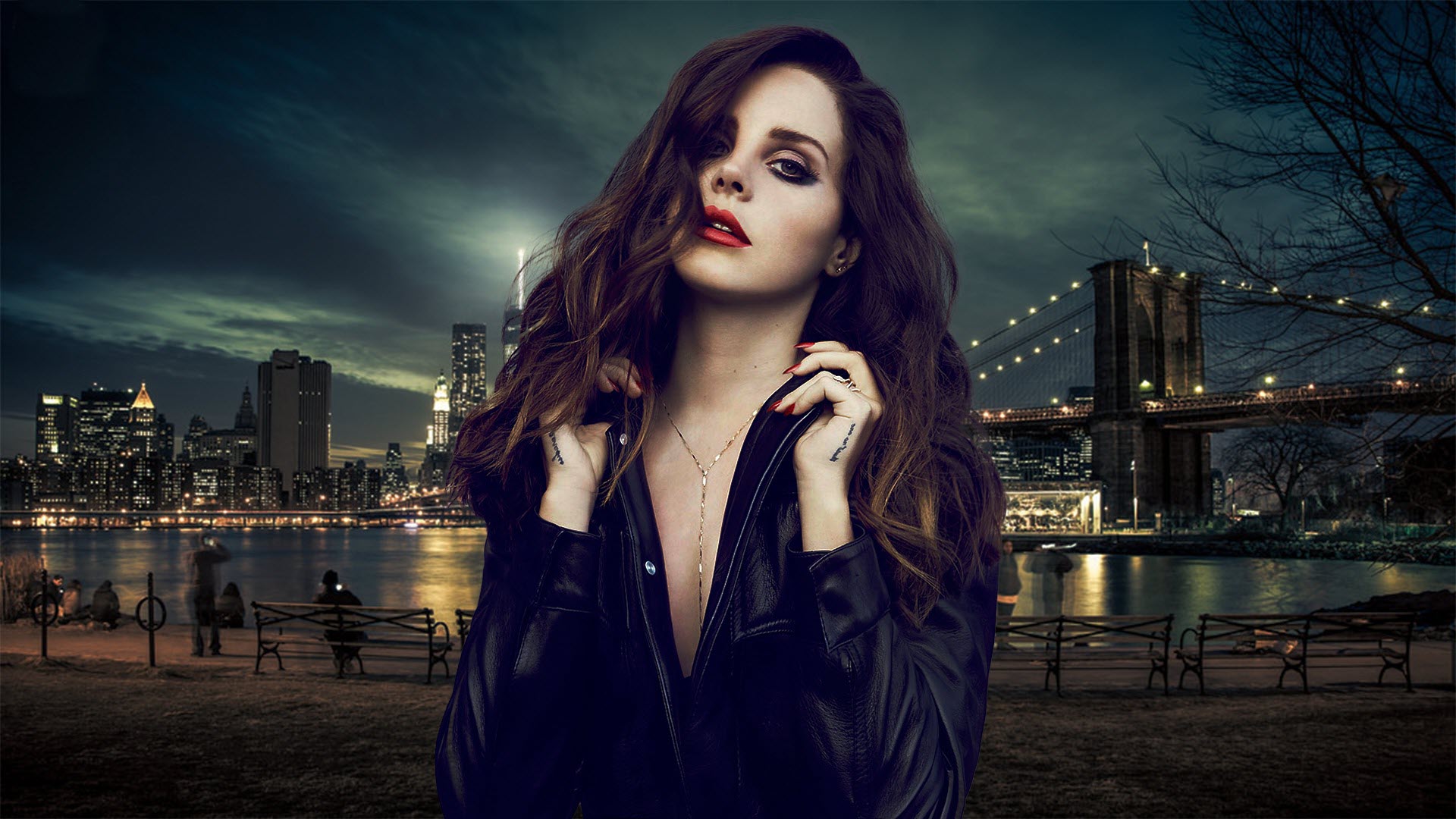
Lana Del Rey, the enigmatic queen of melancholic melodies, has captivated hearts around the globe with her unique blend of nostalgia and modernity. With a voice that drips with emotion and lyrics that weave stories of love, loss, and longing, she has carved out a distinct niche in the music industry. From her debut album “Born to Die” to the hauntingly beautiful “Chemtrails Over the Country Club,” every release has showcased her evolution as an artist, while remaining true to her cinematic style.
In this article, we delve into the top 10 most popular Lana Del Rey songs of all time—a curated playlist that highlights not only her chart-topping hits but also the fan favorites that resonate deeply. Each song serves as a testament to her lyrical prowess and sonic artistry, transporting listeners to a realm where the past meets the present. Whether you’re a lifelong fan or new to her music, join us as we explore the tracks that define Lana Del Rey’s legacy and solidify her status as a modern icon. Get ready to embark on a nostalgic journey through the soundscapes that have left an indelible mark on contemporary pop culture!
1. Video Games (2011)
When “Video Games” dropped in 2011, it didn’t just introduce Lana Del Rey—it stopped listeners in their tracks. This haunting ballad, built on sweeping strings and vintage Hollywood melancholy, felt like something entirely new. Lana’s sultry, languid vocals pull you into a world of yearning and quiet heartbreak, where love is obsessive, passive, and endlessly cinematic. The lyrics are both personal and performative, painting a picture of a woman lost in her own devotion—sitting at home, watching her lover play video games, craving his attention. It’s not the typical love song; it’s melancholic, submissive, and full of self-awareness. There’s a tragic beauty to the song’s simplicity—lines like “I heard that you like the bad girls, honey, is that true?” strike deep with their raw vulnerability. “Video Games” didn’t follow trends; it set them, establishing Lana as a new kind of pop star—more torch singer than chart-topper. It became a cultural moment, reshaping the indie-pop landscape with its blend of nostalgic glamour and modern disillusionment. This was more than a debut—it was a declaration of a unique voice, equal parts heartbreak and old-Hollywood dream.
2. Born to Die (2012)
“Born to Die,” the title track of Lana Del Rey’s 2012 breakthrough album, encapsulates everything that makes her artistry so compelling—lush production, cinematic drama, and unfiltered vulnerability. From the very first orchestral swell, the song sets a grand, almost operatic tone. It feels like stepping into a doomed love affair, one that burns brightly and ends painfully. Lana’s voice, sultry yet fragile, floats over the track with a sense of both resignation and defiance. Lyrically, “Born to Die” is filled with contradictions—beauty and pain, freedom and dependence, life and inevitable loss. Lines like “Let me kiss you hard in the pouring rain, you like your girls insane” are provocative yet tender, capturing the dangerous thrill of toxic love. The chorus echoes with tragic finality, as if she’s preparing for the heartbreak even as she revels in the passion. The song became an instant classic, helping Lana define a style that mixes vintage Americana with modern despair. “Born to Die” is more than a song—it’s a manifesto for Lana’s entire aesthetic, setting the tone for her career as an artist unafraid to find beauty in the bleakest corners of love and life.
3. Summertime Sadness (2012)
“Summertime Sadness,” released in 2012 as part of Born to Die, is one of Lana Del Rey’s most iconic tracks—an anthem of beautiful contradiction. While its title suggests heartbreak, the song balances mournful lyrics with a surprisingly lush and danceable beat. This duality is what makes it unforgettable. It captures the feeling of love that’s burning too brightly to last, evoking the kind of nostalgia that hits before the moment even ends. Lana’s vocals are smoky and aching, delivering lines like “I got my red dress on tonight” with a mix of glamor and grief. There’s a cinematic quality to the imagery: city lights, high heels, doomed romance—all painted with a brush of melancholy. When the Cedric Gervais remix took off and became a club hit, the song found a second life, introducing Lana to an even broader audience. Yet even in its most upbeat form, the sadness remains. It’s not just about missing someone—it’s about mourning a moment, a feeling, a version of yourself that you know is fading. “Summertime Sadness” is the rare kind of pop song that’s both dancefloor-ready and emotionally devastating.
4. Young and Beautiful (2013)
“Will you still love me when I’m no longer young and beautiful?” That single, devastating question sits at the heart of Lana Del Rey’s “Young and Beautiful,” released in 2013 for The Great Gatsby soundtrack. With sweeping orchestration and vintage glamor, the song perfectly mirrors the film’s themes of excess, fleeting beauty, and emotional emptiness. Lana’s voice is haunting—fragile, yearning, and full of soul—as she navigates the anxiety of impermanence and the haunting reality that beauty and love might not last forever. The instrumentation is grand and cinematic, with soft strings and echoing drums giving it a timeless, orchestral feel. This isn’t just a soundtrack song—it’s a deeply personal meditation on the fear of being left behind when youth fades. There’s a loneliness in the lyrics, a vulnerability rarely captured so honestly in pop music. Yet, there’s also strength—Lana isn’t begging for love, she’s wondering aloud whether she’s more than just her appearance. “Young and Beautiful” cemented her as a voice capable of delivering not just style, but true emotional substance. It remains one of her most powerful songs, a perfect fusion of haunting sound and existential depth.
5. Blue Jeans (2012)
“Blue Jeans,” one of the standout tracks from Lana Del Rey’s 2012 Born to Die album, is a seductive, noir-inspired tale of doomed romance. With its pulsing beat and sultry vocals, the song oozes vintage Americana while telling a very modern story of love, obsession, and loss. Lana’s lyrics are vivid and cinematic, painting scenes of passion and betrayal with every line: “I will love you ’til the end of time, I would wait a million years.” There’s a retro-glam feel to the track—think James Dean swagger and cigarette smoke—but it’s undercut by real vulnerability. The relationship at the song’s center feels intense and destructive, full of longing that teeters on desperation. Musically, “Blue Jeans” blends minimal hip-hop beats with sweeping strings and reverb-heavy vocals, creating a dreamy but tense atmosphere. It’s a perfect example of Lana’s signature style—where vintage style meets modern emotional turmoil. The song’s slow burn makes it hypnotic, almost trance-like, as if you’re being pulled deeper into the memory of a love you know was never good for you. “Blue Jeans” is not just a song—it’s a mood, a memory, a heartbreak you can’t forget.
6. Lust for Life (feat. The Weeknd) (2017)
“Lust for Life,” the title track from Lana Del Rey’s 2017 album, is a shimmering collaboration with The Weeknd that beautifully blends their haunting vocal styles. Unlike her earlier, more fatalistic work, this song takes a more optimistic tone, reflecting a shift in her artistic direction. The lyrics suggest a desire to escape from the pressures of fame and seek a life full of love, spontaneity, and emotional fulfillment. With lines like “Climb up the H of the Hollywood sign,” Lana and The Weeknd playfully romanticize rebellion while maintaining a wistful sincerity. The track’s dreamy production, layered harmonies, and cinematic atmosphere evoke a feeling of nostalgia mixed with hope. It’s a moment where Lana sheds some of her signature melancholy in favor of a more spirited outlook, yet she keeps the vintage glamour and poetic lyricism that fans adore. “Lust for Life” stands as a pivotal moment in her discography—one that embraces collaboration, introspection, and an earnest longing for joy without abandoning her haunting, romantic core.
7. Ride (2012)
“Ride,” released in 2012 as part of the Paradise EP, is one of Lana Del Rey’s most emotional and cinematic works. The song plays like a soliloquy, a personal confession drenched in longing, isolation, and a search for freedom. With sweeping orchestral arrangements and a slow-building intensity, Lana invites the listener into the story of a woman who feels out of place but longs to find meaning through motion—riding down highways, chasing sunsets, and trying to escape the noise of her past. Her iconic spoken-word intro and outro frame the song with poetic depth, revealing a character torn between vulnerability and strength. Lyrics like “I hear the birds on the summer breeze, I drive fast, I am alone at midnight” capture the restless spirit of someone yearning to belong in a world that doesn’t understand her. “Ride” is not just a song—it’s an anthem of self-discovery, raw emotion, and personal liberation. Through it, Lana masterfully combines her cinematic vision with heartfelt storytelling, cementing her place as an artist unafraid to bare her soul.
8. Cherry (2017)
“Cherry” from Lust for Life (2017) is a seductive and raw expression of love’s darker, more obsessive side. Lana Del Rey dives deep into emotional vulnerability here, blending jazz-influenced tones with whispered confessions and volatile passion. The song’s minimalist instrumentation—steady drum loops, dark piano notes, and eerie echoes—creates an intimate soundscape where Lana’s voice is front and center. Her vocal performance is both tender and intense, giving life to lyrics like “Darlin’, darlin’, darlin’, I fall to pieces when I’m with you.” There’s a push and pull in the song, a tension between desire and destruction that mirrors the complexity of the relationship she describes. In a surprising moment, she adds a spoken-word outro laced with profanity and emotional urgency, which underscores the raw honesty that defines this track. “Cherry” feels like a confessional whispered through red lips in the dark, moody and intoxicating. It’s a standout piece that showcases Lana’s fearless commitment to exploring the intricacies of love, loss, and longing—always wrapped in a haze of vintage glamour and aching truth.
9. The Greatest (2019)
“The Greatest,” from Lana Del Rey’s 2019 album Norman Fucking Rockwell!, is a sweeping lament about the fading of cultural and personal glory. Part nostalgic memoir, part social commentary, the song reflects on the disillusionment of modern times and the ache of memories that can’t be relived. With lines like “L.A. is in flames, it’s getting hot,” Lana captures both environmental and emotional decline, creating a layered narrative about loss—of youth, fame, and a simpler era. The soft-rock instrumentation and melancholic melody call back to classic California sounds, blending beautifully with her wistful vocals. There’s a sense of longing in every note, as if she’s singing from a world that’s slowly slipping away. “The Greatest” serves as a kind of elegy—not just for a past relationship, but for the idealized dreams of an entire generation. Lana’s ability to tap into cultural consciousness while still keeping the song deeply personal makes this track one of her most poignant and sophisticated works. It’s a quiet masterpiece that captures the weariness of growing older in a world that often feels like it’s coming undone.
10. Doin’ Time (2019)
Lana Del Rey’s cover of “Doin’ Time,” originally by Sublime, is a smooth and sultry reimagining that brings a unique vintage flair to the 2019 classic. Infused with her signature dreamy sound, Lana transforms the laid-back, reggae-infused original into a hazy, cinematic experience. Her vocals glide effortlessly over the beat, bringing a cool detachment to lyrics about betrayal, summer heat, and emotional confinement. What makes her version stand out is the way she filters the song through her own artistic lens—giving it an eerie, almost noir atmosphere. The production remains faithful to the relaxed vibe of the original, yet Lana’s ethereal touch adds a layer of sophistication and mystique. It’s playful but tinged with melancholy, a combination that defines much of her music. “Doin’ Time” became a surprise hit and introduced her to a broader audience, proving that she could take someone else’s song and make it entirely her own. The track works both as a nod to 90s nostalgia and a fresh entry into her repertoire, showing off her versatility while staying true to her singular style.

Edward Tomlin is a frequent contributor to Singers Room. Since 2005, Singersroom has been the voice of R&B around the world. Connect with us via social media below.