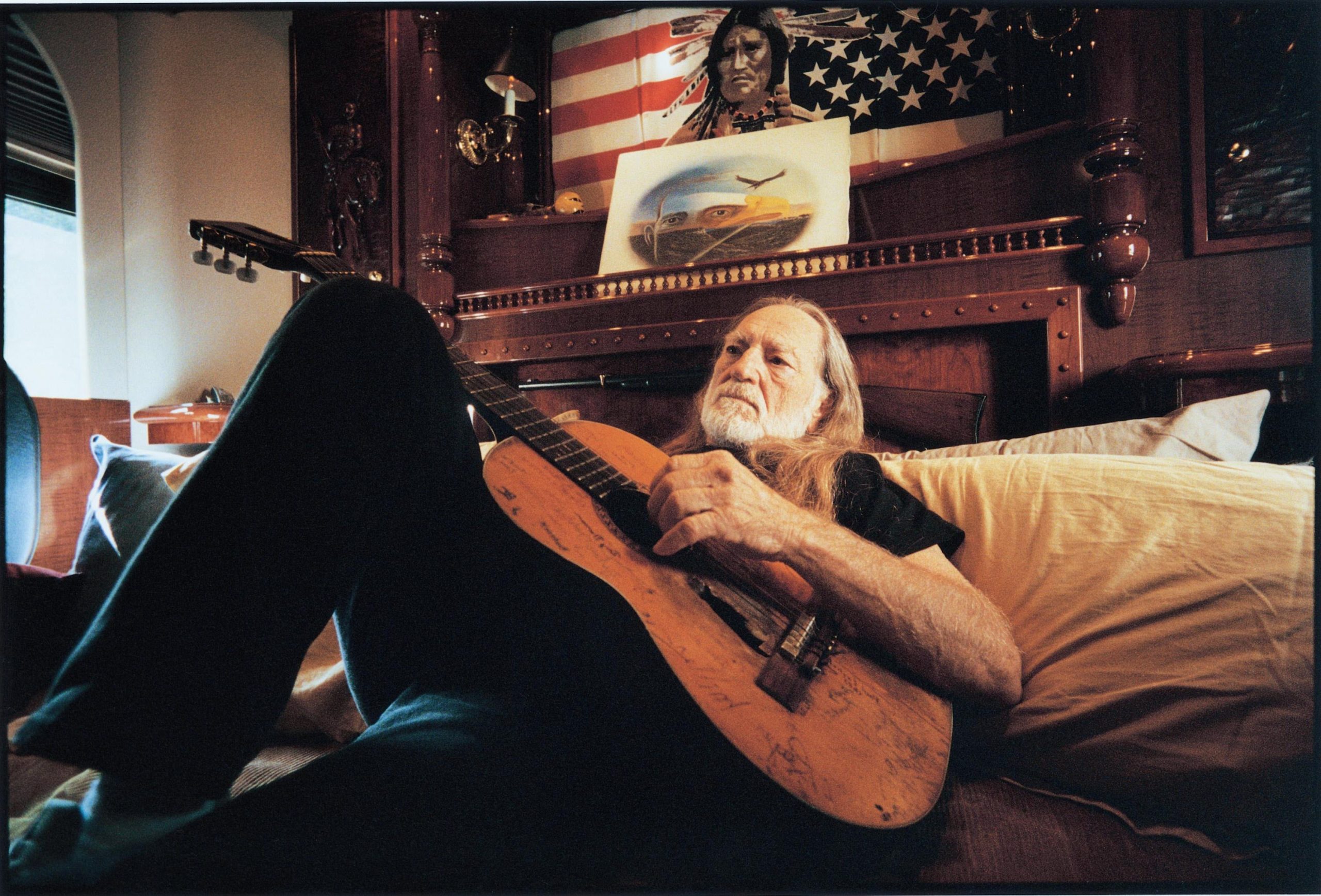
Few artists have left a mark on American music quite like Willie Nelson. With his signature braided hair, nasal drawl, and unmistakable guitar tone, Nelson is more than a country legend — he’s a national treasure. Over a career spanning more than six decades, he has written, covered, and performed some of the most timeless songs in music history. From heart-wrenching ballads to road-worn anthems, his catalog is a rich tapestry of storytelling, soul, and rebellion. Whether you’re a lifelong fan or just discovering the magic of “Shotgun Willie,” there’s no denying the power of his music to stir emotion and spark nostalgia. But with hundreds of songs to his name, where do you start? We’ve rounded up the top 10 most popular Willie Nelson songs of all time — the ones that defined his career, dominated the charts, and continue to resonate with fans across generations. These are the tracks that made Willie a household name and an icon of the outlaw country movement. So pour a glass of whiskey, settle in, and take a musical journey through the songs that made Willie Nelson one of the most beloved voices in American music. Let’s hit play on greatness.
1. Blue Eyes Crying in the Rain (1975)
When Willie Nelson released “Blue Eyes Crying in the Rain” in 1975, it wasn’t just another cover—it was a personal statement that redefined his career. Originally penned by Fred Rose in the 1940s and recorded by several artists before him, Nelson stripped the song down to its bare emotional core for his Red Headed Stranger album. With nothing but his tender voice, a gently picked guitar, and sparse production, he turned it into a haunting meditation on love, heartbreak, and the passage of time. At a moment when country music was drenched in slick studio polish, this minimalist approach was a revelation. The song climbed to No. 1 on the Billboard Hot Country chart—Nelson’s first chart-topping single—and introduced millions to his distinctive blend of vulnerability and grit. It also marked a turning point, placing him at the forefront of the “outlaw country” movement that rejected Nashville conventions in favor of raw storytelling. “Blue Eyes Crying in the Rain” remains one of his most beloved performances, not just because of its melodic simplicity, but because it sounds like Nelson is living every word. It’s quiet, aching, and unforgettable—a timeless expression of sorrow and grace.
2. On the Road Again (1980)
Few songs capture the freewheeling spirit of life on tour like Willie Nelson’s “On the Road Again.” Written on the back of an airline sickness bag during a flight—an origin story as legendary as the man himself—the tune was created for the 1980 film Honeysuckle Rose, in which Nelson also starred. With its upbeat rhythm and cheerful guitar riff, the song taps into the joy, camaraderie, and purpose that come from being constantly on the move. The lyrics are deceptively simple, yet they resonate with anyone who’s ever found their calling far from home: “Goin’ places that I’ve never been / Seein’ things that I may never see again.” It became a huge crossover hit, landing in the top 20 on the pop charts and winning a Grammy for Best Country Song. More than just a commercial success, “On the Road Again” became a personal anthem for Nelson and a symbolic theme for musicians, wanderers, and dreamers alike. Decades later, its opening line remains instantly recognizable, a musical passport to the open highway. It’s a song of optimism and motion, forever linked with Willie’s image as a restless troubadour following his muse from one town to the next.
3. Always on My Mind (1982)
There’s something about Willie Nelson’s voice that makes even the simplest lyric feel like a confession. Nowhere is that more powerful than on his 1982 rendition of “Always on My Mind.” Though the song had been previously recorded by artists like Elvis Presley, Nelson’s version brought it to new emotional heights. Originally written by Wayne Carson, Johnny Christopher, and Mark James, it’s a song about regret—of not doing enough, of realizing too late how much someone meant. Nelson delivers it with heartbreaking honesty, his voice full of remorse and tenderness. The arrangement is soft, lush, and unhurried, giving every line space to breathe. The public responded in kind: the song topped the country charts and crossed over into the pop world, earning Willie three Grammy Awards, including Song of the Year. But beyond the accolades, “Always on My Mind” endures because it feels real. It’s not about grand gestures—it’s about the quiet pain of what could have been. Willie made the song his own, and in doing so, gave the world one of the most poignant ballads of the 20th century.
4. Whiskey River (1973)
“Whiskey River” is more than a song—it’s practically a mantra for Willie Nelson fans. Originally written and released by Johnny Bush in 1972, Willie recorded his own version the following year on Shotgun Willie. From that point on, it became a centerpiece of his live shows, often serving as the opening number to set the mood. What makes Nelson’s version so captivating is the way it straddles the line between honky-tonk and something more meditative. The lyrics—“Whiskey river, take my mind / Don’t let her memory torture me”—are both a plea and a form of self-medication, with whiskey symbolizing both escape and despair. Willie’s phrasing is relaxed but raw, his guitar play slightly off-kilter in that signature Nelson way, making the whole thing feel intimate and honest. The track may never have topped the charts, but its staying power speaks volumes. It’s a song that audiences know by heart, a ritual as familiar as Willie’s red bandana. “Whiskey River” endures because it taps into something universal: the need to numb pain, even for a little while, and the yearning that lingers when the bottle runs dry.
5. Georgia on My Mind (1978)
When Willie Nelson recorded “Georgia on My Mind” for his 1978 album Stardust, he took a song steeped in jazz and Southern soul and gave it a warm, acoustic reimagining. Originally composed by Hoagy Carmichael with lyrics by Stuart Gorrell in 1930, the tune was already iconic thanks to Ray Charles’s unforgettable version. But Nelson didn’t try to mimic anyone—instead, he approached the song with his signature understated style. His phrasing is slow and deliberate, like he’s savoring each word. Backed by gentle instrumentation and subtle jazz inflections, his rendition emphasizes the song’s nostalgic pull. “Georgia on My Mind” became one of the standout tracks on Stardust, an album of American pop standards that showcased Nelson’s musical range beyond the country genre. It climbed the country charts and won over fans who may never have heard his earlier outlaw material. With this cover, Willie proved that great songs transcend genre—and that a great artist can make even the most familiar tune sound entirely new. His “Georgia” isn’t flashy; it’s heartfelt, homespun, and steeped in memory.
6. Mammas Don’t Let Your Babies Grow Up to Be Cowboys (1978)
There’s a mischievous grin hiding behind every note of “Mammas Don’t Let Your Babies Grow Up to Be Cowboys,” the 1978 hit duet between Willie Nelson and Waylon Jennings. Originally written and recorded by Ed Bruce in 1976, the song took on new life when the outlaw country duo got their hands on it for the Waylon & Willie album. Their contrasting vocal styles—Willie’s laid-back drawl and Waylon’s rugged baritone—created a dynamic interplay that perfectly suited the song’s sly message. On the surface, it’s a tongue-in-cheek warning to mothers everywhere, cautioning against the unpredictable, often lonesome lives of cowboys. But underneath, there’s a deeper commentary on the romanticism and reality of the American West. It’s a celebration of independence and a rejection of conformity, wrapped in a catchy, twangy tune that topped the country charts and won a Grammy for Best Country Vocal Duo. The song became an anthem not just for cowboys, but for anyone who walks a path less traveled. Playful, poignant, and proudly unpolished, it stands as one of the great outlaw country statements of the 1970s.
7. Angel Flying Too Close to the Ground (1981)
“Angel Flying Too Close to the Ground” is one of Willie Nelson’s most emotionally resonant songs—a delicate ballad that feels as though it was plucked from the depths of personal grief. Released in 1981 as part of the Honeysuckle Rose soundtrack, the song was written entirely by Nelson and has long been interpreted as a tribute to someone lost too soon. Whether it’s about a lover, a friend, or a kindred soul, the ambiguity only enhances its poignancy. Nelson’s vocal delivery is tender and restrained, floating gently over a minimalist arrangement of guitar and soft backing. The title itself is poetic, suggesting someone too pure or fragile for this world. The song reached No. 1 on the Billboard Hot Country chart, but its impact goes far beyond chart positions. It’s the kind of track that creeps up on you, leaving an ache in its wake. In a career filled with genre-defining hits and boundary-pushing records, “Angel Flying Too Close to the Ground” stands out for its sheer vulnerability. It’s a whisper rather than a shout—a quiet moment of beauty that lingers long after the final note.
8. Funny How Time Slips Away (1965)
Willie Nelson wrote “Funny How Time Slips Away” in the early 1960s, and though it was first recorded by Billy Walker in 1961, Nelson didn’t lay down his own version until 1965’s Country Willie: His Own Songs. His take on it isn’t flashy—it doesn’t need to be. It’s conversational, almost like eavesdropping on an old flame catching up at a quiet bar. The lyrics speak to the strange passage of time and the way old feelings linger in unexpected ways: “It’s been so long now, but it seems now that it was only yesterday.” Nelson’s delivery is relaxed but laced with bittersweet resignation, adding layers of meaning to a deceptively simple melody. Though it wasn’t a major hit at the time, the song has endured as one of his finest compositions and has been covered by countless artists across genres. What makes Nelson’s version special is the authenticity—he doesn’t just sing it, he lives it. It feels like a memory, tinged with regret and acceptance, wrapped in the plainspoken poetry that’s become his signature.
9. City of New Orleans (1984)
“City of New Orleans” is a song about a train, but in Willie Nelson’s hands, it becomes a meditation on America itself. Originally written by Steve Goodman in 1971, the song chronicles a journey from Chicago to the Gulf, capturing the fading grandeur of rail travel and the passage of time. When Nelson recorded it for his 1984 album of the same name, he brought a gentle wisdom to the lyrics, turning it into a No. 1 country hit. His weathered voice and unhurried phrasing gave the song a reflective quality that added emotional depth to Goodman’s already vivid storytelling. The track evokes a sense of longing—not just for a place, but for a way of life slowly disappearing. With its warm instrumentation and rolling rhythm, “City of New Orleans” rides the line between nostalgia and inevitability. It’s one of Nelson’s most successful singles of the ’80s and a standout moment in his extensive discography. Like a good train ride, the song doesn’t rush—it allows you to take in the scenery and think about the journey you’re on.
10. To All the Girls I’ve Loved Before (1984)
“To All the Girls I’ve Loved Before” is one of the most unexpected—and charming—entries in Willie Nelson’s songbook. Released in 1984 as a duet with the smooth-voiced Spanish singer Julio Iglesias, the song was featured on Iglesias’s album 1100 Bel Air Place and quickly became a massive international hit. With its gentle melody, lush production, and bilingual flair, the track paid tribute to all the past loves that helped shape who we are today. Nelson’s homespun twang plays beautifully against Iglesias’s velvety croon, creating a cross-cultural blend that appealed to audiences far beyond the usual country crowd. The song reached No. 5 on the Billboard Hot 100 and topped the country chart, proving that sometimes the most unlikely collaborations yield the most memorable results. More than a novelty, it showed Nelson’s willingness to experiment and his deep understanding of emotional storytelling. “To All the Girls I’ve Loved Before” is a toast to romance, to memory, and to music’s power to bridge borders—both personal and geographic.

Samuel Moore is a frequent contributor to Singers Room. Since 2005, Singersroom has been the voice of R&B around the world. Connect with us via social media below.









