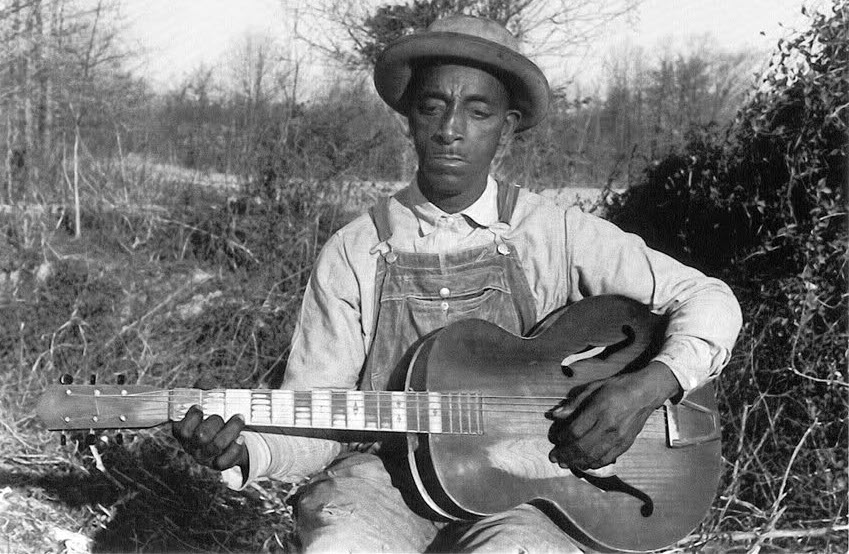
The blues isn’t just a genre—it’s the beating heart of modern music. Born from the deep soul of the American South, the blues carries stories of struggle, triumph, heartbreak, and resilience. Its raw emotion and gritty authenticity have influenced everything from rock and soul to jazz and hip-hop, echoing through generations of artists and fans alike. Whether it’s a mournful guitar solo, a gravelly vocal line, or a foot-stomping rhythm that grabs hold of your soul, the blues speaks a universal language that’s as powerful today as it was a century ago.
In this list, we’re diving into the Top 15 Most Popular Best Blues Songs of All Time—legendary tracks that shaped the genre and left an indelible mark on music history. From the haunted crossroads of Robert Johnson to the electrifying power of B.B. King and the fiery melodies of Stevie Ray Vaughan, these songs aren’t just hits—they’re milestones. Each one tells a story, each riff cuts deep, and every note is soaked in emotion. Whether you’re a lifelong blues fan or just discovering its magic, this list will take you on a journey through the soul of one of music’s most enduring and influential styles. Let’s plug in and turn it up.
1. “Superstition” – Stevie Wonder (1972)
Released in 1972, “Superstition” marked a bold new direction for Stevie Wonder—one that showcased his total creative control and genre-defying brilliance. Opening with that unmistakable clavinet riff, the song instantly commands attention, locking into a gritty, infectious funk groove that never lets up. Wonder’s lyrics take aim at the dangers of blind belief and irrational fears, cleverly packaged in a track so catchy it’s almost impossible not to move to. This wasn’t just another funk song—it was a statement. Part of the Talking Book album, “Superstition” became a No. 1 hit on the Billboard Hot 100 and solidified Wonder’s place as one of the most innovative forces in popular music. What makes the track so enduring is its balance of raw energy and thoughtful commentary. The instrumentation is tight, with a punchy horn section and deep-pocket rhythm, while Wonder’s vocal delivery is as soulful as it is urgent. It’s a perfect fusion of funk, soul, and rock—genre lines blurred by a master at work. More than fifty years later, “Superstition” still sounds fresh, standing tall as a timeless anthem and a cornerstone of Stevie Wonder’s legendary career.
2. “Bohemian Rhapsody” – Queen (1975)
“Bohemian Rhapsody” isn’t just a song—it’s a six-minute theatrical experience. Released in 1975 as part of Queen’s A Night at the Opera, this genre-blending masterpiece was unlike anything that had come before it. Written by Freddie Mercury, the track combines sweeping ballads, operatic flourishes, and blistering hard rock into a single, cohesive piece that defies musical convention. From its haunting piano opening to the now-iconic “Galileo” vocal breakdown and Brian May’s soaring guitar solo, every second of the song is meticulously crafted. Initially, critics and executives were skeptical—radio-friendly hits weren’t supposed to be this long or this complex—but the public disagreed. “Bohemian Rhapsody” topped the UK charts for nine straight weeks and became a global phenomenon. Mercury’s vocal performance is both tender and thunderous, capturing a whirlwind of emotion in one breath. Over the years, the song’s mythic status has only grown, especially after its revival in the Wayne’s World film and its centerpiece role in the Bohemian Rhapsody biopic. Today, it’s more than a song—it’s a cultural landmark that celebrates artistic risk-taking and the limitless possibilities of rock.
3. “Imagine” – John Lennon (1971)
“Imagine,” released in 1971, remains one of the most powerful and enduring peace anthems ever written. With just a soft piano line and John Lennon’s gentle vocals, the song paints a picture of a world without war, borders, or materialism. It’s a simple melody, yet its message carries immense weight. Inspired by the poetry of Yoko Ono and Lennon’s growing disillusionment with global politics, “Imagine” dares listeners to dream of unity and compassion in the face of division. Unlike protest songs that shout their message, Lennon’s approach is disarmingly calm and hopeful, which perhaps makes it even more impactful. The lyrics invite—not demand—change, and that subtlety has helped it resonate with listeners across generations. Whether played at rallies, vigils, or just on a quiet evening, “Imagine” continues to serve as a musical prayer for peace. It became Lennon’s signature solo hit and has since been covered and referenced countless times. Over five decades later, its vision remains as relevant—and necessary—as ever, a reminder that even the simplest songs can carry the most profound truths.
4. “What’s Going On” – Marvin Gaye (1971)
When Marvin Gaye released “What’s Going On” in 1971, he redefined what soul music could be. At a time when Motown was known for love songs and feel-good hits, Gaye took a bold step toward political and spiritual consciousness. Inspired by his brother’s accounts of the Vietnam War and the social unrest at home, Gaye turned his heartbreak and confusion into a song that asked one simple, haunting question: what’s going on? The track opens with a smooth saxophone and ambient street sounds, setting a contemplative mood before Gaye’s tender voice enters. Layered with lush instrumentation and gospel-influenced backing vocals, the song’s beauty contrasts with its serious subject matter—war, poverty, police brutality, and environmental decline. Rather than anger, Gaye sings with compassion and empathy, making his plea feel deeply personal. “What’s Going On” didn’t just top charts—it changed the game. It opened the door for soul and R&B artists to speak on real-world issues and helped solidify Gaye as not just a musical icon, but a voice of a generation. Even today, its message is heartbreakingly relevant, reminding us that the questions it raises are still unanswered.
5. “Respect” – Aretha Franklin (1967)
In 1967, Aretha Franklin didn’t just sing “Respect”—she owned it. Originally recorded by Otis Redding, the song took on a whole new life in Franklin’s hands. Her version transformed it into a powerful declaration of dignity, self-worth, and female empowerment. Backed by gospel-infused energy and her unmatched vocal firepower, Franklin spelled out R-E-S-P-E-C-T with fierce pride, turning the track into both a feminist rallying cry and a civil rights anthem. The arrangement pops with energy—punchy horns, lively background vocals, and Franklin’s soulful piano work drive the message home. It was a defining moment not only in her career but in American pop culture. “Respect” topped the Billboard Hot 100 and R&B charts, earned Franklin two Grammy Awards, and helped cement her title as the Queen of Soul. But its impact goes beyond accolades. It gave a voice to those demanding recognition and equality during a time of immense social change. More than fifty years later, “Respect” remains a timeless anthem—a song that continues to speak loud and clear to new generations about pride, power, and yes, respect.
6. “Like a Rolling Stone” – Bob Dylan (1965)
When Bob Dylan released “Like a Rolling Stone” in 1965, he shattered the boundaries of what a popular song could be. Clocking in at over six minutes—a radical move at the time—it threw out conventional pop structures in favor of raw, poetic storytelling and biting social commentary. With its swirling organ riffs from Al Kooper and the razor-sharp guitar work of Mike Bloomfield, the track buzzes with urgency. Dylan’s vocal delivery is defiant, sneering, and emotionally charged as he tells the story of a woman who once had everything but now finds herself cast adrift, stripped of privilege. The lyrics are both accusatory and oddly empathetic, capturing a sense of existential drift that resonated deeply with 1960s listeners. “Like a Rolling Stone” wasn’t just a hit—it was a cultural pivot point. It marked Dylan’s full embrace of electric rock and paved the way for more complex, introspective songwriting in mainstream music. Frequently hailed as one of the greatest songs ever recorded, its influence can still be felt today. Dylan didn’t just write a song—he wrote a manifesto for a generation questioning everything.
7. “Smells Like Teen Spirit” – Nirvana (1991)
“Smells Like Teen Spirit” didn’t just launch Nirvana into stardom—it detonated a cultural revolution. Released in 1991 as the lead single from Nevermind, the song brought grunge roaring out of Seattle and into the mainstream. It kicked down the doors of hair metal and glossy pop, replacing them with distortion, angst, and authenticity. Kurt Cobain’s fuzz-soaked guitar riffs and raspy, anguished vocals tapped into a generation’s frustration and apathy. The track’s now-iconic quiet-loud-quiet dynamic created a sense of release and rebellion in every chorus. Lyrically cryptic but emotionally raw, it became a rallying cry for kids who felt alienated, unheard, or just plain bored. The accompanying music video—with its chaotic high school pep rally turned riot—perfectly captured the song’s spirit. “Smells Like Teen Spirit” didn’t just define the ’90s—it reshaped the very idea of what a rock star could look and sound like. It was loud, messy, and unapologetically real. More than three decades later, its opening riff still sends a shiver down your spine. It wasn’t just a hit—it was a generational explosion.
8. “Billie Jean” – Michael Jackson (1983)
“Billie Jean,” released in 1983, is the song that redefined pop music and cemented Michael Jackson’s status as the King of Pop. Featured on the legendary Thriller album, it blends infectious rhythm with storytelling drama in a way only Jackson could deliver. The track opens with one of the most recognizable basslines in music history, setting the stage for a tale of fame, paranoia, and denial. Jackson’s vocals are sharp and urgent as he insists, “The kid is not my son,” spinning a narrative that feels both personal and cinematic. The production, led by Quincy Jones, is airtight—crisp snares, shimmering synths, and subtle funk guitar all lock into a hypnotic groove. But “Billie Jean” was more than just a studio masterpiece. When Jackson moonwalked across the stage during Motown 25, he created an indelible moment in pop culture. The song topped charts around the world and played a key role in Thriller becoming the best-selling album of all time. Decades later, “Billie Jean” still pulses with energy, its mix of mystery and rhythm unmatched. It’s not just a hit—it’s a benchmark for what pop excellence looks and sounds like.
9. “Hotel California” – Eagles (1976)
Released in 1976, “Hotel California” is more than just a song—it’s a haunting parable about the seductive but hollow promise of the American Dream. From the moment that hypnotic 12-string guitar intro begins, listeners are drawn into a world both surreal and strangely familiar. Don Henley’s haunting vocals guide us through a story of arrival, temptation, and ultimate entrapment in a mysterious, dreamlike hotel that you can “never leave.” The lyrics are rich with allegory, open to endless interpretation, touching on themes of fame, excess, and spiritual disillusionment. The music itself is just as layered, blending smooth West Coast rock with subtle Latin and country influences. And of course, the dual guitar solo by Don Felder and Joe Walsh—one of the most iconic in rock history—builds the song to an unforgettable climax. As the title track of their massively successful album, “Hotel California” topped charts and won the Grammy for Record of the Year. But its impact went far beyond commercial success. It became a defining moment in 1970s rock, a cultural symbol of both glamour and decay. Decades later, its eerie beauty and lyrical mystery continue to captivate listeners around the world.
10. “Good Vibrations” – The Beach Boys (1966)
“Good Vibrations,” released in 1966, is a psychedelic pop symphony that changed the course of recorded music. Brian Wilson’s vision for the song was nothing short of revolutionary—he called it a “pocket symphony,” and that’s exactly what it is. Clocking in at just over three minutes, it packs in an astonishing range of musical ideas, moods, and textures. The song was meticulously pieced together from multiple recording sessions across various studios, then assembled with groundbreaking tape splicing techniques. The result? A kaleidoscope of sound featuring everything from lush vocal harmonies to the eerie, spacey tones of the theremin—an unusual instrument that gave the track its distinctive otherworldly vibe. Lyrically, “Good Vibrations” is simple and joyful, capturing the electric thrill of romantic attraction. But musically, it was a leap into the future. When it was released, it quickly climbed to No. 1 and signaled that pop music could be both experimental and commercially successful. It also laid the groundwork for Pet Sounds and inspired countless artists in genres ranging from rock to electronic. “Good Vibrations” remains one of The Beach Boys’ crowning achievements and one of the most innovative songs of the 20th century.
11. “Hey Jude” – The Beatles (1968)
“Hey Jude” is one of The Beatles’ most enduring and emotionally resonant songs. Written primarily by Paul McCartney in 1968, it began as a simple message of comfort to Julian Lennon during his parents’ divorce. But what started as a personal gesture soon became a universal anthem of encouragement and hope. The song opens with McCartney’s gentle piano and soothing vocals, offering reassurance and empathy. As it progresses, it blossoms into an uplifting chorus that invites everyone to join in. The extended coda—the famous “na-na-na” refrain—transforms the track into a communal experience that feels almost spiritual in its joy and unity. At over seven minutes, “Hey Jude” defied radio norms, yet it topped charts worldwide and became one of the best-selling singles in history. Its emotional rawness, combined with its soaring arrangement and timeless melody, struck a chord across cultures and generations. “Hey Jude” isn’t just a song—it’s a moment of collective catharsis, a reminder that even in the face of sadness, healing and togetherness are possible. Decades later, it still brings people together in a way few songs can.
12. “I Want to Hold Your Hand” – The Beatles (1963)
When “I Want to Hold Your Hand” hit the airwaves in 1963, it sparked a cultural explosion that came to be known as Beatlemania. With its upbeat tempo, handclaps, and harmonized vocals, the song was a burst of pure joy—an irresistible expression of young love and excitement. It marked a turning point for The Beatles, not only because it was their first U.S. No. 1 hit, but because it opened the floodgates for the British Invasion. Written by John Lennon and Paul McCartney, the song was crafted with American audiences in mind—and it worked. Upon its release in the U.S. in early 1964, it rocketed to the top of the Billboard Hot 100, paving the way for The Beatles’ legendary appearance on The Ed Sullivan Show. Musically, it’s deceptively simple but perfectly constructed, with a propulsive rhythm and dynamic vocal interplay that made it impossible to ignore. “I Want to Hold Your Hand” may sound innocent now, but in its moment, it was revolutionary. It was the spark that ignited a global phenomenon and forever changed the sound—and scope—of popular music.
13. “Born to Run” – Bruce Springsteen (1975)
Released in 1975, “Born to Run” is Bruce Springsteen’s most iconic anthem—a cinematic, heart-pounding ode to freedom, desperation, and dreams of escape. From the opening drum roll and shimmering guitar to the thunderous crescendo of saxophones and soaring vocals, the song feels like a movie in motion. Springsteen’s lyrics are poetic and urgent, painting a portrait of two young lovers looking to break free from the dead-end streets and chase something bigger. “Tramps like us, baby we were born to run,” he sings, not just as a personal declaration but as a promise to anyone who’s ever longed for more. The song’s production, inspired by Phil Spector’s “Wall of Sound,” creates a massive, layered feel that makes every note feel monumental. It was a breakthrough moment for Springsteen, earning him national attention and launching him into rock stardom. But beyond its success, “Born to Run” became a generational anthem for outsiders, dreamers, and rebels. Its energy is infectious, its message timeless. Even decades later, it still sounds like the soundtrack to a great escape.
14. “Purple Haze” – Jimi Hendrix (1967)
“Purple Haze,” released in 1967, announced Jimi Hendrix to the world with a bang—and what a bang it was. From its first distorted guitar riff, the track explodes into a swirl of psychedelic sound and raw electricity. Hendrix wasn’t just playing guitar—he was reimagining what the instrument could do. Using feedback, fuzz, and unconventional chord structures, he created a soundscape that was both chaotic and hypnotic. The lyrics, cryptic and surreal, added to the mystery: “’Scuse me while I kiss the sky” became one of the most quoted lines in rock history. Backed by the tight rhythm section of Noel Redding and Mitch Mitchell, Hendrix unleashed a storm of innovation on the debut album Are You Experienced. “Purple Haze” wasn’t just a hit—it was a cultural shockwave. It helped define the psychedelic rock era and positioned Hendrix as a once-in-a-generation talent. His influence is still felt today in rock, metal, and even hip-hop. “Purple Haze” remains not just a song but a declaration—a wild, sonic leap into the unknown that changed the language of guitar forever.
15. “London Calling” – The Clash (1979)
Released in 1979, “London Calling” is The Clash at their most urgent, intelligent, and incendiary. As the title track of their landmark double album, the song blends punk’s raw power with reggae rhythms and rockabilly swagger. But it’s not just about sound—it’s a blistering wake-up call. Joe Strummer’s gravel-voiced delivery rails against nuclear meltdown, rising floodwaters, police brutality, and a collapsing social order. “London is drowning and I live by the river,” he snarls, capturing a sense of looming catastrophe with eerie prescience. The jagged guitar riff and relentless bassline drive the song forward like a runaway train, while its pounding rhythm injects it with relentless urgency. At a time when punk was often dismissed as nihilistic noise, “London Calling” proved that rebellion could be both musically adventurous and politically articulate. The song—and the album—marked The Clash’s graduation from punk provocateurs to global commentators. It remains one of the most powerful protest songs in rock history, a furious, articulate cry from the heart of a city on edge. Over four decades later, its warnings still ring true—and its energy hasn’t dulled a bit.

Samuel Moore is a frequent contributor to Singers Room. Since 2005, Singersroom has been the voice of R&B around the world. Connect with us via social media below.









