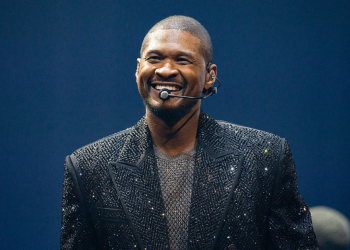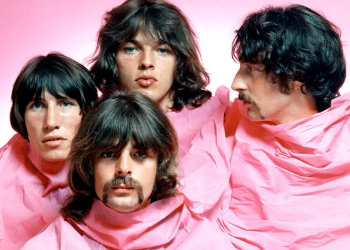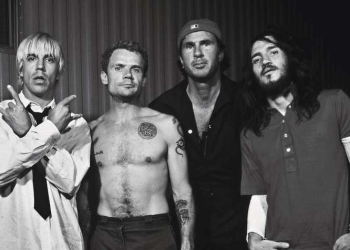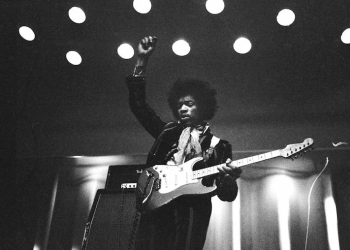
Few artists in hip-hop have carved a legacy as enduring and revered as Nas. From the gritty streets of Queensbridge to the global stage, Nasir Jones has consistently delivered lyrical masterpieces that blend raw storytelling, philosophical insight, and razor-sharp wordplay. Since his groundbreaking debut in the early ’90s, Nas has not only influenced generations of MCs but has also shaped the direction of rap itself. Whether he’s painting vivid portraits of street life, challenging societal norms, or reflecting on personal growth, Nas approaches every verse with unmatched authenticity and precision. His catalog is deep, diverse, and undeniably iconic—full of tracks that have sparked debates, inspired revolutions, and stood the test of time. But among the dozens of classics, a few tracks have risen above the rest to define his career and cement his status as one of the greatest lyricists of all time. In this article, we dive into the Top 10 Most Popular Nas Songs of All Time—a celebration of the songs that made us rewind the tape, study the bars, and feel the weight of every word. Whether you’re a longtime fan or a newcomer to his work, these tracks are essential listening. Let’s revisit the moments that made Nas a legend.
1. “Bohemian Rhapsody” – Queen (1975)
When Queen released “Bohemian Rhapsody” in 1975, they didn’t just put out a song—they launched a sonic revolution. Nearly six minutes long, the track boldly defied every rule of what a rock single was supposed to be. No chorus. Multiple sections. A mix of operatic drama, rock intensity, and tender balladry. Freddie Mercury’s theatrical vision is at the heart of it all, his vocals soaring from soft introspection to full-throttle flamboyance. Brian May’s guitar solos, Roger Taylor’s explosive drumming, and John Deacon’s steady bass created a rich, cinematic soundscape that was utterly unique. Initially met with skepticism by record executives, the song stunned critics and audiences alike, becoming a global hit. Its legacy was solidified in the 1990s after an unforgettable appearance in Wayne’s World, introducing it to a whole new generation. Today, it’s not just Queen’s signature song—it’s one of rock’s most enduring and imaginative achievements, a genre-defying masterpiece that continues to inspire awe.
2. “Billie Jean” – Michael Jackson (1982)
“Billie Jean” didn’t just help define Michael Jackson’s solo career—it helped define pop music itself. Released in 1982 as a standout track on Thriller, the song opens with that instantly recognizable bassline that snakes its way into your ears and never leaves. The lyrics tell a cautionary tale about a woman falsely claiming Jackson fathered her child—a narrative delivered with a cool, restrained intensity that simmers beneath the song’s slick production. Quincy Jones’s minimalist approach, with tight drum loops and haunting synths, allowed Jackson’s vocal performance to shine. And then there’s the moonwalk—the legendary dance move debuted during a live performance of “Billie Jean” that forever changed pop culture. The song’s groove is hypnotic, its storytelling gripping, and its influence immeasurable. More than 40 years later, “Billie Jean” remains a masterclass in tension, production, and pop craftsmanship—a perfect storm of rhythm, emotion, and style.
3. “Smells Like Teen Spirit” – Nirvana (1991)
When “Smells Like Teen Spirit” hit the airwaves in 1991, it felt like a seismic shift. Nirvana’s explosive single—driven by Kurt Cobain’s snarling guitar riff and raw, unfiltered vocals—didn’t just chart; it erupted. As the lead track on Nevermind, it signaled the arrival of grunge as a cultural force and dethroned the polished glam rock and pop dominating the charts. The song’s lyrics, a mix of irony, angst, and apathy, tapped into a generation’s sense of disillusionment. Cobain never intended to become the voice of a generation, but “Teen Spirit” made him exactly that. Dave Grohl’s thunderous drumming and Krist Novoselic’s gritty bass gave the track its pounding heartbeat, but it was the visceral emotion that made it iconic. It sounded like rebellion, it felt like catharsis, and it changed everything. Decades later, the opening riff still sparks electricity, and the song remains a symbol of youthful unrest and artistic authenticity.
4. “Like a Rolling Stone” – Bob Dylan (1965)
When Bob Dylan released “Like a Rolling Stone” in 1965, it was a line in the sand. Clocking in at over six minutes, it shattered the mold of the typical three-minute pop song and ushered in a new era of lyrical depth and musical ambition. Dylan’s voice—nasal, sharp, unrelenting—delivered verses dripping with bitterness and poetic disdain, aimed squarely at a woman who once had it all but now finds herself lost and alone. The song marked Dylan’s full embrace of electric rock, a controversial move at the time that drew boos from folk purists. Yet it also marked the moment he became a legend. Al Kooper’s spontaneous organ riff and Mike Bloomfield’s cutting guitar lines brought fire to the arrangement, reinforcing the song’s sense of reckoning and change. “Like a Rolling Stone” wasn’t just a hit—it was a mission statement. It challenged expectations, questioned authority, and remains one of the most influential recordings in rock history.
5. “Superstition” – Stevie Wonder (1972)
With “Superstition,” released in 1972, Stevie Wonder redefined what funk could sound like. Fueled by a now-legendary clavinet riff that sounds like lightning bottled into sound, the track is a masterclass in groove and innovation. Wonder, then in his early twenties, had recently taken full creative control of his music, and Talking Book showcased his brilliance. “Superstition” stands out not just for its infectious rhythm, but for its clever commentary on irrational beliefs and human fear. His lyrics warn about the dangers of superstition while the music practically dares you to stay still—it’s impossible. From the punchy horn sections to the tight rhythm, everything clicks with magnetic precision. Wonder played most of the instruments himself, layering the track into a textured, pulsating gem. It became one of his biggest hits, earning him a Grammy and solidifying his position as one of music’s most innovative and essential voices. More than five decades later, “Superstition” still sounds as fresh and funky as ever.
6. “What’s Going On” – Marvin Gaye (1971)
Released in 1971, “What’s Going On” marked a stunning reinvention for Marvin Gaye. Known previously for his silky love songs, Gaye turned inward and outward, channeling his grief, frustration, and empathy into a soulful cry for understanding. Inspired by stories from his brother who served in Vietnam and shaped by the tumultuous events of the era, Gaye posed deep, rhetorical questions about war, poverty, and injustice—not with rage, but with sorrowful beauty. The track’s lush arrangement, filled with layered harmonies, jazzy saxophone, and a gentle rhythm, contrasts poignantly with its urgent themes. His voice, tender and questioning, floats over the music like a lament. It wasn’t just a bold artistic leap—it was a cultural awakening. Initially resisted by Motown, the song became a massive hit and ushered in a new era of socially conscious soul music. More than 50 years later, its message is still heartbreakingly relevant, and its impact remains profound.
7. “Hotel California” – Eagles (1976)
Few songs capture a sense of place like the Eagles’ “Hotel California.” Released in 1976, this sprawling rock ballad paints a surreal, seductive portrait of the American dream gone awry. The track begins with Don Felder’s unmistakable 12-string guitar intro, setting the tone for a journey that’s as eerie as it is alluring. Don Henley’s vocals tell a cryptic tale of luxury, excess, and entrapment in a seemingly idyllic place that becomes a gilded cage. The lyrics have sparked endless interpretation—some hear it as a critique of hedonism, others as a warning about fame’s price. The iconic closing guitar duel between Felder and Joe Walsh is one of rock’s most celebrated moments, a fiery climax to a song that never fully reveals its secrets. More than just a radio staple, “Hotel California” is a cinematic masterpiece, layered with meaning, mystery, and musicianship that continues to captivate listeners decades later.
8. “Respect” – Aretha Franklin (1967)
“Respect” wasn’t just a hit single—it was a declaration. When Aretha Franklin released her version of Otis Redding’s song in 1967, she didn’t just cover it—she transformed it into a rallying cry for both civil rights and women’s empowerment. From the moment she spells out R-E-S-P-E-C-T with commanding authority, Franklin takes full control, infusing the track with passion, power, and purpose. Her voice soars with unshakable conviction, backed by tight harmonies and a groove courtesy of the legendary Muscle Shoals Rhythm Section. What was once a plea became a demand, and in Franklin’s hands, “Respect” became one of the most iconic soul recordings of all time. It topped charts, earned her two Grammy Awards, and solidified her status as the Queen of Soul. More than half a century later, the song remains a cultural touchstone—timeless in its urgency, unforgettable in its energy, and eternally relevant in its message.
9. “Imagine” – John Lennon (1971)
With “Imagine,” John Lennon gave the world a radical idea wrapped in a lullaby. Released in 1971, the song’s soft piano melody and sparse instrumentation create a calm, meditative atmosphere that allows Lennon’s provocative lyrics to take center stage. He challenges listeners to envision a world without divisions—no countries, no religions, no possessions—just peace and unity. While some criticized its idealism, many embraced it as a powerful anthem of hope and change. The simplicity of the music only enhances its emotional resonance; it’s gentle yet profound. Lennon’s voice, calm and unadorned, feels less like a performance and more like a personal conversation. Over the years, “Imagine” has been used in countless rallies, tributes, and global events, becoming a universal symbol of peace. Despite its controversy, or perhaps because of it, the song remains one of the most enduring and beloved pieces of music ever recorded—an invitation to dream of a better world.
10. “Good Vibrations” – The Beach Boys (1966)
When The Beach Boys released “Good Vibrations” in 1966, it was clear Brian Wilson wasn’t just writing pop songs—he was creating sonic masterpieces. Often dubbed a “pocket symphony,” the track took over six months and multiple studios to complete, an unheard-of feat at the time. Wilson painstakingly layered intricate harmonies, unexpected key changes, and unconventional instruments—including a theremin—to craft a song that defied every expectation. Lyrically light but musically ambitious, “Good Vibrations” captures a euphoric feeling of love and connection in a kaleidoscope of shifting melodies and textures. Its modular recording technique was groundbreaking, setting a new standard for studio experimentation. The song soared to No. 1 and has since been hailed as one of the most innovative pop songs ever made. Even today, its shimmering, otherworldly sound feels fresh and inventive. “Good Vibrations” isn’t just a product of the psychedelic ’60s—it’s a triumph of imagination and production, a timeless burst of musical sunshine.

Samuel Moore is a frequent contributor to Singers Room. Since 2005, Singersroom has been the voice of R&B around the world. Connect with us via social media below.