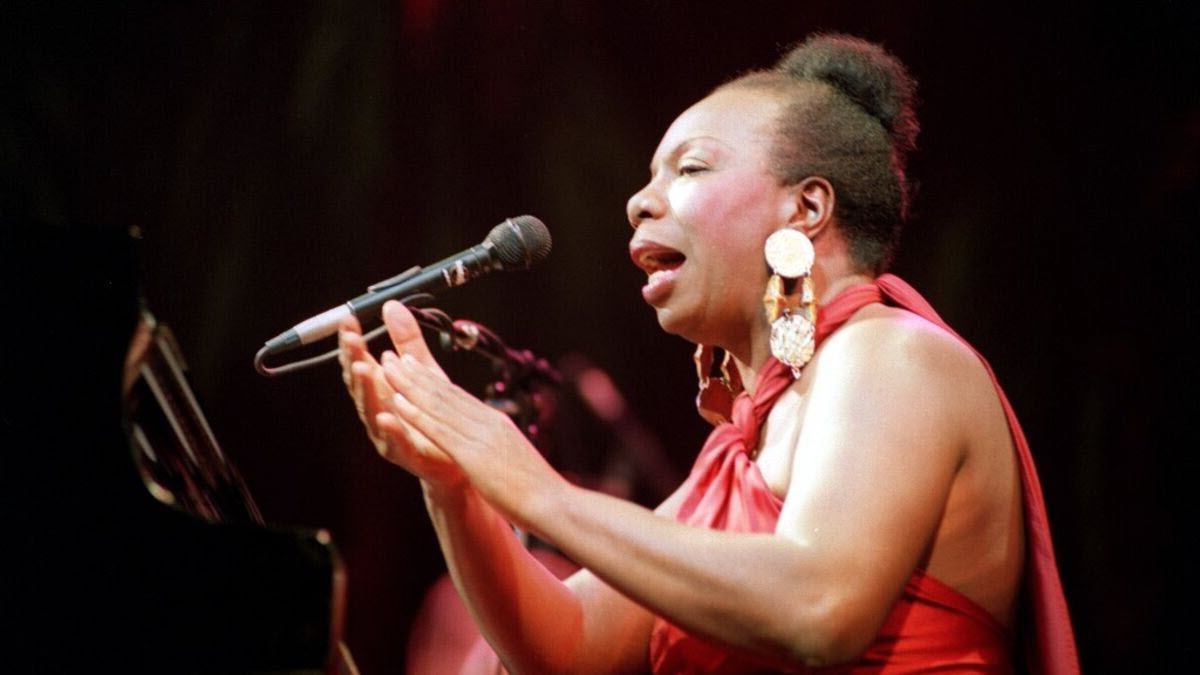
Nina Simone, the High Priestess of Soul, transcended musical genres with her rich, emotive voice and powerful lyrics. A true icon of the 20th century, Simone’s music reflects the struggles and triumphs of the African American experience, intertwining jazz, blues, and classical influences into a unique sound that resonates to this day. From her haunting renditions of civil rights anthems to her sultry jazz ballads, each song tells a story filled with passion, pain, and empowerment.
In this article, we explore the top 10 most popular Nina Simone songs of all time, showcasing the tracks that not only defined her career but also left an indelible mark on the music world. Whether you’re a lifelong fan or new to her artistry, these songs serve as a gateway to understanding Simone’s profound impact on culture and music. Join us as we delve into the timeless melodies and poignant lyrics that continue to inspire generations, reminding us of the enduring power of music to challenge, heal, and uplift. Prepare to be captivated by the magic of Nina Simone—each song a testament to her genius and a reflection of the human spirit.
1. “Feeling Good” (1965)
“Feeling Good” is more than a song—it’s a statement of renewal, pride, and self-liberation. Nina Simone’s 1965 recording of this Broadway tune transformed it into an anthem that transcends genres and generations. Her voice rises with the kind of boldness that doesn’t just sing about freedom—it commands it. Backed by sweeping orchestration and a dramatic rhythm section, Nina builds an atmosphere that feels like the breaking of dawn after a long, dark night. The lyrics paint vivid pictures of a world in bloom: birds flying high, the sun in the sky, and rivers running free—all metaphors for the emotional awakening taking place within. What sets Nina’s version apart is the palpable feeling she brings to each word. There’s a fire behind her delivery, a soul-deep certainty that she means every syllable. This isn’t just a performance—it’s a declaration. Over the years, “Feeling Good” has become synonymous with personal empowerment and transformation, featured in films, commercials, and covers by countless artists. Yet no version holds the emotional gravity and raw beauty of Nina’s. It’s a timeless reminder that, no matter what’s behind us, we can claim the day ahead with strength, confidence, and grace.
2. “I Put a Spell on You” (1965)
When Nina Simone recorded “I Put a Spell on You” in 1965, she wasn’t just singing a love song—she was casting her own powerful musical incantation. Originally written by Screamin’ Jay Hawkins as a theatrical, almost humorous piece, Simone stripped away the camp and infused it with emotional intensity and sultry sophistication. With her deep, commanding voice and haunting piano work, Nina turned this track into a chilling expression of desperate love and possessiveness. It’s less about romantic affection and more about the raw, unsettling edge of obsession—the kind that grips the soul and refuses to let go. Every note brims with restrained fury, longing, and vulnerability. Her phrasing is deliberate, measured like a spell being carefully recited, drawing listeners into her world whether they want to enter or not. The orchestral swells and dramatic pauses only heighten the tension, making the song feel like a slow-burning emotional storm. Nina’s version remains definitive, not because it’s the loudest or flashiest, but because it reveals the darker, more complicated side of love with stunning honesty. It’s unforgettable, unsettling, and utterly mesmerizing—proof of her ability to transform any song into something uniquely her own.
3. “Ain’t Got No, I Got Life” (1968)
“Ain’t Got No, I Got Life,” released in 1968, is a joyful defiance wrapped in soul and jazz. It begins as a lament—Nina Simone lists everything she doesn’t have: no shoes, no money, no home. The tone is somber, the reality stark. But then, like a burst of sunlight breaking through clouds, the mood shifts. She proclaims what she does have: her arms, her legs, her smile, her life. The transformation is stunning and deeply moving. With this song, Nina turns poverty and hardship into a celebration of personal worth. Her voice is energetic and confident, capturing both vulnerability and unshakable pride. The instrumentation adds to the momentum, moving from bluesy sadness to foot-tapping exuberance. It’s a spiritual revival disguised as a pop song—an anthem for anyone who has ever felt overlooked, reminding us of the strength that comes from simply being. The track also reflects the cultural revolution of the 1960s, particularly within the Black community, where reclaiming identity and dignity was essential. “Ain’t Got No, I Got Life” isn’t just a song—it’s a powerful affirmation of resilience, an ode to the things no one can take away. It still inspires today.
4. “Sinnerman” (1965)
“Sinnerman” is perhaps one of Nina Simone’s most spellbinding recordings. Released in 1965, this nearly ten-minute tour de force is less a traditional song and more a feverish spiritual experience. Rooted in a traditional African American spiritual, Simone’s version is urgent, relentless, and emotionally gripping. It begins with a simple piano riff and builds in intensity, her voice rising and falling like a preacher in a revival tent. She tells the story of a sinner on the run, seeking refuge from judgment—knocking on every door, begging for mercy, only to be turned away. The repetition drives the desperation home, creating a trance-like effect that grips the listener from start to finish. Her piano playing is fierce and rhythmic, pounding out a sense of urgency that refuses to relent. Backed by a tight rhythm section and handclaps, Simone leads a musical chase through themes of guilt, reckoning, and salvation. “Sinnerman” has found new life in modern media, sampled and featured in films and series, but nothing compares to hearing Nina’s original version. It’s raw, spiritual, and deeply human. When she cries out, “Power!” near the end, it’s not just a lyric—it’s a command.
5. “Mississippi Goddam” (1964)
“Mississippi Goddam” is one of the boldest protest songs in American history, and Nina Simone delivers it with unflinching rage and razor-sharp wit. Released in 1964 in direct response to the murder of civil rights activist Medgar Evers and the bombing of a Birmingham church that killed four Black girls, the song is a furious, satirical critique of racism in the United States. Simone’s upbeat, almost Broadway-style piano deceptively contrasts with the biting lyrics, making her message hit even harder. “Alabama’s got me so upset / Tennessee made me lose my rest / And everybody knows about Mississippi goddam,” she sings—punching each line with clarity and defiance. The brilliance of the song lies in this juxtaposition: a catchy tune paired with uncompromising truth. Simone wasn’t asking for change politely—she was demanding it. Her performance captures the exhaustion and anger of an entire movement, giving voice to what so many felt but couldn’t say. “Mississippi Goddam” wasn’t just a song; it was a turning point in her career, marking her evolution from jazz singer to civil rights icon. To this day, it remains an unfiltered, courageous call for justice that still reverberates through time.
6. “To Be Young, Gifted and Black” (1970)
“To Be Young, Gifted and Black,” released in 1970, is one of Nina Simone’s most powerful and uplifting anthems. Inspired by the play of the same name by her close friend Lorraine Hansberry, Simone wrote the song as a tribute to the brilliance and resilience of Black youth. From the very first note, the song radiates pride and dignity, delivering a message that celebrates Black identity with unshakable confidence. Simone’s rich, heartfelt vocals soar over a soulful arrangement, affirming that worth is not determined by society’s standards but by the beauty of being unapologetically oneself. The chorus—joyful and triumphant—feels like a rallying cry for generations: “To be young, gifted and Black / Oh what a lovely precious dream.” At a time when civil rights battles were far from over, Simone offered this track as a beacon of encouragement, instilling hope in a world that often sought to diminish it. Even decades later, the song continues to inspire and empower, serving as both a historical document and a timeless expression of Black excellence. It remains one of Simone’s most enduring contributions—not just to music, but to the fight for dignity, representation, and love.
7. “My Baby Just Cares for Me” (1958)
Originally recorded in 1958, “My Baby Just Cares for Me” has become one of Nina Simone’s most beloved classics, even though it wasn’t an immediate hit upon its release. The song gained widespread popularity decades later after being featured in a British perfume commercial, proving just how timeless and charming it truly is. Simone’s rendition of this jazz standard is playful, elegant, and full of personality. Her piano playing is light and nimble, dancing across the keys with effortless swing, while her vocals are warm and cheeky, brimming with wit and joy. The lyrics are simple but heartfelt: in a world full of glamour and materialism, her baby loves her for who she truly is—not for the clothes she wears or the stars she knows. That sentiment, paired with the breezy, upbeat instrumentation, makes the song an enduring celebration of authentic love. Simone’s performance captures that rare combination of technical brilliance and emotional sincerity. Whether you’re hearing it for the first time or the hundredth, it still manages to bring a smile. “My Baby Just Cares for Me” is pure joy—a timeless expression of romantic devotion wrapped in irresistible charm.
8. “The Other Woman” (1958)
“The Other Woman,” released in 1958, is a hauntingly beautiful ballad that delves into the quiet sorrow of infidelity. In this track, Nina Simone embodies the voice of someone who observes the life of “the other woman”—a figure who seemingly has everything: glamorous clothes, peaceful mornings, and a man’s attention. Yet beneath the surface, Simone reveals the loneliness that lingers in the background. With her subdued piano and mournful phrasing, she paints a picture of longing and isolation, wrapped in elegance. The strength of the song lies in its restraint; Nina doesn’t need to wail to break your heart. Every word is delivered with a weight that hints at deep emotional pain, and her performance is as much about what’s left unsaid as what is voiced. The haunting melody lingers long after the song ends, as listeners are left to contemplate the emotional complexity of love, betrayal, and human connection. “The Other Woman” is a masterclass in subtle storytelling and emotional nuance. It’s one of Simone’s most intimate recordings—a reflection of her unparalleled ability to capture the shadows of the human experience with grace and empathy.
9. “Four Women” (1970)
“Four Women,” released in 1970, is a bold and deeply moving portrait of Black womanhood in America. In just under five minutes, Nina Simone introduces us to four fictional women—Aunt Sarah, Saffronia, Sweet Thing, and Peaches—each representing a different facet of the African American female experience. Through vivid storytelling and piercing lyrics, Simone confronts issues of racism, colorism, sexual exploitation, and identity with raw honesty. Each woman’s story unfolds in a verse, and Simone’s vocal performance shifts to match their pain, pride, and complexity. The instrumentation is sparse yet effective, allowing the narrative to take center stage. By the time Peaches arrives—angry and unapologetic—the listener is fully immersed in the emotional journey. “Four Women” was controversial upon its release, banned by some radio stations for its provocative content, but it has since become one of Simone’s most important and acclaimed works. It’s a searing piece of social commentary that still resonates today, forcing us to confront uncomfortable truths about history and society. This track proves that music can be a vehicle for change, and Simone was never afraid to drive it full force. “Four Women” is not just a song—it’s a powerful act of resistance.
10. “Don’t Let Me Be Misunderstood” (1964)
“Don’t Let Me Be Misunderstood,” recorded by Nina Simone in 1964, is an emotional plea wrapped in the language of soulful jazz. It’s a song about vulnerability—about the yearning to be seen for who you truly are beneath the surface. Simone’s voice, rich and expressive, gives weight to every word. When she sings, “I’m just a soul whose intentions are good,” it doesn’t come across as a mere lyric—it feels like a heartfelt confession. The arrangement is simple yet elegant, with soft piano and strings that let her voice shine. While many artists have covered this song over the years, Nina’s version stands apart because of the emotional complexity she brings to it. There’s a quiet storm in her delivery—an undercurrent of sadness mixed with defiance, as if she’s both tired of being judged and still hopeful that someone might truly understand her. This song speaks to anyone who has ever felt misread or unseen, making it deeply personal and universally relatable all at once. “Don’t Let Me Be Misunderstood” endures as a timeless expression of the human desire for empathy, sung by an artist who gave voice to emotion like no one else.

Edward Tomlin is a frequent contributor to Singers Room. Since 2005, Singersroom has been the voice of R&B around the world. Connect with us via social media below.