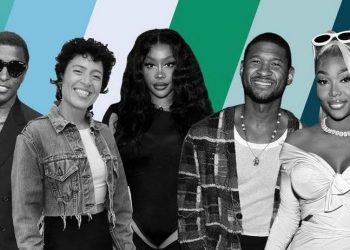
Minnesota may be known for its lakes, cold winters, and friendly locals—but it’s also a powerhouse when it comes to producing musical legends. From genre-defying innovators to chart-topping pop icons, the North Star State has given rise to some of the most influential voices in music history. Whether it’s the poetic genius of Bob Dylan or the electrifying presence of Prince, Minnesota’s musical roots run deep and wide. But the talent doesn’t stop there. This land of ten thousand lakes has birthed hip-hop trailblazers, R&B masterminds, folk storytellers, and pop superstars who’ve left indelible marks on global culture.
In this countdown of the Top 10 Most Popular Famous Singers from Minnesota, we’re diving into the lives, sounds, and legacies of artists who have shaped the music world in unforgettable ways. Some have sold out stadiums, others have inspired movements—but all of them share one thing in common: Minnesota made them. So whether you’re a lifelong fan or just discovering the rich soundscape of the Midwest, get ready to explore the voices that put this northern state on the global musical map. Let the countdown begin!
1. Prince
Prince wasn’t just a musician—he was a genre unto himself. Born and raised in Minneapolis, Prince Rogers Nelson turned his hometown into a musical landmark. With his trailblazing fusion of funk, rock, pop, and soul, he created the unmistakable Minneapolis Sound that would go on to influence generations. Albums like Purple Rain, 1999, and Sign o’ the Times aren’t just records—they’re milestones in music history. A virtuoso multi-instrumentalist, he could play nearly every instrument on his albums, and his live performances were electric, blending showmanship with raw musical brilliance. Whether shredding guitar in a purple suit and heels or penning hits for artists like Sinead O’Connor and The Bangles, Prince did everything on his own terms. He was enigmatic, bold, and fiercely independent—releasing music at a dizzying pace, often from his own label. Even after his passing, Paisley Park stands as a monument to his genius, and his influence still echoes across pop, R&B, and beyond. Prince didn’t just come from Minneapolis—he put it on the map as a creative capital. His legacy is timeless, his music immortal, and his impact immeasurable.
2. Bob Dylan
Bob Dylan’s voice may have been gravelly, but his words were pure gold. Born in Duluth and raised in the small Iron Range town of Hibbing, Dylan—born Robert Zimmerman—absorbed the sounds of folk, blues, and rock before heading to New York City to chase his dream. What followed was a seismic shift in popular music. With protest anthems like “Blowin’ in the Wind” and “The Times They Are A-Changin’,” Dylan became the soundtrack of the 1960s counterculture. But he never stayed in one place for long—electrifying folk at Newport, diving into country on Nashville Skyline, and later returning to introspective form with Blood on the Tracks. Dylan was always reinventing, never content to be boxed in. His Nobel Prize in Literature, awarded in 2016, cemented his role not just as a songwriter but as one of the greatest poets of our time. Though he left Minnesota, its windswept loneliness and working-class grit never left him. That spirit threads through every chord and lyric. Dylan is a restless artist, a cultural icon, and a Minnesota native who changed the world by simply picking up a guitar and telling the truth.
3. Lizzo
Lizzo is the embodiment of fearless, joyful self-expression, and Minneapolis was the springboard that helped her rise. Born Melissa Jefferson in Detroit and raised in Houston, Lizzo moved to Minneapolis in the early 2010s, where she immersed herself in the city’s thriving indie music scene. There, she honed her voice—both as a singer and as an advocate for body positivity and self-love. Starting with local groups like The Chalice and GRRRL PRTY, Lizzo’s raw talent and magnetic presence quickly made waves. Her solo breakthrough came with hits like “Truth Hurts,” “Juice,” and “Good as Hell,” catapulting her to international fame. But Lizzo brought more than just catchy hooks—she brought a message: love yourself unapologetically. Her dynamic stage shows, powerhouse vocals, and ability to play the flute mid-twerk make her unlike anyone else in pop today. Behind the glam, she’s deeply authentic, empowering fans of all sizes, backgrounds, and identities. And while she now performs on the world’s biggest stages, she credits Minneapolis for giving her the freedom and support to find her voice. Lizzo’s journey from indie darling to global icon is a Minneapolis success story at its boldest and brightest.
4. Jimmy Jam
Jimmy Jam helped shape the sound of a generation—and it all started in Minneapolis. Born James Harris III, he first came to prominence as a keyboardist with The Time, a funk band mentored by Prince. But it was his partnership with Terry Lewis that propelled him into musical legend status. Together, Jam & Lewis became one of the most influential production duos of all time, crafting a string of hits that defined ’80s and ’90s R&B and pop. They’re best known for their groundbreaking work with Janet Jackson, helping to create her signature sound on albums like Control, Rhythm Nation 1814, and The Velvet Rope. Jimmy Jam’s meticulous attention to detail, combined with his knack for melody and rhythm, made his productions both commercially irresistible and emotionally resonant. Beyond chart success, he helped put Minneapolis on the global music map, influencing countless artists with a sound that was slick, sophisticated, and soulful. Even after decades in the industry, Jam remains a respected figure, shaping sounds behind the scenes and mentoring the next generation. He’s not just a producer—he’s a sonic visionary whose work continues to reverberate through the music world.
5. Terry Lewis
Terry Lewis is the soul behind some of modern music’s most enduring grooves. As one half of the legendary Jimmy Jam & Terry Lewis duo, Lewis played a crucial role in revolutionizing R&B, pop, and soul throughout the 1980s and ’90s. A Minneapolis native, Lewis first gained attention as the bassist for The Time, where his musicianship and songwriting skills stood out even among Prince’s elite protégés. But it was behind the studio glass where he truly made history. Teaming with Jimmy Jam, Lewis co-wrote and produced timeless records for artists like Janet Jackson, Boyz II Men, Usher, and Mary J. Blige. His rich basslines, smooth arrangements, and intuitive emotional direction helped define the Minneapolis Sound—a sophisticated blend of funk, synth, and soul. While he often eschews the spotlight, Lewis’s influence is deeply woven into the fabric of contemporary music. His collaborations have earned Grammys, platinum plaques, and lasting cultural impact. Beyond the accolades, Terry Lewis remains a symbol of innovation and excellence, showing how deep roots in a local scene can lead to global reverberations. Minneapolis didn’t just raise him—it became his canvas.
6. Owl City (Adam Young)
Adam Young, the creative force behind Owl City, proved that big dreams can grow in small places. Raised in the quiet town of Owatonna, Minnesota, Young began crafting music in his parents’ basement, combining electronic beats with poetic lyrics and a dreamy optimism. His breakout hit, “Fireflies,” became a global sensation seemingly overnight, its ethereal melodies and childlike wonder resonating with listeners everywhere. But Owl City was never just about one song. With albums like Ocean Eyes and All Things Bright and Beautiful, Young created a whimsical, synth-pop world that felt like stepping into a sonic daydream. His music is intimate yet expansive, blending digital textures with heartfelt emotion. What sets Owl City apart is its sincerity—no irony, just earnest beauty and imaginative storytelling. Even as mainstream attention waned, Young stayed true to his vision, releasing deeply personal and spiritually rich projects independently. He remains a cult favorite among fans who value authenticity and kindness in music. Owl City is proof that you don’t need a big city or a record label to make magic—you just need a laptop, a vision, and the courage to dream out loud.
7. Atmosphere
Atmosphere is more than a hip-hop act—it’s a cornerstone of independent music. Fronted by introspective lyricist Slug (Sean Daley) and backed by producer Ant, Atmosphere emerged from Minneapolis in the late ’90s with a style that was gritty, poetic, and deeply personal. While mainstream hip-hop often leaned into bravado, Atmosphere turned the lens inward. Slug’s verses explore heartbreak, addiction, fatherhood, and self-doubt—real stories for real people. With albums like God Loves Ugly, Lucy Ford, and When Life Gives You Lemons, You Paint That Shit Gold, they built a loyal fanbase craving authenticity over flash. Their DIY spirit helped birth Rhymesayers Entertainment, a label that became a sanctuary for independent artists and a beacon in the underground hip-hop scene. Atmosphere made Minneapolis a national hub for alternative rap, proving that you don’t need radio play to leave a mark. Even decades in, they continue to tour, release new music, and evolve. Slug’s lyrics still cut deep, and Ant’s beats still resonate. Together, they remain a rare example of longevity in a genre obsessed with trends, all while keeping their roots—and their integrity—firmly planted in Minnesota soil.
8. Judy Garland
Judy Garland’s story began in Grand Rapids, Minnesota, but her voice would go on to touch hearts around the world. Born Frances Ethel Gumm, she began performing as a child alongside her sisters in vaudeville acts before heading to Hollywood. Her breakthrough came with The Wizard of Oz, where her poignant performance of “Over the Rainbow” became one of the most iconic musical moments in cinema history. But Garland was more than a movie star—she was a vocalist of rare emotional depth. Her songs carried a mixture of innocence and sorrow, of glamour and struggle, reflecting the highs and lows of her turbulent life. Garland’s presence lit up the stage and screen, and despite the challenges she faced—addiction, exploitation, and personal heartbreak—she remained a powerhouse performer. Her legacy continues to inspire generations of singers and actors alike. Grand Rapids proudly remembers her with a museum and festivals in her honor, keeping her memory alive in the place where her incredible journey began. Judy Garland didn’t just follow the yellow brick road—she paved one of her own, filled with courage, talent, and resilience.
9. Mason Jennings
Mason Jennings may not shout for attention, but his music speaks volumes. Though originally from Hawaii, Jennings found a true creative home in Minneapolis, where he built a career rooted in authenticity, simplicity, and emotional honesty. With a warm acoustic sound and lyrics that dive deep into themes like love, family, spirituality, and vulnerability, Jennings carved out a space in the folk-rock scene that feels intimate and timeless. His breakout songs like “Be Here Now,” “Ballad of Paul and Sheila,” and “Fighter Girl” reveal a songwriter with both heart and insight. Performing often with just a guitar and his earnest voice, Jennings invites listeners into his world—one where small moments carry big meaning. He’s remained fiercely independent, releasing music through his own label and connecting directly with fans who appreciate his down-to-earth nature. In a world of overproduction and hype, Jennings is a refreshing reminder that sometimes the most powerful music is also the most personal. Minneapolis gave him a platform, and he gave it some of its most thoughtful, poetic melodies.
10. Paul Westerberg
Paul Westerberg is the beating heart of Minneapolis’s punk and alternative rock scene. As the frontman for The Replacements, he helped ignite a musical revolution in the ’80s—one driven by attitude, emotion, and a healthy dose of chaos. The Replacements were raw and unpredictable, but Westerberg’s songwriting revealed surprising depth. Songs like “Bastards of Young,” “I Will Dare,” and “Unsatisfied” captured the angst, confusion, and hope of a generation that didn’t fit in. With a raspy voice and a pen that never flinched, Westerberg made it okay to be messy, emotional, and misunderstood. After the band’s implosion, his solo work leaned into introspection, showing a maturing artist still wrestling with life’s big questions. Despite the industry’s changing tides, Westerberg never chased trends—he chased truth. His influence can be heard in countless alt-rock acts that followed, from Nirvana to the Goo Goo Dolls. To many, he remains a cult hero: the guy who made imperfection sound like a virtue. Minneapolis gave him the stage, but Westerberg gave it a soul. His legacy isn’t just in the music—it’s in the unapologetic spirit he brought to it.

Samuel Moore is a frequent contributor to Singers Room. Since 2005, Singersroom has been the voice of R&B around the world. Connect with us via social media below.