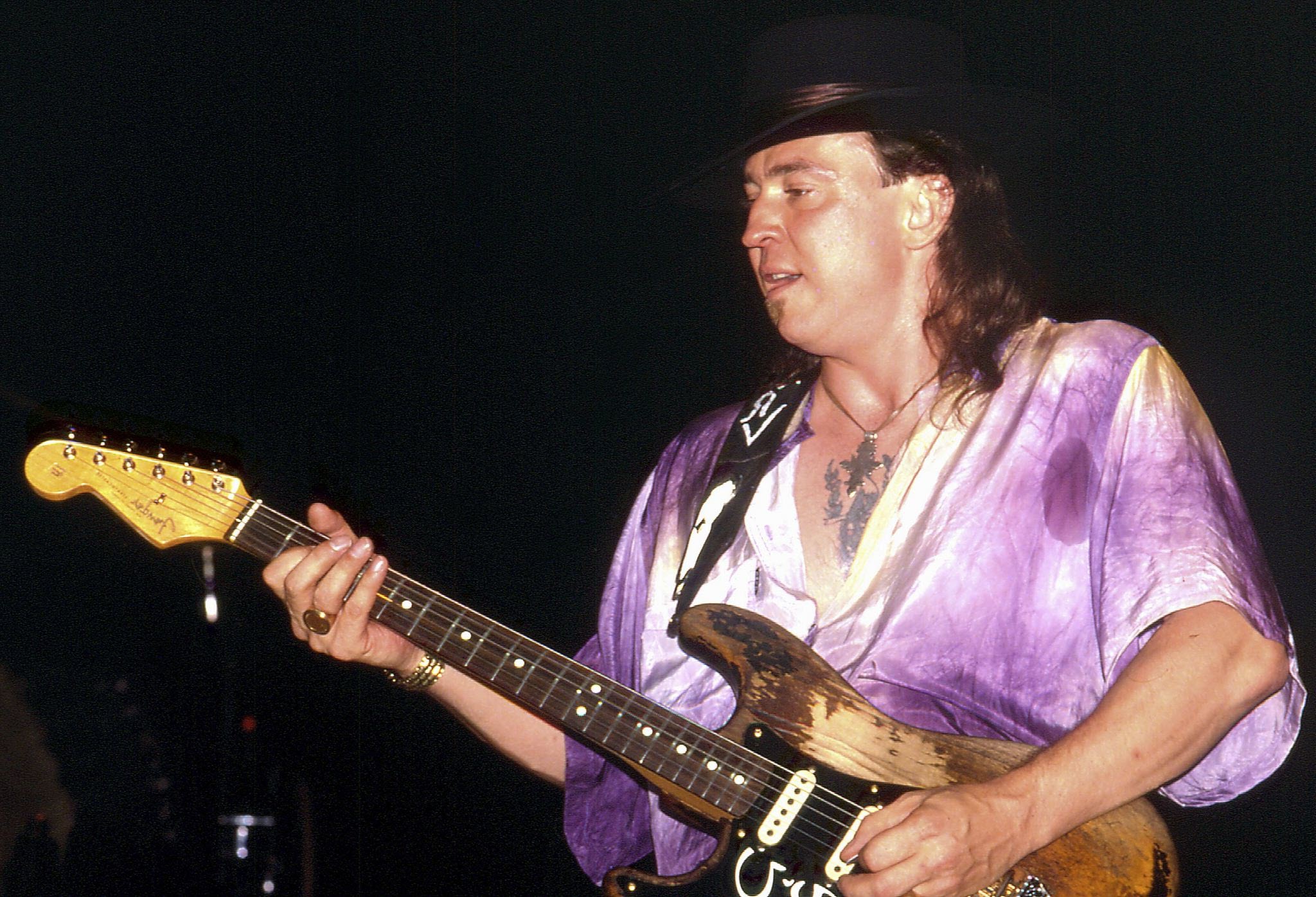
Stevie Ray Vaughan, a true guitar legend, transformed the blues landscape with his electrifying talent and soul-stirring performances. With a career that spanned just over a decade, Vaughan’s influence on music remains undeniable, captivating fans and musicians alike. His unique blend of Texas blues, rock, and jazz created a sound that was not only innovative but also deeply rooted in tradition. From his explosive guitar riffs to his passionate vocals, every track tells a story that resonates with listeners across generations.
In this article, we delve into the top 10 most popular Stevie Ray Vaughan songs of all time. Each selection showcases his incredible musicianship and emotional depth, highlighting the moments that defined his legacy. Whether you’re a lifelong fan or just discovering his music, these tracks serve as a perfect introduction to Vaughan’s powerful artistry. Join us as we celebrate the unforgettable melodies, heartfelt lyrics, and blistering guitar solos that have solidified Stevie Ray Vaughan as one of the greatest artists in rock and blues history. Prepare to be moved by the timeless sound of a true virtuoso whose music continues to inspire and ignite passion in the hearts of many.
1. Pride and Joy (1983)
“Pride and Joy” is one of Stevie Ray Vaughan’s most iconic songs, bursting with energy, soul, and his signature Texas blues swagger. Released in 1983 on his breakthrough debut album Texas Flood, this track is a love letter wrapped in blistering guitar licks and infectious grooves. The lyrics are a joyful declaration of devotion to a special woman, but it’s Vaughan’s guitar work that truly steals the show. His playful yet powerful riffs are complemented by his raw, soulful vocals that ooze both confidence and charm. The song’s upbeat shuffle rhythm invites listeners to tap their feet, nod their heads, and get lost in the pure joy of the blues. It became an instant crowd favorite, often serving as a centerpiece in his live shows. “Pride and Joy” isn’t just a blues track—it’s a celebration of love, passion, and the kind of infectious energy that Vaughan brought to every note he played. With its combination of technical brilliance and heartfelt delivery, the song not only established Stevie Ray Vaughan as a guitar legend but also made Texas blues cool for an entirely new generation of music fans.
2. Texas Flood (1983)
“Texas Flood” is a slow-burning blues masterpiece that showcases the emotional depth and raw power of Stevie Ray Vaughan’s artistry. Released in 1983 as the title track from his debut album, this song is pure blues heartbreak. The lyrics tell the story of a man left stranded and alone, drowning not just in the literal rain of a Texas flood but also in the metaphorical storm of loneliness and despair. What makes this track truly unforgettable is the searing guitar solo that feels as if Vaughan is pouring his very soul into every bend and slide. His vocals are equally passionate, conveying vulnerability and anguish with every phrase. The song’s structure is classic blues, but Vaughan elevates it with his lightning-fast fingerwork, masterful tone, and unmatched ability to make a guitar cry. “Texas Flood” became a signature tune for Vaughan and played a major role in reviving mainstream interest in the blues during the 1980s. Even today, it remains one of the most powerful examples of how the blues can speak to the deepest parts of the human experience.
3. Cold Shot (1984)
“Cold Shot,” released in 1984 from the album Couldn’t Stand the Weather, is Stevie Ray Vaughan at his most playful and funky. Unlike some of his slower, more emotional blues numbers, this track has a bouncy, infectious groove that’s impossible not to move to. Lyrically, it’s about a relationship gone sour—a “cold shot” of love where things just aren’t the same anymore. The laid-back vocal delivery pairs perfectly with the shuffling rhythm and crisp guitar licks. Vaughan’s riffs are bluesy but with a hint of funk, showing his versatility and his knack for blending styles seamlessly. What really makes “Cold Shot” stand out is its accessibility; it’s fun, it’s catchy, and it’s loaded with personality. His guitar tone is clean yet punchy, and the solos are both tasteful and technically impressive without feeling overindulgent. This song quickly became a fan favorite and a staple in his live performances. “Cold Shot” proves that the blues doesn’t always have to be about sorrow—it can be fun, groovy, and downright irresistible.
4. Crossfire (1989)
“Crossfire,” released in 1989 on the In Step album, is a punchy, high-energy anthem that highlights Vaughan’s ability to craft blues-rock with a message. This isn’t just a song about guitar licks and rhythm; it’s about the pressure and struggles of life—being caught in the “crossfire” of stress, addiction, and the chaos of the world. Vaughan had overcome his own battles with substance abuse by this point, and the urgency in his voice and playing reflects that hard-won clarity. The bassline is thick and funky, the drums hit hard, and Vaughan’s guitar is fiery, delivering riff after riff with a sense of mission. The hook is instantly memorable, and the lyrics resonate with anyone who’s ever felt overwhelmed by life’s demands. Vaughan’s solo is both technically brilliant and emotionally charged, reflecting his determination to rise above the noise. “Crossfire” became a chart-topping hit and one of his most recognizable songs, proving that Stevie Ray Vaughan could combine commercial appeal with blues authenticity and raw, heartfelt power.
5. Life by the Drop (1991)
“Life by the Drop” is a beautiful and bittersweet song released posthumously in 1991 on the The Sky Is Crying album. Unlike Vaughan’s usual fiery electric blues, this track is entirely acoustic, offering an intimate and vulnerable glimpse into his soul. Written by his longtime friend Doyle Bramhall, the song reflects on their friendship, their battles with addiction, and ultimately the journey toward recovery and redemption. The lyrics are simple yet profound, capturing the fragility of life and the importance of appreciating every moment—living “life by the drop.” Vaughan’s playing is crisp, warm, and perfectly understated, proving that he didn’t need screaming guitar solos to convey deep emotion. His vocals are reflective, almost conversational, as if he’s sitting with the listener sharing his story. There’s a haunting quality to the track, especially given Vaughan’s tragic death just a year before its release. “Life by the Drop” stands as a moving farewell and a testament to the power of simplicity, sincerity, and the enduring bond of friendship.
6. Voodoo Child (Slight Return) (1984)
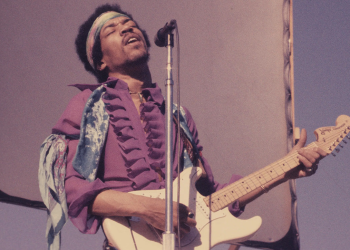
When Stevie Ray Vaughan tackled Jimi Hendrix’s “Voodoo Child (Slight Return)” in 1984, he didn’t just cover it—he reinvented it while paying homage. This electrifying rendition showcases Vaughan’s jaw-dropping guitar prowess, channeling Hendrix’s psychedelic energy through his own Texas blues lens. The opening riff hits like a freight train, immediately grabbing the listener’s attention before Vaughan launches into a barrage of fiery licks and thunderous solos. His guitar tone is heavier, grittier, and dripping with attitude, but what’s truly remarkable is how natural and effortless he makes it sound. Vaughan’s version maintains the rebellious swagger of the original but infuses it with his trademark precision, speed, and soulful bends. The performance feels like a conversation between him and the guitar, each note bending and howling as if alive. Live audiences were always left breathless when he played this track, and it quickly became a highlight of his concerts. “Voodoo Child (Slight Return)” under Vaughan’s command isn’t just a cover—it’s a masterclass in how to honor a legend while simultaneously stamping it with your own genius.
7. The Sky is Crying (1991)
“The Sky Is Crying,” released in 1991, is a raw, deeply emotional blues ballad that demonstrates Vaughan’s uncanny ability to make his guitar weep. Originally written by Elmore James, Vaughan’s rendition transforms the song into a soulful outpouring of sorrow and longing. The slow, steady rhythm sets a somber mood, but it’s Vaughan’s guitar that does most of the talking—his phrasing is so expressive that each note feels like a cry from the heart. His vocals match the mournful tone perfectly, understated yet full of feeling. The spaces between notes are just as impactful as the notes themselves, allowing the pain and beauty of the song to breathe. This track is a standout not only for its musicality but for its emotional depth; it’s the sound of someone laying bare their soul through music. “The Sky Is Crying” serves as a powerful reminder of the blues’ capacity to convey human vulnerability, and it remains one of Vaughan’s most treasured recordings, cherished by fans for its authenticity and breathtaking musicianship.
8. Look at Little Sister (1985)
“Look at Little Sister,” released in 1985 from the album Soul to Soul, is one of Stevie Ray Vaughan’s most fun and energetic tracks. With its infectious rhythm, playful lyrics, and a horn section that adds a splash of old-school rock ‘n’ roll flavor, this song feels like a party from start to finish. The track’s story is lighthearted—Vaughan playfully sings about a young girl turning heads and stealing attention wherever she goes. It’s a departure from some of his more intense blues tracks, showing that Vaughan wasn’t afraid to let loose and just have a good time with his music. The guitar work is still front and center, filled with sharp, stinging riffs that bounce perfectly over the driving bass and drums. Vaughan’s vocals are full of character, capturing the mischievous charm of the lyrics. “Look at Little Sister” quickly became a fan favorite, especially during live shows where its upbeat tempo would get the crowd moving. It’s a brilliant example of Vaughan’s versatility—not just a blues master, but also a showman who knew how to bring joy through his music.
9. Change It (1986)
“Change It,” released in 1986 from the album Soul to Soul, stands out as one of Vaughan’s most groove-driven and lyrically meaningful tracks. This song blends blues and rock with a heavy dose of funk, resulting in a sound that’s both fresh and timeless. The message is straightforward yet powerful: if something in your life isn’t working, change it. Vaughan’s vocals are smooth but insistent, driving home the point with every line. His guitar tone is thick and punchy, perfectly complementing the syncopated rhythm section. The solos are fiery but concise, focused more on serving the groove than on showing off. “Change It” reflects Vaughan’s personal journey at the time—struggling with inner demons and making significant changes in his own life, including sobriety. The track is both a jam and an anthem, resonating with anyone who’s ever faced the need for transformation. It proves that blues isn’t just about heartbreak; it’s also about empowerment, resilience, and taking control of your destiny. This song is a brilliant showcase of how Stevie Ray Vaughan could inspire as much as he could entertain.
10. Scuttle Buttin’ (1984)
“Scuttle Buttin’,” released in 1984 on Couldn’t Stand the Weather, is a jaw-dropping instrumental that showcases Stevie Ray Vaughan’s technical mastery at full throttle. Clocking in at under two minutes, this track is short but absolutely ferocious—a blistering barrage of lightning-fast riffs and machine-gun picking that leaves listeners in awe. From the very first note, Vaughan launches into an explosive flurry of notes that demonstrate his jaw-dropping speed, dexterity, and precision. But it’s not just about playing fast; it’s about playing with soul. Despite its breakneck tempo, “Scuttle Buttin’” swings hard, packed with bluesy phrasing that feels as fun as it is impressive. The rhythm section holds everything together with a tight, punchy groove, allowing Vaughan to fly over the top with seemingly effortless command. The track became a regular opener in his live performances, instantly firing up the crowd. “Scuttle Buttin’” is more than a showcase of skill—it’s a statement. It declares to the world that Stevie Ray Vaughan wasn’t just a great guitarist; he was in a league entirely his own.

Edward Tomlin is a frequent contributor to Singers Room. Since 2005, Singersroom has been the voice of R&B around the world. Connect with us via social media below.