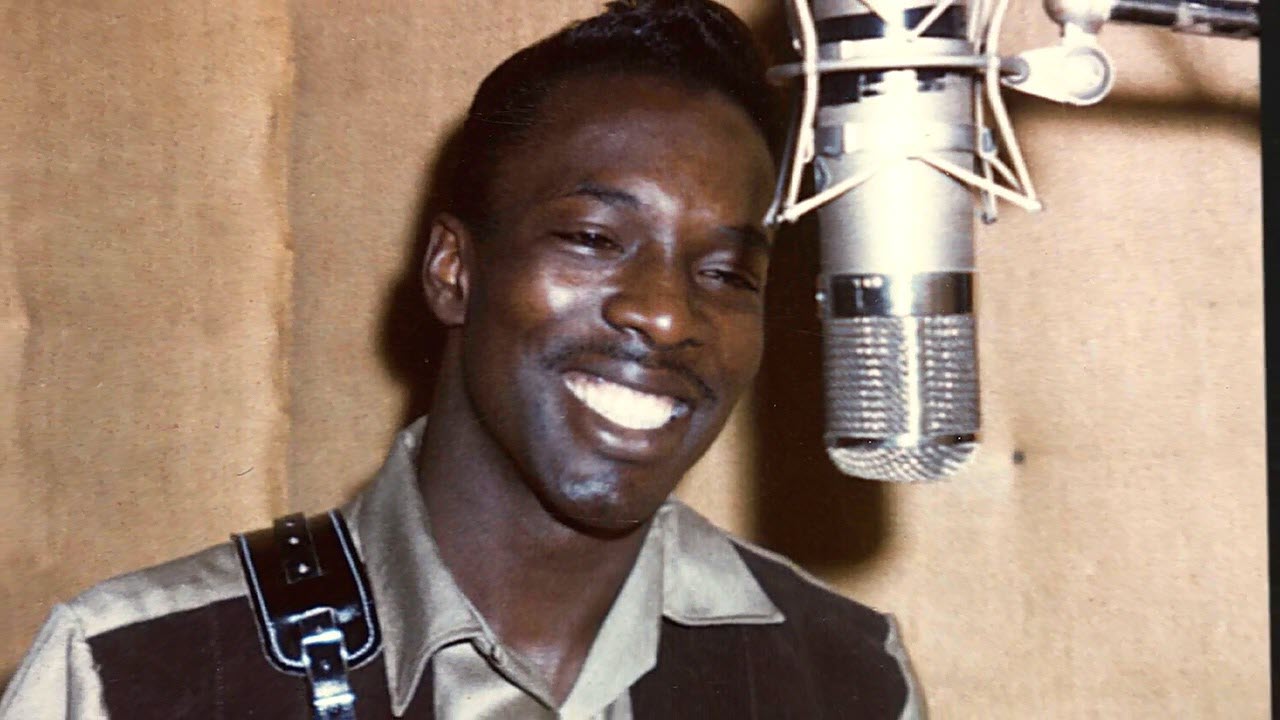
When it comes to American rock legends, few names shine brighter than Bruce Springsteen—the working-class poet, the voice of the heartland, and the relentless force behind decades of unforgettable music. From the gritty streets of New Jersey to sold-out stadiums across the globe, “The Boss” has carved out a place in music history with his raw storytelling, electrifying performances, and soul-stirring anthems. Whether he’s channeling blue-collar struggles, youthful rebellion, or the search for redemption, Springsteen’s songs have a way of cutting straight to the soul. His catalog is immense, spanning everything from stripped-down acoustic ballads to thunderous, full-band rock epics—but some tracks have risen above the rest to define his legacy. In this countdown, we’re diving into the top 10 most popular Bruce Springsteen songs of all time—the tracks that have moved millions, stood the test of time, and truly captured the spirit of The Boss. Whether you’re a lifelong fan or just starting your journey through Springsteen’s world, these songs are essential listening. So fire up your favorite playlist, roll down the windows, and get ready to rediscover the anthems that turned a Jersey boy into a global icon. Let’s hit the road with Bruce.
1. “In the Midnight Hour” (1965)
Wilson Pickett’s explosive breakthrough came in 1965 with “In the Midnight Hour,” a track that quickly cemented his status as a force in soul music. Co-written with Steve Cropper of Stax Records fame, the song wasn’t just a hit—it was a rhythmic revolution. It introduced the now-iconic delayed backbeat, a subtle shift in timing that gave the song its hypnotic groove and would go on to influence countless soul and R&B records. Pickett’s voice is pure fire—gritty, urgent, and full of longing—as he pleads for love in the quietest hours of the night. The lyrics, though simple, bristle with emotional tension, and every line feels lived-in and real. Behind him, a tight band lays down a groove steeped in gospel, blues, and Memphis soul traditions, making the song as irresistible to dancers as it was to radio listeners. It topped the R&B charts and crossed over into pop territory, a testament to its wide appeal. More than just a commercial success, “In the Midnight Hour” announced Pickett’s arrival as one of soul’s boldest and most distinctive voices. It’s not just a song—it’s a defining moment in the evolution of 1960s American music.
2. “Mustang Sally” (1966)
Originally written and recorded by Sir Mack Rice, “Mustang Sally” found its soul swagger when Wilson Pickett made it his own in 1966. From the moment he belts out the opening lines, Pickett injects the track with a fiery, irresistible energy that’s impossible to ignore. The now-famous chorus—“Ride, Sally, Ride!”—has become one of the most recognizable hooks in soul music history. The song tells the story of a free-spirited woman who’s more interested in speeding down the road in her Mustang than settling down with her suitor. Pickett delivers this tale with a mix of frustration and admiration, perfectly embodying the tension between desire and independence. Musically, the track is a powerhouse. Backed by the legendary Muscle Shoals Rhythm Section, the song grooves with tight percussion, funky bass, and horn accents that give it a punchy, infectious vibe. While its initial chart success was moderate, “Mustang Sally” gained massive cultural traction over time. It became a staple in bars, cover bands, and film soundtracks, solidifying its place in the pantheon of soul classics. Pickett’s interpretation gave the song a legacy far beyond its origins—it became a symbol of 1960s cool and musical liberation.
3. “Land of 1000 Dances” (1966)
“Land of 1000 Dances” is pure, unfiltered energy, and in Wilson Pickett’s hands, it became a soul explosion. Although originally written and recorded by Chris Kenner, Pickett’s 1966 version took the song to another level entirely. Backed by the scorching hot Muscle Shoals band, Pickett’s performance is electrifying, bursting with swagger, style, and a physicality that practically forces listeners to get up and move. Famously, the “na na na na na” chant—now the song’s signature moment—was born from a happy accident: Pickett forgot the lyrics during the session and improvised on the spot. That raw spontaneity gave the track its spark, and the chant quickly became a generational anthem. From the blaring horns to the driving beat, everything about the arrangement is designed to move both body and soul. The song became one of Pickett’s biggest crossover hits, peaking at No. 6 on the Billboard Hot 100. More than just a party anthem, “Land of 1000 Dances” is a joyous celebration of rhythm, unity, and musical freedom. It captures the sheer ecstasy of soul music at its most uninhibited, making it a timeless staple of the genre and one of Pickett’s definitive moments.
4. “Funky Broadway” (1967)
With “Funky Broadway,” released in 1967, Wilson Pickett didn’t just score another hit—he broke new ground. The song, originally by Dyke & the Blazers, was reimagined through Pickett’s fierce vocals and Muscle Shoals’ powerful backing into a chart-topping sensation. Notably, it became the first song with the word “funky” in its title to hit the Billboard Hot 100, signaling a shift in the musical lexicon and setting the stage for the funk movement. The track pulses with gritty soul and urban swagger, painting a vivid picture of nightlife along America’s bustling Broadway strips. Pickett’s performance is equal parts celebration and street sermon, capturing the grit, glamor, and chaos of the city. With stabbing horn lines, a gritty guitar riff, and a relentless groove, “Funky Broadway” is a funk-soul hybrid that straddled genres and pushed boundaries. Pickett growls, howls, and commands every beat like a man possessed. It was bold, brash, and undeniably influential, bridging the raw emotion of soul with the rhythmic experimentation of funk. More than a hit song, “Funky Broadway” was a declaration of cultural pride and a preview of where Black music was heading in the late ’60s and beyond.
5. “Don’t Let the Green Grass Fool You” (1971)
By 1971, Wilson Pickett had matured into a more seasoned artist, and “Don’t Let the Green Grass Fool You” showcases that growth. The song, wrapped in a smooth, funk-tinged arrangement, carries a warning not to be deceived by appearances—a metaphorical message about chasing illusions instead of valuing what you have. Written by Jerry Akines, Donnie Fritts, and others, the track gave Pickett a vehicle to showcase his evolving style. His vocals are still commanding but more measured, blending soulful grit with refined emotional nuance. The production—tight and polished—features syncopated horns, slinky guitar licks, and a laid-back but insistent rhythm that pulls you in. It’s less a barn-burner than some of his earlier work, but it hits just as hard with its groove and wisdom. The song climbed the R&B charts and further demonstrated Pickett’s ability to stay relevant in a rapidly changing musical landscape. Where many of his contemporaries struggled to adapt, Pickett showed he could evolve without losing his soul. “Don’t Let the Green Grass Fool You” remains a fan favorite and a testament to the singer’s range, maturity, and enduring ability to connect on both the dance floor and a deeper emotional level.
6. “634-5789 (Soulsville, U.S.A.)” (1966)
Released in 1966, “634-5789 (Soulsville, U.S.A.)” is one of Wilson Pickett’s most joyful and instantly recognizable hits. Written by Eddie Floyd and Steve Cropper, the song cleverly uses a telephone number as a metaphor for emotional connection—inviting anyone who’s feeling down to simply dial and find comfort in Pickett’s soulful embrace. What elevates the track is Pickett’s magnetic delivery; his voice bursts with confidence and charisma, turning the simple premise into an irresistible promise. The production, anchored by the Stax house band, is tight and propulsive. The horns pop with flair, the rhythm section lays down a smooth yet lively groove, and everything seems to orbit around Pickett’s commanding vocal presence. The call-and-response structure gives the song a communal feel, like a hotline directly to the heart of soul music. It wasn’t just a hit—it was a movement, climbing to No. 1 on the R&B chart and cracking the Top 20 on the pop chart. “634-5789” is more than a catchy tune; it’s a symbol of the era’s soul power and Pickett’s ability to turn even the most basic concept into something deeply musical, memorable, and moving.
7. “I’m in Love” (1967)
“I’m in Love,” released in 1967, reveals a tender, reflective side of Wilson Pickett that fans didn’t often see in his more explosive hits. Written by the legendary Bobby Womack, the song is a heartfelt confession wrapped in velvet-smooth soul. Pickett’s performance here is subdued but emotionally rich—he trades his usual growl for a gentler, more vulnerable tone. The lyrics express the awe and uncertainty that come with falling in love, and Pickett delivers them with a sincerity that feels personal and deeply real. Musically, the arrangement is elegant and restrained. Soft background vocals, tasteful horn accents, and a slow-burning groove give Pickett plenty of space to shine. There’s no flash or fury—just raw emotion presented with grace and control. While it didn’t top the charts like some of his other tracks, “I’m in Love” holds a special place in his discography. It showed that Pickett could do more than command a dance floor—he could also slow down and let his heart do the talking. The song stands as a powerful reminder of his versatility and his ability to bring soulfulness to every corner of his artistry.
8. “Engine Number 9” (1970)
“Engine Number 9,” released in 1970, is a thunderous burst of raw soul and funk that captures Wilson Pickett at his most intense. From the first note, the song barrels forward like the locomotive it references—a relentless, high-powered groove driven by the Muscle Shoals Rhythm Section. Funky guitars, punchy horns, and a pounding rhythm lay the tracks for Pickett’s powerhouse vocals. The song tells the story of a man desperately hoping a train will bring back the woman he lost, using the image of “Engine Number 9” as both a literal and emotional symbol of longing and movement. Pickett’s voice is filled with urgency and grit; he sounds like a man possessed by love and desperation, belting each line with a near-frantic fervor. The track doesn’t slow down or soften—it demands attention and delivers a deep, pulsing soul experience. Though not one of his biggest commercial hits, “Engine Number 9” became a cult favorite among soul enthusiasts for its unfiltered emotion and driving funk edge. It represents a turning point in Pickett’s career where he embraced a heavier, more modern sound while staying true to the raw emotion that defined his legacy.
9. “Hey Jude” (1969)
Wilson Pickett’s version of “Hey Jude,” released in 1969, is a stunning reinvention of The Beatles’ classic. Where Paul McCartney’s original was gentle and anthemic, Pickett turns the song into a soul-infused gospel storm, imbuing it with raw power and emotional urgency. From the very beginning, his voice explodes with intensity, grabbing hold of the listener and refusing to let go. The track was recorded at the legendary Muscle Shoals studio and features a young Duane Allman on guitar—whose searing solo adds an electrifying layer to the already powerful arrangement. Pickett’s performance feels like a sermon; he doesn’t just sing the words, he testifies them, pouring every ounce of feeling into each phrase. It’s both a tribute to the original and a total transformation—one that brings new life and meaning to the lyrics. Though it didn’t reach the top of the charts, the track earned enormous respect and later became regarded as one of the greatest Beatles covers ever recorded. Pickett’s “Hey Jude” is a shining example of how soul music can reinterpret familiar songs in ways that make them even more emotionally resonant and unforgettable.
10. “Ninety-Nine and a Half (Won’t Do)” (1966)
Released in 1966, “Ninety-Nine and a Half (Won’t Do)” is a fiery statement of romantic insistence that only Wilson Pickett could deliver with such conviction. Built on the foundations of gospel fervor and soul intensity, the song’s message is crystal clear: love must be complete, not partial—because anything less simply isn’t enough. Pickett’s voice is a furnace of passion, rising and falling with the urgency of someone who’s laid his heart on the line. Backed by a classic Stax-style arrangement—blazing horns, steady drums, and a driving bassline—the track crackles with energy from start to finish. The call-and-response vocal patterns add a layer of drama, making the song feel like both a personal plea and a universal truth. It may not have reached the same commercial heights as some of Pickett’s biggest hits, but “Ninety-Nine and a Half” remains a fan favorite for its relentless spirit and pure soul power. It captures Pickett’s uncompromising attitude in both love and music, making it a definitive piece of his catalog and a lasting testament to his place in the pantheon of soul greats.

Samuel Moore is a frequent contributor to Singers Room. Since 2005, Singersroom has been the voice of R&B around the world. Connect with us via social media below.









