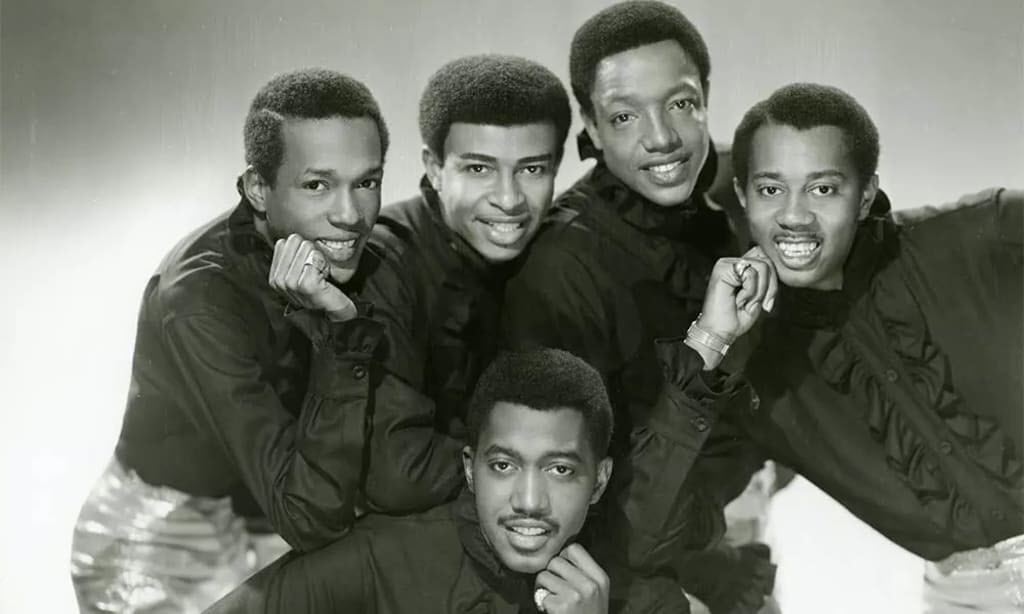
If there’s one group that defines the golden era of Motown, it’s The Temptations. With their smooth harmonies, sharp choreography, and a string of timeless hits, The Temptations didn’t just ride the wave of soul music—they helped shape it. From tender ballads to gritty funk anthems, their sound evolved with the times, earning them a spot in the pantheon of music legends. Whether it’s the heart-melting sweetness of “My Girl” or the socially charged power of “Ball of Confusion,” The Temptations have a song for every emotion, every moment, and every generation. Their music didn’t just top charts—it changed lives and influenced countless artists across genres. In this article, we’re diving deep into the Top 10 most popular Temptations songs of all time, shining a light on the tracks that not only defined their career but also left a permanent mark on music history. Get ready to relive the magic, rediscover the soul, and maybe even find a new favorite. These are the songs that made The Temptations legends—and they still sound just as good today as they did when they first hit the airwaves. Let’s take a spin through the greatest hits of one of the most iconic vocal groups of all time.
1. “My Girl” (1964)
“My Girl,” released in December 1964, isn’t just a song—it’s a cultural treasure. Written by Smokey Robinson and Ronald White and crafted especially for David Ruffin’s distinctive voice, it became The Temptations’ first No. 1 hit on the Billboard Hot 100 in early 1965. From the moment that iconic bassline drops, the song exudes warmth and joy. Ruffin’s lead vocal is rich and tender, perfectly matched with the group’s smooth harmonies and elegant orchestration of strings and horns. Every note radiates love and optimism. What makes “My Girl” truly timeless is its simplicity—the lyrics are direct, yet so sincere, and the melody is effortlessly memorable. It’s a song that captures the feeling of being head-over-heels in love in the most wholesome, soul-stirring way. Over the decades, it has become a staple at weddings, family gatherings, and romantic moments everywhere. It’s also found a second life in film and pop culture, ensuring its legacy continues. “My Girl” is more than just a highlight in The Temptations’ catalog—it’s a landmark of American music and a shining example of Motown’s golden era.
2. “Ain’t Too Proud to Beg” (1966)
“Ain’t Too Proud to Beg,” released in May 1966, takes heartbreak and desperation and turns them into pure soul fire. Written by Norman Whitfield and Edward Holland Jr., the song features David Ruffin in one of his most impassioned performances. From the opening drumbeat, you can feel the urgency—this isn’t just a plea, it’s a full-bodied cry for love. Ruffin’s raspy, aching voice drives the song with unrelenting energy, making every word feel like life or death. The groove is upbeat, the horns blare with tension, and the tempo keeps you moving, even as the lyrics tear at your heart. Reaching No. 13 on the Billboard Hot 100, it quickly became one of the group’s defining hits and a cornerstone of Motown’s edgier, funk-leaning soul sound. “Ain’t Too Proud to Beg” helped mark the transition from polished doo-wop to something rawer and more emotionally direct. It’s a song that reminds listeners that love isn’t always graceful—it can be messy, pleading, and real. And sometimes, when you’ve got something worth fighting for, you don’t mind begging. It’s that human vulnerability, set to an irresistible beat, that makes this track unforgettable.
3. “Just My Imagination (Running Away with Me)” (1971)
Released in January 1971, “Just My Imagination (Running Away with Me)” is one of the most beautifully melancholic songs The Temptations ever recorded. At a time when the group was exploring funk and socially conscious soul, this track was a tender return to their romantic roots. Featuring Eddie Kendricks on lead vocals in what would be his last major hit with the group, the song is steeped in wistful longing. Kendricks’ soft falsetto glides over dreamy strings and delicate guitar, evoking the quiet sorrow of someone lost in fantasy—imagining a perfect love that doesn’t exist. The song’s gentle elegance is a stark contrast to the more psychedelic and political work the group had been doing, but its emotional resonance is just as powerful. Topping both the Billboard Hot 100 and R&B charts, it proved The Temptations’ ability to evolve while still connecting deeply with listeners. “Just My Imagination” is more than a love song—it’s a portrait of loneliness and hope, of a heart clinging to dreams. Even decades later, it still speaks to the universal ache of wanting something that remains just out of reach.
4. “Papa Was a Rollin’ Stone” (1972)
Few songs in the Temptations’ catalog are as ambitious—or as haunting—as “Papa Was a Rollin’ Stone.” Released in August 1972, this track marked a bold departure into cinematic, socially conscious territory. The 12-minute album version begins with a nearly four-minute instrumental prelude, a moody blend of wah-wah guitar, slow-building bass, and eerie horns that set the stage for a story of abandonment and family pain. Dennis Edwards delivers a simmering vocal performance, confronting the legacy of a father he barely knew, balancing judgment with longing. Produced by Norman Whitfield, the track is a masterclass in tension and groove, layering psychedelic soul with a funk-driven heartbeat. It captured the complexity of generational trauma and black family life with uncommon depth, winning three Grammy Awards in the process. “Papa Was a Rollin’ Stone” wasn’t just a hit—it was a statement. It challenged listeners, pushed the limits of soul music, and proved that Motown could be as introspective and daring as any genre. Today, the song stands as a high-water mark not just for The Temptations, but for 1970s music as a whole—a sprawling, emotional epic that still resonates.
5. “I Wish It Would Rain” (1967)
“I Wish It Would Rain,” released in December 1967, is a heartbreaking masterpiece of emotional soul. It tells the story of a man so devastated by heartbreak that he hopes for rain—anything to hide his tears from the world. David Ruffin’s vocal performance is nothing short of stunning. His voice trembles with sorrow, and every note carries the weight of love lost. The lyrics, penned by Roger Penzabene, were tragically autobiographical. Penzabene wrote the song after discovering his wife’s infidelity, and he took his own life shortly after its completion. That real-life anguish gives the song an almost unbearable poignancy. Arranged by Paul Riser, the orchestration is subtle yet powerful, allowing Ruffin’s voice to take center stage. “I Wish It Would Rain” peaked at No. 4 on the Billboard Hot 100 and became one of the most emotionally raw entries in The Temptations’ catalog. It’s a soul classic that hits with a quiet, devastating beauty—proof that heartbreak can be as musically compelling as joy. Even decades later, the pain in Ruffin’s voice still cuts deep.
6. “Cloud Nine” (1968)
With “Cloud Nine,” released in October 1968, The Temptations blew the doors wide open on a new chapter of their career. Gone were the polished love songs; in their place came gritty, socially conscious funk. The song was the group’s first full dive into the emerging genre of psychedelic soul, and it paid off. Produced by Norman Whitfield and featuring shared lead vocals from all members, “Cloud Nine” combined wah-wah guitars, thumping basslines, and swirling effects to create a trippy, urgent soundscape. The lyrics are ambiguous—on the surface about escaping poverty through imagination, though often interpreted as a veiled reference to drug use. Regardless of interpretation, it was a bold move that struck a chord with listeners. “Cloud Nine” won The Temptations their first Grammy Award and signaled a new, risk-taking phase for Motown. It showed that the group wasn’t afraid to evolve with the times, and in doing so, they helped redefine what soul music could be. The track’s raw energy, political undertones, and sonic experimentation made it a landmark recording—and a thrilling turning point in The Temptations’ legacy.
7. “Ball of Confusion (That’s What the World Is Today)” (1970)
“Ball of Confusion,” released in May 1970, is a powerful time capsule of an era defined by chaos and change. Written by Norman Whitfield and Barrett Strong, this song is a rapid-fire litany of social, political, and economic issues—from the Vietnam War and segregation to inflation and technological upheaval. Each verse throws out new headlines, and The Temptations respond with fire, urgency, and a musical intensity that refuses to let up. The track features a rotating cast of lead vocals, each member delivering lines with passionate immediacy, as fuzzy guitars, sharp horn blasts, and a pulsing rhythm section drive the song forward like a runaway train. It’s not just a protest song—it’s an explosion of frustration and awareness, a soul-funk anthem for a world on the edge. “Ball of Confusion” climbed to No. 3 on the Billboard Hot 100 and remains one of the most politically charged—and musically innovative—tracks of the era. It’s a whirlwind of sound and meaning, capturing the spirit of a generation grappling with instability and searching for truth.
8. “The Way You Do the Things You Do” (1964)
“The Way You Do the Things You Do,” released in January 1964, was the breakthrough that introduced The Temptations to a national audience—and what an introduction it was. Written by Smokey Robinson and Bobby Rogers, the song is full of clever, playful metaphors delivered over a bouncing, upbeat rhythm. With Eddie Kendricks on lead vocals, his silky falsetto brings a boyish charm to lines like “you’ve got a smile so bright, you know you could have been a candle.” The tune’s irresistible mix of vocal harmonies, catchy melody, and feel-good energy made it an instant hit, climbing to No. 11 on the Billboard Hot 100. More than just a love song, it was a declaration of style, showcasing the group’s personality and polish. The song laid the foundation for everything that followed, establishing The Temptations as key players in the growing Motown empire. Decades later, it still sounds fresh, lighthearted, and fun—a pure slice of early ’60s pop-soul that captures the excitement of young love and the promise of what The Temptations would soon become.
9. “I Can’t Get Next to You” (1969)
“I Can’t Get Next to You,” released in August 1969, is a sonic powerhouse that showcases The Temptations at their most electrifying. It opens with a shout—literally—and doesn’t slow down for a second. Each group member takes turns on lead vocals, creating a vibrant back-and-forth that feels like a soulful conversation. The lyrics brim with frustration as the narrator laments the paradox of having everything—money, power, strength—but still being unable to win the love he desires. Produced by Norman Whitfield, the song is a masterclass in layered production. With explosive horns, funky guitar riffs, and a stomping beat, the track pulses with life. It shot to No. 1 on both the Billboard Hot 100 and R&B charts, affirming the group’s ability to shift from sweet soul into a more aggressive, contemporary sound. This wasn’t just a love song—it was a funk anthem bursting with emotion and edge. “I Can’t Get Next to You” remains one of the most dynamic recordings in The Temptations’ catalog, and its energy is as infectious today as it was in ’69.
10. “Get Ready” (1966)
“Get Ready,” released in February 1966, is a Motown gem bursting with energy, charm, and undeniable groove. Written and produced by Smokey Robinson, the song was custom-built for Eddie Kendricks’ distinctive falsetto, which sails effortlessly over bright horns and a driving rhythm. Right from the opening notes, “Get Ready” radiates joy. The lyrics are a cheerful heads-up to a lover—sweet, a little cheeky, and incredibly catchy. Though it didn’t climb as high on the pop charts as some of their other singles, peaking at No. 29 on the Billboard Hot 100, it found enduring life in soul music history. The song’s infectious spirit made it a live favorite and, years later, inspired a successful cover by Rare Earth in 1970. But the original has a freshness that hasn’t faded. With its crisp production, vibrant harmonies, and youthful flair, “Get Ready” captures The Temptations’ early magic while hinting at the versatility they would go on to showcase. It’s upbeat, it’s memorable, and it still makes you want to move every time it plays.

Samuel Moore is a frequent contributor to Singers Room. Since 2005, Singersroom has been the voice of R&B around the world. Connect with us via social media below.









