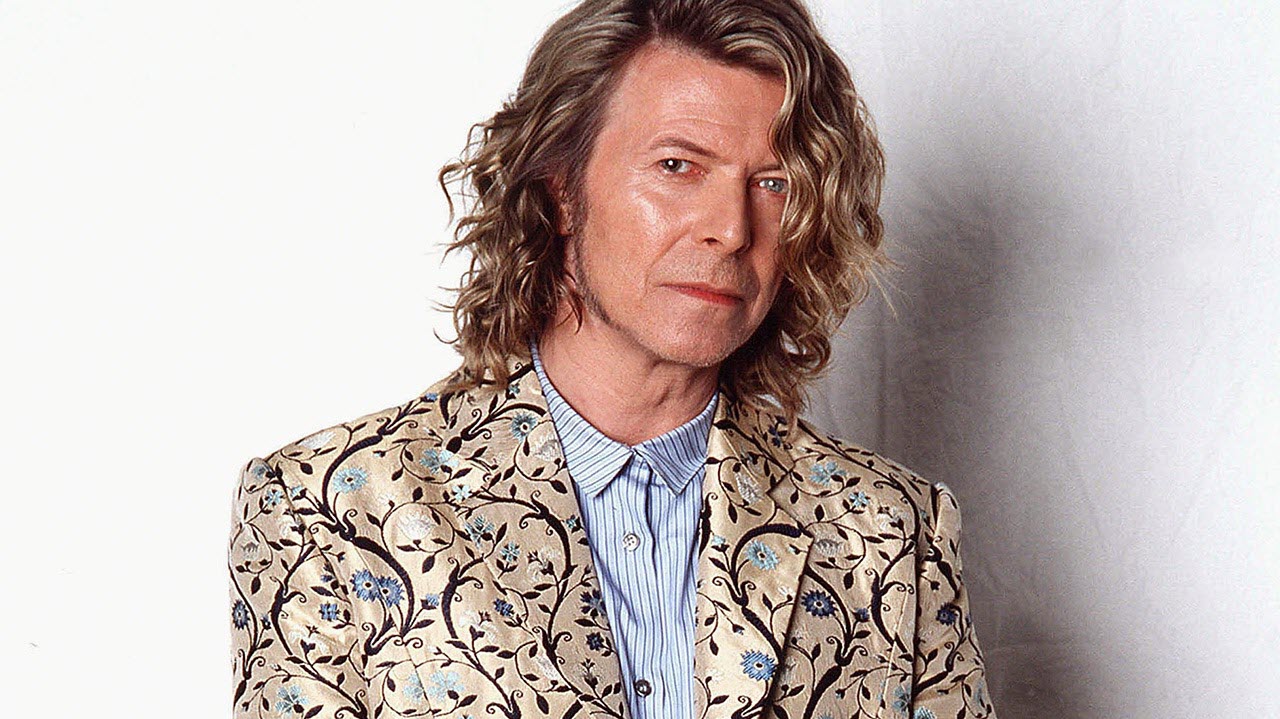
David Bowie, the chameleon of rock, captivated audiences with his genre-defying music and enigmatic persona. From his pioneering glam rock phase to his introspective later works, Bowie’s influence transcended generations, making him an icon in the music world. His ability to reinvent himself kept fans on their toes, resulting in a catalog filled with unforgettable hits. In this article, we delve into the top 10 most popular David Bowie songs of all time, exploring tracks that not only defined his career but also left an indelible mark on popular culture.
Whether you’re a lifelong fan or new to his music, each song in this list tells a story of innovation, rebellion, and artistry. From the electrifying riffs of “Rebel Rebel” to the haunting melodies of “Space Oddity,” Bowie’s songs capture a wide spectrum of human emotions and experiences. Join us as we celebrate the musical genius of David Bowie, revisiting the tracks that have resonated with audiences and continue to inspire artists today. Prepare for a journey through time and sound as we highlight the anthems that solidified Bowie’s legacy as one of the greatest musicians of all time!
1. “Space Oddity” (1969)
“Space Oddity” is one of David Bowie’s most iconic and imaginative tracks, launching not only a fictional astronaut named Major Tom into the cosmos, but also Bowie himself into global stardom. Released in 1969 just days before the Apollo 11 moon landing, the song resonated deeply with a world newly fascinated by space exploration. Its melancholy tone and haunting lyrics perfectly capture a sense of wonder, isolation, and existential uncertainty. The track opens with eerie, shimmering guitar and mellotron effects that give the music a floating, weightless quality. As Bowie narrates Major Tom’s mission gone awry, his vocals shift from calm to detached, reflecting the emotional drift of a man untethered. It’s not just a song about space—it’s about detachment, loneliness, and the thin line between ambition and oblivion. With its groundbreaking production and cinematic storytelling, “Space Oddity” became a milestone in popular music. Bowie created not just a song, but a character that would reappear throughout his career. Over the decades, the song has gained layers of meaning, often interpreted as a metaphor for addiction, fame, or the human condition itself. “Space Oddity” remains a brilliant fusion of science fiction and deeply human emotion.
2. “Changes” (1971)
“Changes,” released in 1971 on the Hunky Dory album, is perhaps the ultimate Bowie manifesto—an ode to self-reinvention, embracing transformation with both fear and fascination. The song opens with a bouncing piano line that sets a playful, almost theatrical mood. But beneath the lively exterior lies a deeply reflective message about the inevitability of change and the courage it takes to accept it. Bowie’s lyrics feel autobiographical, especially in lines like “Time may change me, but I can’t trace time.” It’s a song that feels like it was written for anyone standing at a personal crossroads. Bowie’s vocal delivery carries both vulnerability and defiance, acknowledging the anxiety that comes with change while celebrating the freedom it brings. Over time, “Changes” became more than just a personal statement—it became an anthem for those who feel out of step with the world. The song gained even more cultural weight as Bowie continued to shape-shift through personas and styles, proving that transformation wasn’t just a theme—it was his way of life. “Changes” continues to inspire listeners across generations to face the unknown with open hearts and restless creativity.
3. “Heroes” (1977)
“Heroes” is one of David Bowie’s most stirring and enduring songs, a towering anthem of love, defiance, and fleeting triumph. Released in 1977 during his Berlin era, the song draws inspiration from a real-life moment: Bowie witnessed a couple kissing near the Berlin Wall, their affection defying the political tension that divided the city. That fleeting act became the emotional core of “Heroes.” The song builds with intensity, starting softly with ambient textures and growing into a cathartic climax. Bowie’s vocals grow more passionate with each verse, culminating in a desperate, triumphant cry—“We can be heroes, just for one day.” Musically, the track is rich with layered guitars (including contributions from Robert Fripp of King Crimson), ambient production by Brian Eno, and a driving rhythm section. It captures a feeling of hope in the face of overwhelming odds. More than a love song, “Heroes” is about transcending limitations, even if only briefly. Its emotional resonance has made it a staple in films, political events, and memorials. To this day, “Heroes” continues to offer courage and uplift, reminding us that even in broken places, something beautiful can survive—and even thrive.
4. “Life on Mars?” (1971)
“Life on Mars?” is one of Bowie’s most lyrically rich and enigmatic songs, blending surreal imagery with a sweeping orchestral arrangement. Released in 1971 on Hunky Dory, it’s often considered one of Bowie’s masterpieces—both musically and thematically. The lyrics paint a kaleidoscopic picture of a young girl disillusioned with the world around her. She seeks solace in the cinema, only to find that even pop culture can’t provide the answers she’s looking for. It’s a critique of escapism, modernity, and the human tendency to look outward for meaning. Musically, the song is dazzling. It begins with Bowie’s solitary piano before expanding into a lush, cinematic soundscape complete with soaring strings and Mick Ronson’s beautifully arranged guitar work. Bowie’s vocal performance is filled with both irony and empathy, his tone shifting to match the emotional and visual whirl of the lyrics. “Life on Mars?” is not an easy song to interpret—and that’s part of its magic. It doesn’t hand you answers; it offers a surreal mirror. Is there life on Mars? Maybe not. But in Bowie’s universe, the question itself becomes a metaphor for longing, confusion, and the search for truth in a noisy world.
5. “Starman” (1972)
“Starman,” released in 1972, served as the world’s introduction to Ziggy Stardust—David Bowie’s flamboyant, extraterrestrial alter ego. Appearing on The Rise and Fall of Ziggy Stardust and the Spiders from Mars, the song is a glittering mix of hope, fantasy, and rebellion. With its bright melodies and singalong chorus, “Starman” offered comfort to young misfits and outsiders who felt alienated from society. The song tells of a cosmic visitor who beams a message to Earth’s youth, encouraging them to embrace their uniqueness and look to the stars. Bowie’s vocals are inviting, moving from gentle storytelling in the verses to the soaring, euphoric chorus that beckons listeners to dream bigger. Musically, it’s full of 1950s pop influences mixed with glam rock flair—bright piano chords, jangling guitars, and space-age effects. When Bowie performed “Starman” on Top of the Pops, it became a cultural milestone; his androgynous appearance and direct eye contact with the camera challenged norms and captivated millions. More than just a song, “Starman” became a beacon for the outcasts, signaling that someone up there—maybe even down here—understood them. It’s Bowie’s message of cosmic empathy, still shining decades later.
6. “Under Pressure” (with Queen) (1981)
“Under Pressure” is a powerful fusion of talent and emotion, born from the spontaneous collaboration between David Bowie and Queen in 1981. Anchored by John Deacon’s iconic bassline—one of the most recognizable in rock history—the song explores the immense emotional and societal stress that weighs on humanity. Bowie and Freddie Mercury trade verses, their voices rising and falling in a dynamic conversation about anxiety, love, and compassion in a chaotic world. What began as a studio jam turned into a transcendent anthem that feels both deeply personal and universally relatable. The crescendo builds to a cathartic release, urging listeners to “give love one more chance.” The blend of Bowie’s theatrical depth and Mercury’s soaring intensity creates a breathtaking synergy, showcasing both artists at the peak of their expressive powers. Despite its heavy themes, “Under Pressure” leaves listeners uplifted, reminding us that empathy is a powerful antidote to the weight of the world. Over the years, the song has been used in social campaigns, films, and memorials, resonating across generations. More than just a hit, “Under Pressure” remains a timeless cry for connection in an often overwhelming world.
7. “Rebel Rebel” (1974)
“Rebel Rebel” is a strutting, guitar-driven anthem of self-expression and youthful defiance. Released in 1974 on the Diamond Dogs album, this glam rock classic features one of Bowie’s most infectious guitar riffs—a raw, chugging groove that sets the tone for the song’s rebellious energy. The lyrics paint a portrait of a gender-fluid, glam-obsessed teen who boldly challenges societal norms. With lines like “You got your mother in a whirl,” Bowie proudly celebrates individuality, nonconformity, and the thrill of rebellion. Though it emerged at the tail end of his Ziggy Stardust era, “Rebel Rebel” remains a standalone statement—one that doesn’t rely on Bowie’s alien personas, but instead reflects his deep connection to the misfits and dreamers of the real world. His vocals here are gritty and playful, full of attitude and swagger, reinforcing the song’s punk spirit years before punk truly exploded. Over time, it has become a beloved anthem for outsiders, LGBTQ+ communities, and anyone who has ever felt out of place. “Rebel Rebel” isn’t just about rebellion—it’s about celebrating the beauty of being different. Its enduring popularity proves that being yourself, unapologetically, never goes out of style.
8. “Fame” (1975)
“Fame,” released in 1975, is Bowie’s sharpest critique of the celebrity machine—a funky, biting track that peels back the glossy surface of stardom. Co-written with John Lennon and guitarist Carlos Alomar, the song blends funk rhythms with a jagged edge, reflecting the disillusionment Bowie felt at the height of his fame. Its hypnotic groove pulls you in, while Bowie’s chopped, echo-laden vocals repeat the word “fame” like a warning. Unlike many glam-era hits that glamorized the spotlight, “Fame” exposes its dark side—the manipulation, the loss of self, the emptiness behind the curtain. Lennon’s presence can be felt in the song’s sarcastic tone and experimental style, making it a rare and brilliant fusion of two rock legends. The lyrics may sound simple, but they’re layered with cynicism and insight. Bowie is both seduced and repelled by the attention, torn between desire and disdain. As relevant today as it was in the ’70s, “Fame” stands as a cautionary tale in an age obsessed with likes, followers, and celebrity culture. It was Bowie’s first number-one hit in the U.S., proving that even when he was skeptical of fame, he mastered it.
9. “Let’s Dance” (1983)
“Let’s Dance” marked a bold shift in David Bowie’s career, catapulting him into 1980s mainstream pop with irresistible energy. Released in 1983 and produced by Nile Rodgers of Chic, the song blends rock with danceable funk, wrapped in sleek production and polished grooves. From the opening riff—played by a then-unknown Stevie Ray Vaughan—to Bowie’s commanding vocals, the track pulses with celebration and motion. But beneath the surface, there’s depth. The lyrics, while upbeat, hint at vulnerability and urgency—“Put on your red shoes and dance the blues” evokes escapism, maybe even a quiet desperation hidden behind the party. Rodgers’ production adds a glossy sheen that made “Let’s Dance” a global hit, reaching number one in multiple countries. For Bowie, it was both a commercial triumph and a stylistic reinvention, introducing him to a new generation of fans. The music video, filmed in Australia, subtly critiques cultural erasure and racial inequality, showing Bowie’s awareness of global issues. More than just a catchy tune, “Let’s Dance” is proof of Bowie’s genius in merging art with mass appeal. To this day, it remains a dancefloor staple—vibrant, stylish, and unmistakably Bowie.
10. “Ashes to Ashes” (1980)
“Ashes to Ashes” is David Bowie at his most introspective and innovative. Released in 1980 as the lead single from Scary Monsters (and Super Creeps), the song revisits the story of Major Tom—Bowie’s fictional astronaut from “Space Oddity”—but this time with a darker, more reflective twist. Far from the wonder of the original, Major Tom is now a “junkie,” a metaphor Bowie uses to confront his own struggles with addiction, fame, and identity. Musically, the track is a masterpiece of texture and mood. Built on a foundation of eerie synthesizers, clipped drum beats, and layered vocal effects, it creates a dreamlike atmosphere both haunting and mesmerizing. The chorus is deceptively catchy, its brightness contrasting with the song’s themes of disillusionment and personal reckoning. The accompanying music video, featuring surreal visuals and Bowie in a Pierrot clown costume, pushed the boundaries of MTV-era visuals and remains iconic to this day. “Ashes to Ashes” is more than a sequel to “Space Oddity”—it’s a reckoning, a farewell to illusions, and a pivotal moment in Bowie’s creative evolution. It marked the end of an era while opening doors to bold new artistic directions.

Edward Tomlin is a frequent contributor to Singers Room. Since 2005, Singersroom has been the voice of R&B around the world. Connect with us via social media below.









