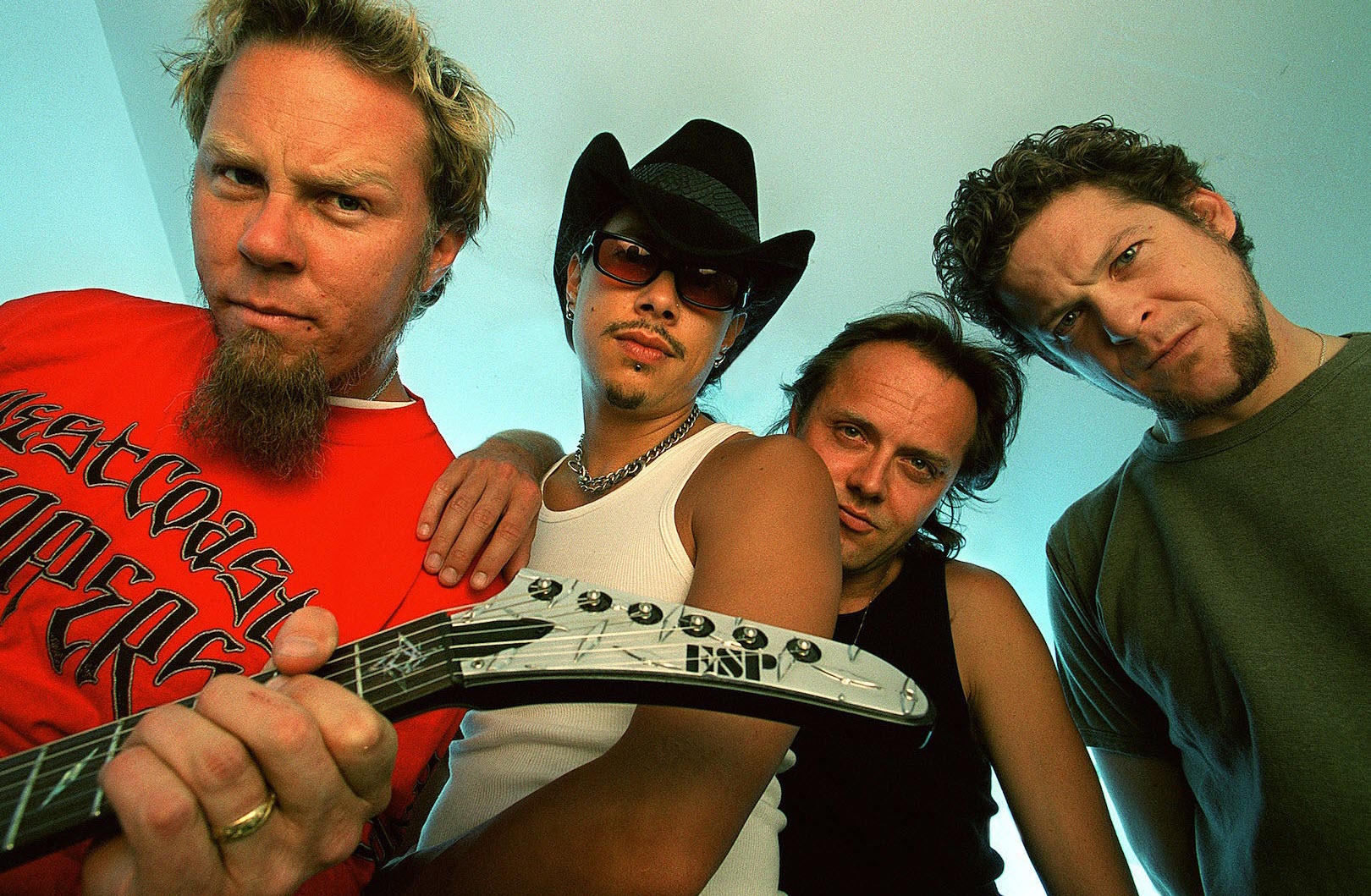
When it comes to heavy metal, few bands have left as indelible a mark as Metallica. Formed in 1981, this iconic group has redefined the genre, captivating millions with their electrifying sound, powerful lyrics, and unforgettable performances. From their early thrash roots to their evolution into mainstream rock legends, Metallica’s music has transcended generations, making them a staple in the playlists of both die-hard fans and casual listeners alike.
In this article, we dive deep into the top 10 most popular Metallica songs of all time. Each track is not just a testament to their musical prowess but also a reflection of the band’s ability to evolve while staying true to their core. Whether it’s the adrenaline-pumping riffs, haunting melodies, or thought-provoking themes, these songs have become anthems for rebellion, resilience, and raw emotion.
Join us as we explore the tracks that have defined Metallica’s legacy, resonating with fans across the globe. Get ready to relive the power and passion that have made these songs timeless classics, and discover why Metallica remains a force to be reckoned with in the music world!
1. Enter Sandman (1991)
“Enter Sandman” is arguably one of Metallica’s most recognizable and enduring songs, serving as a powerful introduction to their 1991 self-titled album, commonly known as the Black Album. With its eerie, creeping guitar intro that quickly explodes into a wall of sound, the track instantly draws listeners into a world of lurking fears and subconscious nightmares. The lyrics explore the darker side of childhood—dreams turning into horror, innocence threatened by unseen forces. It’s a chilling concept, made even more potent by James Hetfield’s gritty vocals and the band’s tightly wound rhythm section. Lars Ulrich’s thunderous drumming drives the song forward with relentless force, while Kirk Hammett’s guitar solo adds an edge of chaos. The juxtaposition of the lullaby-style verses with the pounding, explosive chorus makes the song as unsettling as it is unforgettable. “Enter Sandman” became a defining moment in Metallica’s career—catapulting them into mainstream fame while staying true to their heavy roots. It’s more than a metal track; it’s a cultural touchstone that still packs a punch more than three decades later, and a staple at concerts where the opening riff alone is enough to send fans into a frenzy.
2. Master of Puppets (1986)
“Master of Puppets” is a monumental achievement in the world of heavy metal, combining blistering speed, complex structure, and profound lyrical content. Released in 1986 on the album of the same name, the song explores the dark and consuming nature of addiction—portraying the substance as a puppet master pulling the strings of its victim. From the opening riffs, which are both aggressive and razor-sharp, to the song’s epic eight-minute runtime, it’s a full-throttle musical journey. The mid-song instrumental break slows down just long enough to give a false sense of relief before launching into another furious section. Hetfield’s vocals carry a commanding presence, delivering lines that are equal parts menacing and thought-provoking. The track’s dynamics showcase Metallica’s mastery of pacing and composition, using shifts in tempo and tone to mirror the chaos of losing control. It’s not just a fan favorite—it’s considered one of the greatest metal songs ever written. “Master of Puppets” stands as a defining moment in Metallica’s career, a track that pushed the boundaries of thrash while injecting it with emotional and thematic depth. Its legacy only grows with time, influencing generations of musicians and fans.
3. One (1988)
“One” is one of Metallica’s most haunting and emotionally charged songs, delivering a powerful anti-war message through a soldier’s nightmare. Released in 1988 as part of the …And Justice for All album, the track is based on Dalton Trumbo’s novel Johnny Got His Gun, which tells the story of a soldier who has lost his limbs and senses in battle, trapped in his own body. The song begins with a soft, somber guitar line that evokes a sense of calm before exploding into a furious storm of distorted riffs and machine-gun drumming. Hetfield’s vocals evolve from mournful to anguished as the song progresses, reflecting the psychological torment of the protagonist. The instrumental climax—filled with rapid-fire double bass and precision guitar work—symbolizes the chaos and violence of war. It was also the first Metallica song to be accompanied by a music video, which used stark images from the film adaptation of Johnny Got His Gun. “One” remains a standout in the band’s discography not only for its musical brilliance but for its unflinching look at the human cost of war. It’s a masterpiece of storytelling, emotion, and sonic intensity.
4. Nothing Else Matters (1991)
“Nothing Else Matters” is Metallica at their most introspective and emotionally vulnerable, revealing a softer side rarely seen in metal at the time. Released in 1991 on the Black Album, the song was initially written by James Hetfield as a private expression of longing while on tour. Its gentle, fingerpicked intro was a stark contrast to the band’s typically aggressive sound. Yet, the sincerity of its lyrics and the beauty of its melody struck a chord with fans far beyond the metal scene. The track’s theme centers around trust, love, and the strength found in emotional connection—“so close, no matter how far” became an anthem for long-distance relationships and personal faith. The orchestral arrangement, particularly in live performances with symphony backing, adds even more depth and drama. Critics and fans alike praised the song for its universal appeal and emotional authenticity. Though it diverged from Metallica’s usual style, it never felt like a sell-out—it was a bold evolution. “Nothing Else Matters” proved that heavy bands could show vulnerability without losing their edge, and it continues to be a fan favorite and one of Metallica’s most enduring ballads.
5. Seek & Destroy (1983)
“Seek & Destroy” is a raw, adrenaline-fueled call to arms that perfectly encapsulates the sound and attitude of early Metallica. Featured on their debut album Kill ‘Em All in 1983, the track combines speed, aggression, and a rebellious spirit that defined the burgeoning thrash metal scene. With its instantly recognizable opening riff, “Seek & Destroy” wastes no time announcing itself—it’s a full-throttle mission of chaos and confrontation. The lyrics are simple but effective, channeling themes of rebellion, rage, and a lust for destruction. James Hetfield’s barked vocals and Kirk Hammett’s piercing solos cut through with ferocity, while Lars Ulrich’s pounding drums keep the momentum relentless. Though it was born from a young and hungry band, “Seek & Destroy” has only grown in power over the years. It became a fixture in their live performances, often extended to incite crowd participation and showcase each member’s skill. It’s not just a song—it’s an anthem of youthful defiance, embodying everything that made early Metallica a force to be reckoned with. Decades later, it still captures the spirit of raw, untamed metal at its most primal.
6. The Unforgiven (1991)
“The Unforgiven” is a haunting, introspective ballad that marked a significant shift in Metallica’s sound when it was released in 1991 as part of the Black Album. Unlike most of their earlier thrash anthems, this track takes a slower, more emotional approach, exploring themes of guilt, regret, and the struggle for personal freedom in the face of societal pressure. The song’s structure is notable for its reversal of the typical ballad form—it features soft, melancholic verses and a heavy, aggressive chorus. This contrast reflects the internal conflict of the song’s protagonist, a person molded and restricted by external forces throughout his life. James Hetfield’s vocals are more nuanced here, full of longing and suppressed fury, while the instrumentation is rich and atmospheric. The haunting horn introduction and Kirk Hammett’s sorrowful guitar solo give the track a cinematic quality, almost like a Western in musical form. “The Unforgiven” became one of Metallica’s most beloved songs, not just for its emotional depth, but for its bravery in experimenting with vulnerability and melodic dynamics. It paved the way for sequels and showed that Metallica could evolve without sacrificing their soul.
7. Sad But True (1991)
“Sad But True” is one of the heaviest and most menacing tracks on the Black Album, with a massive, down-tuned guitar riff that hits like a sledgehammer. Released in 1991, this song digs deep into the idea of duality and self-deception. The lyrics speak from the perspective of an inner voice or dark persona—possibly addiction, temptation, or destructive impulses—telling the listener that no matter what they think, this darker self is in control. James Hetfield delivers these lyrics with chilling authority, his growl perfectly matching the oppressive tone of the music. The song moves at a slower, deliberate pace compared to Metallica’s earlier material, allowing the sheer weight of the sound to really sink in. Lars Ulrich’s drumming is thunderous, and Kirk Hammett’s solo is piercing and primal. “Sad But True” doesn’t rely on speed; instead, it dominates through groove and sheer force. It’s a fan favorite in live shows, where the crowd often roars along with its menacing chorus. The song stands as a bold statement in Metallica’s evolution—proof that heaviness isn’t always about velocity, but about intensity and presence.
8. For Whom the Bell Tolls (1984)
“For Whom the Bell Tolls” is one of Metallica’s most iconic and evocative tracks, opening with the tolling of a bell that signals the gravity of what’s to come. Released in 1984 on their Ride the Lightning album, the song is inspired by Ernest Hemingway’s novel of the same name and reflects on the futility of war and the inevitability of death. Cliff Burton’s distorted bass intro is legendary, setting a foreboding mood that seamlessly transitions into the song’s heavy, churning rhythm. Unlike the breakneck speed of many early Metallica songs, this one marches with a steady, crushing power. The lyrics, delivered with grim finality by James Hetfield, describe young soldiers meeting their fate on the battlefield—valiant yet powerless. It’s a sobering look at how quickly life can be extinguished, and how senseless violence can feel. The slow, almost apocalyptic pacing reinforces the song’s themes, and the instrumental interplay builds a tension that never fully releases. “For Whom the Bell Tolls” remains a concert staple, stirring crowds into fist-pumping unity. It’s not just a song—it’s a powerful meditation on mortality and sacrifice, wrapped in a riff-heavy metal shell.
9. Fuel (1997)
“Fuel” is a no-holds-barred adrenaline rush, capturing the raw, fiery energy that powers both engines and emotions. Released in 1997 as part of Metallica’s Reload album, the track wastes no time with pleasantries—kicking off with the shouted command, “Gimme fuel, gimme fire, gimme that which I desire!” From that moment, it’s full throttle. Built around a scorching riff and a pounding rhythm, the song channels the thrill of speed, the lust for freedom, and the craving for intensity. Lyrically, it’s not about anything overly deep or symbolic—just the sheer, visceral pleasure of living life at full blast. Hetfield’s delivery is charged with excitement and grit, and the entire band plays like they’ve been shot out of a cannon. While some fans view Reload as a divisive moment in Metallica’s discography, “Fuel” stands out as an undeniable crowd-pleaser. Its fiery energy makes it a natural fit for live shows, and it’s often used to kick things into high gear. Whether you’re behind the wheel or just letting off steam, “Fuel” is an anthem for anyone who thrives on speed, power, and the unrelenting drive to burn bright and fast.
10. Wherever I May Roam (1991)
“Wherever I May Roam” is a brooding, exploratory anthem that delves into the loneliness, freedom, and identity that come with a life lived on the road. Released in 1991 on the Black Album, the song opens with a haunting sitar-like guitar intro that immediately sets a mysterious, almost nomadic mood. As the heavy guitars and drums kick in, the track builds into a slow, grinding march that reflects the journey of a wanderer—someone untethered from home, relationships, or stability. James Hetfield’s lyrics speak to a sense of proud isolation: “And the road becomes my bride.” It’s a declaration of independence, but also a confession of the solitude that can come with it. Musically, the song is layered and rich, with Kirk Hammett’s solos adding depth and emotion to the vast landscape it paints. The production is massive, allowing each instrument to resonate fully and add to the song’s grand, epic feel. “Wherever I May Roam” became a favorite on tour—not just for its subject matter, but because it truly feels like the soundtrack to life on the move. It’s a powerful statement about identity, purpose, and the relentless search for meaning.

Edward Tomlin is a frequent contributor to Singers Room. Since 2005, Singersroom has been the voice of R&B around the world. Connect with us via social media below.









