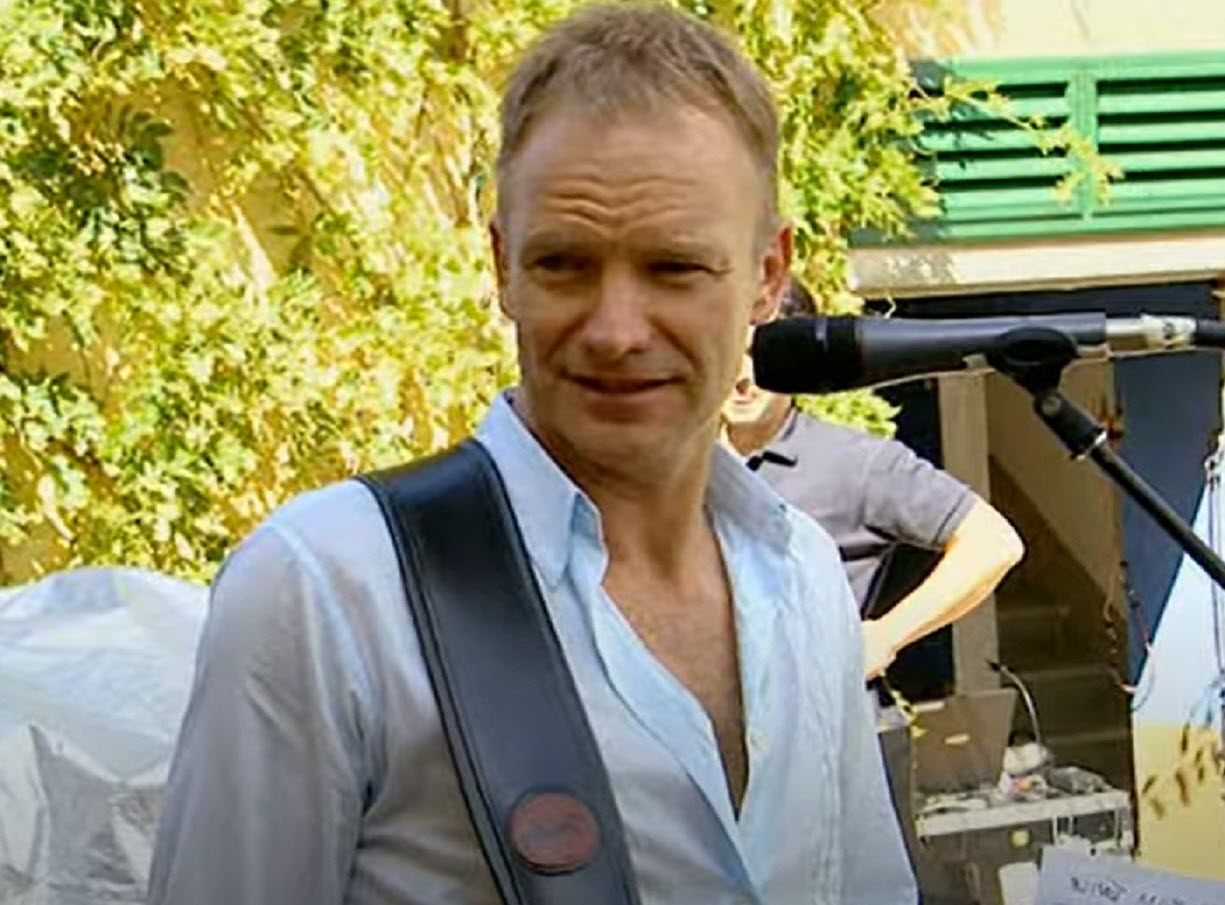
When it comes to the world of music, few artists have left an indelible mark like Sting. With a career spanning over four decades, the former frontman of The Police has captivated audiences with his distinctive voice and profound lyrics. His ability to blend rock, jazz, and world music has not only redefined genres but also resonated deeply with fans across generations. From the heart-wrenching ballads that tug at our emotions to the electrifying anthems that ignite our spirits, Sting’s catalog is a treasure trove of unforgettable tunes.
In this article, we dive into the top 10 most popular Sting songs of all time, each representing a unique chapter in his illustrious career. Whether you’re a lifelong admirer or a newcomer eager to explore, these tracks showcase the breadth of his artistry and the timeless quality of his music. Get ready to relive the magic as we celebrate the songs that have made Sting not just a musician, but a cultural icon. Join us on this melodic journey through his most celebrated hits, and discover what makes each song a classic in its own right!
1. “Every Breath You Take” (1983)
When “Every Breath You Take” was released in 1983, it quickly became one of the most iconic and emotionally charged songs of its era. Performed by The Police and written by Sting, the track is often mistaken for a straightforward love song, but it actually explores themes of obsession, surveillance, and unrelenting fixation. With its clean, minimalist guitar line, steady drumbeat, and haunting melody, the song evokes a sense of quiet tension and emotional captivity. Sting’s voice is calm but intense, delivering lyrics like “Every move you make, every vow you break” with chilling clarity. What makes the song so compelling is how it balances beauty and unease, wrapping complex emotions in a sleek, radio-friendly package. It topped the Billboard Hot 100 for eight weeks and earned a Grammy Award for Song of the Year, solidifying Sting’s reputation as a master songwriter. Over time, it has become a cultural touchstone—used in films, television, and countless personal playlists. Whether you hear it as a haunting ballad or a misunderstood love song, “Every Breath You Take” leaves a lasting impression with its unforgettable melody and emotionally intense message.
2. “Fields of Gold” (1993)
“Fields of Gold” is one of Sting’s most cherished solo tracks—a tender, reflective ballad released in 1993 that captures the quiet beauty of love remembered. Built on a soft acoustic guitar riff and enhanced by gentle layers of keyboard and strings, the song creates an atmosphere that feels almost like a dream. Sting’s voice is warm and comforting, like a whisper in the ear, as he sings about walking through golden fields with a loved one. The imagery is simple yet powerful—sunlight, barley fields, and the passing of time—all symbols of moments that linger long after they’re gone. What gives the song its emotional depth is its tone of wistfulness; it’s not just about love, but the fleeting nature of life itself. Often played at weddings, memorials, and other deeply personal events, “Fields of Gold” speaks to the universal human experience of love, loss, and memory. Its timeless message and understated beauty have helped it remain a staple in Sting’s catalog, resonating with listeners across generations. It’s a song that encourages us to pause, look back, and hold on to the moments that matter most.
3. “Desert Rose” (1999)
With “Desert Rose,” released in 1999, Sting stepped beyond traditional pop boundaries to create something bold, mysterious, and globally inspired. The track features Algerian Raï singer Cheb Mami, whose passionate Arabic vocals provide a mesmerizing counterpoint to Sting’s smooth, haunting delivery. The result is a beautiful collision of Western and Middle Eastern sounds—a fusion of ambient pop, world music, and deep emotion. The lyrics speak of longing and unfulfilled desire, wrapped in a dreamlike soundscape that feels like wandering through a moonlit desert. The production is richly layered, with pulsing rhythms, shimmering synths, and atmospheric instrumentation that draws the listener into an exotic, emotionally charged world. Sting’s willingness to experiment with sound and culture shines here, and the song became a global hit, partly thanks to a high-profile Jaguar commercial that introduced it to a wider audience. But at its core, “Desert Rose” is about yearning—the kind of deep, aching desire that transcends language. It’s one of Sting’s most unique and unforgettable tracks, demonstrating his ability to take musical risks while still creating something emotionally resonant and universally compelling.
4. “Shape of My Heart” (1993)
“Shape of My Heart,” released in 1993, is a deeply introspective ballad that reveals Sting’s poetic and philosophical side. The song paints the portrait of a card player—not just as a gambler, but as a man searching for deeper meaning in a game of chance. It’s a quiet reflection on fate, purpose, and the patterns we try to understand in life and love. The acoustic guitar riff, beautifully played by Dominic Miller, sets a calm, contemplative tone that pairs perfectly with Sting’s soft, thoughtful vocals. The lyrics suggest a man who hides behind strategy and logic but is ultimately driven by emotion and longing. “He deals the cards to find the answer,” Sting sings, inviting the listener to ponder what lies beneath our actions and choices. Over the years, the song has gained new life through appearances in films like Léon: The Professional and countless covers. It resonates with anyone who’s wrestled with questions about destiny and vulnerability. With its minimalist arrangement and lyrical depth, “Shape of My Heart” stands as one of Sting’s most profound works, proving that the quietest songs can sometimes speak the loudest.
5. “Englishman in New York” (1987)
“Englishman in New York,” released in 1987, is a witty, jazz-tinged celebration of individuality, cultural contrast, and staying true to oneself. Inspired by the eccentric and flamboyant writer Quentin Crisp, the song captures what it means to feel like an outsider—but to own that identity with pride and dignity. With a smooth groove, bright saxophone lines, and a catchy refrain, the track is as playful as it is thought-provoking. Sting’s lyrics highlight the peculiarities of British manners in a bustling, brash American city, noting with charm and irony, “I’m an alien, I’m a legal alien.” But beneath the clever wordplay is a deeper message about courage—the courage to be different in a world that often demands conformity. Sting’s vocals are cool and composed, lending the song both sophistication and warmth. Over time, it’s become an anthem for those who walk their own path, celebrating nonconformity with grace. “Englishman in New York” remains a standout in Sting’s catalog, not just for its musical inventiveness, but for its affirming spirit. It’s a tribute to the brave souls who live authentically, no matter where they are in the world.
6. “Message in a Bottle” (1979)
“Message in a Bottle,” released in 1979 by The Police, is one of the band’s most iconic and enduring songs. Built on a pulsating guitar riff and reggae-infused rhythm, the track marries energetic rock with emotional vulnerability. Sting’s lyrics tell the story of a castaway who sends out a desperate plea for companionship, only to discover that countless others feel the same isolation. This revelation—that loneliness is a shared human experience—gives the song a powerful emotional punch. The chorus, with its repeated line “Sending out an S.O.S.,” has become a universal cry for connection, resonating deeply with listeners across generations. Musically, it showcases the trio’s tight interplay: Stewart Copeland’s dynamic drumming, Andy Summers’ intricate guitar work, and Sting’s impassioned vocals all converge to create a sound that’s both urgent and timeless. It’s more than just a catchy rock song—it’s a philosophical reflection on solitude and the hope that someone, somewhere, will hear your voice. Whether you’re alone in a room or singing along with thousands, “Message in a Bottle” taps into something deeply human. It remains a defining track in The Police’s legacy and a shining example of smart, heartfelt songwriting.
7. “Roxanne” (1978)
“Roxanne” marked a turning point for The Police when it was released in 1978, establishing their unique blend of reggae, punk, and rock—and putting Sting’s unforgettable voice on the map. The song tells the story of a man hopelessly in love with a woman caught in a life of prostitution. With an emotional mix of pleading, frustration, and passion, Sting sings the name “Roxanne” with such raw intensity that it lingers long after the song ends. The opening piano chord, a studio accident that Sting accidentally sat on, became a distinctive and unintentional intro, setting the tone for a track that’s full of character and soul. Lyrically, it’s a bold and vulnerable love song, one that doesn’t shy away from the complications of human relationships. Musically, it’s lean and punchy, driven by Copeland’s sharp drumming and Summers’ minimal guitar work, leaving space for the emotion in Sting’s voice to shine through. “Roxanne” wasn’t just a hit—it became an anthem. It showed that love songs could be gritty, unconventional, and still deeply moving. Over time, it’s become one of the most recognizable songs in modern rock history.
8. “If I Ever Lose My Faith in You” (1993)
Released in 1993, “If I Ever Lose My Faith in You” is a reflective and spiritually charged song that speaks to disillusionment, resilience, and personal belief. After years of fame and musical success, Sting returned with this solo track that captures a complex emotional landscape. He sings about losing faith in institutions—politicians, religion, science—but not in a person whose presence provides anchoring and meaning. The song opens with a haunting keyboard phrase and builds into a steady rhythm that balances melancholy and hope. Sting’s voice carries weariness, but also clarity, as he reflects on a world filled with uncertainty. What gives the song lasting power is its central message: even when everything else falls apart, personal love and trust can remain a guiding light. The track earned a Grammy Award for Best Male Pop Vocal Performance and quickly became a fan favorite for its honesty and emotional resonance. In a world that often feels unstable, “If I Ever Lose My Faith in You” stands as a gentle reminder of where we can place our deepest hopes—and how love can be a steady force amid chaos.
9. “Brand New Day” (1999)
“Brand New Day,” released in 1999, is an exuberant, jazz-inflected anthem that captures Sting’s enduring optimism and artistic growth. With its uplifting message and rhythmic energy, the song encourages listeners to leave the past behind and embrace the possibilities of a fresh start. The track opens with an infectious groove, brightened by the unmistakable harmonica playing of Stevie Wonder, whose presence adds even more warmth and soul to the arrangement. Lyrically, the song blends poetic imagery with playful turns of phrase, as Sting sings about rekindling love and rediscovering joy. It’s a reminder that no matter how difficult yesterday was, today holds the potential for change and happiness. The chorus—“Turn the clock to zero, honey”—feels like a musical sunrise, full of hope and renewal. Musically layered and emotionally rich, “Brand New Day” manages to be both a personal reflection and a universal anthem. It served as the title track for the album of the same name, marking a successful and creative new chapter in Sting’s solo career. Perfect for moments of transition, the song continues to inspire anyone seeking a clean slate and a brighter tomorrow.
10. “Seven Days” (1996)
“Seven Days,” released in 1996, is a clever and jazz-tinged exploration of love, timing, and indecision. In the song, Sting tells the story of a man who has just one week to win the heart of a woman before another suitor claims her. Each day is detailed with its own emotion—hope, anxiety, determination—highlighting how quickly time slips away when love is on the line. Musically, the track stands out with its complex time signature (5/4), showcasing Sting’s affinity for jazz fusion and rhythmic experimentation. The melody is smooth and unpredictable, reflecting the emotional push-and-pull of the song’s narrative. Sting’s vocal delivery is thoughtful and dryly humorous, giving personality to a situation many listeners can relate to: the fear of missed chances and the pressure to act quickly in matters of the heart. Despite its intricate structure, the song feels easy and conversational, like a story told over coffee. “Seven Days” remains a testament to Sting’s lyrical creativity and musical sophistication. It’s not just a song about romance—it’s about hesitation, timing, and how the smallest delays can change everything. It’s a gem for those who enjoy storytelling woven into elegant, unconventional pop.

Edward Tomlin is a frequent contributor to Singers Room. Since 2005, Singersroom has been the voice of R&B around the world. Connect with us via social media below.









