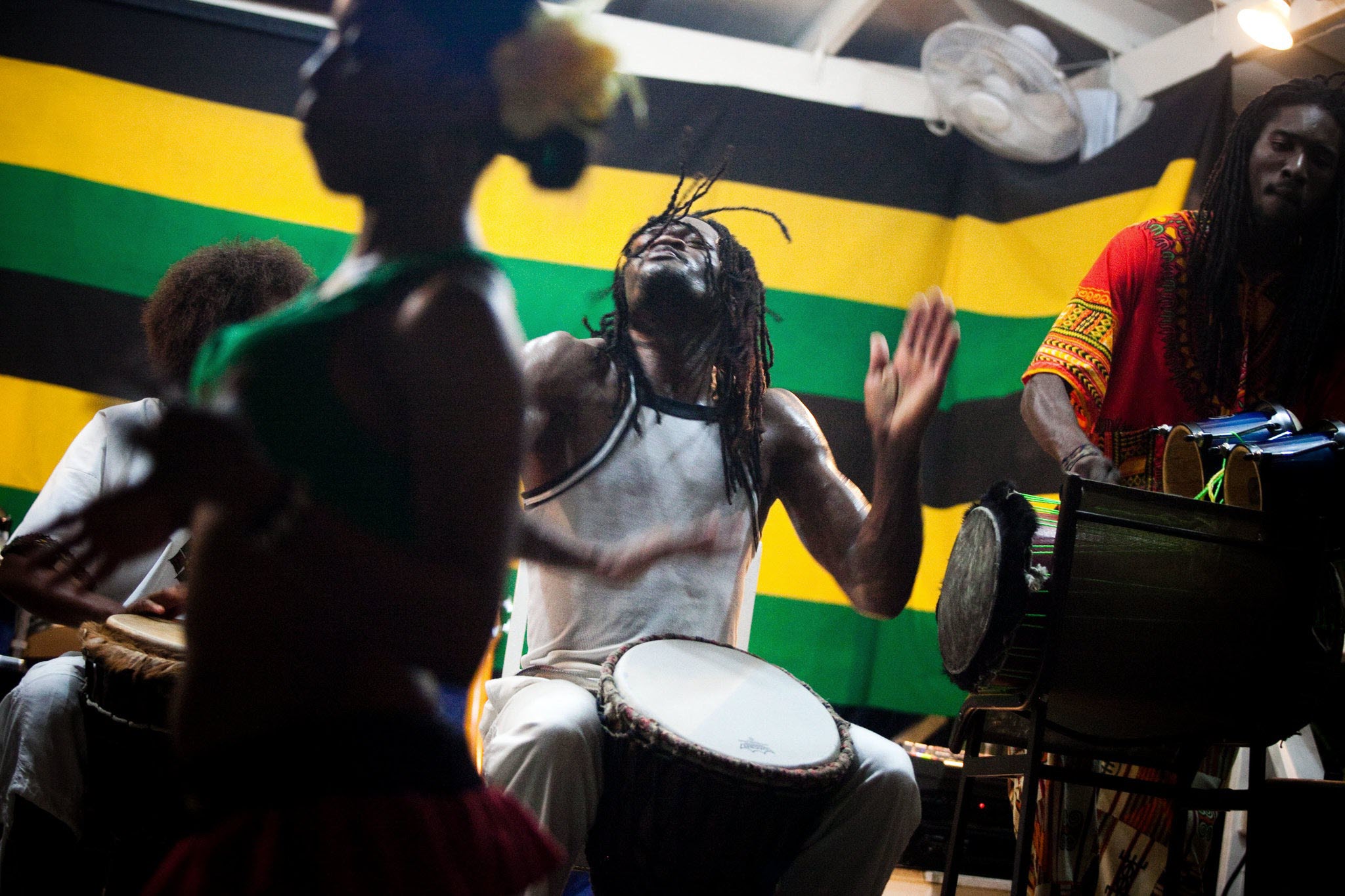
Reggae is more than just music—it’s a heartbeat, a movement, a soul-deep expression of struggle, love, and liberation. Born from the sun-soaked streets of Jamaica in the late 1960s, reggae quickly transcended its island roots to become a global force, influencing countless artists and inspiring generations. With its infectious grooves, syncopated rhythms, and conscious lyrics, reggae has given the world some of the most powerful anthems of peace, protest, and passion.
In this article, we’re diving into the Top 15 Most Popular Reggae Songs of All Time—tracks that didn’t just top charts, but transformed lives. These songs capture the essence of reggae: its spiritual depth, its rebellious fire, and its undeniable groove. From the revolutionary calls of Bob Marley and Peter Tosh, to the romantic vibes of Gregory Isaacs and the crossover hits of Inner Circle and UB40, this list is a celebration of the genre’s timeless appeal.
Whether you’re a lifelong fan or just discovering reggae’s rich legacy, these songs will move your feet, stir your soul, and remind you why reggae remains one of the most beloved and influential musical styles in the world. Let the rhythm take you there.
1. “No Woman, No Cry” – Bob Marley & The Wailers (1974)
Released in 1974 on Natty Dread, “No Woman, No Cry” is a touching anthem of comfort and resilience. Though often misinterpreted as telling a woman not to cry, the song is actually a message of support—an empathetic reminder that everything will be alright, even in the face of hardship. Written by Marley’s friend Vincent Ford, the lyrics are rooted in memories of their tough upbringing in Trenchtown, a poor neighborhood in Kingston, Jamaica. Marley recalls the simple, shared moments of survival—cooking meals together, hanging out in the yard, and staying hopeful despite poverty. The song’s most iconic version came from the 1975 live recording at London’s Lyceum Theatre, where Marley’s emotional delivery and the crowd’s spirited response transformed it into a communal experience. Backed by The Wailers’ warm, steady rhythm, Marley’s voice becomes both balm and beacon. “No Woman, No Cry” has since become one of reggae’s most enduring songs, offering solace to generations. It stands as a testament to Marley’s ability to turn personal memories into universal messages—of love, strength, and the quiet power of remembering where you came from.
2. “One Love / People Get Ready” – Bob Marley & The Wailers (1977)
Blending spiritual uplift with political undertones, “One Love / People Get Ready” is one of Bob Marley’s most iconic and unifying songs. Released in 1977 on the Exodus album, the track fuses Marley’s early ska anthem “One Love” from 1965 with elements of Curtis Mayfield’s gospel-infused “People Get Ready.” The result is a joyous, rhythmically rich call for peace, love, and unity. Marley’s genius lies in his ability to transform simple phrases into powerful mantras—“Let’s get together and feel all right” becomes more than a chorus; it’s a vision for global harmony. Underneath the sunny vibe, however, lies a subtle warning about divine justice and social accountability, as Marley urges listeners to prepare themselves spiritually. The song’s infectious rhythm, jubilant harmonies, and message of togetherness have made it an international peace anthem. It’s been featured in everything from protests to commercials to humanitarian campaigns, further cementing its legacy. “One Love” captures the spirit of reggae not just as a musical style, but as a movement rooted in love, liberation, and spiritual awareness. More than a song, it’s a lasting invitation to unity and hope.
3. “Israelites” – Desmond Dekker (1968)
Desmond Dekker’s “Israelites,” released in 1968, was a groundbreaking moment in reggae history. With its rapid-fire delivery, raw emotion, and catchy ska-reggae blend, the song became the first Jamaican hit to top the UK Singles Chart and crack the U.S. Top 10. Dekker, singing in a thick Jamaican patois, delivered an unfiltered look at working-class life—grappling with poverty, identity, and social injustice. The song’s title alludes to the Rastafarian view of Jamaicans as the modern-day Israelites—struggling but chosen people searching for justice and dignity. Dekker’s poignant lyrics—“You get up in the morning, you’re slaving for bread”—captured the daily grind of survival. Despite its serious themes, the song’s lively rhythm and unforgettable melody made it accessible to a global audience. Its syncopated beat and unique vocal style introduced many listeners to Jamaican music for the first time. “Israelites” wasn’t just a hit—it was a cultural shift, paving the way for reggae’s global rise. Long before Bob Marley became a household name, Dekker gave reggae its first major international platform, proving that a voice from the streets of Kingston could resonate with the world.
4. “Red Red Wine” – UB40 (1983)
UB40’s version of “Red Red Wine,” released in 1983, took Neil Diamond’s 1967 ballad and reimagined it through the smooth, laid-back lens of reggae-pop. Hailing from Birmingham, England, the multicultural band brought a distinctly British flavor to reggae, adding a lovers rock twist that made the track a worldwide sensation. Ali Campbell’s relaxed vocal delivery, paired with the band’s gentle groove and offbeat rhythm, turned heartache into something mellow and strangely soothing. It’s a break-up song with a buzz—a melancholic toast to drowning sorrows, wrapped in a rhythm that made you want to sway along. Although it was a hit in the UK in 1983, “Red Red Wine” didn’t reach No. 1 in the U.S. until 1988, after a re-release. The band’s success with the song highlighted reggae’s crossover appeal, showing it could dominate pop charts without losing its core identity. UB40’s working-class roots and international makeup resonated with audiences and demonstrated how reggae had become a truly global genre. “Red Red Wine” remains one of reggae’s most recognizable crossover tracks, a song as much about heartbreak as it is about healing, one glass at a time.
5. “Pressure Drop” – Toots and the Maytals (1969)
“Pressure Drop,” released in 1969 by Toots and the Maytals, is a thunderous reggae-soul hybrid that delivers both a groove and a warning. Powered by Frederick “Toots” Hibbert’s powerful, gospel-inflected vocals, the song is a prophecy of karmic justice: what you do to others will come back to you. “Pressure drop, oh pressure, oh yeah, pressure gonna drop on you,” he sings, with both defiance and soul. The song gained global recognition when it was featured in the 1972 cult film The Harder They Come, a pivotal moment that introduced reggae to international audiences. With its ska roots and deeply soulful undercurrent, “Pressure Drop” helped lay the foundation for what would become known as roots reggae. Toots’ passionate performance adds emotional weight to the song’s message, turning a simple lyric into a spiritual reckoning. The band’s tight instrumentation—punchy drums, sharp guitar stabs, and driving bass—makes it one of the most electrifying reggae recordings of all time. “Pressure Drop” remains not just a fan favorite, but a cultural landmark—a song that reminds us actions have consequences, delivered with the force of a musical storm.
6. “Buffalo Soldier” – Bob Marley & The Wailers (1983)
Released posthumously in 1983 on the Confrontation album, “Buffalo Soldier” is one of Bob Marley’s most powerful and historically rich songs. Recorded before his death in 1981, the track tells the story of African American soldiers—known as Buffalo Soldiers—who were enlisted by the U.S. Army to fight in the Indian Wars after the Civil War. Marley uses their story as a metaphor for the broader African diaspora experience: forced migration, survival, and identity in the face of oppression. With its memorable “woy yoy yoy” chorus and upbeat rhythm, the song balances infectious energy with a deeply meaningful message. Marley’s lyrics explore themes of displacement, endurance, and cultural pride, delivered with his signature mix of warmth and urgency. The song is as educational as it is musical, introducing listeners to a largely forgotten chapter of history. Despite its heavy subject matter, “Buffalo Soldier” remains one of Marley’s most popular and accessible songs, thanks to its catchy hook and radio-friendly sound. It’s a perfect example of Marley’s gift—making complex issues resonate through melody, rhythm, and soul. The result is a timeless track that continues to inspire reflection and resistance.
7. “Bad Boys” – Inner Circle (1987)
“Bad Boys,” released by Jamaican group Inner Circle in 1987, didn’t initially make a major splash—until it became the theme song for the TV show COPS in 1989. Suddenly, it was everywhere. With its hypnotic bassline, catchy chorus—“Bad boys, bad boys, whatcha gonna do?”—and hard-hitting lyrics about street life and consequences, the song quickly became embedded in pop culture. It’s gritty yet melodic, delivering a reggae groove with a message about accountability. While some interpreted it as an endorsement of law enforcement, others saw it as a reflection of rebellion and survival on the streets. Either way, it struck a chord. Inner Circle’s sound combines reggae with elements of pop and dancehall, giving “Bad Boys” a broad appeal. The track’s cultural significance exploded in the ’90s, not just through COPS, but also the Bad Boys film series starring Will Smith and Martin Lawrence. Despite its dark undertones, the song’s infectious beat and chantable hook made it an international reggae anthem. “Bad Boys” is now instantly recognizable—whether you’re thinking of crime, justice, or just vibing to the beat, it’s a song that refuses to be forgotten.
8. “Sweat (A La La La La Long)” – Inner Circle (1992)
Released in 1992, “Sweat (A La La La La Long)” became an instant global hit and a defining party anthem of the early ‘90s. With its flirty lyrics and infectious melody, the song was pure feel-good reggae, laced with a pop sensibility that made it accessible to audiences far beyond Jamaica. Inner Circle expertly blended dancehall grooves with a laid-back island vibe, creating a song that felt like summer bottled into a beat. The chorus—“A la la la la long, a la la la la long long li long long long”—is irresistibly catchy, and the song’s playful tone made it a favorite at beach parties, nightclubs, and radio stations worldwide. Despite its light-hearted surface, “Sweat” represents a broader trend of reggae’s international evolution—where traditional rhythms fused with pop to reach new heights. Inner Circle’s knack for crossover success without abandoning their roots helped keep reggae fresh and fun for a new generation. “Sweat” isn’t just a song—it’s a vibe, a celebration of music’s power to unite people through rhythm, joy, and a little romantic mischief.
9. “I Can See Clearly Now” – Jimmy Cliff (1993)
Originally written and recorded by Johnny Nash in 1972, “I Can See Clearly Now” received a vibrant second life in 1993 when reggae legend Jimmy Cliff recorded his own version for the soundtrack of Cool Runnings. Cliff infused the uplifting anthem with island soul and warmth, turning it into a celebration of clarity, perseverance, and emotional renewal. His voice, rich with optimism and maturity, gives new resonance to lines like “gone are the dark clouds that had me blind.” The syncopated guitars, bright brass accents, and reggae pulse offer a sunnier, more rhythmic take on Nash’s pop-soul original. Cliff’s rendition soared in popularity, reaching new generations who connected with its spirit of hope and personal victory. It was especially fitting for the film’s theme of triumph against the odds, echoing the story of Jamaica’s bobsled team. Cliff’s version doesn’t just revisit a classic—it redefines it, showcasing reggae’s ability to uplift and heal through music. More than a cover, it’s a declaration of positivity and resilience, crafted by one of reggae’s most expressive and enduring voices. For many, this became the definitive version, embodying the light at the end of life’s storms.
10. “Stir It Up” – Bob Marley & The Wailers (1973)
“Stir It Up” is one of Bob Marley’s most sensuous and romantic songs, a slow-burning reggae groove that simmers with warmth and longing. Written in 1967 but popularized by The Wailers’ 1973 recording on the Catch a Fire album, it showcases Marley’s talent for intimate, heartfelt songwriting. The lyrics are simple but evocative—“I’ll push the wood, I’ll blaze your fire”—using clever metaphor to express desire and connection. Marley’s delivery is tender and restrained, letting the rhythm speak just as much as the words. The soft guitar licks and soulful organ float gently over a lazy, irresistible groove, making it feel like the musical equivalent of a quiet night in the tropics. “Stir It Up” proved that reggae wasn’t just for protest or politics—it could be romantic, intimate, and deeply emotional. The song’s universal appeal helped Marley reach broader audiences, especially in the U.S., where its smooth, sensual energy made it a favorite on radio and in live performances. It’s a reggae love song at its finest—sweet, subtle, and endlessly replayable. With “Stir It Up,” Marley stirred not just hearts, but the soul of a global music movement.
11. “Get Up, Stand Up” – Bob Marley & The Wailers (1973)
“Get Up, Stand Up” is a thunderous call to action, a revolutionary anthem co-written by Bob Marley and Peter Tosh that pulses with defiance and urgency. Released in 1973 on the Burnin’ album, it has become one of reggae’s most enduring protest songs. The message is clear and unwavering: don’t wait for salvation—fight for your rights now. Marley and Tosh confront political complacency and spiritual exploitation, pushing back against systems that pacify the oppressed with promises of future reward. “You can fool some people sometimes, but you can’t fool all the people all the time,” Marley declares with steely resolve. The song’s tight rhythm, driven by Carlton Barrett’s iconic drumming and the Wailers’ taut musicianship, keeps the message grounded in the visceral. It’s protest music that moves your body as much as your mind. Over the decades, “Get Up, Stand Up” has been chanted at marches, quoted in speeches, and covered by countless artists. It remains a cornerstone of reggae’s activist spirit—music as resistance, rebellion, and liberation. Even today, its message rings out loud and clear: change begins when we refuse to stay silent.
12. “Legalize It” – Peter Tosh (1976)
Peter Tosh’s “Legalize It” was a bold and unflinching statement when it dropped in 1976—and it’s just as provocative today. As the title track of his debut solo album, the song pushed cannabis legalization into the international spotlight, tying it directly to Rastafarian spirituality, personal freedom, and resistance against political oppression. Tosh doesn’t beat around the bush—his lyrics are direct, defiant, and unapologetic: “Doctors smoke it, nurses smoke it, even your lawyer smokes it.” He delivers them with a steady, almost hypnotic cadence, layered over a relaxed yet defiant roots reggae groove. What could have been dismissed as a novelty anthem instead became a powerful symbol of cultural and political identity. Banned on Jamaican radio at the time, “Legalize It” became even more important as a protest against censorship and injustice. Tosh’s militant stance contrasted with Bob Marley’s more diplomatic approach, earning him the title of reggae’s uncompromising truth-teller. With its mix of chilled rhythm and fiery conviction, “Legalize It” is more than a song—it’s a rallying cry, a cultural landmark, and one of the most iconic reggae tracks to ever challenge the system head-on.
13. “Night Nurse” – Gregory Isaacs (1982)
“Night Nurse” is the ultimate reggae seduction—smooth, hypnotic, and undeniably intimate. Released in 1982, it became Gregory Isaacs’ most famous song and a defining hit of the lovers rock subgenre. With a voice often described as silky or whispery, Isaacs brings a palpable vulnerability to his plea for affection and healing. The metaphor of the “night nurse”—someone who can cure his heartache and soothe his soul—transforms the song from a simple love tune into something more sensual and poetic. The sparse, dub-tinged production sets a mood of late-night longing, with its minimalist guitar lines, steady bass pulse, and echoing keys. Isaacs never overplays the emotion—he lets the space between the notes speak as loudly as the lyrics themselves. “Night Nurse” proved that reggae could be as emotionally nuanced and romantically evocative as any soul ballad. The song became an international hit and cemented Isaacs’ place among reggae’s greats—not as a rebel or prophet, but as the genre’s soft-spoken crooner. With its timeless appeal and irresistible atmosphere, “Night Nurse” remains one of reggae’s most seductive and enduring anthems.
14. “Electric Avenue” – Eddy Grant (1982)
Eddy Grant’s “Electric Avenue,” released in 1982, is a thunderous fusion of reggae, funk, and new wave that captured the socio-political unrest of its time. Named after a market street in Brixton, London—an epicenter of Black British culture—the song reflects the anger and energy of the 1981 Brixton riots, sparked by racial tensions and economic hardship under Margaret Thatcher’s government. But while the lyrics speak of frustration and upheaval—“We’re gonna rock down to Electric Avenue, and then we’ll take it higher”—the music pulses with danceable energy. Grant’s booming vocals ride over punchy synth lines, electronic drums, and a reggae-inflected beat, making protest palatable without diluting its urgency. “Electric Avenue” became a global hit, reaching No. 2 on the U.S. Billboard charts and putting Grant on the map as a crossover innovator. The track’s dual nature—danceable yet defiant—made it a staple at parties and protests alike. It stands as a powerful reminder of how reggae can morph into hybrid forms while still carrying a message. With its unforgettable hook and revolutionary vibe, “Electric Avenue” is one of the most impactful reggae-pop crossovers of all time.
15. “Sinsemilla” – Black Uhuru (1980)
Released in 1980, “Sinsemilla” marked a high point in roots reggae, blending mystical devotion, political commentary, and sonic innovation into one transcendent track. As the title song of Black Uhuru’s breakout album, it introduced many listeners to a heavier, more atmospheric reggae sound—crafted by the legendary production duo Sly & Robbie. The track is both a tribute to sinsemilla (a potent seedless strain of cannabis) and a deeper reflection on spiritual liberation and societal oppression. Michael Rose’s haunting, nasal vocals cut through the dense, dub-inspired mix, delivering lyrics that oscillate between reverence and resistance. Black Uhuru’s harmonies are both eerie and ethereal, adding a layer of mysticism to the track’s already hypnotic rhythm. “Sinsemilla” isn’t just about marijuana—it’s about reclaiming identity, resisting Babylon, and tapping into a higher consciousness. The album helped redefine reggae’s boundaries, pushing it into darker, more meditative territory that would influence both dub and dancehall for decades. With its weighty groove and unapologetic message, “Sinsemilla” is a cornerstone of conscious reggae, proving that spiritual elevation and social commentary can ride the same rhythm—and shake the world while doing it.

Samuel Moore is a frequent contributor to Singers Room. Since 2005, Singersroom has been the voice of R&B around the world. Connect with us via social media below.









