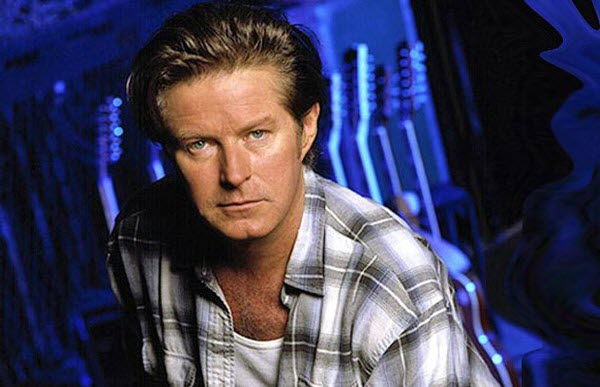
When it comes to blending introspective songwriting with unforgettable melodies, few artists have done it better than Don Henley. As a founding member of the Eagles and a powerhouse solo artist, Henley carved out a legacy that’s as emotionally resonant as it is musically groundbreaking. His solo career, launched in the early 1980s, showcased a sharper political edge, deeper personal reflections, and a willingness to experiment far beyond the country-rock roots of his former band. From radio-dominating anthems to soul-searching ballads, Henley’s catalog is rich with songs that have stood the test of time—each telling a story, each striking a chord.
This list of the Top 10 Most Popular Don Henley Songs of All Time is more than just a ranking—it’s a journey through decades of musical evolution, lyrical brilliance, and cultural commentary. Whether you’re discovering his solo work for the first time or reliving the songs that defined your youth, these tracks capture the essence of an artist who never shied away from speaking his truth. Get ready to revisit the songs that made Don Henley a solo legend—tracks that still echo on classic rock radio, in movie soundtracks, and in the hearts of fans around the world.
1. The Boys of Summer (1984)
Don Henley’s “The Boys of Summer” is a beautifully bittersweet reflection on love lost and time slipping away. Released in 1984 as the lead single from Building the Perfect Beast, the song marked a striking evolution in Henley’s solo career, trading the Southern California warmth of his Eagles days for a darker, more introspective sound. With haunting synthesizers, a hypnotic drum machine, and Mike Campbell’s ghostly guitar riff, the track evokes a cinematic sense of longing. Lyrically, it captures a man looking back on a summer romance, now just a memory amid the changing seasons of life. Lines like “I saw a Deadhead sticker on a Cadillac” cleverly capture the disillusionment of aging, symbolizing the death of youthful rebellion. The juxtaposition of fleeting beauty and hard truth is what makes the song so resonant. It earned Henley a Grammy Award and solidified his identity as a solo artist capable of deep emotional storytelling. “The Boys of Summer” remains one of the defining tracks of the 1980s—an atmospheric, poetic meditation on nostalgia and the passing of time that continues to touch listeners with its mix of melancholy and melodic brilliance.
2. Dirty Laundry (1982)
“Dirty Laundry” is Don Henley at his most biting and bold. Released in 1982 as the standout single from his debut solo album I Can’t Stand Still, the song is a scathing indictment of media sensationalism and tabloid culture. It arrived just after the Eagles disbanded, and Henley didn’t waste time making a powerful statement. With snarling vocals, sharp-edged synth riffs, and an aggressive rhythm section, “Dirty Laundry” strips away any illusion of objectivity in the press. Henley calls out the public’s hunger for scandal with lines like “Kick ’em when they’re up, kick ’em when they’re down,” turning the news cycle into a brutal sport. While the beat is infectious, the lyrics bite hard, exposing a society more interested in gossip than truth. The track’s confrontational tone marked a clear departure from Henley’s earlier, more reflective work and proved he wasn’t afraid to challenge the status quo. Climbing to No. 3 on the Billboard Hot 100, it became his first major solo hit and a timeless protest anthem. Even decades later, “Dirty Laundry” remains relevant—a gritty, unforgettable critique of how we consume news and revel in other people’s downfall.
3. The End of the Innocence (1989)
With “The End of the Innocence,” Don Henley delivered one of his most poignant and poetic works. Released in 1989 as the title track of his third solo album, the song is a reflective, bittersweet look at lost ideals and the harsh truths of adulthood. Featuring Bruce Hornsby’s elegant piano work, the track opens gently but carries immense emotional weight. Henley’s lyrics navigate themes of political disillusionment, broken relationships, and a longing for simpler times. His voice, weathered and sincere, brings depth to lines like “offer up your best defense—this is the end of the innocence,” turning a personal reckoning into a generational anthem. The song resonated especially in the waning years of the Reagan era, capturing the cultural fatigue of the time. Its graceful composition and lyrical depth earned Henley a Grammy nomination and widespread acclaim. More than just a ballad, it’s a lamentation for a lost era and a call to maturity, capturing that transitional moment when we realize the world isn’t as magical as we once believed. It remains one of Henley’s most enduring and meaningful contributions to American rock.
4. All She Wants to Do Is Dance (1985)
Don Henley’s “All She Wants to Do Is Dance,” released in 1985 from Building the Perfect Beast, is a brilliant example of how a song can be both wildly catchy and fiercely critical. On the surface, it’s a funky, synth-driven dance track—infectious and full of energy. But underneath the irresistible groove lies a sharp commentary on American apathy, particularly in relation to U.S. involvement in Central America during the 1980s. Henley paints a picture of a woman dancing through the chaos, indifferent to the war and injustice around her—a metaphor for a society that chooses escapism over engagement. The song’s irony is razor-sharp: the beat gets you moving, but the lyrics make you think. It climbed into the Billboard Top 10 and became a staple in Henley’s live shows, proving that protest songs don’t have to be slow or somber. “All She Wants to Do Is Dance” is as relevant today as it was then, a powerful blend of pop appeal and political edge. It’s Henley at his most subversive—masking razor-sharp social commentary beneath a sheen of irresistible rhythm.
5. Not Enough Love in the World (1985)
“Not Enough Love in the World,” released in 1985 from Building the Perfect Beast, showcases Don Henley’s ability to strip things back and reveal emotional truths. Unlike some of his more politically charged tracks, this mid-tempo ballad dives into the complexities of a relationship strained by mistrust, hurt, and emotional fatigue. With a gentle melody, subtle guitar lines, and Henley’s heartfelt vocal delivery, the song radiates vulnerability and introspection. It’s not about grand declarations or sweeping ideals—this is personal, intimate storytelling. The lyrics speak to the universal struggle of holding on to love when doubt creeps in: “Sometimes you can’t see love, even when it’s right in front of you.” Henley doesn’t pretend to have all the answers, but there’s a tenderness in his plea that makes the song resonate deeply. While it wasn’t a chart-topping hit, it stands out as one of his most emotionally honest solo efforts. “Not Enough Love in the World” is a reminder that even in a world full of noise and conflict, sometimes the quietest songs carry the loudest truths.
6. Sunset Grill (1984)
“Sunset Grill,” a standout from Don Henley’s Building the Perfect Beast (1984), is a slow-burning, atmospheric track that captures the gritty soul of Los Angeles in the mid-1980s. Named after a real burger joint on Sunset Boulevard, the song uses its unassuming setting as a lens to explore themes of alienation, societal decay, and longing for something better. Henley’s voice drips with weary introspection as he observes the passersby—disconnected dreamers, lost souls, and the disillusioned. The production builds gradually, layering synthesizers, horns, and moody guitars to create a cinematic feel that mirrors the melancholy narrative. What makes “Sunset Grill” so affecting is its blend of observation and empathy—Henley isn’t just criticizing the world around him; he’s searching for meaning within it. While it never reached the commercial heights of some of his other hits, the song became a fan favorite thanks to its haunting vibe and storytelling depth. It’s a poetic portrait of urban life and existential drift, revealing Henley’s gift for turning a mundane locale into a metaphor for the human condition. “Sunset Grill” lingers long after it ends—an understated masterpiece filled with quiet power and emotional resonance.
7. New York Minute (1989)
“New York Minute,” from Don Henley’s 1989 album The End of the Innocence, is a haunting ballad that reflects on the unpredictable fragility of life. Built around a somber piano line and swelling orchestration, the track tells a series of stark vignettes—each one illustrating how quickly everything can change. “In a New York minute, everything can change,” Henley sings, turning the fast-paced energy of the city into a metaphor for sudden loss, regret, and the impermanence of happiness. Backed by gospel-style vocals and lush instrumentation, the song’s emotional depth is palpable. It doesn’t just tell a story—it evokes a mood, one of sadness mixed with a strange kind of grace. Henley’s delivery is restrained yet aching, adding gravitas to every word. Though it wasn’t a major chart hit, “New York Minute” became a beloved track among fans and a regular part of Henley’s live sets. Its universal message—that life can turn on a dime—is both sobering and strangely comforting. It stands as one of his most elegant compositions, offering beauty and truth in equal measure, wrapped in a song that feels like a short film for the soul.
8. Taking You Home (2000)
Released in 2000 on Inside Job, “Taking You Home” marked Don Henley’s return to solo recording after an 11-year hiatus—and it did so with profound tenderness. A simple, heartfelt love song, it captures the emotional clarity that can come with age and experience. With soft acoustic guitar, tasteful keyboard flourishes, and Henley’s warm, understated vocals, the track feels like a quiet conversation between lovers. “I had a good life before you came,” he sings, “I had my friends and my freedom… but I was alone.” That line alone encapsulates the core of the song: the transition from self-sufficiency to shared vulnerability. There’s no grand drama here, just a mature recognition of the joy that comes from true emotional connection. The song resonated deeply, especially with adult audiences, and it topped the Billboard Adult Contemporary chart. “Taking You Home” stands out for its sincerity, marking a new chapter in Henley’s artistic evolution—less cynical, more hopeful, and deeply grounded. It’s one of his most touching pieces, a love song that speaks not to infatuation, but to commitment, security, and the quiet power of companionship.
9. The Last Worthless Evening (1989)
“The Last Worthless Evening,” a highlight from Don Henley’s The End of the Innocence, is a soulful, emotionally rich ballad that captures the cautious hope of new love. Released in 1989, the song arrives like a comforting promise to someone who’s been through emotional turmoil. Henley, co-writing with Danny Kortchmar and John Corey, wraps tender lyrics in lush production, blending soft rock elements with gentle guitar lines and a steady rhythm. The chorus—“This is the last worthless evening that you’ll have to spend”—feels like an outstretched hand, a vow that the pain of the past doesn’t have to define the future. Henley’s vocals strike the perfect balance between soothing and earnest, offering reassurance without overstatement. Though more understated than some of his bigger hits, the song resonated with listeners and performed well on the charts. It’s a testament to Henley’s ability to write about emotional vulnerability without veering into sentimentality. “The Last Worthless Evening” is one of his most tender solo moments, proof that even in the midst of heartbreak, there’s always room for healing—and sometimes, that healing begins with a single night of hope.
10. Everything Is Different Now (2000)
“Everything Is Different Now,” from Henley’s Inside Job (2000), is a bright and optimistic track that shows the lighter side of the often brooding singer-songwriter. Co-written with Jai Winding and Scott F. Crago, the song is a declaration of renewal, inspired by love and personal growth. With a bouncy, mid-tempo rhythm and polished, sunny production, Henley sheds his signature cynicism to embrace a joyful transformation. “I was just about to give up, but now I can see the sun,” he sings—a line that perfectly encapsulates the emotional shift at the heart of the song. Gone are the shadows of regret and political disillusionment; in their place is gratitude, clarity, and peace. The instrumentation is clean and radio-friendly, and Henley’s delivery is lighter, almost glowing. While it didn’t make a massive impact on the charts, it remains a favorite among fans who appreciate his more reflective, upbeat side. “Everything Is Different Now” proves that Henley isn’t just a master of melancholy—he also knows how to celebrate redemption and emotional rebirth with genuine warmth and lyrical grace.

Samuel Moore is a frequent contributor to Singers Room. Since 2005, Singersroom has been the voice of R&B around the world. Connect with us via social media below.









