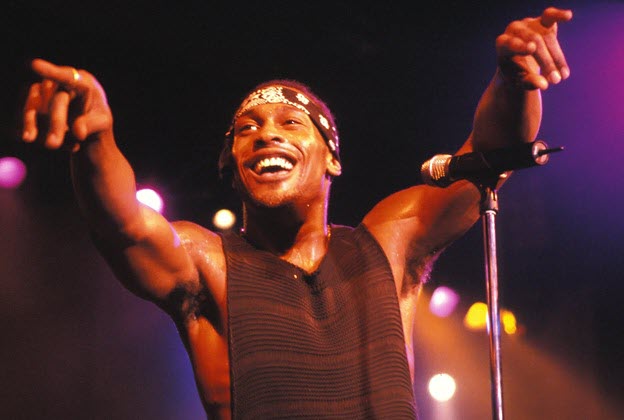
D’Angelo, the sultry crooner known for his smooth falsetto and innovative sound, has captivated audiences since the mid-90s. With a unique blend of R&B, funk, and soul, he has crafted timeless tracks that resonate with both heart and intellect. His music transcends genres, often weaving in elements of jazz and hip-hop, creating a rich tapestry that showcases his artistic genius. From his groundbreaking debut album, “Brown Sugar,” to the critically acclaimed “Voodoo,” D’Angelo has left an indelible mark on the music industry.
But what are his most iconic songs? In this article, we’ll dive into the top 10 D’Angelo tracks that have defined his career and influenced countless artists. Each song tells a story, filled with passion, vulnerability, and a touch of mystique. Whether you’re a lifelong fan or a newcomer to his enchanting sound, this exploration will take you on a journey through his most beloved hits. Get ready to rediscover the magic of D’Angelo and find out which tracks made the cut as we celebrate the essence of his artistry!
1. Brown Sugar (1995)
“Brown Sugar” kicked off D’Angelo’s debut in the most unforgettable way, blending sultry soul with elements of funk, jazz, and hip-hop. Released in 1995 as the title track of his first album, it’s more than just a love song—it’s a seductive groove layered with metaphors and double meanings. While many interpret the lyrics as an ode to a romantic partner, others see it as a clever, coded tribute to a different kind of pleasure. Either way, the song’s buttery smooth instrumentation, jazzy Rhodes piano, and laid-back rhythm set the tone for the emerging neo-soul movement. D’Angelo’s vocals melt into the groove, effortlessly moving between falsetto and chest voice, showing off not just technical skill but emotional depth. What really makes “Brown Sugar” stand out is its ability to sound both classic and fresh at the same time—it nods to the soul greats of the past while announcing a bold new voice for the future. From the moment the beat kicks in, the track captures attention and holds it with irresistible warmth. It’s a definitive example of how D’Angelo reimagined soul for a new generation and firmly established himself as a serious artist to watch.
2. Untitled (How Does It Feel) (2000)
“Untitled (How Does It Feel)” is arguably the most iconic track in D’Angelo’s catalog. Released in 2000 as a standout on his sophomore album Voodoo, the song is a slow-burning ballad soaked in intimacy and passion. With a sparse, Prince-inspired arrangement that gives his voice room to breathe, D’Angelo builds tension with every lingering note. The song is sensual without being explicit, emotional without being overwrought. It speaks to vulnerability, longing, and deep connection, wrapped in lyrics that ask a simple but profound question: “How does it feel?” His vocal performance is breathtaking—full of control, yet overflowing with emotion. The music video, which featured a shirtless D’Angelo in a single take, became a cultural moment and sparked both admiration and conversation. But beyond the visuals, the song itself stands tall as a masterclass in neo-soul artistry. “Untitled” captures the ache and beauty of physical and emotional intimacy, resonating with listeners on a deeply human level. It’s a slow jam that’s both meditative and magnetic, cementing D’Angelo’s reputation not just as a gifted singer but as a visionary who brings heart and soul to everything he creates.
3. Lady (1995)
“Lady” is one of the crown jewels of D’Angelo’s debut album, a smooth and sincere celebration of love and admiration. Released in 1995, the track immediately became a fan favorite thanks to its groovy bassline, warm chords, and effortlessly romantic lyrics. D’Angelo sings directly to his partner with a sense of devotion that’s both sweet and grounded, calling her his lady with pride and affection. His voice floats over the arrangement with ease, moving between soft coos and rich vocal runs that showcase his natural musicality. The production, built around subtle funk elements and laid-back soul instrumentation, provides the perfect backdrop for this love anthem. “Lady” isn’t flashy—it doesn’t need to be. Its charm lies in its simplicity and sincerity. It’s a song for slow dances, quiet nights, and heartfelt moments. The track helped establish D’Angelo as a neo-soul pioneer who could craft songs that felt timeless and honest. Even decades after its release, “Lady” still sounds as fresh and relevant as ever. It’s a classic in every sense, proving that sometimes, the most powerful declarations of love are the ones delivered with grace and groove.
4. Really Love (2014)
“Really Love” is one of the most stunning tracks from D’Angelo’s long-awaited 2014 album Black Messiah. After a 14-year hiatus, this song reminded listeners why his voice and vision were so sorely missed. The track opens with a Spanish guitar intro that’s both unexpected and enchanting, pulling you into a world where romance is tender, poetic, and deeply soulful. As the beat drops and D’Angelo’s falsetto emerges, the atmosphere becomes rich and intimate. Lyrically, the song speaks of vulnerability in love—being truly seen and deeply known. There’s a sense of longing wrapped in every phrase, and the instrumentation echoes that emotion with lush strings and layered harmonies. It feels vintage yet modern, drawing from the traditions of classic soul while pushing into new sonic territory. “Really Love” is both a love song and an artistic statement—it doesn’t chase trends but sets its own timeless standard. D’Angelo’s attention to detail and emotional honesty shine through every note, making this track a standout moment on Black Messiah and a testament to his growth as a musician. It’s the kind of song that lingers long after it ends, settling into your soul with elegance and grace.
5. Cruisin’ (1995)
D’Angelo’s version of “Cruisin’,” originally written and performed by Smokey Robinson, is a loving reinterpretation that adds his own flavor while honoring the spirit of the original. Featured on his debut album Brown Sugar, this cover is soaked in warmth and subtle sensuality. D’Angelo doesn’t try to outshine Robinson—instead, he glides into the song with reverence, letting the lyrics breathe and the melodies unfold slowly. His voice—soft, expressive, and perfectly controlled—wraps around each line like a gentle embrace. The arrangement is stripped-down and intimate, with Rhodes piano, bass, and delicate percussion creating an atmosphere of ease and romance. It feels like the soundtrack to a late-night drive, windows down, just you and the one you love. What makes this cover stand out is D’Angelo’s ability to make it feel both nostalgic and fresh. He respects the song’s history while infusing it with a modern soulfulness that’s uniquely his. “Cruisin’” doesn’t try too hard—it just exists in its own peaceful lane. It’s a testament to D’Angelo’s artistry that he can take a beloved classic and breathe new life into it, turning it into something personal and lasting.
6. The Charade (2014)
“The Charade,” one of the most politically charged songs on Black Messiah, is a stirring fusion of soul and protest. Released in 2014 amid growing social unrest, the track speaks directly to the systemic injustices and racial tensions in America. D’Angelo’s voice sounds urgent, weary, and resolute all at once—channeling pain, hope, and defiance. Over a lush and almost psychedelic blend of funk, jazz, and R&B, he delivers lyrics that don’t sugarcoat the truth: “All we wanted was a chance to talk / ‘Stead we only got outlined in chalk.” The song’s tone is mournful but not hopeless. It demands awareness, not just empathy. The instrumentation builds subtly, layering distorted guitar, keys, and backing vocals to create a sonic landscape that feels both beautiful and heavy. “The Charade” proves that soul music can still be revolutionary—carrying messages of resistance, dignity, and truth. It’s not just a song, but a call to consciousness. In a world full of noise, D’Angelo reminds us that music can still speak clearly and powerfully to the times. This track stands as one of his boldest artistic statements, showing how deeply personal and political expression can coexist in perfect harmony.
7. Send It On (1995)
“Send It On” is a slow-burning, soulful ballad that radiates warmth and emotional vulnerability. Featured on D’Angelo’s 1995 debut Brown Sugar, the song wraps you in layers of gentle instrumentation and heartfelt lyrics. It’s a track about opening your heart—about taking the risk to love and letting those feelings be known. D’Angelo’s voice is soft and pleading, rich with emotion as he sings about connection, reconciliation, and tenderness. The groove is smooth and understated, built on a foundation of warm Rhodes piano, subtle guitar licks, and tight drums. Everything moves with intention, allowing the emotion in the lyrics to take center stage. “Send It On” doesn’t rush—it invites the listener to sit with their feelings and reflect on what it means to truly give and receive love. D’Angelo’s ability to express vulnerability through his vocals is what makes this song so resonant. It’s not just a love song—it’s a spiritual moment, a gentle push to open yourself up to something real. As part of an already groundbreaking debut album, “Send It On” shows the depth and soulfulness that would become hallmarks of D’Angelo’s music throughout his career.
8. Voodoo (2000)
“Voodoo,” the title track from D’Angelo’s 2000 sophomore album, captures the mystical, magnetic energy that defines the entire record. Though it’s more of an instrumental interlude than a traditional single, the track plays a crucial role in establishing the album’s spellbinding mood. It’s drenched in atmosphere—slippery basslines, wah-wah guitars, and echoing keys swirl together to create a hypnotic groove that feels both sacred and seductive. There are no lyrics, but none are needed. The music itself speaks, inviting listeners into a trance-like space that blurs the line between spiritual and sensual. “Voodoo” is about vibe, texture, and feeling—everything that makes the album such a singular work of art. As the track unfolds, it feels like a deep exhale, a sacred pause between the more structured songs. It’s a reminder that music isn’t always about words or hooks; sometimes it’s about mood and immersion. In the broader context of the album, “Voodoo” functions like an incantation—drawing you deeper into D’Angelo’s world where soul, funk, and African rhythms intertwine. It might not be the most talked-about track on the album, but it’s essential in setting the tone for everything else that follows.
9. Devil’s Pie (2000)
“Devil’s Pie” is one of D’Angelo’s boldest tracks, both musically and thematically. Released as part of Voodoo in 2000, the song confronts the temptations and moral conflicts that come with fame, wealth, and the modern world. With gritty, stripped-down production by DJ Premier, the track ditches polish for raw power. It opens with a sparse beat and a haunting, looped guitar riff that sets an ominous tone. D’Angelo’s delivery is confident but introspective—he’s not preaching from a distance, he’s confessing from within the mess. Lines like “All I want to do is get my paper / And stack my chips like Lego” speak to the struggle of chasing success while trying to stay grounded. The “devil’s pie” is a metaphor for all the worldly things that can pull someone away from their purpose, and D’Angelo isn’t afraid to admit that he’s tasted it. The honesty in this track is disarming—he exposes his own contradictions without judgment, letting the listener wrestle with their own. “Devil’s Pie” stands out not just for its message, but for its raw groove and unapologetic edge. It’s D’Angelo at his most unfiltered, and that makes it unforgettable.
10. 1000 Deaths (2014)
“1000 Deaths,” from D’Angelo’s Black Messiah, is a jarring, electrifying song that explodes with spiritual and political urgency. Opening with a distorted sample of a fiery sermon, the track throws you into a sonic whirlwind—wailing guitars, pounding drums, and an unrelenting groove that feels like controlled chaos. D’Angelo’s voice, buried in the mix and distorted, sounds like a man speaking from the battlefield of the soul. The lyrics are cryptic but powerful, touching on fear, sacrifice, and the fight for truth in a hostile world. The line “I can’t believe I can’t get over my fear / They’re gonna send me over the hill” speaks to a deep sense of vulnerability, possibly referencing war, martyrdom, or social injustice. The song’s title suggests repeated spiritual death and rebirth—a constant dying to self in a world that demands you conform. Musically, it draws from funk, rock, and gospel, combining them into something that feels new and radical. “1000 Deaths” isn’t meant to comfort—it’s meant to confront. It’s loud, messy, and visceral, but also deeply meaningful. This track proves that Black Messiah isn’t just an album—it’s a movement, and this song is one of its most powerful cries.

Edward Tomlin is a frequent contributor to Singers Room. Since 2005, Singersroom has been the voice of R&B around the world. Connect with us via social media below.









