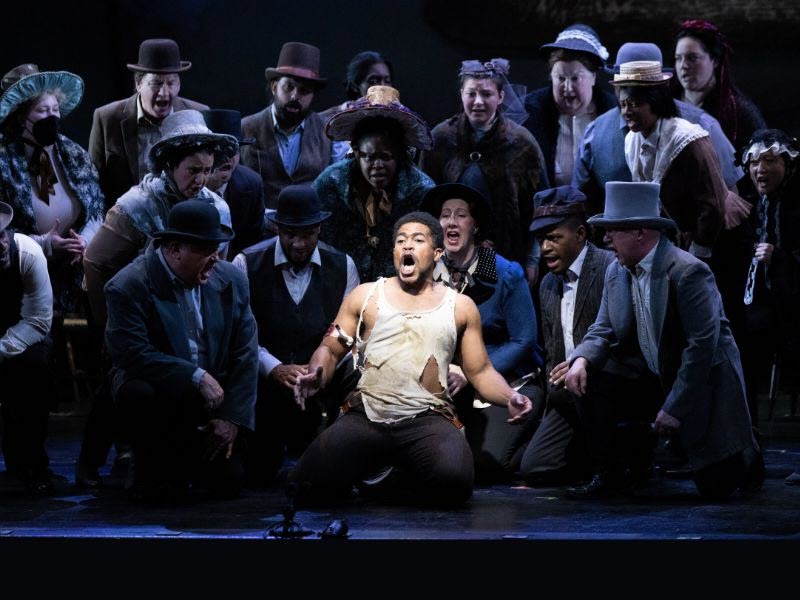
Opera is the ultimate fusion of music, drama, and raw human emotion—where every note carries the weight of passion, tragedy, triumph, and love. With soaring arias, powerful vocals, and heart-stopping orchestration, opera has captivated audiences for centuries and continues to leave listeners breathless with its grandeur and intensity. These songs are more than performances—they’re emotional journeys that sweep you into timeless tales of romance, betrayal, and redemption.
In this breathtaking countdown of the Top 15 Most Popular Opera Songs of All Time, we explore the unforgettable arias and duets that have defined the genre and transcended the opera stage. These iconic pieces—brought to life by the voices of legends like Luciano Pavarotti, Maria Callas, and Plácido Domingo—have echoed through grand theaters and popular culture alike. From the triumphant “Nessun Dorma” to the haunting “Casta Diva,” these masterpieces embody the drama, beauty, and vocal brilliance that make opera truly one of a kind.
Whether you’re a seasoned opera lover or just beginning to explore this rich musical world, this list will stir your soul and ignite your imagination. Prepare for goosebumps, tears, and awe—because these opera classics are nothing short of extraordinary.
1. Largo al factotum – The Barber of Seville (1816)
Rossini’s “Largo al factotum” burst onto the stage in 1816 with The Barber of Seville, announcing the arrival of Figaro—the jack-of-all-trades with a flair for drama. This baritone aria is a whirlwind of energy, packed with tongue-twisting Italian and boundless charisma. Its famous “Figaro! Figaro! Figaro!” line has become a cultural icon in its own right. Bravura, boldness, and comic timing combine to make this a favorite among performers and a delight for audiences.
2. Sempre libera – La Traviata (1853)
Verdi’s La Traviata introduced “Sempre libera” in 1853 as a powerful declaration of freedom and inner conflict. Sung by Violetta, a courtesan torn between love and independence, the aria is a whirlwind of coloratura fireworks and lyrical longing. It closes Act I with emotional whiplash, juxtaposing joy and uncertainty. The high notes are thrilling, but it’s the psychological depth that elevates this aria from vocal showpiece to dramatic cornerstone.
3. Un bel dì vedremo – Madama Butterfly (1904)
In 1904, Puccini unveiled Madama Butterfly, and with it, one of his most heartbreaking creations: “Un bel dì vedremo.” Cio-Cio-San sings this aria with unwavering hope, imagining the return of her American husband. The music is delicate yet emotionally potent, capturing the innocence and tragic delusion of the character. It’s a haunting moment of quiet expectation that pierces the soul, showing Puccini’s unmatched ability to evoke raw, personal emotion.
4. Casta diva – Norma (1831)
Bellini’s “Casta diva,” first heard in 1831’s Norma, is a prayer of ethereal beauty. Sung by the Druid priestess Norma, it calls for peace while revealing her inner turmoil. The aria’s floating lines and slow, arching phrases demand exquisite control and emotional depth. This bel canto masterpiece is revered for its serenity and spiritual quality, often seen as a pinnacle of operatic expression for sopranos. Its meditative grace continues to cast a timeless spell.
5. E lucevan le stelle – Tosca (1900)
Premiered in 1900, “E lucevan le stelle” is a soul-stirring lament from Puccini’s Tosca. Sung by the doomed Mario Cavaradossi as he awaits execution, it captures the anguish of lost love and fleeting beauty. The aria begins with a dark, brooding orchestral line and builds to a heartbreaking crescendo. Its introspective nature and lyrical warmth make it one of the most emotionally resonant tenor arias in the repertoire.
6. Che gelida manina – La Bohème (1896)
“Che gelida manina” debuted in 1896 with Puccini’s beloved La Bohème. As Rodolfo gently takes Mimì’s hand, he sings of his life as a poor poet and his dreams of love. The aria is a perfect blend of vulnerability and passion, transitioning from tender narrative to a soaring climax. It’s an unforgettable moment of romantic connection that instantly draws audiences into the bohemian world of 19th-century Paris.
7. Bella figlia dell’amore – Rigoletto (1851)
This exquisite quartet from Rigoletto (1851) shows Verdi at his dramatic best. “Bella figlia dell’amore” intertwines four distinct emotional perspectives—desire, jealousy, heartbreak, and deception—into one seamless musical conversation. The Duke seduces, Maddalena flirts, Gilda mourns, and Rigoletto seethes, all layered in rich musical texture. It’s a masterclass in ensemble writing and character interplay, making it one of opera’s most compelling multi-voice arias.
8. Vissi d’arte – Tosca (1900)
“Vissi d’arte” is a poignant moment of reflection in Puccini’s Tosca, introduced in 1900. Sung by the title character, it’s a prayer-like questioning of fate—why should someone who lived for art and love face such cruelty? The aria’s restrained sorrow and lyrical elegance offer a moment of stillness in the opera’s intense drama. It’s a favorite among sopranos for its expressive power and haunting beauty.
9. Au fond du temple saint – The Pearl Fishers (1863)
Bizet’s The Pearl Fishers debuted in 1863 with one of opera’s most exquisite duets: “Au fond du temple saint.” Sung by two male voices, it recounts a shared memory of a mysterious woman, blending friendship and rivalry in a luminous vocal harmony. The duet’s gentle, dreamlike quality and emotional sincerity have made it a beloved piece in the tenor-baritone repertoire, often performed in concerts and recordings far beyond the opera house.
10. Dove sono i bei momenti – The Marriage of Figaro (1786)
Mozart’s The Marriage of Figaro, premiered in 1786, features the touching aria “Dove sono i bei momenti.” Sung by the Countess, it’s a nostalgic lament for lost love and dignity. The music is delicate and dignified, reflecting both sorrow and hope for reconciliation. It showcases Mozart’s genius for capturing human emotion with elegant simplicity, making it a highlight of the opera’s rich emotional tapestry.
11. Nessun dorma – Turandot (1926)
Few arias have captured the public imagination quite like “Nessun dorma.” Premiering posthumously in 1926 as part of Puccini’s final opera Turandot, this tenor masterpiece exudes triumphant resolve and spine-tingling emotion. Sung by the unknown Prince Calaf, it builds from a quiet, determined murmur to a soaring cry of victory, culminating in the iconic “Vincerò!” Its grandeur and power made it a global phenomenon, especially after Luciano Pavarotti’s legendary interpretations brought it to mass audiences. It’s not just an aria—it’s a musical call to hope and perseverance.
12. La donna è mobile – Rigoletto (1851)
With its irresistible melody and biting irony, “La donna è mobile” from Verdi’s Rigoletto (1851) has become one of opera’s most recognizable tunes. The Duke of Mantua’s flippant ode to women’s fickleness masks a deeper cynicism, making it both catchy and unsettling. Premiered in Venice, this tenor aria was so anticipated that Verdi kept it secret until the last moment. Its infectious rhythm and lyrical charm have transcended opera stages, entering everything from commercials to sports arenas.
13. Habanera (L’amour est un oiseau rebelle) – Carmen (1875)
Georges Bizet’s Carmen exploded onto the Paris stage in 1875 with the sultry “Habanera” at its heart. Sung by the fiery gypsy Carmen, this aria immediately sets the tone for her seductive, unpredictable nature. Based on a Cuban dance rhythm and adapted from a Spanish folk song, it’s hypnotic and teasing, warning that love is wild and untamable. The music’s sensual sway and Carmen’s commanding presence make this a show-stopping moment that continues to captivate audiences worldwide.
14. Queen of the Night Aria (Der Hölle Rache) – The Magic Flute (1791)
Mozart’s The Magic Flute gifted the world with one of the most dazzling soprano arias ever written. Premiering in 1791, “Der Hölle Rache” (Hell’s Vengeance) is a vocal firestorm of rage and precision, sung by the Queen of the Night as she demands her daughter commit murder. The aria’s sky-high coloratura passages require extreme agility and control, making it a rite of passage for sopranos. Its intensity and theatrical flair have made it a benchmark in vocal virtuosity.
15. O mio babbino caro – Gianni Schicchi (1918)
Puccini surprises with tender simplicity in “O mio babbino caro,” from his 1918 one-act comic opera Gianni Schicchi. This lyrical gem is sung by young Lauretta, pleading with her father to let her marry the man she loves. The melody is gentle, heartfelt, and achingly beautiful, often standing alone in concert performances. While the opera is filled with sharp wit and satire, this aria shines as a moment of pure, emotional sincerity that has melted hearts for over a century.

Samuel Moore is a frequent contributor to Singers Room. Since 2005, Singersroom has been the voice of R&B around the world. Connect with us via social media below.









