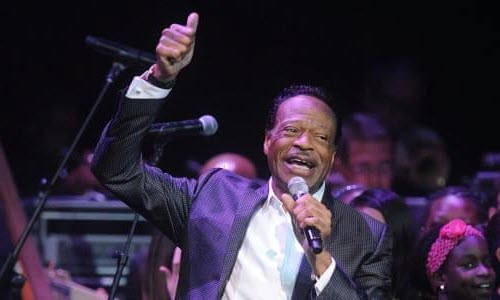
Few voices in soul music history pack the punch of Edwin Starr. Gritty, powerful, and unmistakably passionate, Starr didn’t just sing songs—he delivered them like sermons, electrifying audiences with every note. Best known for his chart-topping, anti-war anthem “War”, Starr carved out a career that blended raw emotion with infectious rhythm, capturing the spirit of the turbulent 1960s and ‘70s like few others could. But his legacy goes far beyond a single hit. From foot-stomping Northern Soul classics to cinematic funk and disco-era revival, Starr’s catalog is a treasure trove of energy, activism, and unfiltered soul.
In this countdown of the Top 10 Most Popular Edwin Starr Songs of All Time, we’re diving deep into the tracks that defined his career and left a lasting imprint on music history. Whether you’re a lifelong fan or just discovering the magic of his music, these songs showcase the evolution of a man whose voice became a weapon of rhythm, resistance, and romance. Get ready to revisit the power, the passion, and the groove of one of soul’s greatest warriors. Turn up the volume—because when Edwin Starr sings, the world listens.
1. “War” (1970)
“War” is Edwin Starr’s explosive masterpiece, a song that remains one of the most powerful protest anthems in music history. Written by Norman Whitfield and Barrett Strong, this Motown classic originally started as a track by The Temptations, but it was Starr’s fiery rendition that truly made it iconic. Released in 1970, at the height of the Vietnam War, the song cut through the noise with its blunt and unforgettable refrain: “War—what is it good for? Absolutely nothing!” Starr’s passionate delivery, combined with pounding bass, driving horns, and a fierce rhythm, created an anthem that resonated deeply with a nation divided by conflict. It wasn’t just a song; it was a call to action, a reflection of frustration and hope for peace. “War” soared to the top of the Billboard charts and quickly became a rallying cry for anti-war activists everywhere. Even now, more than fifty years later, its message rings true. It stands as a testament to the power of soul music—not just to entertain, but to inspire change and give voice to those demanding a better world.
2. “Twenty-Five Miles” (1969)
Before “War” made Edwin Starr a household name, “Twenty-Five Miles” had already announced his arrival as a powerful new voice in soul music. Released in 1969 on Gordy Records, this track is a kinetic burst of energy, capturing the determination of a man who’s willing to walk 25 miles just to be reunited with his love. The song’s infectious marching beat, bright handclaps, and spirited horn stabs create a lively and upbeat sound that immediately gets you moving. Starr’s gritty, soulful vocals perfectly capture that feeling of hopeful urgency, making it clear he’s not just singing — he’s telling a story. “Twenty-Five Miles” climbed the charts, reaching #6 on the Billboard Hot 100, and became a favorite on dance floors on both sides of the Atlantic. It’s a joyful celebration of perseverance and love, and a shining example of Motown’s ability to blend heartfelt storytelling with irresistible rhythm. This song laid the foundation for Starr’s legendary career, showcasing his unique ability to combine raw emotion with high-energy soul.
3. “Stop the War Now” (1971)
Coming on the heels of his monumental hit “War,” Edwin Starr’s 1971 song “Stop the War Now” is a more contemplative, yet equally powerful plea for peace. While it doesn’t hit you with the same in-your-face urgency, it carries a haunting weight that digs deep. Produced again by Norman Whitfield, the track mixes a funkier groove with gospel-inspired backing vocals, creating a rich emotional tapestry that supports Starr’s impassioned plea. His voice carries the pain and frustration of a country weary of the ongoing Vietnam War, sounding both urgent and weary at once. The song builds slowly, capturing that simmering tension felt by many as the war dragged on without end. Though it didn’t reach the commercial heights of “War,” this track remains a deeply affecting piece of protest music. It feels like the voice of a man—and a nation—on the brink, crying out not just for an end to violence, but for healing and understanding. “Stop the War Now” is raw, heartfelt, and a powerful reminder of music’s role in reflecting social conscience.
4. “Agent Double-O-Soul” (1965)
Back in 1965, before his Motown breakthrough, Edwin Starr made a bold statement with “Agent Double-O-Soul,” a track that’s equal parts fun, funky, and full of swagger. Released on the Ric-Tic label, the song cleverly tapped into the 1960s spy craze, riding the wave of James Bond mania with a playful twist. But instead of guns and gadgets, Starr’s “secret weapon” was his undeniable soul style, delivered with charm and confidence. The tune features punchy horns, a catchy beat, and lyrics that are cheeky and self-assured, setting Starr apart as a performer with personality and flair. His vocal delivery is confident but playful, letting you know he’s serious about his craft while having a good time. The song climbed to #21 on the Billboard Hot 100, signaling Starr’s potential as a rising star in the soul scene. “Agent Double-O-Soul” is a funky, stylish introduction to an artist who was ready to make a big splash, and it perfectly captures the cool, upbeat spirit of mid-60s soul music.
5. “Time” (1970)
On the 1970 album War & Peace, Edwin Starr showed a different side of his artistry with the introspective track “Time.” Unlike his more explosive, hard-hitting hits, “Time” is a slower, more reflective song that explores the passage of time and its emotional impact. The arrangement is lush and thoughtful, with soulful strings and a steady groove that gently carry the listener along. Starr’s vocals are raw and sincere but restrained, giving the song a contemplative, almost melancholic tone. The lyrics meditate on life’s fleeting moments and the weight of memories, offering a quiet wisdom that contrasts with the fiery urgency of his protest anthems. Though it never reached the charts like his bigger singles, “Time” stands out as a deep cut that reveals Starr’s versatility—not just as a powerhouse vocalist, but as a storyteller who can convey complex emotions with subtlety and grace. For fans willing to listen beyond the hits, “Time” is a hauntingly beautiful reminder that soul music can be both powerful and profoundly personal.
6. “Funky Music Sho Nuff Turns Me On” (1971)
If any song truly lived up to its title, it’s “Funky Music Sho Nuff Turns Me On.” Released in 1971 and written by Norman Whitfield and Barrett Strong, this track is a full-throttle celebration of the physical and spiritual power of funk and soul. From the opening beat, it’s impossible not to move, with Starr’s booming, energetic vocals riding a thick, syncopated rhythm layered with wah-wah guitars and blasting horns. Starr sings with exuberance and joy, sounding like he’s not just performing but fully immersed in the groove, radiating pure love for the music itself. Though it wasn’t a huge hit in the U.S., the song became a beloved dance floor favorite, especially among Northern Soul fans in the U.K., where its irresistible energy made it a club staple. “Funky Music Sho Nuff Turns Me On” isn’t just a song—it’s a declaration of the magic and power of rhythm and soul to move both the body and spirit. It’s Edwin Starr at his most joyous, inviting listeners to get lost in the music with him.
7. “Hell Up in Harlem” (1974)
In 1974, Edwin Starr lent his voice to the gritty world of blaxploitation cinema with “Hell Up in Harlem,” the title track for the sequel to Black Caesar. The song is a high-energy, cinematic explosion of funk and soul, perfectly capturing the film’s tense, streetwise atmosphere. Starr’s powerful vocals command attention over a dramatic orchestral backdrop filled with punchy horns, sweeping strings, and a driving beat that evokes both swagger and danger. It’s like hearing the soundtrack to a tough urban drama—full of betrayal, survival, and street-level heroics. While the movie didn’t quite reach the legendary status of the original Black Caesar, Starr’s song stands on its own as a vibrant and commanding piece of 70s funk. It highlights his ability to adapt his sound to new cultural moments, joining the ranks of artists like Isaac Hayes and Curtis Mayfield who helped define the blaxploitation soundtrack genre. Bold, brash, and undeniably funky, “Hell Up in Harlem” remains a standout in Starr’s catalog, proving he could rock the cinematic stage just as well as the concert one.
8. “There You Go” (1966)
Before hitting it big with Motown, Edwin Starr showed off his emotional depth with “There You Go,” a soulful ballad released in 1966 on the Ric-Tic label. This track reveals a tender side of Starr, mixing heartfelt vulnerability with the classic mid-60s soul sound—steady drums, gentle piano, and lush strings that create the perfect mood for a song about heartbreak and longing. Starr’s voice is both pleading and sincere, capturing the raw pain of love lost without sounding overly dramatic. There’s a compelling tension between his tough, gritty style and the emotional openness in this song that makes it stand out. Although it didn’t climb the charts like some of his other hits, “There You Go” helped establish Starr as more than just a powerful vocalist—it showed he could convey complex feelings and tell deeply personal stories. For fans more familiar with his energetic protest songs, this track offers a glimpse of the artist’s ability to break your heart as effectively as he can lift your spirits.
9. “Contact” (1978)
In 1978, Edwin Starr embraced the disco era with “Contact,” a dance-floor sensation that perfectly fused soulful vocals with the glossy, pulsating energy of late-70s disco. The track, released during disco’s peak, became a massive hit in the U.K., reaching #6 on the charts and earning a beloved place in the Northern Soul scene. “Contact” features a driving bassline, shimmering synthesizers, and an infectious beat that creates an irresistible groove. Over this futuristic, space-age soundscape, Starr’s vocals soar with a sense of urgency and exhilaration, perfectly capturing the song’s themes of attraction and connection. While the song didn’t make as big a splash in the U.S., it solidified Starr’s reputation as an artist who could evolve with the times without losing his soulful core. “Contact” is a celebration of the dance floor’s power to bring people together, and it highlights Starr’s ability to remain relevant and exciting even as musical trends shifted. It’s disco and soul, seamlessly combined by a master.
10. “Easin’ In” (1974)
“Easin’ In,” from the Hell Up in Harlem soundtrack released in 1974, is one of Edwin Starr’s most atmospheric and intriguing tracks. It’s a slow, simmering funk groove marked by eerie strings and a tight, measured rhythm that creates a mood of quiet menace and tension. Starr’s vocal delivery is smooth but intense, full of controlled energy that perfectly matches the song’s cinematic feel. Unlike his explosive hits, “Easin’ In” shows his skill at building suspense and mood with subtlety rather than volume. Over time, the track gained new life through hip-hop sampling, with groups like the Wu-Tang Clan recognizing its raw, cinematic power and using it to add depth to their own music. Though it wasn’t a chart-topper at the time, “Easin’ In” has earned a cult following and stands as a hidden gem in Starr’s rich catalog. It’s a masterclass in creating atmosphere—proof that sometimes the slowest, quietest grooves leave the most lasting impression.

Samuel Moore is a frequent contributor to Singers Room. Since 2005, Singersroom has been the voice of R&B around the world. Connect with us via social media below.









