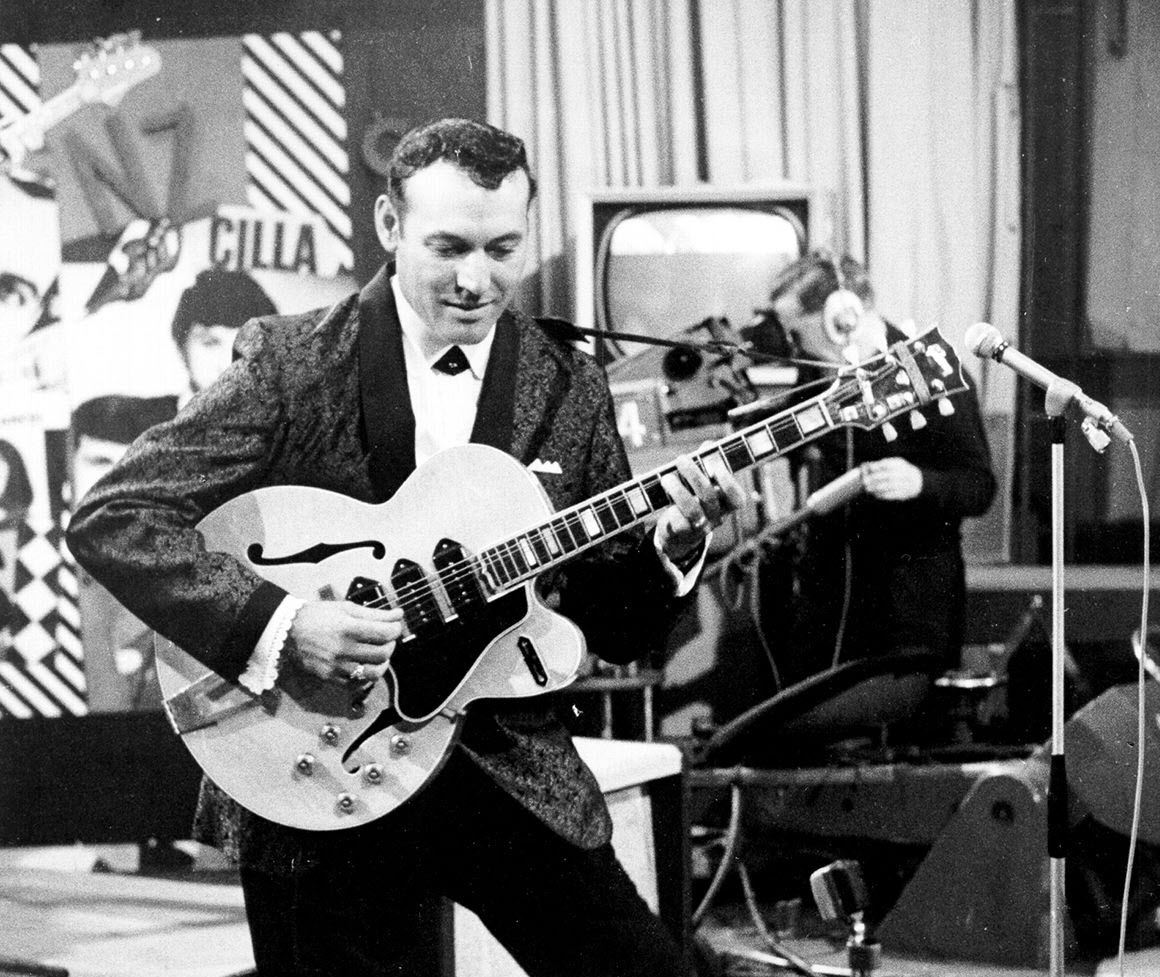
Carl Perkins is a name synonymous with the golden era of rock ‘n’ roll. Known as the “King of Rockabilly,” Perkins revolutionized music in the 1950s with his infectious energy, heartfelt lyrics, and unforgettable guitar riffs. His influence didn’t just stop at his own chart-topping hits; legends like Elvis Presley, The Beatles, and Johnny Cash have all credited Perkins as a pioneer who shaped the sound of modern rock and country.
In a career spanning decades, Perkins gave us songs that continue to ignite dance floors and inspire musicians worldwide. Whether it’s the raw, foot-stomping rhythms of “Blue Suede Shoes” or the soulful depth of “Matchbox,” his music has a universal appeal that transcends generations. Each track not only captures the spirit of its time but also carries an enduring charm that makes it as fresh today as it was decades ago.
Join us as we take a journey through Carl Perkins’ most iconic songs—a collection of timeless classics that defined an era, electrified audiences, and cemented his place in music history. From rockabilly anthems to heartfelt ballads, these are the tunes that made Carl Perkins a legend. Let’s dive into the magic!
1. Blue Suede Shoes (1956)
“Blue Suede Shoes” is Carl Perkins’ crowning achievement and one of the most iconic rock ‘n’ roll tracks of all time. Released in 1956, the song practically defined the rockabilly sound with its blend of country twang, blues grit, and rhythmic energy. Its now-famous opening line—“Well, it’s one for the money…”—instantly hooks you, while the lyrics tap into a sense of teenage pride and rebellion. Who knew a pair of shoes could symbolize so much? But that’s the genius of Perkins—he took something simple and turned it into a rock anthem. The song’s rollicking guitar, infectious beat, and bold attitude struck a chord with young listeners who were carving out their own identity in post-war America. It wasn’t just a hit—it was a cultural moment. Though Elvis Presley would later record his own version, Perkins’ original remains the definitive take, capturing the raw spirit and drive of the early days of rock ‘n’ roll. “Blue Suede Shoes” is more than just a catchy tune—it’s a milestone that helped shape the direction of popular music for decades to come.
2. Honey Don’t (1956)
“Honey Don’t” is one of Carl Perkins’ most fun and enduring songs, brimming with charm, wit, and toe-tapping rhythm. Released in 1956, the song shows off Perkins’ talent for catchy songwriting and clever wordplay. Built around a playful back-and-forth, the lyrics are both teasing and flirtatious, making the track feel like a spirited conversation set to music. The guitar licks are tight and punchy, offering a great example of Perkins’ signature rockabilly style—sharp, clean, and full of bounce. There’s a natural energy to the track that makes it feel like it was recorded live in one joyful take. It’s no surprise that “Honey Don’t” was covered by The Beatles, with Ringo Starr handling lead vocals. Their version helped introduce the song to a new generation, but Perkins’ original still packs a uniquely irresistible groove. Whether it’s the cool guitar riffs or the sly lyrics, “Honey Don’t” remains a crowd favorite. It’s the kind of song that proves rockabilly wasn’t just about sound—it was about attitude, personality, and a little bit of sass, all of which Perkins delivers in spades.
3. Matchbox (1957)
“Matchbox” is Carl Perkins’ powerful tribute to the blues, filtered through the high-octane lens of rockabilly. Released in 1957, this song takes inspiration from Blind Lemon Jefferson’s old blues number, but Perkins revamps it with driving rhythm, punchy guitar lines, and a vocal performance that’s equal parts grit and swagger. The lyrics speak of frustration and longing—”I’m sittin’ here wonderin’, will a matchbox hold my clothes?”—but they’re delivered with a raw energy that feels more defiant than defeated. That’s part of what makes this song so compelling: it captures the emotion of the blues but delivers it with the intensity and rhythm that defines rock ‘n’ roll. The simplicity of the arrangement—guitar, upright bass, drums—is part of its charm. Perkins doesn’t need bells and whistles; his playing and singing carry the song with effortless power. “Matchbox” later became a staple in the Beatles’ live set, further cementing its influence on the next wave of rock musicians. It’s a perfect example of how Carl Perkins bridged the gap between blues tradition and rock innovation, crafting music that was both rooted in the past and ahead of its time.
4. Boppin’ the Blues (1956)
“Boppin’ the Blues” is Carl Perkins in his element—having fun, cutting loose, and letting the rhythm take over. Released in 1956, this song captures the carefree joy of rockabilly with its fast pace, bright guitar work, and infectious spirit. It’s a celebration of music, dancing, and the good times that come with them. From the first beat, Perkins’ fingers are flying across the fretboard with his signature twang, laying down riffs that are both nimble and full of character. The lyrics are simple but full of heart, all about the irresistible pull of music and the thrill of getting out on the dance floor. There’s a youthful exuberance in every note, and you can practically see the crowded juke joint it was made for. Perkins’ voice has just the right blend of grit and charm, inviting listeners to jump in and bop along. “Boppin’ the Blues” is more than just a dance tune—it’s a window into a moment in American music when rockabilly was taking hold, and the world was ready to move. It’s a feel-good classic that still makes people want to tap their feet and smile.
5. Everybody’s Trying to Be My Baby (1957)
“Everybody’s Trying to Be My Baby” is Carl Perkins at his most playful, delivering a tune that blends braggadocio with irresistible charm. Released in 1957, the song tells the story of a man who suddenly finds himself at the center of attention, surrounded by admirers. Perkins’ tongue-in-cheek lyrics and laid-back delivery give the song a wink-and-nod vibe, making it feel like he’s letting you in on the joke. Musically, it’s got everything you’d expect from a rockabilly classic—steady rhythm, snappy guitar riffs, and a groove that just won’t quit. The stripped-down instrumentation leaves plenty of space for Perkins’ signature guitar tone to shine, and his vocals ride the beat with effortless cool. The song became so iconic that The Beatles covered it on their 1964 album Beatles for Sale, with George Harrison handling lead vocals—proof of Perkins’ influence on the British Invasion and beyond. Whether you hear it as a boast or just good fun, “Everybody’s Trying to Be My Baby” is a standout track in Perkins’ catalog. It’s lighthearted, catchy, and cool—a perfect example of the style and swagger that made him a rockabilly legend.
6. Dixie Fried (1956)
“Dixie Fried” is Carl Perkins at his wildest and most rebellious. Released in 1956, the song paints a vivid picture of Southern nightlife, filled with rowdy characters, loud music, and that unmistakable Saturday night energy. From the opening beat, you can feel the pulse of honky-tonks and dance halls, where fights break out as fast as the drinks are poured. The lyrics are clever and colorful—“rave on cats, he said”—capturing the language and spirit of the time. Perkins’ guitar playing here is electric, with licks that dance and dart like firecrackers. There’s a rawness in the recording that makes it feel almost live, like you’re right there in the middle of the action. “Dixie Fried” isn’t just a fun song—it’s a snapshot of an era, filled with youth, rebellion, and a hunger for freedom. It captures the atmosphere of a South where rockabilly was just beginning to carve out its place in the cultural landscape. Carl Perkins doesn’t just sing the song—he embodies it, with a swagger and energy that still feels fresh decades later. It’s a perfect anthem for those who live fast, play hard, and don’t mind getting a little “dixie fried.”
7. Put Your Cat Clothes On (1957)
“Put Your Cat Clothes On” is a hidden gem in Carl Perkins’ discography, bursting with style, confidence, and rockabilly flair. Released in 1957, this track is as much about attitude as it is about sound. The title itself is a nod to the lingo of the era—“cat clothes” meaning stylish, sharp, ready-to-party gear. The lyrics call out to a girl to get dressed and get moving because the night is young and there’s dancing to be done. It’s lighthearted, cool, and full of that youthful energy that defined 1950s rock ‘n’ roll. Perkins delivers the vocals with a wink and a grin, while his guitar struts right alongside him, offering bright, punchy riffs that are impossible to ignore. There’s a real sense of swagger here—not arrogance, but that effortless cool that Perkins wore like a second skin. Though it never reached the mainstream heights of his bigger hits, “Put Your Cat Clothes On” has aged beautifully, gaining a cult following among rockabilly fans. It’s a stylish reminder that rock ‘n’ roll has always been about more than music—it’s about making a statement. And Carl Perkins does just that, loud and clear.
8. Your True Love (1957)
“Your True Love” offers a sweeter, more romantic side of Carl Perkins, without losing that signature rockabilly edge. Released in 1957, this track is a melodic ode to love and devotion, and it’s one of the finest examples of Perkins’ versatility as both a songwriter and performer. The lyrics are heartfelt but never overly sentimental—Perkins keeps things light and breezy, singing about love with the sincerity of someone who’s truly smitten. The rhythm is relaxed and inviting, supported by a laid-back beat and a bright guitar line that dances gently through the verses. There’s a tenderness in Perkins’ voice here that contrasts beautifully with the usual rockabilly bravado. His ability to shift from rowdy to romantic makes “Your True Love” a standout track. It’s not just a love song—it’s a feel-good moment wrapped in catchy hooks and warm harmonies. The song’s gentle bounce gives it a timeless quality, perfect for slow dancing or simply swaying along. “Your True Love” proves that rockabilly could be just as touching as it was energetic, and Carl Perkins had the rare gift of delivering both with charm and authenticity.
9. Lend Me Your Comb (1956)
“Lend Me Your Comb” is a playful slice of teenage life wrapped in a catchy rockabilly groove. Released in 1956, the song captures the lighthearted, innocent charm of a young man getting ready for a date and wanting to look his best. The title might sound silly at first, but that’s part of the appeal—it reflects a time when something as simple as borrowing a comb felt like a big deal. The lyrics are fun and flirty, offering a humorous take on the teenage obsession with looking cool. Carl Perkins delivers it all with a wink, letting his personality shine through in both the vocals and his spirited guitar playing. The upbeat tempo and bouncy rhythm make the song feel like a quick, joyous moment—kind of like the last minute before heading out the door on a Saturday night. While it’s not one of Perkins’ most commercially known hits, it has become a favorite among fans for its charm and simplicity. “Lend Me Your Comb” is proof that rockabilly could be light, funny, and still totally irresistible. It’s a smile in song form, and it still works decades later.
10. Glad All Over (1957)
“Glad All Over” is Carl Perkins at his most joyful and exuberant. Released in 1957, this track radiates happiness from the very first note. With a fast-paced rhythm, bright guitar riffs, and a big, beaming vocal performance, it’s the kind of song that can instantly lift your spirits. The lyrics are simple but full of emotional punch—they tell the story of someone who’s found love and can’t hold back the excitement. Perkins doesn’t just sing about being glad; he sounds glad, and that authenticity makes the track pop. His guitar work here is especially sharp, dancing alongside the beat with a bounce that matches the mood perfectly. There’s something timeless about this song—it could be about young love in the 1950s or today, and it would still resonate. That’s the magic of Carl Perkins: he knew how to take universal feelings and wrap them in the irresistible sound of rockabilly. “Glad All Over” is a celebration, plain and simple. It’s the soundtrack to falling in love, feeling good, and letting the world know. Whether you’re dancing, driving, or just in need of a pick-me-up, this song never fails to deliver joy.

Edward Tomlin is a frequent contributor to Singers Room. Since 2005, Singersroom has been the voice of R&B around the world. Connect with us via social media below.









