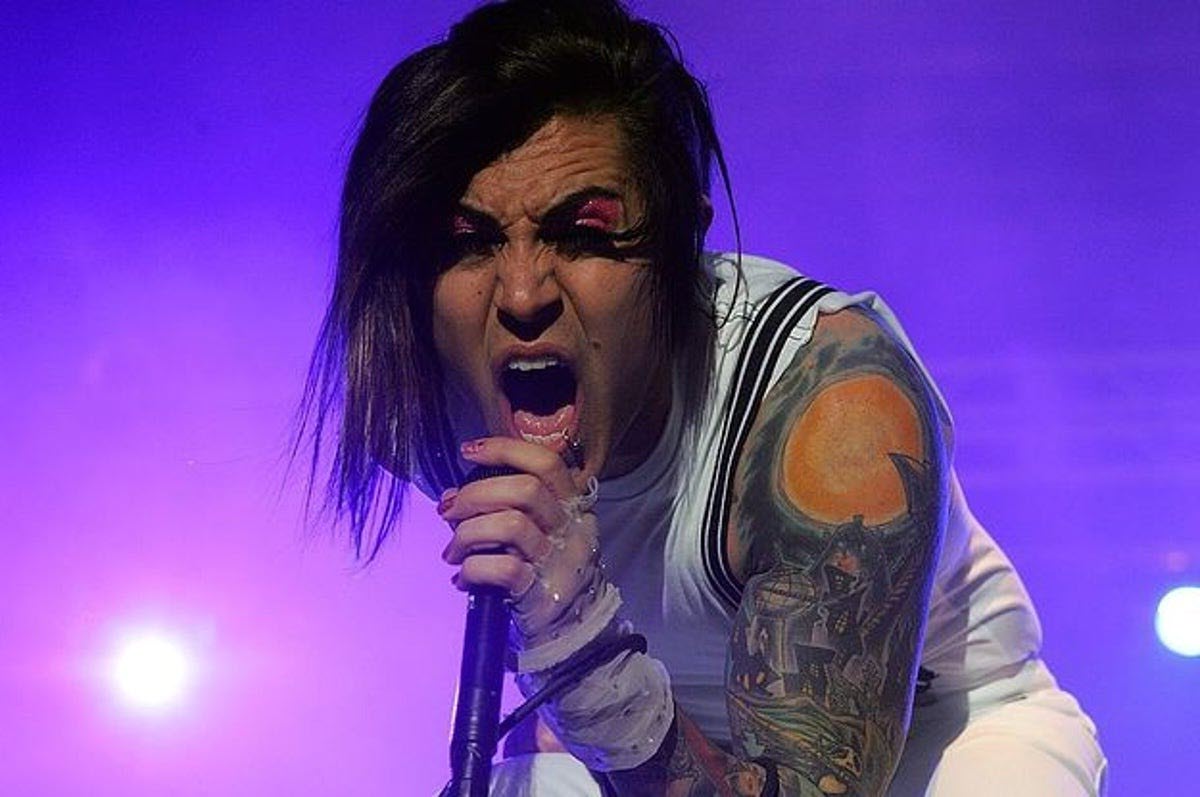
Punk rock has never been just a genre—it’s a revolution, a lifestyle, and a raw, unfiltered expression of rebellion. From its gritty beginnings in smoky underground clubs to its global impact on music and culture, punk rock has always been about tearing down the status quo and building something unapologetically authentic. But at the heart of this movement are the voices—powerful, raspy, melodic, or chaotic—that have carried the anthems of defiance and individuality.
In this article, we’re diving into the top 15 punk rock singers of all time—the trailblazers who became the face (and voice) of punk’s unrelenting spirit. These vocalists didn’t just sing; they roared, screamed, and soared, inspiring generations of misfits and dreamers to march to their own beat. From the fearless pioneers of the ’70s to the genre-shaping icons of the ’90s and beyond, each singer on this list left an indelible mark on music history.
Get ready to celebrate the legends who turned three chords and the truth into a revolution. Whether you’re a die-hard punk fan or just discovering the genre, this list will remind you why punk rock is more than music—it’s a way of life. Let’s dive in!
1. Joe Strummer (The Clash)
Joe Strummer wasn’t just a punk rock frontman—he was a revolutionary voice that gave a heartbeat to political unrest and youthful rebellion. As the lead singer of The Clash, Strummer brought a fierce honesty and street-level poetry to his music, singing about war, racial tension, and economic injustice at a time when few others dared. But he wasn’t content to stay within punk’s narrow confines. Instead, Strummer pushed The Clash into uncharted territory, blending reggae, dub, rockabilly, ska, and funk with punk’s raw edge. His gritty, impassioned vocals carried a sense of urgency that made every lyric feel vital. Strummer’s stage presence was electrifying—equal parts rage, charisma, and call to action. He didn’t just perform; he challenged, provoked, and inspired. Even decades later, his message and music remain as potent as ever, influencing everyone from indie rockers to political activists. Joe Strummer wasn’t just the voice of a band—he was the conscience of a movement, reminding us that punk was never just about the music. It was about speaking truth to power and refusing to be silenced.
2. Johnny Rotten (Sex Pistols)
Johnny Rotten, born John Lydon, personified punk rock’s raw, unruly essence. As the sneering, unpredictable frontman of the Sex Pistols, Rotten didn’t just sing—he provoked, taunted, and tore down every musical and cultural norm in his path. With his snarling vocals and confrontational attitude, he embodied the fury and disillusionment of a generation sick of establishment lies and middle-class conformity. Songs like “Anarchy in the U.K.” and “God Save the Queen” weren’t just hits—they were anthems of disruption that shook the very foundation of British society. Rotten’s stage presence was volatile and magnetic; he oozed contempt for authority and convention, and he didn’t care what anyone thought. His voice—nasal, abrasive, defiant—was the perfect vessel for punk’s scream of rebellion. Though his time with the Sex Pistols was brief, Rotten’s impact was seismic, influencing countless artists across genres and generations. Even beyond punk, Lydon’s legacy as a provocateur and truth-teller stands tall. He didn’t just change music—he changed the way artists engage with the world around them.
3. Debbie Harry (Blondie)
Debbie Harry was punk rock’s glam queen, a trailblazer who broke all the rules with elegance and grit. As the face and voice of Blondie, Harry proved that punk could be stylish, seductive, and sonically diverse. Her voice, at once sultry and sharp, carried the edge of punk while effortlessly sliding into disco, reggae, and new wave. Blondie’s hits like “Heart of Glass,” “Call Me,” and “One Way or Another” became iconic thanks to Harry’s magnetic presence—equal parts streetwise toughness and pop star allure. But she was more than a frontwoman; she was a force of cultural change. In a male-dominated punk scene, Debbie Harry claimed space with confidence, showing that femininity and strength weren’t mutually exclusive. Her look inspired fashion trends, her sound expanded the genre, and her fearless artistry opened doors for countless female performers. On stage, she captivated audiences with her cool, commanding demeanor, blending punk’s rebel spirit with a pop sheen that made her accessible and iconic. Debbie Harry didn’t just front a band—she helped shape the future of rock.
4. Iggy Pop (The Stooges)
Iggy Pop is punk’s primal scream, a wild and uncontainable presence whose influence goes far beyond the genre he helped define. As the lead singer of The Stooges, Iggy brought a feral energy to rock music—grunting, howling, and writhing across the stage in a frenzy of sweat and chaos. His early performances were legendary for their rawness: shirtless, smeared in peanut butter, diving into crowds, and embodying everything that made punk explosive. Long before punk had a name, Iggy was living it. His voice was unpolished and animalistic, filled with a desperation that mirrored the disillusionment of the late ‘60s and early ‘70s. Songs like “I Wanna Be Your Dog” and “Search and Destroy” remain punk anthems, brimming with menace and vulnerability. But Iggy’s legacy isn’t just in his outrageous stage antics—it’s in his commitment to artistic authenticity. He never cared about fitting in, and that unfiltered approach inspired generations of musicians. Whether snarling through a mic or offering philosophical reflections in interviews, Iggy Pop has always been unmistakably himself: a punk rock icon whose influence continues to ripple across music, fashion, and attitude.
5. Joey Ramone (Ramones)
Joey Ramone gave punk a voice that was both rough and melodic—a unique blend that helped define the genre’s sound. As the towering frontman of the Ramones, Joey stood out with his lanky frame, shaggy hair, and iconic sunglasses, but it was his voice that left the biggest mark. He brought a pop sensibility to punk rock, singing with a sneering sweetness that cut through the band’s blazing three-chord songs. Tracks like “Blitzkrieg Bop,” “Sheena Is a Punk Rocker,” and “I Wanna Be Sedated” weren’t just catchy—they were declarations of punk identity. Joey’s stage presence was understated but powerful, and his awkward charm made him relatable to outsiders and misfits everywhere. He didn’t scream or snarl like many punk frontmen; instead, he sang with a kind of romantic melancholy that gave the Ramones their lasting appeal. Joey’s contributions to punk rock were foundational—his sound became the blueprint for countless bands that followed. More than just a singer, Joey Ramone was a symbol of punk’s accessibility and heart, proving that rebellion could also come with a hook.
6. Patti Smith
Patti Smith didn’t just join the punk movement—she elevated it with poetry, intellect, and spiritual fire. Known as the “punk poet laureate,” Smith brought a literary and artistic sensibility to punk rock that set her apart from her peers. Her 1975 debut album Horses wasn’t just a record—it was a manifesto, blending punk’s raw energy with beat poetry and rock and roll tradition. Her voice—fierce, unfiltered, and deeply emotive—was a force of nature. Songs like “Gloria” and “Free Money” burst with urgency, while her lyrics explored themes of identity, rebellion, and transcendence. Patti’s presence was equally commanding—tousled hair, androgynous style, and a gaze that seemed to see right through you. She challenged gender norms, political apathy, and artistic boundaries with the same breath. A pioneer in every sense, Patti Smith made it clear that punk could be as intellectual as it was aggressive. Over the decades, her work as a musician, writer, and activist has continued to inspire generations. She’s not just a figure in punk history—she’s one of its most profound voices and enduring spirits.
7. Henry Rollins (Black Flag)
Henry Rollins brought a fierce, almost militant energy to punk rock that few could match. As the lead singer of Black Flag, Rollins wasn’t just performing—he was unleashing pure, visceral emotion. His vocals were intense, his lyrics raw and often confrontational, grappling with anger, alienation, and existential struggle. Onstage, he was a physical presence—shirtless, tattooed, and drenched in sweat—pushing himself and his audience to the brink. Rollins didn’t just sing punk; he lived it, embracing a no-compromise ethos that made him a lightning rod for the hardcore scene. Beyond music, Rollins became known for his spoken word performances, books, and activism, always using his platform to question systems of power and uplift the marginalized. His commitment to self-discipline, integrity, and social critique gave punk a moral spine. In a genre built on rebellion, Henry Rollins stood out for his intensity, intellect, and unflinching honesty. He remains one of punk’s most respected figures, a symbol of the movement’s power to challenge and change.
8. Siouxsie Sioux (Siouxsie and the Banshees)
Siouxsie Sioux redefined what a punk frontperson could be—dark, mysterious, commanding, and artful. As the face of Siouxsie and the Banshees, she didn’t just bring a new sound to punk—she brought a whole new aesthetic. With her dramatic makeup, towering hair, and icy stare, Siouxsie was instantly iconic, and her music was just as bold. Her voice—haunting and otherworldly—stood apart from the raw shouts of her peers. She wove elements of post-punk, gothic rock, and new wave into a sonic tapestry that was both unsettling and beautiful. Tracks like “Spellbound” and “Hong Kong Garden” showcased her ability to blend melody and menace, seduction and defiance. Siouxsie wasn’t afraid to experiment, and she pushed boundaries in ways that influenced everyone from The Cure to PJ Harvey. Her presence onstage was magnetic, part high priestess, part punk queen, and entirely unique. She gave punk a darker, more artful edge and paved the way for countless artists to follow. More than four decades later, her influence still pulses through the alternative music world.
9. Lux Interior (The Cramps)
Lux Interior was punk rock’s madman, a wild, leather-clad showman who turned every stage into a twisted rock ‘n’ roll carnival. As the frontman of The Cramps, he blended punk with 1950s rockabilly, garage rock, and B-movie horror, creating a style that was as much theater as it was music. With his howling vocals, provocative dance moves, and bizarre humor, Lux turned each performance into an unpredictable spectacle. His voice had a sleazy charm, moving from a sinister growl to a frenzied scream with ease. The Cramps’ sound—gritty, grimy, and irresistibly fun—was the perfect backdrop for his antics. Songs like “Human Fly” and “Goo Goo Muck” dripped with kitschy cool and raw attitude. Lux Interior wasn’t just entertaining—he was liberating, giving punk fans permission to be weird, wild, and unapologetically themselves. Alongside guitarist Poison Ivy, he helped invent the genre of psychobilly and kept the freak flag flying high. Even after his passing, Lux remains a cult icon—proof that punk isn’t just about anger and rebellion, but also about fearless individuality and dark, theatrical fun.
10. Glen Matlock (Sex Pistols)
Glen Matlock might not be the most famous member of the Sex Pistols, but his role in shaping their sound was absolutely crucial. As the original bassist and a primary songwriter, Matlock brought a musicality and structure that grounded the band’s chaotic energy. While Johnny Rotten provided the sneer and Sid Vicious brought the spectacle, Matlock was the one laying down the melodies and helping craft anthems like “Anarchy in the U.K.” and “Pretty Vacant.” His basslines were punchy and dynamic, giving the Pistols a backbone that made their rawness listenable. Matlock’s love for classic rock and pop sensibilities gave punk a surprising amount of depth beneath its abrasive surface. Though he left the band before they reached their notorious peak, his fingerprints are all over their most iconic songs. Often overlooked in favor of more flamboyant figures, Glen Matlock is the unsung craftsman of British punk—a reminder that behind every revolution is someone quietly making sure the gears turn. He went on to play with numerous bands, proving his range and resilience in a genre that often burns bright and fast.
11. Darby Crash (The Germs)
Darby Crash was one of punk rock’s most volatile and unforgettable figures. As the frontman of The Germs, Crash combined chaos and charisma in a way that made every performance feel like it might erupt into total disorder at any moment—and often did. His lyrics were cryptic, raw, and often deeply personal, reflecting a complex mind grappling with the world in real time. What made Darby so compelling wasn’t technical skill or polish; it was the sheer intensity with which he threw himself into the music. Every scream, stumble, and slurred word felt authentic. His antics onstage, often dangerous and erratic, earned him a cult following and defined The Germs’ live shows as notorious events. Darby’s life was tragically cut short when he died by suicide in 1980 at the age of 22, just a day before John Lennon was murdered. This eerie timing overshadowed his passing in the media, but within the punk community, it only deepened his legendary status. His influence continues to echo through punk’s most unfiltered corners, with artists citing his fearless self-expression and brutal honesty as inspiration. Crash may have burned out fast, but the mark he left on punk rock remains permanent.
12. Ian MacKaye (Minor Threat, Fugazi)
Ian MacKaye stands as one of the most principled and influential figures in punk history. As the voice behind Minor Threat and Fugazi, he didn’t just sing about rebellion—he lived it. MacKaye helped launch the straight-edge movement, promoting a lifestyle free of drugs and alcohol in direct contrast to the self-destructive stereotypes of punk. With Minor Threat, his vocals were explosive, his lyrics concise and potent, tackling issues like addiction, conformity, and social pressure. But his legacy grew even deeper with Fugazi, where he expanded musically and philosophically. Fugazi’s sound was more experimental and political, yet still undeniably punk in spirit. MacKaye’s refusal to sell out—famously keeping Fugazi shows affordable and rejecting major labels—embodied the DIY ethic that punk was built on. Beyond his bands, MacKaye co-founded Dischord Records, a label that gave countless underground acts a platform. His voice is passionate and unwavering, but it’s his actions offstage that truly define him. In an industry rife with compromise, Ian MacKaye stayed true to his values, becoming not just a voice of punk but its moral compass. For many, he represents what punk rock should be: honest, independent, and committed to something bigger than fame.
13. Kathleen Hanna (Bikini Kill, Le Tigre)
Kathleen Hanna revolutionized punk rock by injecting it with feminist fire and fearless vulnerability. As the lead singer of Bikini Kill, she became a central figure in the riot grrrl movement of the early ’90s, demanding space for women in a scene dominated by male voices. Her voice wasn’t just loud—it was urgent, raw, and full of conviction. Songs like “Rebel Girl” and “Double Dare Ya” were battle cries for female empowerment, encouraging young women to take control of their identities and tell their own stories. Hanna’s performances were ferocious and confrontational, challenging both the audience and the punk status quo. But she didn’t stop there. With her later band Le Tigre, she embraced electronic sounds while keeping her politically charged lyrics front and center, addressing everything from sexism to LGBTQ+ rights with wit and energy. Kathleen Hanna’s impact reaches far beyond punk—she inspired a generation of activists, musicians, and feminists. Her work continues to resonate because she never diluted her message, no matter the stage. Whether shouting into a mic or speaking at a protest, Hanna’s voice remains a powerful reminder that punk can be a tool for change, as well as rebellion.
14. Exene Cervenka (X)
Exene Cervenka brought a poetic soul to punk rock’s gritty edge. As the co-lead vocalist of X, one of the most influential bands in the Los Angeles punk scene, her voice intertwined beautifully with John Doe’s, creating harmonies that were both ragged and heartfelt. What set Exene apart was her ability to blend raw emotion with lyrical sophistication. Her words often read like beat poetry, rich with imagery, social commentary, and personal reflection. While many punk acts leaned heavily on aggression, Exene added nuance—bringing in elements of rockabilly, country, and American folk traditions to create something deeply unique. Her stage presence was both fierce and enigmatic, and her voice carried a kind of haunted elegance that made every performance feel intimate and urgent. Beyond her work with X, she’s also a published poet and visual artist, further highlighting her multidimensional talent. Exene’s influence helped expand punk’s boundaries, proving that rebellion could be intelligent and emotionally layered. In a genre often known for its simplicity and speed, she showed that punk could also be artful and profound. Her contributions helped shape a scene and inspire countless musicians who sought to challenge both musical norms and cultural expectations.
15. Tim Armstrong (Rancid)
Tim Armstrong’s raspy voice and ska-punk roots made him one of the most recognizable and respected figures of the 1990s punk revival. As the frontman of Rancid, Armstrong channeled the spirit of old-school punk while infusing it with a gritty streetwise sensibility and infectious melodies. His songwriting is raw yet heartfelt, often reflecting themes of working-class struggle, loyalty, resilience, and rebellion. Tracks like “Ruby Soho,” “Time Bomb,” and “Fall Back Down” aren’t just catchy—they’re anthems that speak to outsiders, punks, and anyone who’s ever felt like they don’t quite fit in. Armstrong’s influence goes far beyond his vocals. He’s also a prolific producer and co-founder of Hellcat Records, helping launch the careers of numerous punk and ska bands. His dedication to DIY ethics and his unpolished, authentic style have made him a beloved figure within the punk community. Despite Rancid’s success, Armstrong has always remained grounded, carrying the ethos of punk with him in every note. Whether playing dive bars or massive festivals, he sings with the same grit and conviction. His voice, equal parts gravel and soul, continues to resonate with fans who crave honest, unfiltered music with heart and edge.

Edward Tomlin is a frequent contributor to Singers Room. Since 2005, Singersroom has been the voice of R&B around the world. Connect with us via social media below.