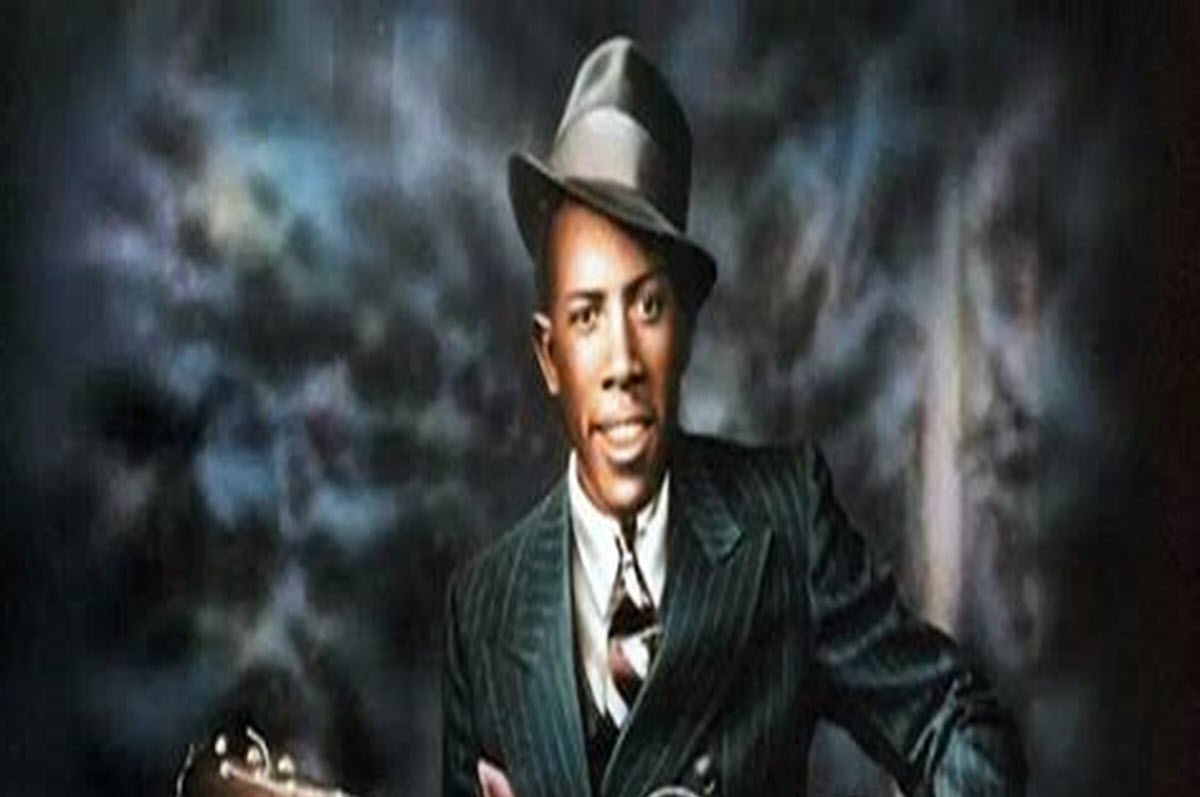
Step into the hauntingly beautiful world of Robert Johnson, the enigmatic bluesman whose music has left an indelible mark on popular culture. Often regarded as the “King of the Delta Blues,” Johnson’s brief but profound career gave rise to a treasure trove of songs that continue to captivate listeners decades after his untimely death. His music is raw, poetic, and steeped in the mystery and folklore of the Deep South—an intoxicating blend of sorrow, passion, and untamed genius.
With only 29 tracks recorded during his lifetime, Johnson’s catalog is a testament to quality over quantity, each song resonating with timeless power. Whether it’s the mournful wail of a lost love, the ominous storytelling of the crossroads myth, or the electrifying guitar riffs that inspired a generation of rock legends, Johnson’s music is a masterclass in artistry and emotion.
In this article, we explore the top 10 most popular Robert Johnson songs of all time—tracks that not only defined the blues but laid the foundation for modern music as we know it. From the haunting strains of “Hellhound on My Trail” to the infectious rhythm of “Sweet Home Chicago,” prepare to embark on a journey through the heart and soul of the blues.
1. Cross Road Blues (1936)
“Cross Road Blues” is one of Robert Johnson’s most iconic recordings, steeped in mystery and emotion. The song paints the picture of a man caught in a moment of desperation, standing alone at a crossroads and begging God for mercy. That image of the crossroads became central to Johnson’s legend, especially with the lore that he sold his soul to the devil in exchange for his unparalleled guitar skills. But even without that myth, the track stands strong on its own. Johnson’s piercing vocals and masterful slide guitar convey a raw sense of pleading and vulnerability. The lyrics speak to a deeper spiritual and existential struggle—more than just being physically lost, the narrator is spiritually adrift. The rhythm is hypnotic, and the sparse arrangement lets every note and word hit with clarity and force. It’s a song that captures both the real hardship of life in the American South and the haunting, poetic beauty of the blues. “Cross Road Blues” remains a cornerstone of Delta blues, inspiring countless artists and fueling the mythos surrounding Johnson’s life and music.
2. Sweet Home Chicago (1936)
“Sweet Home Chicago” is a blues anthem full of longing, movement, and hope. In this track, Robert Johnson sings with a warm, inviting tone that instantly draws listeners in. It’s a song about getting away—leaving behind struggles and heading toward a place where things might be better. The repeated refrain, “Come on, baby, don’t you wanna go,” captures that universal desire for escape and renewal. Johnson’s fingerpicking is crisp and melodic, and the groove of the song carries a buoyant energy that contrasts with the more somber blues themes he’s known for. While the lyrics mention California, the title and chorus helped solidify Chicago’s place as a central hub for blues music. Over time, the song became something of a calling card for the genre, covered by a wide range of artists from blues traditionalists to rock bands. Its singable melody and catchy rhythm make it easy to love, but its enduring power lies in how it captures the spirit of journeying toward hope. With “Sweet Home Chicago,” Johnson gives us a glimpse of optimism, wrapped in the familiar rhythms of the blues.
3. Hellhound on My Trail (1937)
“Hellhound on My Trail” is arguably Robert Johnson’s most haunting and emotionally intense song. Right from the opening notes, you can feel a chill—his guitar moans with eerie slide work that creates an almost ghostly atmosphere. The lyrics are filled with a sense of dread and constant pursuit. Johnson sings of hellhounds—supernatural or metaphorical creatures—that are always closing in on him. It’s a powerful metaphor for paranoia, guilt, and the burden of past sins. His voice is mournful and wavering, full of sorrow and tension, as though he’s looking over his shoulder with every line. The song is stripped down but rich in emotional depth, a quality that makes it stand out not just in Johnson’s catalog but in blues history as a whole. This is the sound of a man deeply troubled, trying to outrun something he knows he can’t escape. “Hellhound on My Trail” isn’t just a song—it’s an experience, a chilling walk through the darker corridors of the soul. It showcases Johnson’s poetic brilliance and emotional fearlessness, and it continues to move listeners nearly a century later.
4. Love in Vain (1937)
“Love in Vain” is a tender and sorrowful blues ballad that captures the pain of love that’s not returned. With understated elegance, Robert Johnson conveys the emotional devastation of watching someone you love walk away, knowing you can do nothing to stop it. His voice is subdued yet aching, carrying the weight of loss in every phrase. The guitar playing is gentle and mournful, with each note echoing the sadness in the lyrics. Johnson doesn’t need elaborate instrumentation to communicate heartbreak—his minimalism is what gives the song its enduring power. The imagery is simple but evocative, especially the line about seeing the train roll away with his lover aboard. It’s a universal moment of farewell, one that has resonated with generations of listeners. When the Rolling Stones covered it decades later, they stayed true to its spirit, a testament to how deeply moving and well-crafted the original was. “Love in Vain” proves that the blues isn’t just about hardship—it’s also about the deeply human emotions that come from loving and losing. Johnson’s performance here is subtle, sincere, and unforgettable.
5. Me and the Devil Blues (1938)
“Me and the Devil Blues” plunges listeners into a dark, introspective world where sin and mortality take center stage. Right from the opening line, “Early this morning when you knocked upon my door,” Robert Johnson sets a chilling tone. The devil becomes a character in this story—not just a figure of fear, but a companion in Johnson’s internal struggles. The lyrics boldly explore the idea of walking side by side with darkness, making no attempt to sugarcoat the consequences. His guitar work is sharp and driving, and it mirrors the intensity of the themes he’s singing about. Johnson’s voice is haunting, full of both defiance and fatalism, as if he’s come to terms with his fate. The song’s mood is confrontational but poetic, balancing menace with vulnerability. “Me and the Devil Blues” stands as a striking example of how Johnson could use myth, metaphor, and raw emotion to delve into the human psyche. It’s not just about the devil; it’s about guilt, choices, and the battle between right and wrong. This track remains one of the most powerful expressions of the blues as both art and confession.
6. Come On in My Kitchen (1936)
“Come On in My Kitchen” is one of Robert Johnson’s most intimate and emotionally charged recordings. From the first notes, there’s a warmth and sadness in the slide guitar that sets a reflective mood. Johnson’s voice is gentle and inviting, almost like he’s sharing a secret with the listener. The lyrics evoke images of cold, lonesome nights and the deep need for companionship. It’s a song about longing—not just romantic, but spiritual and emotional too. The repeated refrain, “You better come on in my kitchen, ’cause it’s going to be rainin’ outdoors,” is both a literal warning and a metaphor for life’s hardships. He’s not just offering shelter; he’s offering a connection in a world full of sorrow and uncertainty. The way he blends subtle sexuality, melancholy, and comfort is masterful. The song has a slow-burning intensity that builds without ever erupting, keeping listeners wrapped in its smoky, soulful atmosphere. “Come On in My Kitchen” isn’t flashy—it’s quietly powerful. It’s the kind of song that makes you stop what you’re doing and just listen, fully present in its delicate, bluesy world. Johnson captures loneliness with incredible sensitivity, proving again why he’s a master of the Delta blues.
7. Terraplane Blues (1936)
“Terraplane Blues” was Robert Johnson’s first recorded single and his biggest commercial success during his lifetime. It’s a clever, energetic track that uses a car—specifically, the Hudson Terraplane—as a metaphor for a romantic relationship. Johnson plays with double meanings throughout, describing a car that won’t start and hinting at a lover’s betrayal. Lines like “somebody’s been driving my Terraplane” make it clear he’s talking about more than just mechanical issues. It’s witty, suggestive, and full of personality, showcasing a playful side of Johnson that contrasts with his darker, more brooding songs. Musically, the track is upbeat and rhythmic, with driving guitar work that gives it a vibrant momentum. His fingerpicking is tight and lively, keeping the song bouncing along while he spins his innuendo-filled tale. What makes “Terraplane Blues” so enduring is not just its cleverness but its catchiness. It’s a blues song that’s fun to listen to, filled with charm and sharp songwriting. It became a gateway for many listeners into Johnson’s deeper catalog and showed his ability to balance musicianship with storytelling flair. It’s proof that even in the blues, there’s room for humor and swagger.
8. Stop Breakin’ Down Blues (1938)
“Stop Breakin’ Down Blues” is a fierce, defiant track that captures the frustration and chaos of a love gone wrong. Robert Johnson’s delivery is raw and impassioned, practically snarling the lyrics in places. The guitar work is fast, punchy, and relentless—his rhythm is tight, and his licks are full of urgency. The song opens with a strong command: “Stop breakin’ down, baby,” and it maintains that confrontational energy all the way through. It’s a blues song that doesn’t wallow in sorrow; instead, it fights back. Johnson’s lyrics touch on betrayal, emotional weariness, and the maddening push-and-pull of toxic relationships. Yet there’s also a swagger to it, a refusal to be broken despite the turmoil. The rawness of the recording only adds to its power—it feels like you’re hearing a man vent his pain in real time. The song’s impact went far beyond its original release. Decades later, bands like The Rolling Stones and Eric Clapton would bring it into the rock world, showing how timeless and adaptable it truly is. “Stop Breakin’ Down Blues” stands out as one of Johnson’s most dynamic and aggressive recordings, driven by blues grit and personal fire.
9. They’re Red Hot (1936)
“They’re Red Hot” is a surprising and delightful departure from Robert Johnson’s usual themes of sorrow, heartbreak, and spiritual struggle. This track jumps out with its infectious energy, fast-paced rhythm, and humorous lyrics. Built around a ragtime shuffle, it feels more like a slice of early jazz than traditional Delta blues. Johnson sings about hot tamales—yes, literal hot tamales—in a way that’s both playful and suggestive, packing the song with innuendo and charm. His vocal delivery is light and animated, and his guitar playing is intricate and bouncy, giving the tune a lively feel that’s completely different from his darker recordings. It’s a refreshing reminder that Johnson wasn’t just a brooding poet—he had a playful side too. “They’re Red Hot” gives us a glimpse of the juke joints and street corners where blues musicians entertained with humor and flair. While it may not carry the emotional weight of his other songs, it showcases Johnson’s versatility and quick wit. The song’s tempo and clever wordplay make it fun to listen to, and its inclusion in his catalog adds valuable depth to our understanding of him as a performer.
10. Ramblin’ on My Mind (1936)
“Ramblin’ on My Mind” is a soulful confession of a restless spirit. From the first haunting notes of the guitar, you can feel the weight of longing and the desire to escape. Robert Johnson captures the bluesman archetype perfectly here—a man tied to the road, unable to settle, always looking for something just out of reach. The lyrics are simple, yet deeply evocative: “I got ramblin’ on my mind.” That phrase becomes a mantra, expressing not just physical travel but emotional and spiritual displacement. Johnson’s slide guitar work is fluid and expressive, matching the sadness and wandering tone of the vocals. There’s an ache in his voice that makes the listener feel the loneliness and unresolved yearning that drives the song. While many of his other tracks explore love, betrayal, or spiritual angst, “Ramblin’ on My Mind” feels deeply personal, like a page torn from his diary. It’s also notable for being the first song Johnson ever recorded. With this single track, he introduced the world to his poetic soul and unmatched guitar skills. It remains one of his most iconic pieces, and a perfect summary of the blues’ deep emotional pull.

Edward Tomlin is a frequent contributor to Singers Room. Since 2005, Singersroom has been the voice of R&B around the world. Connect with us via social media below.









