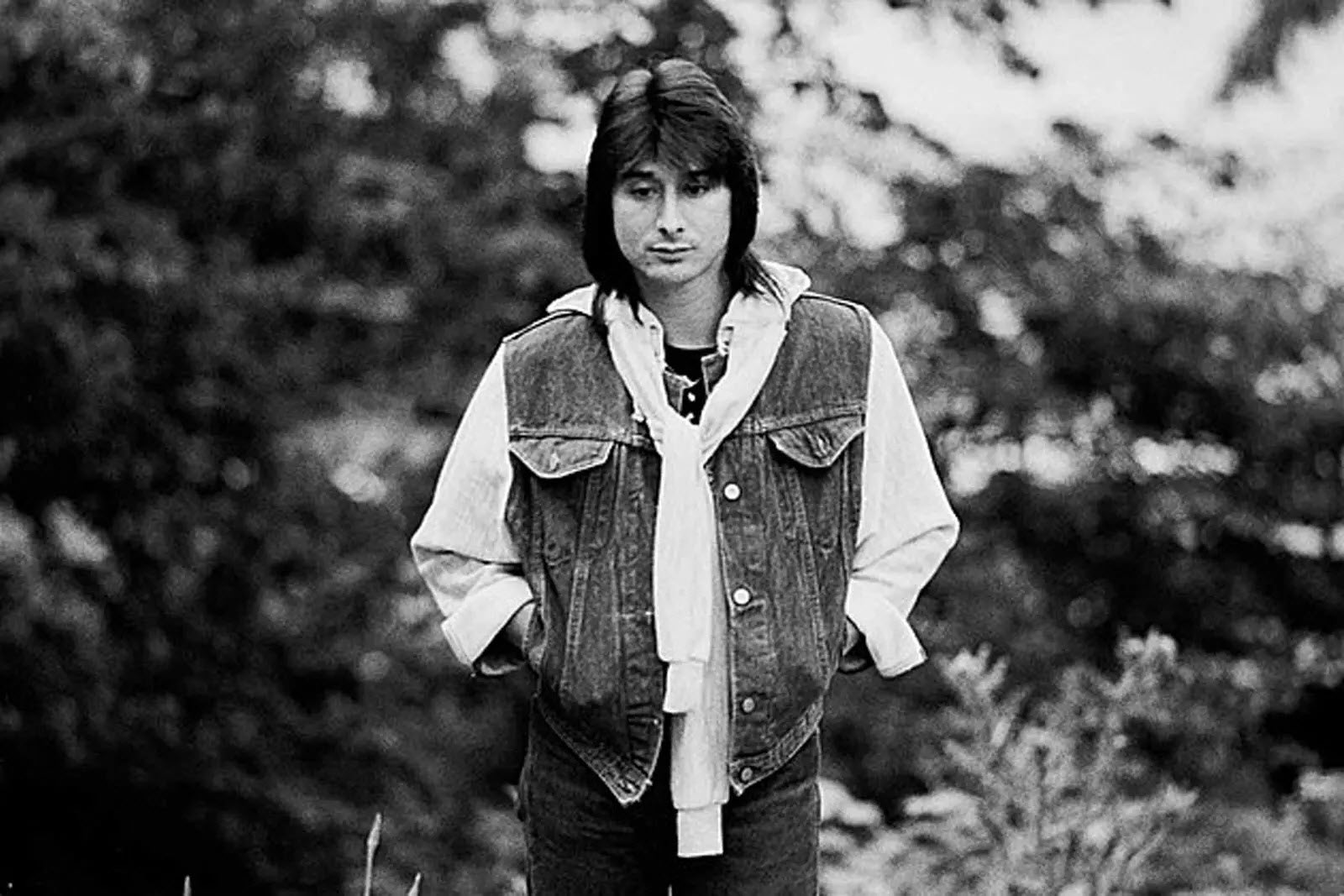
Steve Perry’s voice isn’t just legendary—it’s a force of nature. As the soaring tenor behind Journey’s most iconic anthems and a solo artist with undeniable emotional pull, Perry has carved a permanent place in rock history. Whether he’s belting out arena-shaking choruses or whispering heartbreak into a ballad, his vocal range, passion, and sincerity make every song unforgettable. From the hopeful cry of “Don’t Stop Believin’” to the aching tenderness of “Foolish Heart,” Perry’s catalog is a masterclass in melodic storytelling. His songs have soundtracked first loves, long road trips, and triumphant comebacks for millions of fans across generations. But which tracks truly stand above the rest? In this countdown, we’re diving into the top 10 most popular Steve Perry songs of all time—spanning his unforgettable years with Journey to his equally powerful solo ventures. These are the songs that lit up the charts, filled stadiums, and still echo in our hearts decades later. Whether you’re a lifelong fan or a newcomer to his music, this list captures the essence of a voice that defined a musical era. Turn up the volume—it’s time to celebrate the timeless magic of Steve Perry.
1. Don’t Stop Believin’ (1981)
Few songs capture the spirit of determination quite like Journey’s “Don’t Stop Believin’.” Released in 1981 as part of the Escape album, this track has grown into one of the most enduring rock anthems of all time. The opening piano chords are instantly recognizable, setting the stage for Steve Perry’s electrifying vocal performance. What’s remarkable is the way the song builds slowly, holding off the chorus until the very end—a bold move that creates powerful anticipation. Written by Perry, Neal Schon, and Jonathan Cain, the lyrics tell a story of two dreamers: a small-town girl and a city boy, united by hope and longing. While it peaked at No. 9 on the Billboard Hot 100, its legacy grew massively over time, thanks to iconic appearances in The Sopranos, Glee, and countless sports events. Today, “Don’t Stop Believin’” is more than a song—it’s a rallying cry, a moment of shared catharsis wherever it’s played. Perry’s vocals drive the message home with unmatched sincerity and fire. It’s a track that refuses to age, inspiring generation after generation to hold on to that feeling and never give up on their dreams.
2. Open Arms (1982)
“Open Arms” is a defining moment in Journey’s career and in the history of the power ballad. Released in early 1982 from the Escape album, it showed a softer, more emotional side of the band. Written by Steve Perry and Jonathan Cain, the song is a beautifully simple yet powerful expression of love and reconciliation. It begins with gentle piano notes and slowly builds to a heartfelt crescendo, showcasing Perry’s stunning ability to convey vulnerability. His voice seems to float effortlessly over the arrangement, drawing listeners into the song’s intimate message of forgiveness and longing. “I’m coming to you with open arms” is a line that resonates deeply, especially with those who’ve experienced the complexities of love. The song reached No. 2 on the Billboard Hot 100, staying there for six weeks and becoming one of Journey’s biggest hits. Over the years, it’s been covered by many artists, but Perry’s version remains the gold standard. “Open Arms” isn’t just a love song—it’s a moment of emotional honesty wrapped in melody, and a testament to how music can heal, connect, and endure.
3. Faithfully (1983)
“Faithfully” is one of Journey’s most emotionally resonant songs, a heartfelt tribute to love’s endurance in the face of distance and hardship. Released in 1983 on their Frontiers album, it was written solely by keyboardist Jonathan Cain, but Steve Perry’s aching vocal performance gives it life. The song opens with a gentle piano line, and gradually builds into a sweeping ballad filled with sincerity and devotion. Perry’s voice carries the emotional weight of the lyrics, which reflect the toll that life on the road takes on personal relationships. The chorus—“I’m forever yours… faithfully”—has become a timeless declaration of loyalty and love. The song reached No. 12 on the Billboard Hot 100, but its true success lies in its emotional impact. It’s a favorite at weddings, anniversaries, and quiet moments when words alone can’t express what someone feels. “Faithfully” is a standout not just for its musical beauty, but for its honesty. Perry doesn’t just sing the words—he lives them, delivering each line with tenderness and depth. It’s a reminder that love, when rooted in trust and commitment, can weather any storm.
4. Separate Ways (Worlds Apart) (1983)
“Separate Ways (Worlds Apart)” captures Journey at their most intense and dramatic. Released as the lead single from 1983’s Frontiers, this track hits like a thunderbolt with its pounding synths, scorching guitars, and raw emotion. From the first seconds, it grabs you with a bold keyboard riff, setting the tone for a song filled with passion and pain. Steve Perry delivers one of his most powerful vocal performances, channeling heartbreak and resilience in equal measure. The lyrics speak to the anguish of separation and the hope that true love will find its way back. The song climbed to No. 8 on the Billboard Hot 100, and although its music video is remembered for its quirky choreography, the song itself became a staple of rock radio and live performances. Over time, it’s become one of Journey’s most beloved tracks, celebrated for its high energy and emotional intensity. “Separate Ways” is more than a breakup song—it’s a defiant anthem of enduring love. Perry’s impassioned vocals and the band’s thunderous instrumentation combine to create a perfect storm of feeling and power.
5. Wheel in the Sky (1978)
“Wheel in the Sky” marked a turning point for Journey, introducing the world to Steve Perry’s soaring vocals and hinting at the greatness to come. Released in 1978 on the Infinity album, it was one of the first hits to feature Perry, whose voice would soon become synonymous with the band. Built around a haunting guitar riff and driven by a steady, relentless rhythm, the song conveys a sense of restlessness and existential searching. “Wheel in the sky keeps on turning,” Perry sings, reflecting the endless grind of life on the road and the uncertainty of the future. While it peaked modestly at No. 57 on the Billboard Hot 100, it became a fan favorite and a classic rock staple. The song’s gritty energy and philosophical undertones gave Journey a fresh identity, moving them from progressive rock toward a more mainstream arena rock sound. It’s both introspective and urgent, with Perry’s vocals adding emotional depth to every line. “Wheel in the Sky” endures as a powerful symbol of life’s constant motion and the resilience it takes to keep moving forward.
6. Who’s Crying Now (1981)
“Who’s Crying Now” showcases Journey’s ability to blend rock with soul and sophistication. Released in 1981 from their hit Escape album, this song moves with a smooth, almost jazzy flow, anchored by a haunting keyboard motif and Steve Perry’s emotive vocal delivery. Written by Perry and Jonathan Cain, it tells the story of a relationship’s end not with bitterness, but with quiet resignation and emotional maturity. There’s no shouting or finger-pointing—just a reflective look at how love sometimes fades. Perry’s voice is restrained yet rich, full of nuance and subtlety, while Neal Schon’s guitar solo toward the end adds a beautifully expressive touch. The track climbed to No. 4 on the Billboard Hot 100, proving that Journey could do more than stadium-shaking anthems. “Who’s Crying Now” is both vulnerable and cool, a perfect example of the band’s range. It remains a fan favorite for those moments when you want a song that understands heartbreak without melodrama. Its smooth groove, emotional depth, and Perry’s unmistakable voice make it one of Journey’s most elegant and enduring songs.
7. Oh Sherrie (1984)
“Oh Sherrie” marked Steve Perry’s bold and successful leap into solo stardom. Released in April 1984 as the lead single from his debut solo album Street Talk, the song was inspired by his then-girlfriend, Sherrie Swafford. That personal connection gives the track an undeniable emotional core. From the very first drumbeat, “Oh Sherrie” demands attention. Perry’s vocals are passionate and commanding, effortlessly moving between vulnerability and power. The track blends ’80s pop-rock flair with heartfelt lyrics that feel raw and real. It topped the Mainstream Rock chart and hit No. 3 on the Billboard Hot 100, proving Perry could captivate audiences even outside of Journey. The accompanying music video, full of MTV-era theatrics, became iconic in its own right. What truly makes “Oh Sherrie” special is the authenticity in Perry’s performance—you can hear the love, the pleading, and the urgency in every note. It remains one of the greatest solo debuts in rock history, a track that defined a moment in time while showcasing the full range of Perry’s artistry.
8. Foolish Heart (1984)
“Foolish Heart,” also from Street Talk, revealed a softer, more introspective side of Steve Perry. Released in late 1984, this ballad is delicate and deeply personal, built around minimal instrumentation that lets Perry’s voice shine. The gentle piano and subtle percussion provide just enough backdrop for a vocal performance that feels almost whispered in its intimacy. The lyrics explore the pain and risk of opening your heart again after heartbreak—“Foolish heart, hear me calling.” It’s a quiet song with a powerful emotional pull. The track reached No. 18 on the Billboard Hot 100 and climbed to No. 2 on the Adult Contemporary chart, resonating with listeners who appreciated its honesty and vulnerability. Unlike many dramatic love ballads of the era, “Foolish Heart” doesn’t rely on bombast—it gently seeps into your soul. Perry’s nuanced performance proves he doesn’t need to belt to move you; his restraint is what makes the song so affecting. It’s a standout in his solo catalog and a hidden gem that continues to touch hearts with its simple, profound message.
9. You Better Wait (1994)
After a long break from solo work, Steve Perry returned in 1994 with “You Better Wait,” a strong statement of intent from his album For the Love of Strange Medicine. The track showed a more mature, weathered Perry—someone who had lived through love, fame, and personal battles. It opens with a gritty guitar riff and builds into a driving, bluesy rock anthem. Lyrically, it’s a cautionary tale about rushing into relationships or major decisions without careful thought. The chorus is big and anthemic, and Perry’s voice—though a little rougher than in his heyday—retains all its emotional power. The song hit No. 29 on the Billboard Hot 100 and reached No. 1 on the Mainstream Rock chart, a sign that Perry still had plenty to say. “You Better Wait” wasn’t just a comeback single—it was a declaration that Perry was still a vital, relevant voice in rock. With its mix of wisdom, grit, and soaring vocals, the track stands tall in his later career catalog.
10. Missing You (1994)
“Missing You,” another standout from For the Love of Strange Medicine, is a haunting ballad that dives deep into the ache of longing and emotional absence. Released in 1994, it’s a slower, more reflective companion to the more urgent “You Better Wait.” The arrangement is subtle, with layered instrumentation and a melancholic melody that gently cradles Perry’s heartfelt vocals. The lyrics are simple yet deeply affecting, speaking to anyone who has ever felt the hollow space left by someone they love. While it didn’t climb high on the charts, the song found a place in the hearts of devoted fans. Perry’s voice, slightly huskier than in earlier years, carries even more emotional weight—each line feels lived-in and sincere. “Missing You” may not have made a huge commercial splash, but it stands as a poignant reminder of Perry’s gift for conveying human emotion with grace and clarity. It’s a quiet masterpiece that resonates long after the final note fades.

Samuel Moore is a frequent contributor to Singers Room. Since 2005, Singersroom has been the voice of R&B around the world. Connect with us via social media below.









