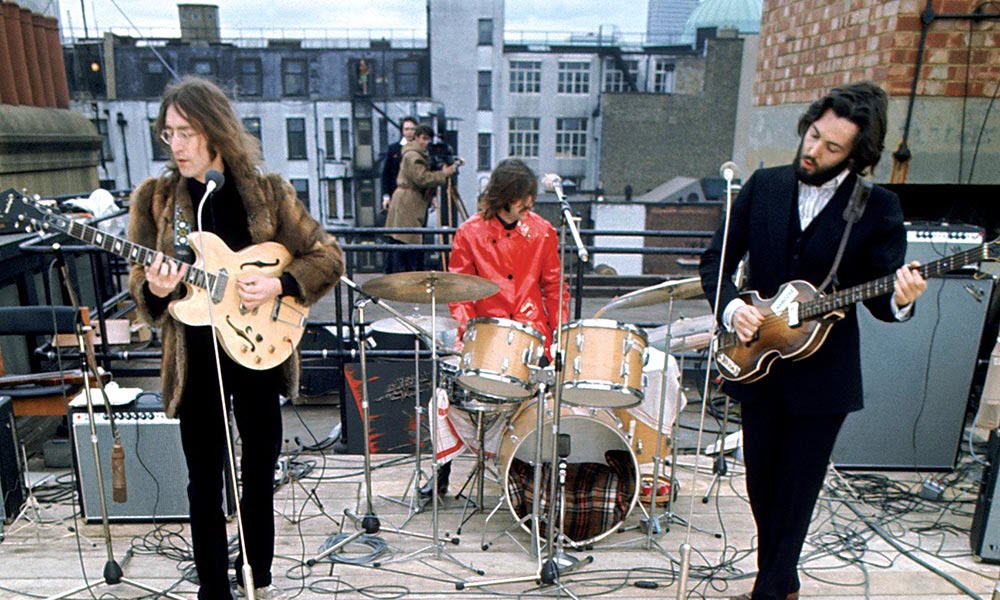
The Beatles are more than just a band—they’re a cultural phenomenon, a musical revolution, and a timeless source of inspiration for millions around the globe. From their humble beginnings in Liverpool to conquering the world stage, the Fab Four have left an indelible mark on music history. With their unparalleled talent for songwriting, their innovative sound, and their ability to connect with audiences across generations, The Beatles have created a catalog of songs that remains as powerful and relevant today as it was decades ago.
But which of their masterpieces truly stand out? From heartwarming ballads to groundbreaking rock anthems, narrowing down the list of their most popular songs is no easy feat. These are the tracks that have defined eras, inspired countless artists, and become the soundtracks of our lives. Whether you’re a lifelong fan or a curious newcomer, this list of the Top 10 Most Popular Beatles Songs of All Time will take you on a thrilling journey through the hits that cemented their legacy.
So, grab your headphones, turn up the volume, and get ready to relive the magic of The Beatles. These songs are more than music—they’re history, emotion, and pure genius rolled into one unforgettable experience.
1. Hey Jude (1968)
“Hey Jude,” released as a single in 1968, is one of The Beatles’ most enduring anthems of encouragement and emotional support. Written by Paul McCartney for John Lennon’s son, Julian, during his parents’ divorce, the song’s purpose was to comfort and reassure. McCartney’s warm, empathetic lyrics were paired with a soaring, uplifting melody that made it an instant classic. The most memorable part of the song is its extended coda, where the entire band—along with a choir of voices—repeatedly sings “Na-na-na-na, na-na-na-na, hey Jude.” This sing-along moment invites listeners to feel part of something larger than themselves, fostering a sense of unity and collective joy. The song’s positive message, paired with its infectious melody, captured the hearts of audiences worldwide. Hey Jude topped the charts in numerous countries and became one of the band’s most iconic and celebrated songs. Its success also marked a pivotal moment in The Beatles’ songwriting and production, where they embraced more emotionally charged and expansive musical ideas. Even today, “Hey Jude” continues to resonate deeply, offering hope and comfort to listeners, reminding them of the power of support and the importance of persevering through difficult times.
2. Let It Be (1970)
“Let It Be,” released in 1970, stands as one of The Beatles’ most emotionally resonant and enduring ballads. Written by Paul McCartney, the song was inspired by a dream he had of his late mother, Mary, who had passed away when he was 14. In the dream, she appeared to him and spoke words of comfort, reassuring him with the phrase “Let it be.” These words, simple yet profound, became the heart of the song’s lyrics, which convey a message of acceptance and peace in the face of life’s hardships. The song’s soothing piano riff, accompanied by McCartney’s heartfelt vocals, creates an atmosphere of serenity, while the gospel-like arrangement adds to its sense of hope. Let It Be was the title track of the band’s final studio album, released shortly before they parted ways. Despite the turmoil within the band during its recording, the song became a symbol of peace amidst the chaos. It was embraced by listeners around the world as an anthem of comfort and reassurance, a reminder to let go of worry and trust that everything will work out in the end. Let It Be remains one of The Beatles’ most beloved songs, continuing to inspire feelings of tranquility and acceptance.
3. Yesterday (1965)
“Yesterday,” released in 1965 as part of The Beatles’ Help! album, is one of the most iconic and covered songs in the history of popular music. Written by Paul McCartney, the song explores themes of love, loss, and regret. Its hauntingly beautiful melody, paired with introspective lyrics, strikes an emotional chord with listeners, evoking feelings of nostalgia and longing. The song’s stripped-down arrangement—accompanied by a string quartet—marked a departure from The Beatles’ usual upbeat rock sound, showcasing their growing sophistication as musicians and songwriters. The soft, wistful tone of Yesterday presents a vulnerable side of McCartney’s songwriting, reflecting a sense of personal sorrow and a yearning for a simpler time. Its universal themes of love and heartbreak have made it relatable to generations of listeners, who find solace in its timeless lyrics. The song’s simplicity and elegance contributed to its success, and it quickly became one of The Beatles’ most loved tracks. Over the years, Yesterday has been covered by countless artists, from pop to classical musicians, cementing its place as a classic in the canon of great songs. The track remains a testament to McCartney’s songwriting genius and The Beatles’ ability to capture deep emotional truths with minimalistic beauty.
4. Come Together (1969)
“Come Together,” released in 1969 on The Beatles’ Abbey Road album, is one of John Lennon’s most enigmatic and groovy compositions. The song is often considered a masterclass in blending funk, rock, and blues into a uniquely Beatlesque style. From the very first bassline, which immediately grabs the listener’s attention, to the cryptic lyrics, “Come Together” exudes an air of cool confidence. It’s one of those songs that feels like it has multiple layers, offering something new with each listen. Originally written for Timothy Leary’s gubernatorial campaign in California, Lennon’s lyrics evolved into a more abstract and poetic narrative, full of obscure references that leave room for interpretation. The song’s rhythmic groove and hypnotic repetition are infectious, making it one of The Beatles’ most groove-driven tracks. Its slightly off-kilter melody and Lennon’s laid-back vocal delivery also contribute to its sense of mystery and intrigue. Come Together was not only a critical and commercial success but also a defining moment for The Beatles as they explored more experimental and unconventional musical landscapes. The track’s influence can still be heard in modern music, as its unique blend of genres and its powerful, infectious energy continues to captivate listeners.
5. Something (1969)
“Something,” written by George Harrison and released in 1969 on Abbey Road, stands as one of his finest contributions to The Beatles’ catalog. The song’s simple, yet profound lyrics express deep love and admiration for another person, capturing the complexity of romantic emotion. With its lush arrangement and beautiful melody, Something has become one of the most beloved love songs in rock history. Harrison’s songwriting maturity shines through, offering a vulnerability and sincerity that was often less prominent in his earlier work with the band. The song’s gentle instrumentation, featuring delicate guitar lines and a sweeping string arrangement, complements the heartfelt lyrics, which convey both longing and devotion. Something has been widely praised by artists across genres, with Frank Sinatra famously calling it one of the greatest love songs ever written. The song’s impact can be seen in its continued popularity, with many artists covering it over the years. What sets Something apart is its ability to resonate with listeners on a personal level—its universal themes of love, admiration, and devotion transcend time and place. Harrison’s understated yet powerful delivery gives the song an emotional depth that makes it as touching today as it was upon its release.
6. A Hard Day’s Night (1964)
“A Hard Day’s Night,” released in 1964 as both the title track for The Beatles’ film and album, captures the energetic spirit of Beatlemania at its peak. The song opens with one of the most famous chords in rock history—John Lennon’s instantly recognizable jangly chord—which grabs the listener’s attention from the first note. The upbeat tempo and driving rhythm make it a quintessential feel-good anthem, filled with youthful exuberance and the infectious energy that defined The Beatles’ early years. The lyrics celebrate the simple joy of returning home to a loved one after a long, hard day of work, reflecting themes of love, relief, and contentment. While A Hard Day’s Night is undoubtedly a fun and catchy song, it also exemplifies the band’s ability to craft melodies that are both instantly memorable and emotionally resonant. The song was a huge commercial success, and its bright, bouncy tune became a symbol of the carefree spirit of the 1960s. This track also marked the beginning of The Beatles’ shift toward more sophisticated songwriting and production, blending catchy pop melodies with deeper, more meaningful themes. Today, A Hard Day’s Night remains one of The Beatles’ most iconic songs, embodying the band’s energy, charm, and ability to connect with listeners worldwide.
7. Help! (1965)
“Help!” was the title track from both The Beatles’ 1965 album and movie, and it stands as one of the band’s most heartfelt and relatable songs. Written by John Lennon during a period of personal turmoil, Help! is a cry for emotional support and a plea for relief. The song’s upbeat tempo and catchy melody, however, belie the vulnerability of its lyrics, which express a deep sense of insecurity and confusion. Lennon himself described the song as a reflection of his personal struggles during a time when he felt overwhelmed by the pressures of fame. The song’s urgent, almost frantic delivery, particularly in the chorus, perfectly conveys the feeling of being caught in a whirlwind of emotions and longing for a way out. The song’s contrast between its upbeat sound and its introspective lyrics made it resonate with listeners, who could relate to the need for help and understanding during challenging times. Help! became one of The Beatles’ biggest hits and remains a classic example of how the band could take personal, introspective themes and turn them into universally relatable anthems. The song’s enduring popularity speaks to its timeless message of vulnerability, offering both comfort and solidarity to listeners everywhere.
8. Here Comes the Sun (1969)
“Here Comes the Sun,” written by George Harrison and released in 1969 on Abbey Road, is one of the band’s most uplifting and beloved tracks. Harrison wrote the song during a particularly difficult period for the band, both personally and professionally, as tensions within the group were high. The song reflects a sense of hope and renewal, with its bright, cheerful melody and optimistic lyrics that celebrate the arrival of better days. The song’s simple acoustic guitar intro and its soothing, warm tone evoke feelings of tranquility and optimism, as if the arrival of the sun after a long, cold winter symbolizes a fresh start or a new chapter. The track is often considered a reflection of Harrison’s growing spiritual awareness and his desire to bring positivity into the world. Here Comes the Sun is also one of The Beatles’ most musically sophisticated songs, featuring layered harmonies, lush instrumentation, and a seamless blend of folk, rock, and pop elements. The song’s universal message of hope and renewal continues to resonate with listeners today, making it one of The Beatles’ most cherished tracks. Its timeless appeal lies in its ability to uplift and inspire, reminding listeners that after every dark period, light will inevitably return.
9. I Want to Hold Your Hand (1963)
Released in 1963, “I Want to Hold Your Hand” marked a major milestone in The Beatles’ career, becoming their first massive hit in the United States and sparking the British Invasion. The song captures the youthful exuberance and innocence of early romance, with its bright, bouncy melody and irresistibly catchy chorus. Written by John Lennon and Paul McCartney, the song was a deliberate attempt to create a track that would appeal to the American market, and it succeeded beyond their wildest dreams. The song’s upbeat energy, combined with the heartfelt simplicity of its lyrics, made it an instant sensation among young listeners, who were swept up in the excitement of Beatlemania. The harmonies between Lennon and McCartney are particularly striking, creating a rich, dynamic sound that added to the song’s infectiousness. I Want to Hold Your Hand not only launched The Beatles into global superstardom but also helped reshape the landscape of popular music, ushering in a new era of rock and roll. Even decades later, the song’s cheerful, optimistic spirit remains contagious, embodying the pure joy of young love and the sense of excitement that comes with new beginnings.
10. All You Need Is Love (1967)
“All You Need Is Love,” released in 1967, stands as one of The Beatles’ most iconic and enduring anthems of peace and unity. Written by John Lennon for the first live global television link, Our World, the song was intended to convey a simple but powerful message that could be easily understood by audiences around the world. Its lyrics—straightforward, repetitive, and universal—emphasized the idea that love is the most important and transformative force in the world. Musically, the song features a blend of orchestral elements, pop melodies, and a sing-along chorus that invites listeners to join in, creating a communal and celebratory atmosphere. The song’s playful incorporation of musical references, including snippets of other songs and national anthems, further emphasized its message of global unity. All You Need Is Love captured the idealism of the late 1960s and became closely associated with the counterculture movement of peace and love. It remains a timeless anthem that continues to inspire listeners to believe in the power of love as a unifying and healing force. Its message is as relevant today as it was during its original release, reminding people across generations that, in the end, love truly is all you need.

Edward Tomlin is a frequent contributor to Singers Room. Since 2005, Singersroom has been the voice of R&B around the world. Connect with us via social media below.









