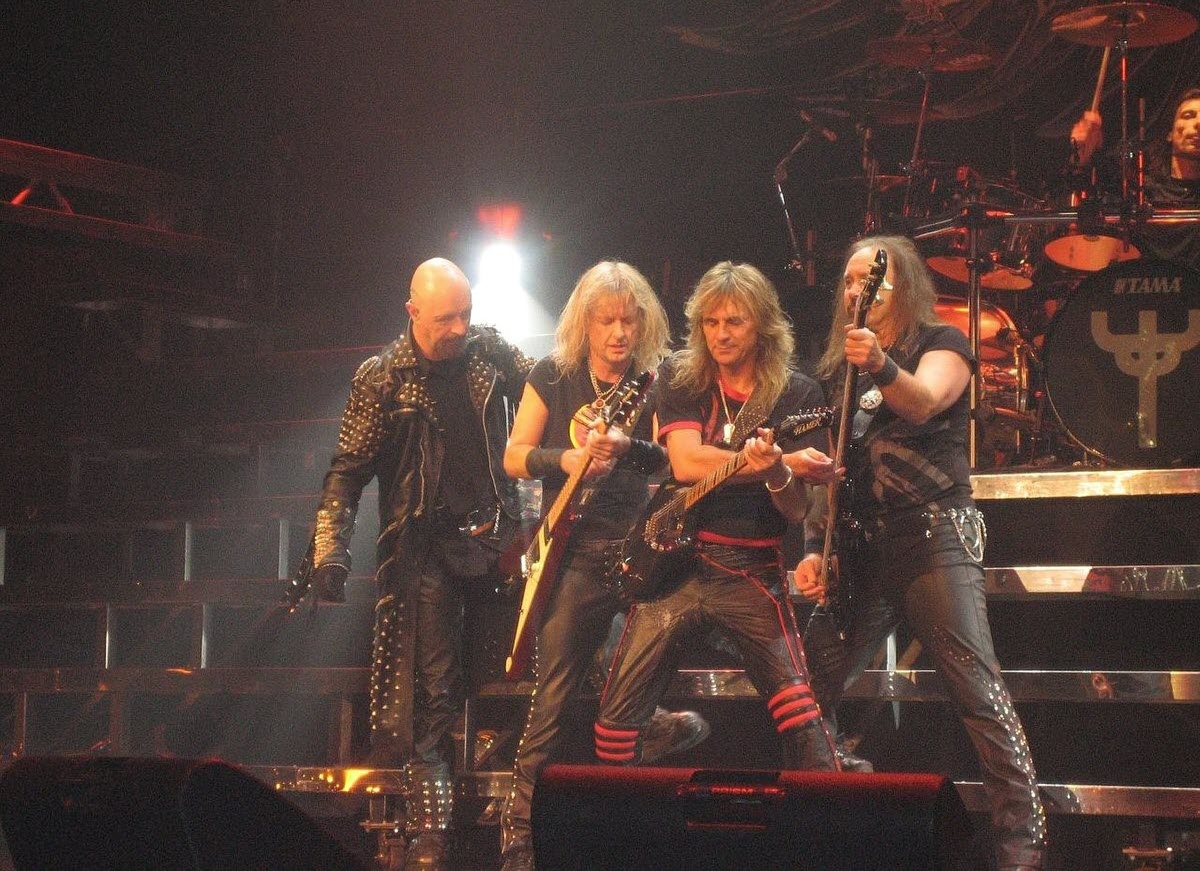
Few bands have shaped the landscape of heavy metal like Judas Priest. With their thunderous riffs, electrifying solos, and Rob Halford’s soaring vocals, they’ve become a cornerstone of the genre, influencing countless bands and captivating millions of fans worldwide. From their leather-clad anthems to their genre-defining sound, Judas Priest has been at the forefront of metal for over five decades.
But what are the songs that truly define their legacy? Which tracks have stood the test of time, becoming fan favorites and concert staples? Whether you’re a die-hard Priest fan or a newcomer ready to dive into their iconic catalog, this list will take you on a thrilling ride through the band’s most celebrated hits.
From the rebellious cry of “Breaking the Law” to the epic grandeur of “Painkiller,” these songs showcase Judas Priest at their finest—pushing boundaries, redefining metal, and delivering unforgettable moments. So crank up the volume, grab your air guitar, and prepare to rock as we count down the Top 10 Most Popular Judas Priest Songs of All Time. Let the metal gods reign supreme!
1. Breaking the Law (1980)
“Breaking the Law” is one of those rare songs that becomes a cultural lightning rod—instantly recognizable and eternally relevant. Released in 1980 as part of Judas Priest’s landmark album British Steel, this track was more than just a catchy heavy metal anthem—it was a rallying cry for the frustrated and overlooked. Built around a lean, punchy guitar riff that could cut through steel, the song channels raw working-class anger and rebellion with unapologetic simplicity. The lyrics are stripped-down but powerful, capturing the despair of a man who feels the weight of a society stacked against him. It’s not just about criminality—it’s about the emotional toll of feeling powerless. That emotional depth, paired with an unforgettable chorus, makes the song resonate far beyond its era. The music video, with its audacious bank heist scene, only amplified the song’s rebellious spirit and turned it into a visual staple of early ’80s rock culture. “Breaking the Law” isn’t just a fan favorite—it’s a rite of passage for anyone discovering heavy metal for the first time. Even decades later, it still hits like a punch to the gut, proving that the fight against the system never really goes out of style.
2. You’ve Got Another Thing Comin’ (1982)
If there were ever a song that perfectly captures the no-quit attitude of heavy metal, it’s “You’ve Got Another Thing Comin’.” Released in 1982 on Screaming for Vengeance, this track became a defining moment not just for Judas Priest, but for metal as a whole. It starts with that unmistakable guitar intro—tight, confident, and full of swagger—and then Rob Halford’s powerhouse vocals kick in with a message that refuses to be ignored: persistence, defiance, and self-belief. The lyrics champion resilience, speaking directly to anyone who’s been told they can’t succeed, and telling them, in no uncertain terms, that their doubters are dead wrong. The track quickly became a favorite on rock radio and at live shows, where it remains a highlight thanks to its anthemic quality and infectious energy. With its driving beat, sharp solos, and defiant chorus, “You’ve Got Another Thing Comin’” isn’t just a song—it’s a mindset. It’s about standing tall, brushing off failure, and taking life head-on. More than four decades later, it still inspires the same fist-pumping determination it did in 1982. It’s motivational metal at its absolute finest.
3. Painkiller (1990)
“Painkiller” isn’t just a Judas Priest song—it’s a thunderous declaration of power and precision, a metal masterpiece that’s as technically impressive as it is emotionally intense. The title track from their 1990 album, this song marked a dramatic return to a heavier, more aggressive sound for the band. From the opening drum assault by Scott Travis—a jaw-dropping display of double-bass fury—you know you’re in for something monumental. Rob Halford’s vocals soar into stratospheric territory, delivering screams that feel almost inhuman in their intensity. The twin guitar assault of Glenn Tipton and K.K. Downing unleashes riff after riff, weaving complex solos that blister and burn through the track’s apocalyptic landscape. Lyrically, “Painkiller” conjures a mythic savior figure, one who arrives to cleanse the world of suffering and evil, matching the music’s grand scale. It’s as theatrical as it is brutal, and it helped re-establish Priest as pioneers of metal when the genre was evolving rapidly in the early ’90s. This track is a benchmark for extreme musicianship and heavy metal excellence—an unrelenting beast that continues to thrill and inspire guitarists, vocalists, and drummers alike. Simply put, “Painkiller” is pure metal adrenaline.
4. Living After Midnight (1980)
“Living After Midnight” is the sound of pure rock ‘n’ roll liberation. Released on British Steel in 1980, the track shows a more carefree, celebratory side of Judas Priest. Built around a big, bold, and incredibly catchy guitar riff, this song doesn’t try to be deep or dark—it’s about embracing the thrill of the night and living life loud. Rob Halford delivers the vocals with a wink and a swagger, perfectly capturing the mood of late-night freedom, fast cars, loud music, and no regrets. It’s the soundtrack to staying out too late, doing what you want, and not answering to anyone. This track found crossover appeal, earning radio play and helping the band break into the mainstream while still keeping their heavy edge. It’s also a guaranteed crowd-pleaser at live shows, where fans happily scream the chorus back in unison. What makes “Living After Midnight” so enduring is its universal appeal—everyone can relate to cutting loose and letting go. It’s not just a song; it’s an experience, a permission slip to forget the rules and enjoy the ride. For many, it was the gateway into Priest’s heavier catalog. For others, it’s the ultimate rock party anthem.
5. Hell Bent for Leather (1978)
“Hell Bent for Leather” is more than a song—it’s a mission statement. Released in 1978 on the U.S. version of Killing Machine (retitled Hell Bent for Leather), this track encapsulates everything Judas Priest stands for: speed, power, style, and rebellion. From the opening drum beat and galloping riff, the song charges forward like a motorcycle tearing down the highway. Rob Halford’s vocals are fierce and commanding, delivering lyrics that exude confidence and raw energy. With imagery drenched in leather, metal, and motion, the song helped solidify the band’s aesthetic—black leather jackets, studs, motorcycles, and unapologetic attitude. This wasn’t just fashion—it was identity, and “Hell Bent for Leather” was its soundtrack. The live version became legendary, with Halford famously roaring onto the stage on a Harley-Davidson, revving up the crowd to a fever pitch. It’s fast, it’s fierce, and it’s undeniably fun. The song is also deceptively tight musically—precise and clean, but never at the expense of its reckless spirit. “Hell Bent for Leather” is a celebration of speed, individuality, and the metal lifestyle. It’s a two-and-a-half-minute blast of pure, unfiltered Judas Priest.
6. Electric Eye (1982)
“Electric Eye” is one of Judas Priest’s most daring and forward-thinking tracks, combining futuristic themes with razor-sharp metal. Released on Screaming for Vengeance in 1982, the song kicks off with a powerful instrumental prelude, “The Hellion,” which flows seamlessly into the main track. That intro alone has become legendary—an electrifying burst that sets the tone for what’s to come. “Electric Eye” explores themes of surveillance, privacy invasion, and the ever-watchful gaze of authority—a prophetic message that feels more relevant now than ever. The lyrics paint a chilling image of an all-seeing entity, keeping tabs on everything from your movements to your thoughts. It’s dystopian paranoia set to a ripping metal soundtrack. Musically, it’s all fire: Glenn Tipton and K.K. Downing trade scorching riffs while Rob Halford delivers his lines with icy intensity. The track pulses with energy, anger, and defiance. What makes “Electric Eye” stand out is how it blends message and music so seamlessly—it’s not just a song you headbang to, it’s one that makes you think. Whether you hear it as a critique of Big Brother or just a high-octane banger, it remains one of Judas Priest’s most iconic and enduring songs.
7. Turbo Lover (1986)
“Turbo Lover” is Judas Priest at their most sleek and experimental, trading their usual raw metal edge for something more polished and synth-laden. Released in 1986 as the standout single from the Turbo album, the song marked a bold shift in the band’s sound. The use of synthesizers—still controversial among metal purists at the time—gave the track a futuristic, almost seductive feel, and the gamble paid off. “Turbo Lover” is drenched in innuendo and style, a track that oozes cool and confidence. Rob Halford’s vocals are smoother here but no less commanding, perfectly suited for the track’s sensual vibe. The guitars, though cleaner, still roar with intent, and the electronic touches enhance rather than overwhelm. Lyrically, the song plays on the metaphor of a powerful machine and passionate love—cheesy in the best way possible. Over time, “Turbo Lover” has gained appreciation as one of Priest’s most unique tracks. It may have thrown some fans for a loop in the ‘80s, but today it’s celebrated for its boldness and innovation. It’s a synth-metal love song that proves Judas Priest were never afraid to take risks and redefine what metal could be.
8. The Sentinel (1984)
“The Sentinel” is a towering metal epic, the kind of track that shows off just how much ambition and narrative scope Judas Priest could pack into a single song. Released in 1984 on Defenders of the Faith, it feels like a short story set to music—a tale of vengeance, destruction, and grim determination. From the first notes, the song builds a sense of tension and rising menace. The guitars slash and gallop with precision, laying the foundation for Rob Halford’s intense vocal performance. His delivery is theatrical, almost operatic, fitting the song’s storyline of a lone warrior—or sentinel—battling against overwhelming odds. Musically, it’s one of the band’s most intricate compositions, filled with shifting tempos, complex solos, and layered melodies that add to the cinematic feel. It’s heavy, it’s dark, and it’s filled with imagery that fans love to sink their teeth into. But it’s not just the storyline that makes it memorable—it’s how seamlessly the band marries that narrative with hard-hitting, expertly executed metal. “The Sentinel” is Judas Priest at their storytelling best, a blend of fantasy and firepower that continues to captivate longtime fans and newcomers alike.
9. Victim of Changes (1976)
“Victim of Changes” is a cornerstone of Judas Priest’s early sound and a defining moment in the development of heavy metal. First released on the 1976 album Sad Wings of Destiny, the song combines emotional weight, sonic experimentation, and vocal brilliance in a way few metal tracks ever have. It opens slowly, almost bluesy, with a soulful riff and haunting vocals from Rob Halford. But as the song progresses, it morphs into a tempest of guitar-driven drama, tempo shifts, and one of Halford’s most legendary screams. The song is essentially a metal opera, chronicling a toxic, emotionally charged relationship with lyrics that cut deep: regret, resentment, betrayal—all delivered with raw sincerity. The twin guitar work from Glenn Tipton and K.K. Downing is masterful, alternating between mournful melodies and powerful, electrifying solos. Clocking in at over seven minutes, “Victim of Changes” never overstays its welcome—it evolves, breathes, and builds until its explosive climax. This song laid the groundwork for progressive metal and showcased Judas Priest’s range in a way few of their peers dared to attempt at the time. It remains a fan favorite and a staple in the band’s live set for good reason.
10. Beyond the Realms of Death (1978)
“Beyond the Realms of Death” is Judas Priest’s emotional masterpiece—an epic ballad that dives deep into themes of despair, isolation, and ultimately, transcendence. Released on 1978’s Stained Class, the song stands apart from the rest of their catalog in both tone and substance. It starts with a somber, almost acoustic intro, as Rob Halford sings from the perspective of a man who has withdrawn from the world. His voice is delicate and haunting, drawing the listener into the protagonist’s emotional landscape. But then the song erupts—fiery guitars crash in, the tempo intensifies, and Halford’s vocals rise in defiant power. The transitions between quiet introspection and thunderous catharsis are seamless, giving the track an emotional arc that few metal songs achieve. Lyrically, it explores mental health and existential pain with surprising nuance and sensitivity for the era. It’s heavy not just in sound, but in meaning. The guitar solos—particularly Tipton’s—are breathtaking, soaring and weeping in equal measure. “Beyond the Realms of Death” is not just a standout in Priest’s discography—it’s a moment of vulnerability and brilliance that transcends genre. For many fans, it’s not just a song—it’s a lifeline.

Edward Tomlin is a frequent contributor to Singers Room. Since 2005, Singersroom has been the voice of R&B around the world. Connect with us via social media below.









