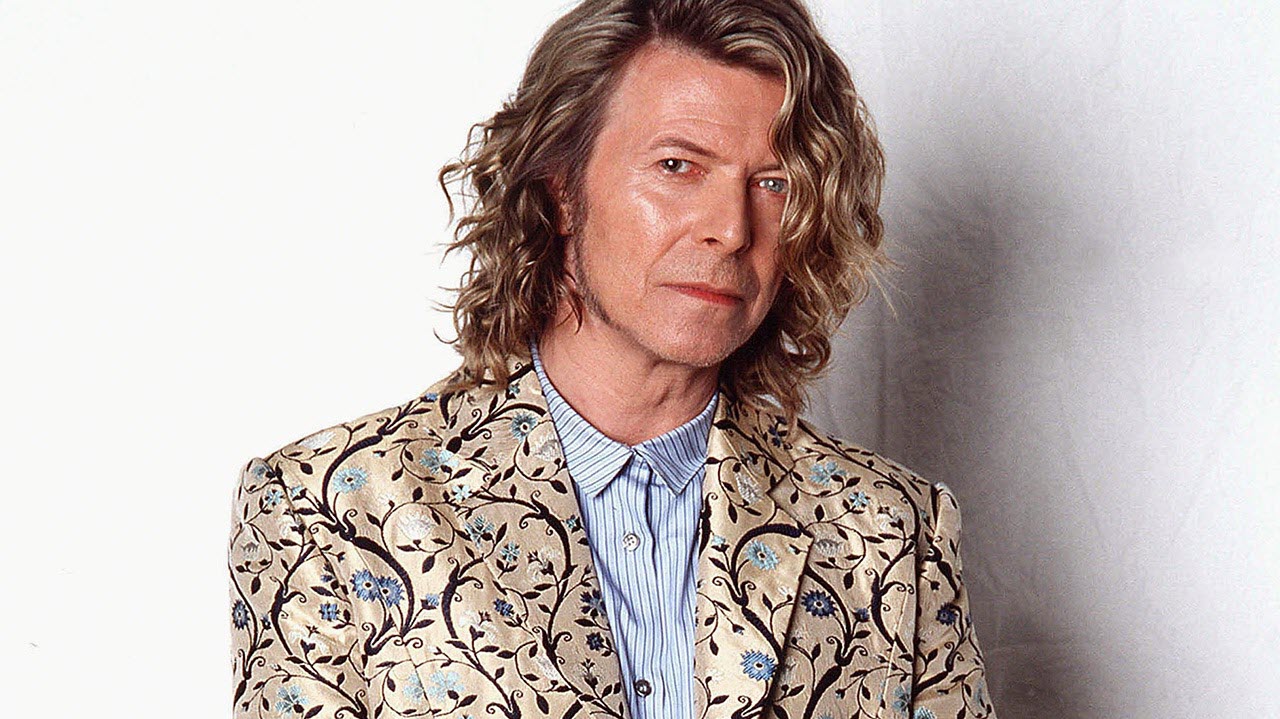
David Bowie wasn’t just a musician—he was a revolutionary, a chameleon, and a creative force who reshaped the very fabric of modern music. With his distinctive voice, genre-defying artistry, and theatrical persona, Bowie left behind a legacy that transcends generations. From his flamboyant Ziggy Stardust era to his introspective later works, Bowie’s music has continually pushed boundaries, inspiring millions while challenging the norms of rock, pop, and beyond.
But which of his songs stand out as the most iconic? From electrifying anthems to tender ballads, Bowie’s discography is a treasure trove of timeless masterpieces. Whether you’re a lifelong fan or just discovering his genius, this list celebrates Bowie’s most enduring hits—tracks that have cemented his place as one of the greatest artists in music history.
Join us as we count down the top 10 most popular David Bowie songs of all time. These are the tracks that defined his career, rocked the charts, and captured the imaginations of fans worldwide. Let’s take a journey through the soundscapes of a true legend, and rediscover the magic of Bowie’s music that continues to resonate decades after his rise to stardom. Get ready to hit play!
1. Space Oddity (1969)
“Space Oddity” is more than just a song—it’s a cinematic journey that introduced the world to David Bowie’s gift for blending storytelling with sonic innovation. Released in 1969, just days before the Apollo 11 moon landing, the song perfectly tapped into the public’s fascination with space exploration. It tells the haunting tale of Major Tom, a fictional astronaut who loses contact with ground control and drifts helplessly into the void. The track’s eerie beauty is enhanced by its atmospheric production, featuring Mellotron strings, acoustic guitar, and a hauntingly sparse arrangement that mirrors the loneliness of space.
But beyond its sci-fi narrative, “Space Oddity” is a reflection on isolation, disconnection, and the fragile nature of existence. Bowie’s delivery is fragile yet mesmerizing, pulling listeners into Major Tom’s doomed orbit. The track marked a pivotal turning point in Bowie’s career—it wasn’t just a hit; it was a statement. It announced him as an artist willing to take risks and explore themes that few dared to touch in pop music. Over time, “Space Oddity” has become one of Bowie’s most iconic songs, resonating across generations as both a work of art and a metaphor for the human condition.
2. Changes (1971)
“Changes” stands as one of David Bowie’s most beloved and enduring tracks, an anthem of transformation that continues to inspire listeners decades after its release. Featured on the 1971 album Hunky Dory, the song opens with a playful, almost whimsical piano riff, but its message is profound: embrace change, even when it’s uncomfortable or uncertain. Bowie, ever the chameleon, uses the track to explore his own artistic evolution, poking fun at critics and expectations while also acknowledging the emotional turbulence that comes with reinvention.
What makes “Changes” so powerful is its universality. Whether you’re a teenager trying to find your identity or an adult facing a crossroads, the lyrics speak to that universal push and pull between staying the same and growing into something new. Lines like “Time may change me, but I can’t trace time” linger long after the music fades.
With its bold mix of glam-rock flair and philosophical introspection, “Changes” became a calling card for Bowie’s fearless approach to art. It wasn’t just about altering appearances—it was about adapting, surviving, and thriving. In a world that never stops shifting, “Changes” remains a timeless reminder that transformation is not only inevitable—it’s essential.
3. Life on Mars? (1971)
“Life on Mars?” is often hailed as one of David Bowie’s most brilliant compositions, and for good reason. Released in 1971 on the Hunky Dory album, the song is a kaleidoscopic blend of glam rock, surrealism, and orchestral grandeur. At first listen, it’s a whirlwind of images—Mickey Mouse, lawmen beating up the wrong guy, and a girl with a mousy stare. But beneath the bizarre and vivid lyrics lies a powerful meditation on disillusionment and escapism.
Bowie himself described the song as “a sensitive young girl’s reaction to the media.” It’s a critique of Western pop culture and the way it shapes dreams that never quite materialize. The lush, dramatic arrangement—with its sweeping strings and thunderous crescendo—mirrors the emotional intensity of a generation trying to find meaning in a chaotic world.
And then there’s Bowie’s vocal performance: raw, passionate, and heartbreakingly sincere. He doesn’t just sing the song—he channels it. The final result is something cinematic, tragic, and oddly uplifting all at once. “Life on Mars?” is not just a standout track—it’s a masterclass in songwriting and performance, a perfect encapsulation of Bowie’s ability to take the absurd and make it achingly human.
4. Starman (1972)
With “Starman,” released in 1972, David Bowie didn’t just write a song—he introduced the world to a whole new mythology. Appearing on The Rise and Fall of Ziggy Stardust and the Spiders from Mars, “Starman” was the track that brought Ziggy to life, Bowie’s flamboyant, extraterrestrial alter ego who would come to define a generation. But beyond the theatrics, “Starman” is a beautifully crafted song about hope, connection, and the dream of salvation coming from above.
The track tells the story of a mysterious alien broadcasting a message to Earth’s youth, letting them know they’re not alone. Its rich melody, catchy chorus, and soaring harmonies made it an instant hit. Musically, it’s bright and infectious, with a glam-rock shimmer that’s irresistibly uplifting. Yet there’s a deeper emotional undercurrent, especially for outsiders and misfits. Bowie offered them a cosmic reassurance that someone—somewhere—understood them.
“Starman” wasn’t just a song; it was a cultural moment. Bowie’s performance of it on Top of the Pops is legendary, and it helped solidify his role as a boundary-pushing artist who dared to dream big and bring others along for the ride. It’s a song that still makes you look to the stars with wonder.
5. Heroes (1977)
“Heroes” is one of the most emotionally stirring and triumphant songs in David Bowie’s catalog. Released in 1977 during his Berlin period, the track tells the story of two lovers separated by the Berlin Wall, clinging to a moment of hope in the face of political and personal adversity. Inspired by a real couple Bowie saw embracing by the wall near the studio, the song captures the raw emotion of fleeting yet powerful defiance.
From the first note, “Heroes” builds steadily into a cathartic climax, driven by Brian Eno’s atmospheric production and Robert Fripp’s searing guitar work. Bowie’s vocals start restrained but gradually grow into a full-throated plea, as if he’s pouring every ounce of himself into the promise of love surviving against all odds. The song’s central refrain—“We can be heroes, just for one day”—has become one of the most quoted lines in music history, a rallying cry for anyone clinging to hope when everything feels impossible.
Though rooted in a specific time and place, “Heroes” transcends its origins. It’s been used in films, political protests, memorials, and personal milestones. It’s not just a love song—it’s a testament to resilience and the power of fleeting, beautiful moments that stay with us forever.
6. Rebel Rebel (1974)
“Rebel Rebel” is David Bowie’s unapologetic love letter to the outcasts and nonconformists of the world. Released in 1974 during his glam rock era, the track stands out for its bold attitude and an instantly recognizable guitar riff that kicks in like a swaggering entrance. While the production leans raw and stripped-down compared to some of Bowie’s more orchestral work, its energy and confidence are magnetic.
At its core, “Rebel Rebel” is a celebration of gender fluidity, personal freedom, and fearless self-expression. The lyrics—“You’ve got your mother in a whirl / She’s not sure if you’re a boy or a girl”—were daring for their time and remain powerful even today. Bowie isn’t just describing a character—he’s championing a lifestyle, inviting everyone to let go of societal norms and embrace their true selves.
Though it marked one of Bowie’s last purely glam rock singles, “Rebel Rebel” has remained a staple of his catalog. It embodies the rebellious spirit that defined his career and continues to speak to generations of fans who see themselves in its defiant strut. It’s not just a song—it’s an anthem for those who proudly live outside the lines.
7. Ashes to Ashes (1980)
With “Ashes to Ashes,” released in 1980, David Bowie dove deep into introspection and experimentation, revisiting the story of Major Tom with a darker, more complex lens. It’s a sequel to “Space Oddity,” but this time, Major Tom isn’t the brave explorer—he’s a broken, faded figure lost to addiction and disillusionment. “Ashes to Ashes” isn’t just a song; it’s a reckoning, both musically and emotionally.
The production is layered and avant-garde, blending eerie synths, haunting melodies, and a punchy rhythm section. It feels futuristic and ghostly all at once, a perfect match for the themes of personal demons and fading illusions. Bowie’s vocals swing from detached cool to emotional vulnerability, echoing the inner turmoil of both the character and perhaps Bowie himself.
Visually, the music video was just as revolutionary—filled with surreal imagery, clown costumes, and unsettling dream sequences. It showcased Bowie’s genius not only as a musician but also as a visual artist who understood the power of image and narrative.
“Ashes to Ashes” isn’t just a follow-up to an earlier hit—it’s a bold statement on how the past lingers, how icons fall, and how even heroes struggle with their own myths. It’s Bowie at his most confessional.
8. Let’s Dance (1983)
“Let’s Dance” marked a bold pivot in Bowie’s career—a departure from his edgier, experimental 70s output into the shimmering, groove-driven sound of the 80s. Released in 1983 and produced by Nile Rodgers of Chic, the song exploded with funky guitar lines, punchy horns, and an irresistible beat. It was a crossover success, catapulting Bowie to a new level of global superstardom and introducing him to a broader pop audience.
But “Let’s Dance” isn’t just a feel-good party track—it has layers. Beneath its dance-floor polish is a subtle commentary on race and cultural appropriation, hinted at in the song’s desert-set music video and the inclusion of blues guitarist Stevie Ray Vaughan. Bowie was always pushing boundaries, even when his sound went mainstream.
Lyrically, the track invites vulnerability—“If you say run, I’ll run with you”—wrapped in the safety of a beat that makes you move. It’s a song about connection, about letting go, and about finding intimacy in the middle of chaos. The message is simple but powerful: dance through it. “Let’s Dance” is proof that Bowie could evolve without losing his essence, crafting a pop anthem that was as smart as it was stylish.
9. Modern Love (1983)
Fast-paced, infectious, and full of paradox, “Modern Love” is one of Bowie’s most danceable tracks—and also one of his most philosophically conflicted. Released in 1983 as part of the Let’s Dance album, the song gallops forward with a bright, propulsive beat and energetic horns, all while Bowie wrestles with questions about love, faith, and the emptiness of routine. It’s catchy and upbeat, but listen closely and you’ll hear layers of skepticism and self-reflection.
Bowie sings about going through the motions of relationships and religion, but ultimately finding neither one truly satisfying. “Modern love gets me to the church on time,” he croons, but then shrugs it off: “but I don’t believe in modern love.” It’s this tension—between what society expects and what the soul actually feels—that gives the song its emotional bite.
Musically, it’s pure gold: a mix of rock, soul, and new wave that practically dares you not to move. And yet, in typical Bowie fashion, it’s never just about the beat. “Modern Love” is a dance track for thinkers, a radio hit that asks hard questions, and a reminder that Bowie could pack depth and doubt into even his most joyful-seeming work.
10. Lazarus (2016)
“Lazarus” is the haunting centerpiece of Bowie’s final album, Blackstar, released just days before his death in 2016. The song feels like a parting gift—a raw, emotional farewell wrapped in jazz-influenced, otherworldly instrumentation. It’s deeply personal, yet wrapped in metaphor and mysticism, as Bowie always did. The title references the biblical figure who rose from the dead, and in many ways, the song is about the eternal presence of the artist even after the man is gone.
From the very first line—“Look up here, I’m in heaven”—it’s clear Bowie is saying goodbye. His voice is weathered but resolute, floating above mournful saxophones and an eerie rhythm. The music video, where Bowie lies in a hospital bed, blindfolded and fragile, is both chilling and deeply moving. It’s not just a performance—it’s a final statement from someone who turned his own mortality into art.
“Lazarus” is Bowie confronting death with courage, grace, and creativity. It’s a song that hurts, but also heals—a reminder that even in his final days, Bowie was pushing boundaries, turning the personal into the universal. It stands as one of his most powerful works, a fitting epilogue to a career built on fearless reinvention.

Edward Tomlin is a frequent contributor to Singers Room. Since 2005, Singersroom has been the voice of R&B around the world. Connect with us via social media below.









