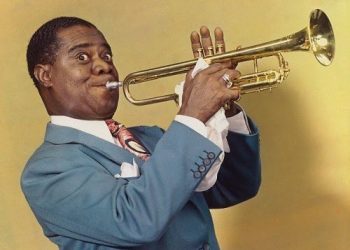
The trumpet, with its bold, brassy tones and unmatched versatility, has been the voice of celebration, sorrow, and triumph for centuries. From the electrifying heights of jazz improvisation to the regal splendor of classical concertos, the trumpet has left an indelible mark on the world of music. Behind this iconic instrument stands an elite group of artists—masters who have pushed boundaries, redefined genres, and inspired generations of music lovers.
In this article, we’ll take you on a thrilling journey through the lives and legacies of the top 15 trumpet players of all time. These virtuosos are not just musicians—they are trailblazers, innovators, and storytellers who have poured their souls into every note. Whether it’s the soulful swing of Louis Armstrong, the dazzling technique of Maurice André, or the avant-garde brilliance of Miles Davis, each artist brings their unique voice to the ever-evolving story of trumpet music.
So, grab your metaphorical front-row seat as we celebrate the artistry, passion, and unparalleled skill of these legends. Whether you’re a seasoned musician, a jazz enthusiast, or simply a lover of great music, this list is sure to leave you inspired and in awe. Let the journey begin!
1. Louis Armstrong
Louis Armstrong, often called the king of jazz, left an indelible mark on the genre, revolutionizing trumpet playing with his unparalleled technical skill and soulful improvisation. Armstrong’s gravelly voice, infectious charisma, and unrelenting passion made him a global music icon. His contributions to jazz were groundbreaking, transforming the trumpet from an accompanying instrument into a powerful voice in the music. With his rich tone and ability to improvise on the fly, Armstrong’s performances were full of life, energy, and emotion. Songs like “What a Wonderful World” and “West End Blues” are perfect examples of his artistry. The former, with its optimistic lyrics and Armstrong’s tender delivery, remains a timeless anthem that resonates with listeners of all generations. On “West End Blues,” Armstrong’s trumpet playing is simply electrifying—his famous opening cadenza has been hailed as one of the greatest moments in jazz history. Armstrong’s influence spread far beyond jazz, inspiring musicians in virtually every genre. His ability to blend humor, heart, and mastery of his instrument set a new standard in music, and to this day, his recordings continue to captivate and inspire. Louis Armstrong’s legacy is one of joy, innovation, and artistic brilliance, making him forever a central figure in the world of music.
2. Miles Davis
Miles Davis stands as one of the most influential and innovative musicians in the history of jazz. A true pioneer, Davis was constantly evolving, pushing the boundaries of music and reshaping jazz with every phase of his career. From the cool, introspective sounds of Kind of Blue to the experimental, electric fusion of Bitches Brew, Davis revolutionized jazz multiple times throughout his life. His trumpet playing was both bold and introspective, always blending technical mastery with emotional depth. Kind of Blue, with its modal jazz approach, became one of the most influential albums of all time, with its relaxed yet sophisticated atmosphere. Davis was a master of creating mood, shifting his musical identity to reflect new ideas and the changing times. He was at the forefront of jazz fusion, blending jazz with rock, funk, and electronic music in Bitches Brew—a move that completely transformed the genre. Davis’s restless pursuit of new sounds and ideas made him a leader in jazz innovation, influencing countless musicians across genres. His ability to reinvent himself while maintaining artistic integrity and pushing the boundaries of jazz is what has cemented his status as a true legend in music.
3. Dizzy Gillespie
Dizzy Gillespie is widely regarded as one of the architects of bebop, the jazz subgenre that revolutionized the genre in the 1940s. With his trademark bent trumpet, puffed cheeks, and energetic performances, Gillespie brought a new level of virtuosity and complexity to jazz. His technical brilliance and groundbreaking compositions—such as the iconic “A Night in Tunisia”—are essential to the bebop movement and helped lay the groundwork for modern jazz. Gillespie’s playing was characterized by intricate melodies and harmonies, using extended chord structures and fast tempos to push the limits of what was previously thought possible on the trumpet. But it wasn’t just his technique that made Gillespie stand out—it was his infectious energy and sense of humor that made him a captivating performer. He had a unique ability to bring joy and humor into his music, making every performance feel spontaneous and full of life. Beyond bebop, Gillespie was also instrumental in bridging jazz with Afro-Cuban rhythms, further enriching the genre. His impact on jazz is immeasurable, influencing generations of musicians and ensuring his place as one of the greats in music history.
4. Clifford Brown
Clifford Brown may have had a tragically short career, but his impact on jazz trumpet playing is profound and enduring. Known for his warm, rich tone and impeccable technique, Brown’s playing elevated the trumpet to new heights in the hard bop era. His technical proficiency was matched only by the beauty and emotional depth of his playing. Brown’s sound was powerful yet lyrical, with a precision that few could replicate. He could easily shift between fast, virtuosic runs and smooth, flowing lines, always keeping the melodic structure at the forefront of his playing. His work with the Clifford Brown and Max Roach Quintet is a shining example of his mastery, with his performances on tracks like “Joy Spring” and “Daahoud” considered jazz trumpet standards. Brown’s music had an infectious optimism to it, a sense of joy that shone through in every note. His tragic death in a car accident at the age of 25 cut short a promising career, but the recordings he left behind continue to inspire trumpet players around the world. Brown’s influence remains alive in modern jazz, and his legacy as one of the great trumpet players endures.
5. Freddie Hubbard
Freddie Hubbard’s fiery trumpet playing and distinctive voice made him one of the leading figures in hard bop and beyond. Known for his technical precision, Hubbard’s playing was bold and emotionally charged, drawing listeners in with every note. His work on landmark albums like Red Clay and Speak No Evil is regarded as some of the finest in jazz. Hubbard’s sound was at once bright and brash, with a sharpness that cut through the ensemble. But it was his ability to blend that technical mastery with deep emotional expression that set him apart. On tracks like “Arietis” and “Crisis,” Hubbard’s trumpet lines soar with intensity and passion, showcasing his ability to navigate complex harmonies and unpredictable rhythms. His collaborations with other jazz legends, such as John Coltrane, Art Davis, and Wayne Shorter, further cemented his reputation as one of the most innovative trumpeters of his generation. Hubbard’s work didn’t just define hard bop; it also helped bridge the gap to more experimental forms of jazz. His contributions to jazz trumpet playing were groundbreaking, and his legacy continues to inspire musicians today. His fiery style and fearless approach to improvisation make him a true jazz icon.
6. Chet Baker
Chet Baker’s smooth, lyrical trumpet playing and hauntingly beautiful voice earned him the nickname “Prince of Cool” and secured his place in jazz history. Known for his introspective, emotive style, Baker’s playing was characterized by a delicate touch, a lightness that contrasted sharply with the more brash, virtuosic approaches of his contemporaries. His performances, often marked by a subtle, understated beauty, drew listeners into a world of melancholic yet serene emotion. Baker’s most famous track, “My Funny Valentine,” showcases his unique ability to bring vulnerability and tenderness to his trumpet playing. His voice, though often fragile and bittersweet, adds another layer of vulnerability to his music, making every song feel deeply personal. Throughout his career, Baker maintained an aura of mystery and introspection, and his recordings continue to captivate listeners with their haunting beauty. His influence can be heard in the work of countless trumpet players who admire his lyricism and ability to convey emotion through his instrument. Despite personal struggles, Baker’s artistry remains unmatched in its elegance and poignancy. His legacy as one of the most captivating jazz trumpeters is secure, with his music still resonating with audiences today.
7. Wynton Marsalis
Wynton Marsalis is a modern-day trumpet virtuoso whose artistry transcends the boundaries of both jazz and classical music. A true ambassador for jazz, Marsalis has dedicated much of his career to preserving the traditions of the genre while also pushing it forward with his own unique voice. His technical mastery is undeniable—his tone is clear, powerful, and precise, and his command of the trumpet is flawless. Marsalis is equally comfortable performing classical trumpet concertos as he is leading a jazz ensemble. His album Black Codes (From the Underground), which explores the intersection of post-bop and modern jazz, highlights his versatility as both a composer and performer. Marsalis’s influence extends beyond his performances; as an educator, he has mentored and inspired countless young musicians, teaching them not only the technical aspects of trumpet playing but also the emotional depth that jazz requires. With numerous Grammys and accolades under his belt, Marsalis is widely recognized as one of the most important figures in jazz today. His contributions to the genre, his commitment to the art of trumpet playing, and his ongoing efforts to nurture the next generation of jazz musicians ensure that his legacy will live on for years to come.
8. Arturo Sandoval
Cuban-born trumpet virtuoso Arturo Sandoval is known for his electrifying technique and his ability to blend multiple musical genres into one seamless sound. A protege of Dizzy Gillespie, Sandoval was influenced by the bebop great, but he didn’t stop there—he incorporated elements of Afro-Cuban rhythms, classical music, and even pop into his work, making him one of the most versatile trumpet players of his generation. His technical prowess on the trumpet is legendary, and his ability to perform both virtuosic jazz improvisations and intricate classical trumpet passages has earned him respect from musicians across genres. Sandoval’s career is a testament to his musical curiosity and dedication to pushing the boundaries of what the trumpet can do. His compositions, such as “A Mis Abuelos” and “Mambo Caliente,” showcase his flair for combining Latin rhythms with jazz improvisation. But Sandoval’s versatility doesn’t end there—he’s collaborated with pop musicians, performed in symphonies, and brought Latin jazz to new audiences around the world. Sandoval’s influence on both Latin and jazz trumpet playing is immeasurable, and his performances continue to captivate listeners with their energy and passion.
9. Lee Morgan
Lee Morgan was a master of the hard bop trumpet style, blending soulful melodies with sophisticated harmonies. Known for his vibrant, emotive playing, Morgan’s sound was full of life, energy, and raw emotion. His most famous composition, “The Sidewinder,” became a jazz standard and is a perfect example of his ability to craft melodies that are both catchy and complex. Morgan’s tone was warm yet bright, with a sense of urgency that made every note feel like it had something important to say. Throughout his career, Morgan worked with many jazz legends, including Art Blakey and Max Roach, but it was his work as a bandleader that truly showcased his artistic voice. His albums with the Blue Note label, like The Sidewinder and Search for the New Land, highlight his innovation and his ability to create music that was at once sophisticated and accessible. Morgan’s playing was full of passion and drive, and his compositions reflect his deep understanding of the jazz tradition while also pushing it forward. Tragically, Morgan’s life was cut short at the age of 33, but his contributions to jazz trumpet remain influential to this day.
10. Maynard Ferguson
Maynard Ferguson was known for his incredible ability to hit extraordinarily high notes on the trumpet, a skill that earned him a reputation as one of the most fearless trumpet players in jazz history. With his trademark high-energy performances and dazzling trumpet solos, Ferguson became a showman in every sense of the word. His work in big bands, particularly with the Stan Kenton Orchestra and his own ensemble, earned him widespread acclaim, but it was his ability to command the trumpet that made him a legend. Ferguson’s technical skill was unmatched, and he could effortlessly play in the stratosphere of the trumpet’s range, delivering notes with precision and power. His rendition of “Gonna Fly Now,” the theme from Rocky, became one of his signature performances and a favorite among audiences. Ferguson’s contributions to jazz were not just limited to his trumpet playing; he was also known for his dynamic compositions and arrangements. His ability to blend traditional jazz with more modern sounds made his work accessible to a broad audience. Maynard Ferguson’s legacy as one of jazz’s most exciting and technically gifted trumpet players remains intact, and his influence on the trumpet world continues to inspire musicians today.
11. Roy Hargrove
Roy Hargrove was a trumpet virtuoso whose influence spanned across jazz, funk, and hip-hop, making him one of the most versatile and innovative musicians of his generation. Hargrove’s trumpet playing was characterized by a warm, full-bodied tone, and an expressive sense of phrasing that made his sound both soulful and sophisticated. His unique ability to blend traditional jazz with contemporary genres allowed him to create a fresh and exciting sound that was both forward-thinking and rooted in the jazz tradition. Hargrove was especially known for his work in the realm of jazz-funk, where he brought an exciting, groovy energy to his playing. His albums, such as Habana and Earfood, showcase his incredible technical skill and versatility, often incorporating elements of Afro-Cuban rhythms, smooth jazz, and hard bop. Beyond his remarkable musicianship, Hargrove had an undeniable charisma that shone through in his performances, whether in intimate settings or on the world’s biggest stages. Throughout his career, he collaborated with a wide range of artists, including D’Angelo, Herbie Hancock, and Marcus Miller, solidifying his place as one of the most influential trumpet players of the modern jazz era. Roy Hargrove’s legacy continues to inspire musicians in many genres, as his ability to seamlessly bridge the gap between jazz, funk, and hip-hop remains unmatched.
12. Bix Beiderbecke
Bix Beiderbecke was a groundbreaking figure in the early days of jazz, renowned for his lyrical and introspective trumpet playing that stood in stark contrast to the more brash, bold style of many of his contemporaries. His tone was smooth and sweet, with a sense of melancholy that set him apart from the raucousness of other early jazz musicians. Beiderbecke’s approach to the trumpet was more subdued and subtle, yet deeply expressive, making him one of the first musicians to bring a sense of sophistication and emotional depth to jazz. His compositions, such as “In a Mist” and “Singin’ the Blues,” are still revered for their innovation and beauty. Beiderbecke was a true pioneer, especially in terms of his improvisational approach, laying the groundwork for the more melodic and harmonic structures that would define the future of jazz. Though his career was cut short by alcoholism at the age of 28, his contributions to jazz were profound and lasting. He was one of the first to challenge traditional jazz forms and paved the way for the cool jazz movement that would come decades later. His music continues to be celebrated by jazz enthusiasts for its lyrical quality, emotional depth, and artistic vision. Bix Beiderbecke remains an enduring figure in jazz history, and his influence can still be heard in trumpet playing today.
13. Chris Botti
Chris Botti is a contemporary jazz trumpet player whose smooth, cinematic sound has captivated audiences around the world. Known for his velvety tone and ability to infuse jazz with elements of pop and classical music, Botti’s approach to the trumpet is both sophisticated and accessible. His ability to convey deep emotion through every note he plays has made him a standout in the world of modern jazz. Albums like Impressions and To Love Again highlight his ability to seamlessly blend jazz with orchestral arrangements, pop sensibilities, and even elements of world music. Botti’s collaborations with artists such as Sting, Barbra Streisand, and Andrea Bocelli have earned him widespread recognition and acclaim, introducing his trumpet sound to a broader audience beyond the traditional jazz fanbase. His style is characterized by a smooth, almost haunting tone that exudes warmth and intimacy, allowing him to connect with his listeners on an emotional level. Botti’s virtuosity is in his subtlety—his ability to hold a single note for what feels like an eternity, creating tension and release that captivates the listener. His trumpet playing transcends genres, blending jazz with pop, classical, and even contemporary styles to create something truly unique. Chris Botti’s impact on modern jazz is undeniable, and his legacy continues to grow as he pushes the boundaries of trumpet performance.
14. Hugh Masekela
Hugh Masekela was a South African trumpeter whose music became a powerful tool for activism and social change. With his unique fusion of jazz, African rhythms, and funk, Masekela crafted a sound that resonated far beyond the jazz world. He used his music as a platform to speak out against the apartheid regime in South Africa, and his hit song “Grazing in the Grass” became an international anthem of hope and resilience. Masekela’s trumpet playing was characterized by its raw energy and emotional intensity. Whether performing with his big band or in smaller settings, his sound was bold, brash, and full of life, capturing the spirit of resistance and optimism in his native South Africa. Masekela’s ability to blend jazz with traditional African music helped introduce African rhythms to the jazz world, expanding the genre’s vocabulary and scope. His music was not only a source of artistic innovation but also a vehicle for political expression. Throughout his career, Masekela worked with a wide array of artists, including Paul Simon and Harry Belafonte, further cementing his place in the global music scene. Hugh Masekela’s legacy as both a musician and an activist remains strong, as his music continues to inspire and move people around the world, offering both joy and a call for social justice.
15. Doc Severinsen
Doc Severinsen is one of the most recognizable trumpet players in the world, thanks to his decades-long tenure as the bandleader on The Tonight Show Starring Johnny Carson. Known for his flashy outfits, charismatic stage presence, and virtuosic trumpet playing, Severinsen became a household name and a symbol of jazz trumpet excellence. His playing is characterized by its technical brilliance, razor-sharp articulation, and impeccable control, particularly in his upper register, where he could hit the highest notes with ease. Severinsen’s approach to trumpet playing is both bold and precise, with a sense of daring that made him one of the most thrilling trumpet players to watch live. Beyond his work on The Tonight Show, Severinsen has had a successful career as a bandleader, solo artist, and educator. His work with the Doc Severinsen Orchestra and his collaborations with artists like Frank Sinatra and Tony Bennett have showcased his versatility and adaptability across genres. Severinsen’s trumpet playing continues to inspire musicians around the world, and his contributions to jazz, big band, and pop music are widely celebrated. His infectious personality and love for music have made him a beloved figure in the jazz community, and his legacy as one of the great trumpet players of the 20th century endures to this day.

Edward Tomlin is a frequent contributor to Singers Room. Since 2005, Singersroom has been the voice of R&B around the world. Connect with us via social media below.