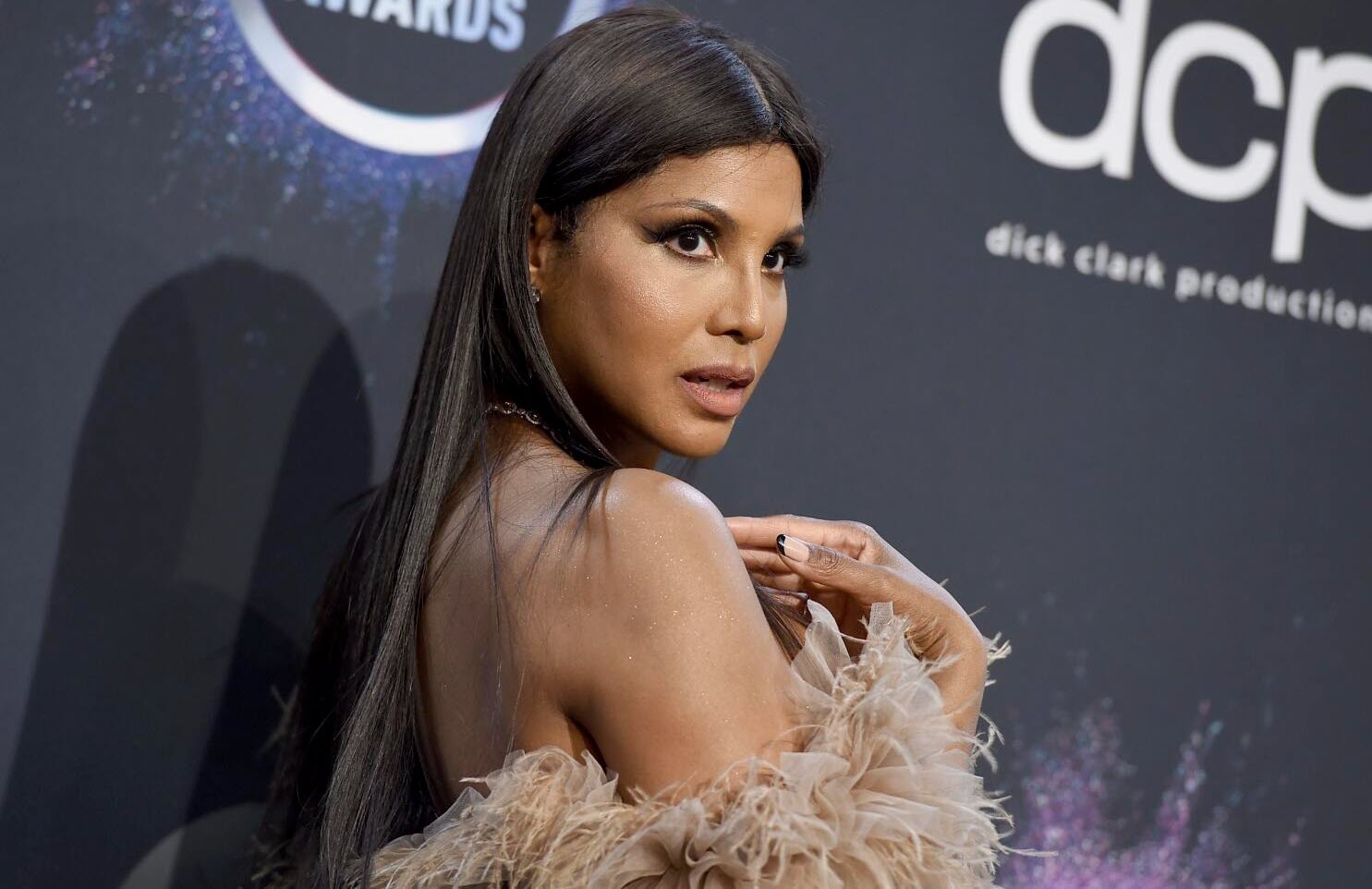
Toni Braxton—the name alone evokes a sense of timeless elegance, sultry vocals, and powerful emotion. With her unmistakable contralto voice and a career spanning decades, Toni Braxton has cemented herself as one of the most iconic R&B artists of all time. From heartbreaking ballads to chart-topping anthems, her music has been a soundtrack to love, heartbreak, and resilience for millions of fans around the world.
Whether you’re a long-time admirer or someone just discovering her breathtaking artistry, this list of Toni Braxton’s top 10 most popular songs is a celebration of her incredible legacy. These tracks not only showcase her vocal prowess but also highlight her ability to connect deeply with listeners through poignant lyrics and unforgettable melodies.
From the sultry “You’re Makin’ Me High” to the soulful classic “Un-Break My Heart,” each song on this list captures the essence of Toni Braxton’s artistry. It’s a journey through love, pain, and redemption, all delivered with the grace and power that only Toni can bring. So, sit back, turn up the volume, and get ready to relive the magic of Toni Braxton’s greatest hits—one unforgettable note at a time!
1. Un-Break My Heart (1996)
Toni Braxton’s “Un-Break My Heart” is one of the most emotional and powerful ballads in music history. Released in 1996 as part of her album Secrets, the song became an instant classic, topping the Billboard Hot 100 for 11 consecutive weeks. Written by the legendary Diane Warren, the lyrics tell a heartbreaking story of love lost, with Braxton pleading for her lover to return and heal her pain. The song’s orchestral arrangement, combined with Braxton’s deep, velvety vocals, creates an atmosphere of sorrow and longing that resonates with anyone who has experienced heartbreak.
One of the most defining moments in the song is its soaring chorus, where Braxton’s voice reaches emotional heights that send chills down the spine. Her ability to convey deep sadness and vulnerability sets this track apart from other breakup songs. The dramatic key changes and lush instrumentation add to its timeless appeal, making it one of the most requested love songs of the 1990s.
“Un-Break My Heart” was a massive commercial success, winning a Grammy Award for Best Female Pop Vocal Performance. Even decades later, it remains a staple in Braxton’s live performances and a defining track in R&B and pop music history.
2. Breathe Again (1993)
Released in 1993, “Breathe Again” was one of Toni Braxton’s early hits from her self-titled debut album. The song, written and produced by Babyface and L.A. Reid, showcases Braxton’s ability to blend deep emotion with lush, sophisticated production. The lyrics paint a picture of intense heartbreak, with the singer struggling to move on from a lost love, wondering if she can ever “breathe again” without them.
Braxton’s sultry, husky voice delivers the song with raw vulnerability, making it one of the most poignant breakup anthems of the 1990s. The orchestral arrangement, featuring dramatic strings and soft piano melodies, creates a dreamlike atmosphere that perfectly complements the song’s aching lyrics. Unlike some of her more dramatic ballads, “Breathe Again” has an understated elegance, making it even more powerful in its simplicity.
The song was a commercial and critical success, earning a Grammy nomination and solidifying Braxton’s status as one of R&B’s leading voices. It became a staple on adult contemporary and R&B radio stations, further proving that her music had a universal appeal. “Breathe Again” remains one of Braxton’s most beloved songs, continuing to resonate with listeners who have experienced the pain of lost love.
3. He Wasn’t Man Enough (2000)
Toni Braxton took a bold, confident turn in 2000 with the release of “He Wasn’t Man Enough,” an empowering anthem from her album The Heat. Unlike the heart-wrenching ballads that defined much of her earlier work, this track showcased a more playful, assertive side of Braxton. Produced by Rodney “Darkchild” Jerkins, the song features an infectious beat, smooth synths, and an irresistible groove that made it a dance-floor favorite.
Lyrically, “He Wasn’t Man Enough” flips the typical breakup narrative. Instead of dwelling on heartbreak, Braxton addresses her ex’s new partner, essentially saying, “You can have him—I moved on because he wasn’t good enough for me.” The song’s sassy, self-assured tone struck a chord with fans, particularly women who had found themselves in similar situations. Her vocals are both sultry and powerful, gliding effortlessly over the upbeat instrumental.
The song became one of Braxton’s biggest hits, peaking at No. 2 on the Billboard Hot 100 and winning the Grammy Award for Best Female R&B Vocal Performance. Its music video, featuring a dramatic confrontation between Braxton and her ex’s new love interest, further added to its appeal. Even today, “He Wasn’t Man Enough” remains a go-to anthem for anyone walking away from a relationship with their confidence intact.
4. Another Sad Love Song (1993)
“Another Sad Love Song” was the track that introduced the world to Toni Braxton’s signature deep, sultry voice. Released in 1993 as the lead single from her self-titled debut album, the song is a smooth, jazzy R&B ballad that perfectly captures the lingering pain of heartbreak. Written and produced by Babyface and L.A. Reid, it tells the story of a woman who can’t escape memories of a lost love, with every song on the radio reminding her of the relationship that ended.
The production is both sophisticated and soulful, blending lush piano chords with a subtle groove that allows Braxton’s voice to shine. Her vocal delivery is filled with longing and frustration, making the song deeply relatable for anyone who has struggled to move on from a breakup. The way she sings “It’s just another sad love song racking my brain like crazy” makes the listener feel every ounce of emotion behind the lyrics.
The song was a major success, reaching No. 2 on the Billboard Hot R&B Singles chart and earning Braxton her first Grammy Award for Best Female R&B Vocal Performance. It was a defining moment in her career, setting the stage for her rise as one of the greatest voices in R&B.
5. You’re Makin’ Me High (1996)
In 1996, Toni Braxton took a sultry turn with “You’re Makin’ Me High,” a seductive and intoxicating track from her album Secrets. Unlike her earlier heartbreak-driven ballads, this song exudes passion and desire, marking a shift toward a more sensual, confident style. The track was written and produced by Babyface, but its distinct groove and hypnotic beat were the result of additional production by Bryce Wilson of Groove Theory.
Lyrically, the song captures the overwhelming emotions of desire and infatuation, as Braxton sings about the electrifying effect someone has on her. The steamy lyrics, combined with the song’s hypnotic bassline and layered harmonies, create an irresistibly sultry atmosphere. Braxton’s vocal performance is both smooth and commanding, perfectly balancing control and emotion.
“You’re Makin’ Me High” was a massive hit, becoming Braxton’s first No. 1 single on the Billboard Hot 100. It also won a Grammy Award for Best Female R&B Vocal Performance, further solidifying her status as an R&B powerhouse. The song’s provocative music video, featuring Braxton and her friends selecting men from a “fantasy elevator,” added to its appeal. Decades later, “You’re Makin’ Me High” remains one of her most beloved and recognizable songs.
6. Let It Flow (1995)
“Let It Flow” is one of Toni Braxton’s most effortlessly soothing and introspective songs. Released in 1995 as part of the Waiting to Exhale soundtrack, the track was written and produced by Babyface, whose signature smooth, heartfelt style perfectly complements Braxton’s velvety vocals. The song later appeared on the international edition of her Secrets album, further solidifying its place as one of her most cherished hits.
Lyrically, “Let It Flow” is a message of acceptance and release. It speaks to the pain of holding on to a love that is no longer working and the necessity of letting go to find peace. “Let it flow, let it go” is the song’s mantra, encouraging listeners to stop fighting against heartbreak and instead embrace the freedom that comes with moving on. Braxton’s voice carries a deep, soulful warmth throughout, making every lyric feel personal and poignant.
Musically, the song features a relaxed, almost hypnotic groove, with gentle guitar strumming and subtle percussion that enhance its serene atmosphere. The understated instrumentation allows Braxton’s vocals to take center stage, delivering a performance that is equal parts delicate and powerful. “Let It Flow” became a fan favorite, resonating with anyone who has ever struggled to walk away from a difficult relationship. Its calming yet emotionally charged nature makes it one of the standout tracks from Braxton’s career, proving that sometimes, simplicity is the key to timeless music.
7. How Could an Angel Break My Heart (1996)
Toni Braxton delivered one of her most heartbreaking ballads with “How Could an Angel Break My Heart,” a track from her 1996 album Secrets. Co-written by Babyface and Braxton herself, this song is a deeply emotional reflection on betrayal and lost love. Unlike her powerhouse vocal performances on tracks like “Un-Break My Heart,” this song takes a softer, more sorrowful approach, drawing listeners into its haunting melody and vulnerable lyrics.
The song tells the story of a woman who cannot comprehend why someone she loved so deeply would leave her for another. The imagery of an “angel” breaking her heart adds a poetic and almost tragic touch to the lyrics, emphasizing the depth of her devastation. Braxton’s delivery is breathtakingly raw, filled with quiet pain rather than dramatic outbursts. Her voice glides smoothly over the melancholy arrangement, which features gentle piano, sweeping strings, and a mournful saxophone solo by Kenny G, adding to the song’s emotional weight.
While “How Could an Angel Break My Heart” wasn’t released as a major single in the U.S., it became a favorite among Braxton’s fans, particularly those drawn to her ability to convey deep sorrow through music. The song’s universal theme of heartbreak and its elegant, sophisticated sound have kept it relevant for decades, proving once again why Braxton remains one of the most emotionally compelling voices in R&B.
8. I Don’t Want To (1997)
“I Don’t Want To,” released in 1997 from the Secrets album, is one of Toni Braxton’s most tender and soul-stirring ballads. Written by R. Kelly, the song tells the story of someone grappling with the pain of a failing relationship, torn between holding on and letting go. Unlike some of Braxton’s more dramatic heartbreak songs, this one is understated yet profoundly moving, showcasing her ability to deliver raw emotion with just a few words.
The song’s lyrics express a deep sense of longing and reluctance to move on. Lines like “I don’t want to feel another touch, I don’t want to start another fire” capture the heartbreak of not wanting to replace a love that still lingers in the heart. Braxton’s delivery is delicate and intimate, as though she’s confiding in the listener, making the song feel deeply personal.
The instrumentation is stripped-down, with gentle piano chords and soft background harmonies that create an atmosphere of quiet sorrow. Braxton’s voice, rich with emotion, is the focal point, effortlessly conveying both strength and vulnerability. Though it wasn’t one of her biggest chart-topping hits, “I Don’t Want To” remains one of her most beloved songs among fans, especially those who appreciate the softer, more introspective side of her music. Its haunting beauty and heartfelt lyrics make it a timeless gem in her discography.
9. Seven Whole Days (1993)
“Seven Whole Days” is a standout track from Toni Braxton’s self-titled debut album, released in 1993. Written by Babyface, L.A. Reid, and Daryl Simmons, the song captures the frustration and heartbreak of feeling neglected in a relationship. With its bluesy undertones and Braxton’s signature deep, sultry vocals, this track stands out as one of the rawest expressions of emotional pain in her catalog.
The song’s lyrics chronicle a woman who has been ignored by her lover for a week, leaving her to question the state of their relationship. “Seven whole days and not a word from you” becomes the haunting refrain, as Braxton expresses both anger and sorrow. Her voice is rich with emotion, effortlessly conveying the torment of waiting in silence, unsure if love still exists. Unlike some of her more orchestrated ballads, this song leans into a stripped-down, groove-heavy sound, with subtle instrumentation that allows Braxton’s vocal delivery to shine.
Musically, “Seven Whole Days” has a strong R&B and jazz-infused influence, featuring smooth bass lines, light percussion, and delicate piano flourishes. The song’s structure builds tension, mirroring the frustration of the lyrics. Braxton’s vocal performance is powerful yet controlled, balancing strength with vulnerability. The song resonated with many fans who had experienced similar situations, making it an anthem of emotional endurance.
Though it wasn’t one of Braxton’s biggest commercial hits, “Seven Whole Days” remains one of her most beloved deep cuts. Its slow-burning intensity and poignant storytelling make it a classic that showcases her ability to make heartbreak feel both deeply personal and universally relatable. It’s a song that continues to resonate with anyone who has ever felt the pain of being ignored by someone they love.
10. Love Shoulda Brought You Home (1992)
“Love Shoulda Brought You Home” was the song that introduced Toni Braxton to the world. Released in 1992 as part of the Boomerang movie soundtrack, this emotional ballad set the stage for her legendary career. Written by Babyface, Daryl Simmons, and Bo Watson, the song was originally intended for Anita Baker, but when she passed on it, the opportunity fell to the then-unknown Braxton. With her rich, velvety voice, she turned it into an unforgettable classic.
The song’s lyrics tell the story of a woman confronting her unfaithful lover, pointing out that if he truly cared, he would have come home instead of spending the night elsewhere. The title itself is a direct reference to a pivotal scene in Boomerang, making the song even more impactful. Braxton’s delivery is both sorrowful and defiant, balancing heartache with a quiet strength that makes the song deeply compelling.
Musically, “Love Shoulda Brought You Home” is a perfect blend of smooth R&B and pop, featuring gentle piano, soft percussion, and subtle strings that create an intimate atmosphere. Braxton’s vocals take center stage, weaving between delicate whispers and powerful, soaring notes that highlight her incredible range.
Although the song wasn’t a massive chart-topper, it played a crucial role in launching Braxton’s career, introducing the world to her unique sound and emotional depth. It also helped establish her as one of Babyface’s protégés, leading to her iconic debut album the following year. Even decades later, “Love Shoulda Brought You Home” remains a defining song in Braxton’s discography, a testament to her ability to turn heartache into beautiful, timeless music.

Edward Tomlin is a frequent contributor to Singers Room. Since 2005, Singersroom has been the voice of R&B around the world. Connect with us via social media below.









