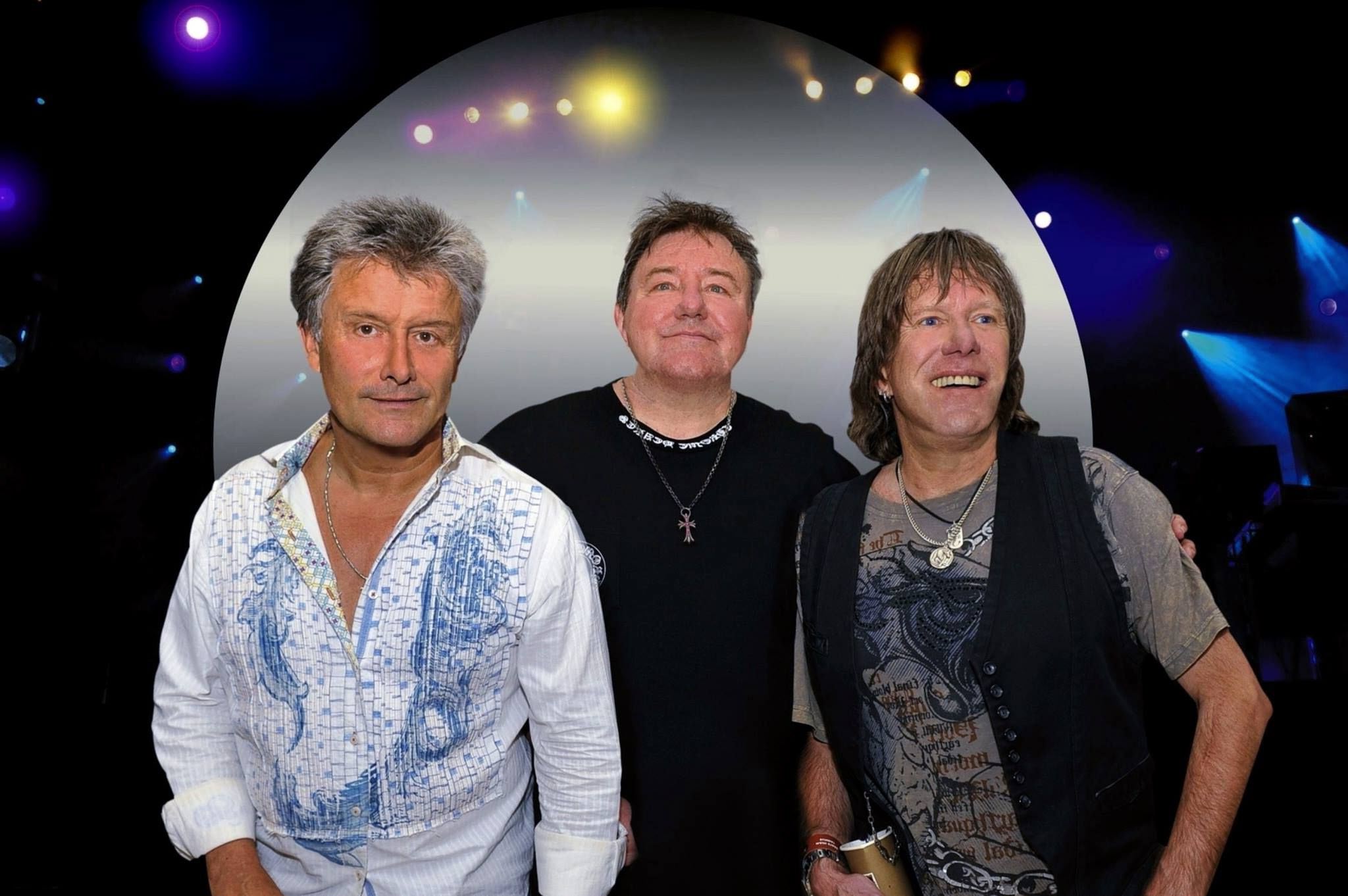
Few bands in the history of progressive rock have achieved the legendary status of Emerson, Lake & Palmer. Known for their breathtaking virtuosity, groundbreaking compositions, and larger-than-life stage presence, ELP defined an era of musical innovation that still resonates with fans today. Formed in 1970, the trio of Keith Emerson, Greg Lake, and Carl Palmer fused classical influences, rock anthems, and experimental soundscapes to create a sound unlike anything the world had heard before. From soaring keyboard solos to intricate drum patterns and heartfelt lyrics, their music is a testament to the boundless possibilities of rock.
In this article, we’ll delve into the top 10 most popular Emerson, Lake & Palmer songs of all time, celebrating the masterpieces that have transcended generations. Whether you’re a lifelong fan or new to the symphonic grandeur of ELP, this list promises to take you on an unforgettable journey through some of the band’s most iconic moments. From the electrifying energy of their live performances to the introspective beauty of their ballads, these songs showcase why ELP stands as one of the most influential bands in rock history. Get ready to rediscover the timeless magic of Emerson, Lake & Palmer!
1. Lucky Man (1970)
“Lucky Man” is one of the most iconic songs in Emerson, Lake & Palmer’s catalog and a defining piece of early progressive rock. Written by Greg Lake when he was just 12 years old, the song tells the poignant tale of a man who seemingly has everything—wealth, power, and privilege—only to meet a tragic end. Its narrative explores the idea that fortune and success do not always equate to true happiness or security.
Musically, the song stands out for its simplicity, featuring a gentle acoustic guitar melody and Lake’s emotive, haunting vocals. Unlike much of ELP’s other work, which leaned heavily into complex compositions and elaborate instrumentation, “Lucky Man” is relatively straightforward. However, the track takes a dramatic turn in the final moments with Keith Emerson’s groundbreaking synthesizer solo. His use of the Moog synthesizer created an eerie, futuristic sound that was revolutionary for its time, adding a sense of grandeur and finality to the song’s tragic ending.
Over the years, “Lucky Man” has remained a fan favorite and a staple of classic rock radio. Its blend of folk storytelling, emotional depth, and pioneering synth work makes it an enduring masterpiece in progressive rock history.
2. Karn Evil 9 (1973)
“Karn Evil 9” is a sprawling, multi-part epic that epitomizes Emerson, Lake & Palmer’s ambitious approach to progressive rock. Featured on their 1973 album Brain Salad Surgery, this 30-minute suite is divided into three “impressions,” each offering a different musical and thematic exploration. It presents a dystopian, futuristic vision where technology, entertainment, and human existence collide in an elaborate spectacle.
The song’s most famous line, “Welcome back my friends to the show that never ends,” became synonymous with the band, often serving as an introduction to their concerts. The first impression features an exhilarating mix of Carl Palmer’s rapid-fire drumming, Greg Lake’s commanding vocals, and Keith Emerson’s dazzling keyboard runs. The instrumental complexity of the piece showcases the band’s extraordinary musicianship, seamlessly blending rock, jazz, and classical influences.
As the song progresses, the themes become darker, questioning the role of technology and the dehumanization of society. The climactic battle between man and machine is conveyed through Emerson’s aggressive synth work and the increasingly chaotic arrangement. “Karn Evil 9” is more than just a song—it’s a theatrical, mind-bending journey that cements ELP’s place as one of the most innovative bands of the era.
3. From the Beginning (1972)
“From the Beginning” is one of Emerson, Lake & Palmer’s most introspective and beautifully crafted songs. Featured on their 1972 album Trilogy, this song stands apart from the band’s more grandiose, keyboard-driven compositions, instead offering a more delicate and intimate listening experience.
Greg Lake’s acoustic guitar work is the song’s centerpiece, providing a warm and intricate melody that sets the tone for its reflective lyrics. His soft yet expressive vocals add a layer of vulnerability, making the song feel deeply personal. The lyrics explore themes of regret, love, and self-realization, giving listeners a glimpse into Lake’s thoughtful songwriting style.
While the majority of the song remains in a mellow, folk-like atmosphere, Keith Emerson introduces subtle yet striking synthesizer flourishes toward the end, adding a touch of the band’s signature progressive flair. This fusion of folk-inspired songwriting with tasteful electronic embellishments makes “From the Beginning” a unique and captivating piece.
Despite its understated nature compared to ELP’s more elaborate works, “From the Beginning” became one of their most commercially successful tracks. It remains a fan favorite and a testament to the band’s ability to create music that is both intricate and emotionally resonant.
4. Tarkus (1971)
“Tarkus” is one of Emerson, Lake & Palmer’s most ambitious and groundbreaking compositions. The title track of their 1971 album, it is a 20-minute suite that unfolds in seven interconnected movements, each telling a surreal and allegorical story of conflict, evolution, and destruction. The song’s bizarre narrative revolves around a futuristic, armored armadillo-tank hybrid named Tarkus, battling various other creatures in a dystopian world.
Musically, “Tarkus” is a tour de force of progressive rock, featuring Keith Emerson’s masterful keyboard work, Carl Palmer’s dynamic drumming, and Greg Lake’s commanding vocals. The opening section, “Eruption,” immediately sets the tone with a thunderous organ riff, propelling the listener into a complex landscape of shifting time signatures and intense musical interplay. As the piece progresses through its various sections, the band seamlessly blends classical influences with hard rock energy, jazz-inspired improvisation, and haunting melodic passages.
While the song’s cryptic story has sparked endless fan interpretations, its musical brilliance is undeniable. “Tarkus” solidified ELP’s reputation as pioneers of progressive rock, pushing the boundaries of what rock music could achieve. Even today, it remains one of the band’s most revered and daring compositions.
5. Fanfare for the Common Man (1977)
“Fanfare for the Common Man” is Emerson, Lake & Palmer’s powerful interpretation of Aaron Copland’s classical composition, released on their 1977 album Works Volume 1. This instrumental track takes Copland’s patriotic, orchestral fanfare and transforms it into a larger-than-life rock anthem, brimming with energy and grandeur.
Keith Emerson’s keyboards dominate the arrangement, using synthesizers and organ to create a bold, brass-like sound that mimics the original orchestral score. Carl Palmer’s drumming is equally commanding, adding a dynamic, almost militaristic rhythm that gives the piece an undeniable sense of movement. Greg Lake’s bass work provides the foundation, ensuring that the track remains both melodic and deeply rhythmic.
One of the most remarkable aspects of this version is its ability to retain the dignified, uplifting spirit of Copland’s original while injecting a modern rock sensibility. The song became an unexpected hit, resonating with audiences beyond the progressive rock scene. It was frequently used in sports broadcasts, public events, and even Olympic ceremonies, cementing its status as an anthem of strength and perseverance. “Fanfare for the Common Man” remains one of ELP’s most recognizable and celebrated works, a stunning fusion of classical grandeur and rock power.
6. Still…You Turn Me On (1973)
“Still…You Turn Me On” is one of the most tender and introspective songs in Emerson, Lake & Palmer’s discography. Featured on their 1973 album Brain Salad Surgery, this ballad offers a striking contrast to the album’s more complex and bombastic tracks. It showcases Greg Lake’s ability to craft emotionally resonant songs with simple yet poignant lyrics.
The song opens with delicate acoustic guitar work, immediately setting a mellow and reflective tone. Lake’s smooth, soulful vocals carry the melody with warmth, singing about love, longing, and the passage of time. The lyrics are deeply personal, painting a picture of a relationship that continues to captivate and inspire despite challenges and uncertainty.
While primarily a folk-inspired ballad, the track does not completely abandon ELP’s progressive tendencies. Keith Emerson subtly incorporates synthesizer textures that add an ethereal quality to the song, while Carl Palmer’s restrained percussion gives it a steady pulse. This balance between intimacy and sophistication makes “Still…You Turn Me On” one of the standout moments on the album.
Despite not being released as a single, the song remains a favorite among fans, proving that ELP could be just as compelling in their softer, more heartfelt moments as they were in their grand, theatrical compositions.
7. Trilogy (1972)
“Trilogy,” the title track from ELP’s 1972 album, is a stunning example of their ability to blend classical, rock, and jazz influences into a seamless musical journey. The song is structured in multiple sections, each offering a different mood and sonic texture, making it a quintessential progressive rock epic.
It begins with a soft, elegant piano melody, played by Keith Emerson, which exudes a classical sophistication. Greg Lake’s vocals enter gently, adding an air of vulnerability and introspection. As the song builds, it transitions into a more rhythmic, jazzy section, with Lake’s acoustic guitar and Carl Palmer’s intricate drumming complementing the shifting dynamics.
The song then takes a dramatic turn, exploding into a high-energy instrumental section driven by Emerson’s dazzling keyboard work. His rapid synthesizer runs and bombastic organ chords propel the song to new heights, creating an exhilarating sense of urgency. This contrast between serenity and chaos is what makes “Trilogy” so compelling.
Though often overshadowed by other ELP epics, “Trilogy” remains one of their most musically intricate and emotionally rich compositions. It showcases the band’s technical brilliance while also highlighting their ability to craft deeply engaging and unpredictable musical narratives.
8. The Barbarian (1970)
As the opening track on Emerson, Lake & Palmer’s self-titled debut album, “The Barbarian” is an intense and dramatic statement of intent. It immediately establishes ELP as a band willing to push boundaries by blending classical influences with hard rock energy. The song is an adaptation of Béla Bartók’s Allegro barbaro, transformed into a thunderous, electrifying instrumental piece.
Keith Emerson’s ferocious organ riff sets the tone, delivering a dark and menacing sound reminiscent of early heavy metal. Greg Lake’s distorted bass adds to the raw, aggressive atmosphere, while Carl Palmer’s drumming is thunderous and relentless, driving the track forward with a sense of urgency. Midway through, the piece shifts into a softer, piano-driven section before launching back into its powerful climax.
“The Barbarian” is a perfect showcase of ELP’s signature style—bold, dramatic, and unapologetically complex. It introduced listeners to their unique approach to progressive rock, demonstrating their willingness to experiment with classical compositions in a way that felt both innovative and visceral. As the album’s opener, it left no doubt that ELP was unlike any other band of their era.
9. Knife-Edge (1970)
“Knife-Edge” is one of the standout tracks from Emerson, Lake & Palmer’s 1970 debut album, blending classical influences with dark, brooding rock intensity. The song is based on themes from the Czech composer Leoš Janáček’s Sinfonietta and J.S. Bach’s French Suite No. 1 in D Minor, but ELP transforms these classical pieces into a dramatic and ominous progressive rock anthem.
Greg Lake’s powerful and commanding vocals take center stage, delivering lyrics that evoke a sense of unease and chaos. The song’s title perfectly encapsulates its tone—there’s a palpable tension in the music, as if teetering on the edge of something dangerous. Keith Emerson’s Hammond organ work is particularly striking, creating an eerie, almost cinematic atmosphere, while Carl Palmer’s drumming adds an urgent, driving force.
One of the song’s most unique features is its unpredictable shifts in tempo and dynamics. The instrumental break is filled with swirling organ melodies and heavy basslines, building suspense before the song reaches its dramatic conclusion. “Knife-Edge” is a prime example of ELP’s ability to take classical motifs and reimagine them within a rock framework, making it one of their most compelling early tracks.
10. Hoedown (1972)
“Hoedown,” from Emerson, Lake & Palmer’s 1972 album Trilogy, is a thrilling, high-energy reinterpretation of Aaron Copland’s Rodeo, transforming the classical piece into a dazzling prog-rock showcase. ELP’s version takes the spirit of the American West and infuses it with a relentless drive and intricate musicianship, making it one of the most electrifying instrumentals in their catalog.
Keith Emerson’s keyboards dominate the track, with rapid-fire organ and synthesizer lines that capture the excitement of a fast-paced rodeo. His virtuosic playing is matched by Carl Palmer’s energetic drumming, which keeps the momentum at a breakneck speed. Greg Lake’s bass provides a solid foundation, adding depth to the complex arrangement.
The band’s arrangement of “Hoedown” is nothing short of exhilarating, filled with unexpected twists and turns that showcase their ability to blend classical influences with rock intensity. It quickly became a live favorite, often serving as a rousing concert opener. The song’s infectious energy and technical brilliance make it a perfect example of how ELP could take well-known classical pieces and transform them into something fresh, bold, and uniquely their own.

Edward Tomlin is a frequent contributor to Singers Room. Since 2005, Singersroom has been the voice of R&B around the world. Connect with us via social media below.









