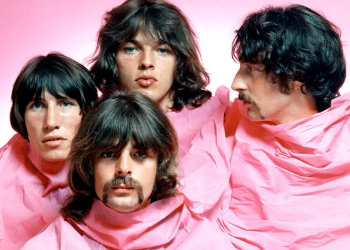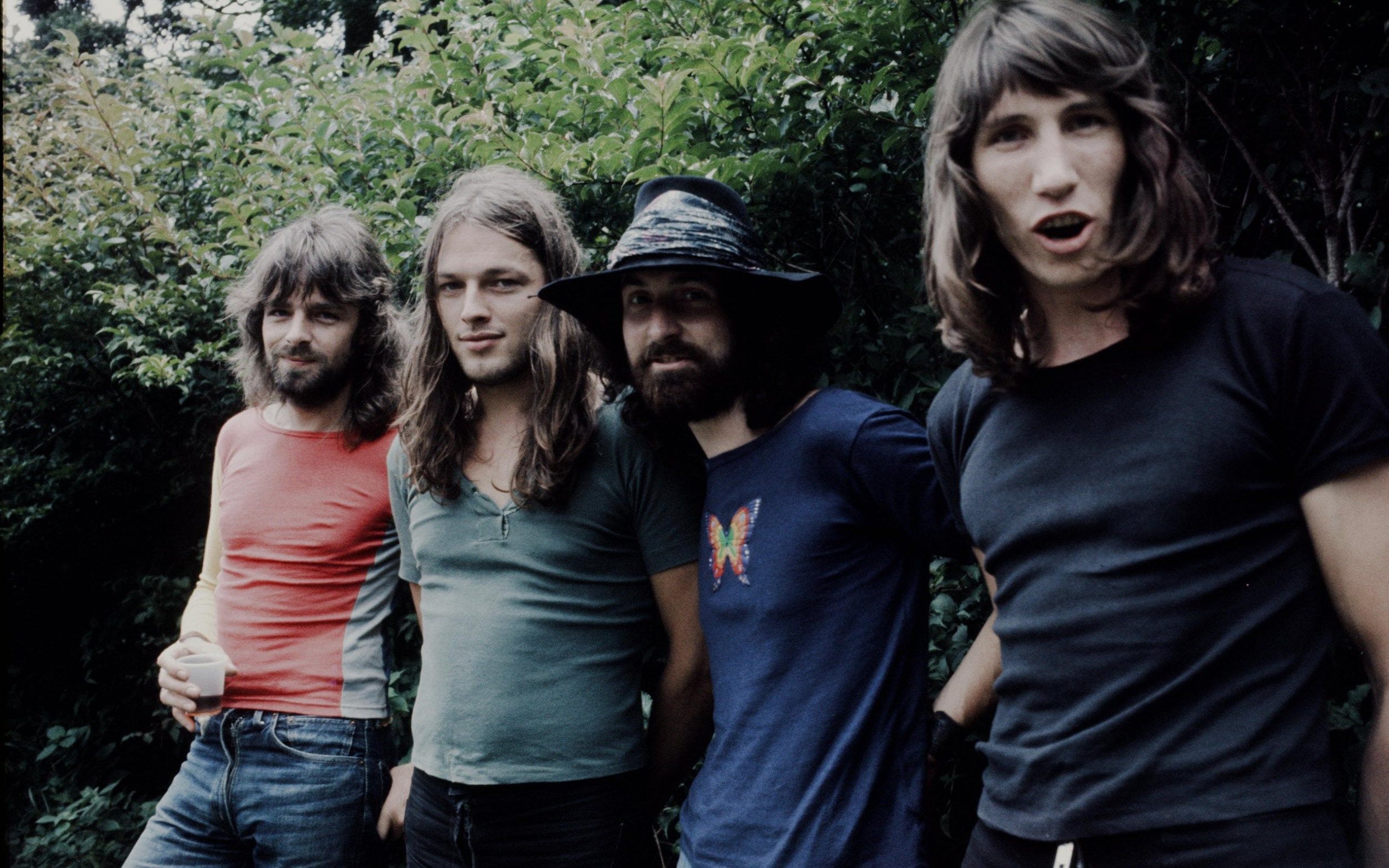
Few bands in the history of rock music have achieved the legendary status of Pink Floyd. Known for their mesmerizing fusion of progressive rock, psychedelic sounds, and deeply evocative lyrics, Pink Floyd created a musical legacy that has influenced generations of artists and fans alike. From their early experimental days with Syd Barrett at the helm to their later triumphs under the creative genius of Roger Waters and David Gilmour, the band’s journey is a masterclass in evolution and artistry.
With a discography spanning decades, Pink Floyd’s music transcends time, offering listeners a profound exploration of human emotion, social commentary, and cosmic wonder. Their songs invite us to delve into themes of alienation, war, mental health, and the pursuit of meaning, all while enveloping us in lush, otherworldly soundscapes. Tracks like Comfortably Numb and Wish You Were Here are not just songs—they’re emotional odysseys that resonate deeply with listeners.
In this article, we celebrate the 10 most popular Pink Floyd songs of all time. Whether you’re a lifelong fan or a newcomer eager to explore their catalog, prepare to embark on a sonic journey through some of the most iconic and unforgettable tracks in rock history. Let the music take you away!
1. Wish You Were Here (1975)
A deeply emotional tribute to former bandmate Syd Barrett, “Wish You Were Here” stands as one of Pink Floyd’s most poignant and universally cherished songs. Released as the title track of their 1975 album, the song encapsulates themes of absence, disillusionment, and longing. From its hauntingly atmospheric intro—where a distant, crackling radio fades into David Gilmour’s acoustic strumming—to its powerful lyrical message, every element is crafted to evoke a sense of loss and nostalgia.
The song’s lyrics, penned by Roger Waters, reflect on Barrett’s departure from the band and his struggles with mental health. Yet, the meaning extends beyond Barrett’s story, resonating with anyone who has ever felt disconnected from someone or something they once held dear. Lines like “We’re just two lost souls swimming in a fishbowl, year after year” capture the feeling of stagnation and yearning for something more.
Musically, “Wish You Were Here” features a delicate interplay between acoustic and electric guitars, blending seamlessly with Richard Wright’s subtle keyboard layers. The song’s melancholic yet comforting melody has made it a staple for fans and an enduring classic in rock history. Whether heard in solitude or shared among friends, “Wish You Were Here” continues to evoke deep emotions decades after its release.
2. Comfortably Numb (1979)
“Comfortably Numb” is widely regarded as one of Pink Floyd’s greatest achievements, blending raw emotional storytelling with soaring musicality. Featured on The Wall (1979), the song is a haunting exploration of alienation, detachment, and the struggle between reality and emotional numbness. The interplay between Roger Waters’ stark, almost spoken verses and David Gilmour’s powerful, melodic chorus creates an unforgettable contrast that elevates the song’s dramatic intensity.
Lyrically, the song follows the perspective of a rock star who has become completely disconnected from his emotions and reality, a theme that reflects Waters’ own experiences with the pressures of fame. The lyrics depict a doctor administering medication to keep the protagonist functional, highlighting the dehumanizing aspects of the music industry and mental health struggles.
Musically, “Comfortably Numb” is defined by its two legendary guitar solos, performed by Gilmour. The first solo is delicate and expressive, setting the stage for the song’s introspective mood. The second, soaring and climactic, is often hailed as one of the greatest guitar solos in rock history, conveying emotions that words alone cannot.
“Comfortably Numb” remains a powerful anthem for those who have felt emotionally distant, and its stunning combination of lyrical depth and instrumental brilliance ensures its place as a timeless classic.
3. Another Brick in the Wall, Part 2 (1979)
A defining anthem of rebellion, “Another Brick in the Wall, Part 2” became one of Pink Floyd’s biggest commercial hits. Released as part of The Wall in 1979, the song critiques rigid educational systems and authoritarian control, capturing a universal sense of youthful defiance. The famous chant, “We don’t need no education!”, became an iconic rallying cry for generations questioning authority and societal norms.
Unlike much of the band’s progressive and psychedelic rock catalog, “Another Brick in the Wall, Part 2” incorporates a funky, disco-inspired groove, making it one of the most accessible and danceable songs in their discography. The track’s rhythm-driven beat, combined with the eerie yet powerful children’s choir, adds to its rebellious and anthemic nature.
Lyrically, the song continues the story of The Wall’s protagonist, Pink, exploring how societal pressures and an oppressive education system contribute to emotional isolation. Roger Waters, who wrote the song, drew from his own negative experiences with school, making the lyrics feel deeply personal yet widely relatable.
The track’s success was unprecedented, topping charts worldwide and earning its place as one of the most recognizable songs in rock history. Its message remains as relevant today as it was upon its release, continuing to resonate with those who feel stifled by rigid institutions.
4. Time (1973)
“Time,” from Pink Floyd’s groundbreaking 1973 album The Dark Side of the Moon, is a haunting meditation on the fleeting nature of life. The track opens with a chaotic symphony of ticking clocks and alarm bells, an auditory representation of time slipping away—a theme that runs throughout the song.
The lyrics, written by Roger Waters, delve into the realization that time is passing faster than we expect, urging listeners not to waste their lives in complacency. Lines like “You are young and life is long, and there is time to kill today” reflect a common illusion of endless time, only to be countered later with the sobering truth that “One day you find, ten years have got behind you”.
Musically, “Time” showcases one of David Gilmour’s most celebrated guitar solos, blending bluesy emotion with searing intensity. Richard Wright’s atmospheric keyboards and Nick Mason’s rhythmic drumming add to the song’s sense of urgency and unease.
The track seamlessly transitions into the melancholic “Breathe (Reprise)”, reinforcing the cyclical nature of life and death. Time remains one of Pink Floyd’s most profound and universally resonant tracks, a stark reminder to make the most of every moment.
5. Money (1973)
“Money” is one of Pink Floyd’s most instantly recognizable songs, opening with the sound of clinking coins and cash registers that set the tone for its scathing critique of capitalism and materialism. Featured on The Dark Side of the Moon (1973), the track stands out for its unconventional 7/4 time signature, which adds a sense of unpredictability and complexity to its groove.
The lyrics, written by Roger Waters, take a cynical look at society’s obsession with wealth and power. Lines like “Money, it’s a gas, grab that cash with both hands and make a stash” are laced with irony, highlighting the greed-driven culture that dominates much of modern life. Despite the band’s anti-materialist stance, the song ironically became one of their most commercially successful singles.
Musically, “Money” blends rock, blues, and jazz influences. The song features a memorable bassline by Waters, complemented by David Gilmour’s bluesy guitar work. A standout moment comes in the form of Gilmour’s guitar solo, which is both fiery and fluid, showcasing his technical skill and expressive playing.
With its biting social commentary and infectious groove, “Money” remains one of Pink Floyd’s most celebrated tracks. Its message still holds relevance today, making it a timeless critique of society’s fixation on financial gain.
6. Shine On You Crazy Diamond (1975)
“Shine On You Crazy Diamond” is one of Pink Floyd’s most emotionally powerful compositions, written as a tribute to their former bandmate Syd Barrett. Released on Wish You Were Here (1975), the song is a sprawling, nine-part epic that bookends the album, with the first half opening the record and the second half closing it. This structure gives the song a sense of grandeur and reverence, mirroring the band’s deep admiration and sorrow for Barrett’s tragic decline.
The track begins with a hauntingly atmospheric build-up, featuring Richard Wright’s melancholic synthesizer chords and David Gilmour’s iconic four-note guitar motif, which serves as the song’s emotional anchor. As the piece unfolds, the lyrics paint a poignant picture of Barrett’s lost brilliance and struggle with mental illness. Lines like “Remember when you were young, you shone like the sun” contrast his past vibrancy with the isolation he later experienced.
Musically, the song blends progressive rock elements with bluesy guitar solos, saxophone flourishes, and lush keyboard arrangements. The shifting dynamics and slow-burning instrumental passages create an ethereal, almost hypnotic listening experience. “Shine On You Crazy Diamond” is more than just a song—it’s a deeply heartfelt farewell to a fallen friend and one of Pink Floyd’s most enduring masterpieces.
7. Hey You (1979)
“Hey You” is one of the most emotionally stirring songs from The Wall (1979), capturing the protagonist’s desperate plea for connection after isolating himself from the world. The track’s haunting atmosphere and introspective lyrics resonate deeply, making it one of Pink Floyd’s most powerful compositions.
Opening with a delicate, fingerpicked guitar melody, “Hey You” immediately sets a somber and melancholic tone. The song slowly builds as Richard Wright’s moody keyboards and David Gilmour’s vocals intensify the emotional weight. The lyrics depict a character trapped behind an emotional and psychological “wall,” reaching out for help but ultimately being met with silence. Lines like “Hey you, out there beyond the wall, breaking bottles in the hall, can you help me?” illustrate this sense of isolation and longing.
One of the song’s defining moments is Gilmour’s evocative guitar solo, which adds another layer of despair and yearning. As the music swells, Roger Waters’ voice takes over, reinforcing the protagonist’s growing hopelessness. The dramatic shift in perspective makes the song feel even more haunting, reflecting the tragic arc of The Wall’s narrative.
“Hey You” remains a fan favorite, known for its raw emotion, atmospheric sound, and universal themes of isolation and desperation. It’s a standout track that encapsulates the depth of The Wall’s storytelling.
8. Us and Them (1973)
A beautifully melancholic reflection on war, class division, and human conflict, “Us and Them” stands as one of the most thought-provoking tracks on The Dark Side of the Moon (1973). With its lush instrumentation and philosophical lyrics, the song captures the disillusionment and futility of conflict, making it a timeless social commentary.
The track begins with Richard Wright’s delicate piano chords, soon joined by David Gilmour’s gentle, almost sorrowful vocals. The song’s verses contrast the perspectives of those on opposite sides of power and privilege, emphasizing the arbitrary nature of societal divisions. Lines like “For want of the price of tea and a slice, the old man died” highlight the economic disparities that separate people.
Musically, “Us and Them” features a striking contrast between its soft, jazz-influenced verses and the powerful, emotionally charged choruses. The song’s use of saxophone, performed by Dick Parry, adds a haunting yet elegant touch, enhancing its dreamlike atmosphere. The backing vocals, swelling harmonies, and spacey effects contribute to its cinematic feel, making it one of Pink Floyd’s most immersive tracks.
With its poignant message and mesmerizing composition, “Us and Them” remains an essential piece of The Dark Side of the Moon, resonating with listeners who reflect on the divisions within society and the futility of human strife.
9. Brain Damage (1973)
“Brain Damage” is one of Pink Floyd’s most lyrically and thematically significant songs, serving as a key moment in The Dark Side of the Moon (1973). The track explores themes of mental instability, societal pressures, and the fragile line between sanity and madness. Often interpreted as a reference to Syd Barrett’s struggles with mental illness, the song delivers a haunting yet poetic reflection on psychological turmoil.
Roger Waters takes the lead on vocals, delivering lines with an unsettling calmness that makes the song feel eerily intimate. The lyrics describe a descent into madness, with imagery like “The lunatic is on the grass” representing the way society marginalizes those who think differently. As the track progresses, the tone becomes more intense, culminating in the famous refrain: “I’ll see you on the dark side of the moon.”
Musically, “Brain Damage” features a slow, almost hypnotic progression, blending soft acoustic guitar, Hammond organ, and atmospheric backing vocals. The gradual build-up leads seamlessly into the album’s closing track, “Eclipse,” creating a stunning climax that ties together The Dark Side of the Moon’s overarching themes.
With its evocative lyrics and chilling melody, “Brain Damage” remains one of the most iconic and emotionally impactful songs in Pink Floyd’s catalog, offering a haunting exploration of mental fragility that still resonates today.
10. Echoes (1971)
A sprawling, 23-minute progressive rock odyssey, “Echoes” is a testament to Pink Floyd’s musical ambition and experimental genius. Featured on Meddle (1971), the song takes listeners on a journey through haunting soundscapes, hypnotic melodies, and dynamic instrumental passages, making it one of the band’s most adventurous compositions.
Opening with a single, sonar-like ping that echoes into vast emptiness, the song immediately sets an atmospheric and mysterious tone. As Richard Wright’s dreamy keyboard chords and David Gilmour’s ethereal slide guitar enter, the track gradually builds into a mesmerizing piece that defies conventional song structures.
Lyrically, “Echoes” explores themes of human connection, nature, and existential wonder. Lines like “Strangers passing in the street, by chance two separate glances meet” evoke a sense of fleeting yet profound encounters, reinforcing the idea that everything in life is interconnected. The song’s lyrics are sparse but deeply evocative, leaving room for interpretation and personal reflection.
One of the most striking sections of the song occurs around the halfway mark, where the music dissolves into an eerie, experimental interlude featuring otherworldly sounds and a feeling of cosmic vastness. This leads to a triumphant return of the main melody, culminating in a soaring, cathartic finale that feels both exhilarating and introspective.
“Echoes” remains a cornerstone of Pink Floyd’s legacy, embodying their mastery of sonic exploration and artistic depth. It’s a song that rewards patient listeners with a transformative experience, cementing its status as one of the band’s most ambitious and enduring works.

Edward Tomlin is a frequent contributor to Singers Room. Since 2005, Singersroom has been the voice of R&B around the world. Connect with us via social media below.