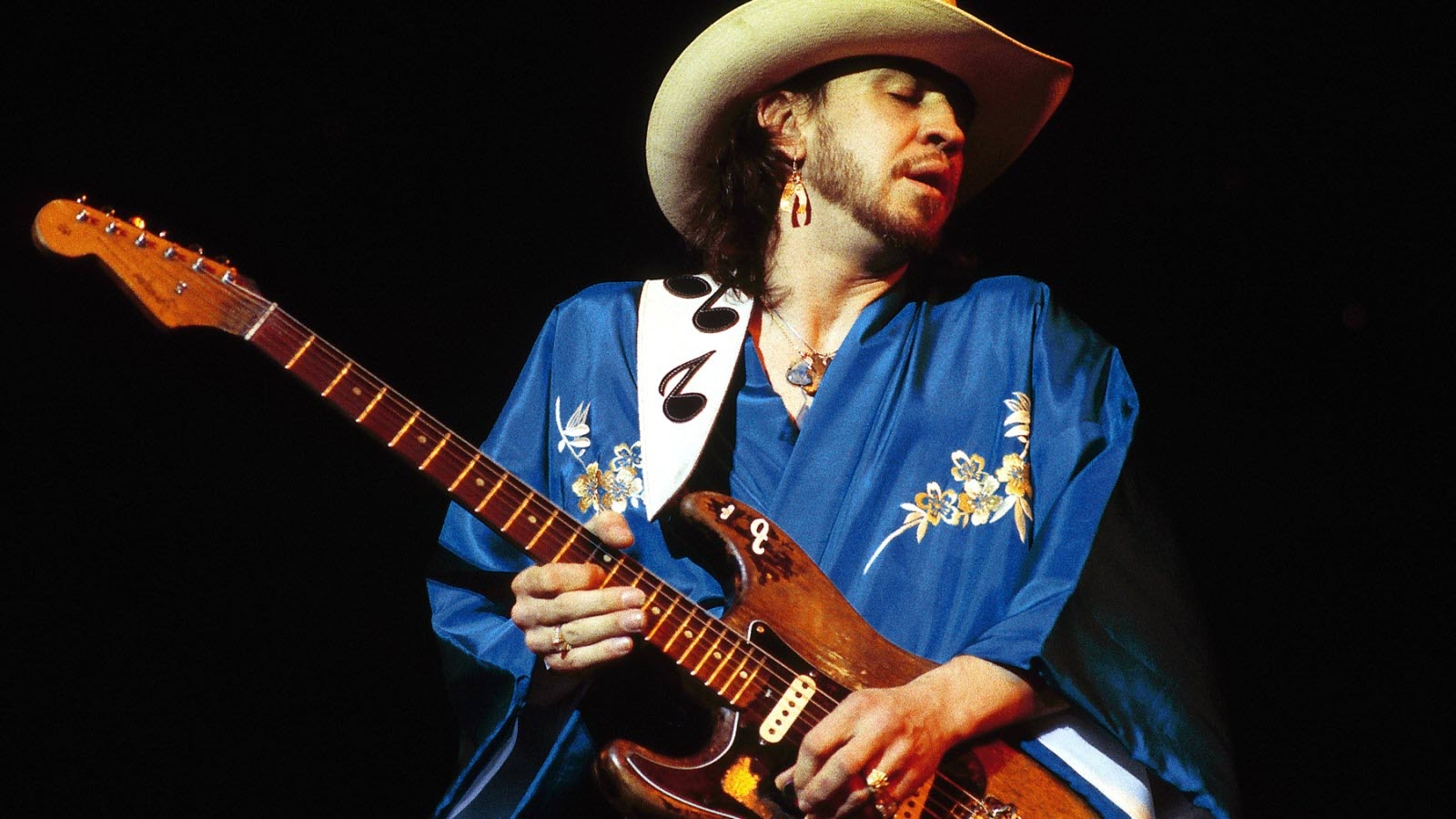
Stevie Ray Vaughan, the Texas-born guitar legend, left an indelible mark on the world of blues and rock with his fiery licks, soulful melodies, and unparalleled stage presence. Revered as one of the greatest guitarists of all time, Vaughan’s music transcended genres, blending raw blues traditions with rock energy and jazz sophistication. From his jaw-dropping solos to his heartfelt lyrics, every note he played carried an emotional intensity that resonated deeply with fans across the globe.
In this article, we take a journey through the top 10 most popular Stevie Ray Vaughan songs of all time—a celebration of the timeless tracks that cemented his status as a musical icon. Whether you’re a lifelong fan or a newcomer eager to dive into his legendary catalog, these songs showcase the very best of Vaughan’s artistry, from blistering guitar-driven anthems to deeply moving ballads. Each track is a testament to his technical mastery, innovative spirit, and deep connection to the blues.
So grab your air guitar, turn up the volume, and get ready to immerse yourself in the electrifying world of Stevie Ray Vaughan. These are the songs that defined a legacy, inspired countless musicians, and continue to captivate listeners to this day.
1. Pride and Joy (1983)
https://www.youtube.com/watch?v=DPS4dyk6v7Q&pp=ygUgUHJpZGUgYW5kIEpveSAoMTk4MykpIHN0ZXZpZSByYXk%3DFew songs in the blues-rock canon are as instantly recognizable as “Pride and Joy.” Released in 1983 as part of Stevie Ray Vaughan’s debut album Texas Flood, this track is a pure celebration of love wrapped in Texas blues firepower.
From the opening guitar licks, Vaughan makes it clear that this isn’t just another blues tune—it’s a statement. The song’s infectious shuffle rhythm, paired with Vaughan’s crisp Stratocaster tone, gives it an irresistible groove. His vocals, rough yet soulful, add to the song’s charm, as he sings about his devotion to his then-girlfriend. Unlike many blues songs that focus on heartbreak, “Pride and Joy” radiates joy and affection, making it a refreshing standout in Vaughan’s discography.
Instrumentally, the track is a masterclass in Vaughan’s signature style. His stinging lead guitar work is both precise and explosive, with quick fills and dynamic solos that never overshadow the song’s natural flow. The rhythm section, anchored by bassist Tommy Shannon and drummer Chris Layton, keeps the energy high, allowing Vaughan’s fiery playing to shine.
Decades after its release, “Pride and Joy” remains a cornerstone of blues-rock, frequently covered and endlessly admired. It’s a song that perfectly encapsulates Stevie Ray Vaughan’s spirit—unapologetically passionate, technically brilliant, and deeply rooted in the blues.
2. Texas Flood (1983)
“Texas Flood” isn’t just a song—it’s an experience. Originally written by blues artist Larry Davis in 1958, Stevie Ray Vaughan took this classic and transformed it into an electrifying showcase of raw emotion and technical brilliance. Released in 1983 as the title track of his debut album, this song cemented Vaughan’s place as a modern blues master.
The track begins with a slow-burning guitar intro, setting the stage for a storm of sound. Vaughan’s vocals, dripping with heartache, tell the story of a man drowning in sorrow, using the Texas flood as a metaphor for overwhelming heartbreak. His impassioned delivery makes the pain feel real, pulling the listener deep into the song’s emotional core.
But what truly sets “Texas Flood” apart is Vaughan’s guitar work. His extended solos are nothing short of mesmerizing, filled with soaring bends, lightning-fast runs, and perfectly placed moments of silence. His ability to make each note sing and cry is unparalleled, showing his deep connection to the blues tradition while adding his own signature intensity.
More than just a song, “Texas Flood” is a defining moment in modern blues history. Vaughan’s version didn’t just pay tribute to the past—it reinvigorated the genre for a new generation.
3. Cold Shot (1984)
With its infectious groove and effortlessly cool delivery, “Cold Shot” became one of Stevie Ray Vaughan’s most popular tracks. Released in 1984 on Couldn’t Stand the Weather, this song offers a bluesy, mid-tempo shuffle with a dose of humor and swagger.
Lyrically, “Cold Shot” tells the story of a man lamenting his partner’s cold and distant behavior. Unlike many blues songs that dwell in sadness, this one embraces a playful, almost sarcastic tone. Vaughan delivers the lyrics with a laid-back confidence, making it feel less like a complaint and more like an amused observation.
Musically, the song thrives on its irresistible groove. The chugging rhythm, driven by crisp guitar licks and a steady bassline, makes it impossible not to tap your foot. Vaughan’s guitar tone is rich and full, with just the right amount of bite. His solos, though less frantic than in some of his other work, are smooth and expressive, proving that sometimes restraint is just as powerful as speed.
Decades later, “Cold Shot” remains a standout in Vaughan’s catalog. Its combination of blues authenticity and modern flair makes it a song that never gets old.
4. Little Wing (1991)
Stevie Ray Vaughan’s instrumental rendition of “Little Wing” is more than just a cover—it’s a heartfelt tribute to Jimi Hendrix, reimagined through the lens of a blues virtuoso. Released posthumously in 1991 on The Sky Is Crying, this track is a masterclass in expressive guitar playing.
Unlike Hendrix’s original, which features vocals, Vaughan’s version lets his guitar do all the talking. The absence of lyrics allows for a deeper emotional connection, as every bend, vibrato, and sustain tells a story. His playing is both delicate and powerful, capturing the dreamy, ethereal quality of the original while adding his own Texas blues fire.
The song builds gradually, starting with soft, weeping notes before swelling into soaring, impassioned phrases. Vaughan’s dynamic control is breathtaking—his ability to shift from whisper-like picking to full-throttle intensity showcases his extraordinary touch and feel.
“Little Wing” stands as a testament to Vaughan’s ability to channel pure emotion through his guitar. It’s not just a cover—it’s a conversation between two guitar legends, spoken in the language of music.
5. Crossfire (1989)
Released in 1989 as part of In Step, “Crossfire” is one of Stevie Ray Vaughan’s most powerful and hard-hitting tracks. Unlike his usual blues-heavy material, this song leans into a funkier, groove-driven blues-rock sound, showing his versatility as a musician.
The lyrics paint a picture of struggle and survival, with Vaughan singing about feeling trapped in life’s relentless chaos. Lines like “Livin’ in a ragin’ storm” reflect not only the broader struggles of everyday life but also Vaughan’s personal battle with addiction—something he had overcome by the time In Step was recorded. This makes the song’s energy feel even more triumphant, as it represents a man reclaiming his strength.
Musically, “Crossfire” is driven by a pulsating bassline that immediately hooks the listener. Vaughan’s guitar work is sharp and precise, blending funky rhythms with fiery solos. The song’s tight groove and infectious melody make it one of his most accessible hits, while still retaining the grit and authenticity that defined his sound.
With its urgent message and electrifying instrumentation, “Crossfire” stands as a defining moment in Vaughan’s career, proving that he could not only master the blues but also push its boundaries into exciting new territory.
6. The Sky Is Crying (1991)
Stevie Ray Vaughan’s rendition of “The Sky Is Crying” is one of the most soul-stirring performances in modern blues history. Originally recorded by Elmore James in 1959, Vaughan’s version, released posthumously in 1991, takes the song to new emotional heights.
Right from the first wailing notes of his slide guitar, Vaughan sets a deeply melancholic mood. His tone is rich and expressive, allowing each note to carry weight and meaning. There’s a rawness in his playing that makes it feel like he’s not just performing the blues—he’s living it.
Unlike Elmore James’ energetic take, Vaughan slows the song down, letting it breathe. His solos are hauntingly beautiful, with long, sustained notes that feel like cries of sorrow. The track becomes a masterclass in restraint, showing that sometimes, the spaces between the notes are just as important as the notes themselves.
Though Vaughan was taken from the world too soon, “The Sky Is Crying” remains a stunning testament to his ability to translate deep emotion into music. It’s a song that resonates just as powerfully today as it did when it was first recorded.
7. Voodoo Child (Slight Return) (1984)
Stevie Ray Vaughan’s cover of Jimi Hendrix’s “Voodoo Child (Slight Return)” is nothing short of electrifying. Featured on Couldn’t Stand the Weather (1984), Vaughan’s rendition doesn’t just pay homage to Hendrix—it reimagines the song with raw Texas blues intensity.
From the first growling notes, Vaughan’s guitar tone is thick and aggressive, instantly commanding attention. His playing is both precise and reckless, capturing the essence of Hendrix while injecting his own fiery style. Unlike the spaced-out psychedelic feel of the original, Vaughan’s version is heavier and more grounded, with a relentless groove that makes it feel urgent and powerful.
The song’s extended solos showcase Vaughan at his peak, effortlessly blending blues phrasing with jaw-dropping technical prowess. His use of bends, vibrato, and controlled feedback make it clear that he wasn’t just imitating Hendrix—he was speaking the same musical language in his own dialect.
“Voodoo Child (Slight Return)” is more than just a cover—it’s a full-force blues-rock explosion. Vaughan’s version stands as one of the greatest tributes ever recorded, proving that legends can honor legends while still making the music their own.
8. Love Struck Baby (1983)
“Love Struck Baby” is pure, unfiltered fun. As the opening track of Texas Flood (1983), this song sets the tone for Stevie Ray Vaughan’s explosive debut, blending blues, rockabilly, and high-energy swing into a joyous celebration of love.
Clocking in at just over two minutes, “Love Struck Baby” is a fast-paced, toe-tapping ride. Vaughan’s guitar playing is razor-sharp, laying down quick licks and snappy rhythms that keep the momentum rolling. His vocals are playful and charismatic, delivering lyrics about being head-over-heels in love with a lighthearted charm that contrasts with his more emotionally intense material.
One of the song’s standout elements is its rockabilly influence, which showcases Vaughan’s deep appreciation for early rock and roll. The jumpy, almost danceable rhythm makes it feel like something straight out of a 1950s jukebox, proving that Vaughan wasn’t just a blues guitarist—he was a true student of American music history.
While not as heavy or dramatic as some of his other hits, “Love Struck Baby” remains a fan favorite because of its infectious energy. It’s a reminder that Vaughan’s talent wasn’t just about technical mastery—it was about making music that made people feel good.
9. Life Without You (1985)
“Life Without You” is one of Stevie Ray Vaughan’s most heartfelt and introspective songs. Released in 1985 on Soul to Soul, this track goes beyond blues fireworks and dives deep into raw emotion, making it one of the most powerful pieces in his catalog.
Written in memory of a close friend who had passed away, the song serves as both a tribute and a reflection on life’s fragility. Vaughan’s lyrics, though simple, are deeply moving: “It’s hard to live without love, isn’t it?” His delivery is tender and sincere, showing a level of vulnerability that sets this song apart.
Instrumentally, “Life Without You” is a slow-burning masterpiece. Vaughan’s solos are some of his most expressive, packed with bends and sustained notes that seem to weep. The song’s progression builds gradually, moving from gentle reflection to full-on emotional release, mirroring the ups and downs of grief itself.
In later years, Vaughan often used “Life Without You” as a platform to deliver heartfelt messages about love and kindness during live performances. It remains one of his most touching compositions, showing that his music wasn’t just about skill—it was about soul.
10. Rude Mood (1983)
If there was ever a song designed to leave jaws on the floor, “Rude Mood” is it. Released in 1983 on Texas Flood, this instrumental track is a furious, high-speed showcase of Stevie Ray Vaughan’s mind-blowing technique and unmatched energy.
From the very first note, “Rude Mood” launches into an unstoppable gallop. Vaughan’s picking is ridiculously fast yet effortlessly clean, making this one of the most technically demanding songs in his catalog. Inspired by the rapid-fire blues of Lightnin’ Hopkins, the track is pure adrenaline—no lyrics, no breaks, just relentless six-string fireworks.
Despite its complexity, “Rude Mood” never feels like Vaughan is showing off. Every note serves a purpose, creating a whirlwind of sound that’s as exhilarating as it is impressive. The rhythm section holds everything together, but it’s Vaughan’s sheer intensity that makes the song a standout.
For aspiring guitarists, “Rude Mood” is both a challenge and a benchmark. For fans, it’s a thrilling example of Vaughan’s raw talent. More than just a song, it’s proof that the blues can be played at breakneck speed without losing an ounce of feeling.

Edward Tomlin is a frequent contributor to Singers Room. Since 2005, Singersroom has been the voice of R&B around the world. Connect with us via social media below.









