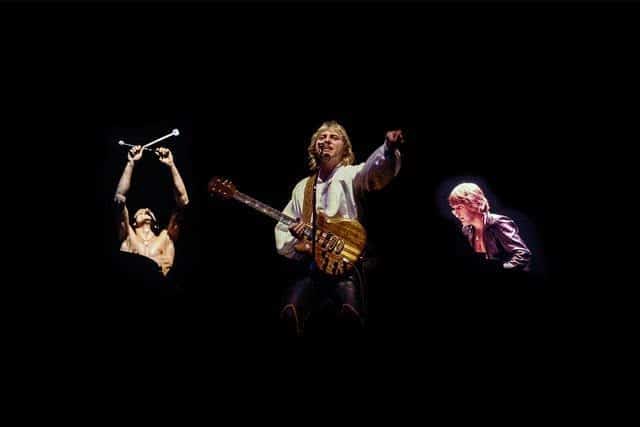
Emerson, Lake & Palmer (ELP) are a band that redefined the boundaries of progressive rock with their intricate compositions, virtuoso musicianship, and larger-than-life performances. Formed in 1970, this iconic trio—keyboard wizard Keith Emerson, bass and vocal genius Greg Lake, and powerhouse drummer Carl Palmer—crafted a sound that was both daringly experimental and irresistibly accessible. They fused elements of classical music, jazz, and rock into a groundbreaking style that earned them legions of devoted fans and a permanent place in rock history.
ELP’s music isn’t just a listening experience; it’s a journey through expansive soundscapes, dramatic dynamics, and unparalleled technical mastery. From epic suites that showcase their classical influences to fiery, riff-driven rock anthems, their discography is a treasure trove of timeless masterpieces. But which songs truly stand out in their legendary catalog? Which tracks have captured the hearts of fans and defined the essence of this progressive rock powerhouse?
In this article, we’ll count down the top 10 most popular Emerson, Lake & Palmer songs of all time. Whether you’re a long-time fan or new to their music, this list is sure to remind you why ELP remains one of the most innovative and exciting bands in rock history. Let’s dive in!
1. Lucky Man (1970)
One of the most beloved songs in Emerson, Lake & Palmer’s catalog, Lucky Man is a haunting ballad that showcases the softer, more introspective side of the band. Written by Greg Lake when he was still a teenager, the song tells the story of a man who seemingly has it all—wealth, love, and power—only to meet a tragic and ironic end. This timeless track was released on the band’s self-titled debut album in 1970, standing in stark contrast to their more complex, progressive compositions.
At its core, Lucky Man is built around Lake’s delicate acoustic guitar work and emotive vocals, creating a melancholic yet beautiful atmosphere. The lyrics paint a vivid picture of fate’s cruel hand, resonating with listeners through their simplicity and poignancy. While the song itself is relatively straightforward, it takes a legendary turn in its final moments with Keith Emerson’s groundbreaking Moog synthesizer solo. The swirling, futuristic sound of the solo—improvised in a single take—was revolutionary at the time and remains one of the defining moments in progressive rock history.
Despite being a last-minute addition to the album, Lucky Man became one of ELP’s most enduring tracks, proving that even in a band known for musical complexity, sometimes the simplest melodies carry the deepest emotions.
2. Karn Evil 9 (1973)
If there is one song that encapsulates the grandeur and ambition of Emerson, Lake & Palmer, it is Karn Evil 9. A sprawling, 30-minute epic from their 1973 album Brain Salad Surgery, this progressive rock masterpiece is divided into three “impressions,” each exploring different aspects of a dystopian future where technology, entertainment, and human nature collide. The song is one of ELP’s most complex and theatrical compositions, blending intricate instrumentation with thought-provoking lyrics.
The first impression introduces the famous opening line, “Welcome back, my friends, to the show that never ends,” which has since become synonymous with ELP’s live performances. From there, the song unfolds into a dazzling display of virtuosity, with Keith Emerson’s lightning-fast keyboard runs, Carl Palmer’s dynamic drumming, and Greg Lake’s commanding vocals working in perfect unison. The second and third impressions take the song into darker, more experimental territory, with shifting time signatures and dramatic instrumental battles symbolizing a struggle between man and machine.
Karn Evil 9 is a testament to ELP’s fearless creativity and musical prowess. It remains one of the most ambitious compositions in rock history, a thrilling rollercoaster of sound that continues to captivate audiences decades after its release.
3. From the Beginning (1972)
A shining example of Greg Lake’s songwriting brilliance, From the Beginning is one of Emerson, Lake & Palmer’s most intimate and beautifully crafted songs. Released on their 1972 album Trilogy, the song showcases Lake’s exceptional acoustic guitar work and rich, velvety vocals, creating an atmosphere of deep introspection and quiet beauty. Unlike many of the band’s grandiose compositions, From the Beginning is a stripped-down ballad that relies on melody and emotion rather than complexity.
The lyrics of the song capture themes of love, regret, and self-reflection, making it one of ELP’s most personal tracks. Lake’s voice carries an undeniable sincerity, drawing the listener into a space of nostalgia and longing. While the song remains largely acoustic, Keith Emerson adds a subtle but mesmerizing Moog synthesizer solo in the latter half, elevating the track with a dreamy, ethereal quality.
Over the years, From the Beginning has remained one of ELP’s most beloved songs, often praised for its timeless beauty and emotional resonance. It serves as a reminder that even in a band known for technical brilliance, sometimes the simplest compositions leave the deepest impact.
4. Tarkus (1971)
More than just a song, Tarkus is a full-fledged progressive rock odyssey. The 20-minute title track from their 1971 album, Tarkus is a conceptual suite that tells an allegorical tale of war, evolution, and survival through a series of distinct musical movements. It is considered one of ELP’s greatest achievements and a defining moment in progressive rock history.
The song begins with a dramatic, high-energy instrumental introduction, led by Keith Emerson’s aggressive, cascading keyboard riffs that immediately set the tone for the journey ahead. As the music unfolds, Greg Lake’s vocals enter, narrating the story of the titular creature—Tarkus, a mechanical armadillo-tank hybrid—who battles various enemies in a surreal, symbolic war. Carl Palmer’s drumming is especially powerful throughout, driving the track with relentless energy and precision.
The suite transitions through multiple sections, shifting from bombastic instrumental passages to haunting vocal-driven moments, showcasing ELP’s ability to blend storytelling with musical virtuosity. By the time the piece reaches its climactic resolution, Tarkus has taken the listener on an unforgettable, cinematic ride through sound and imagination.
Despite its length and complexity, Tarkus remains a fan favorite, a testament to ELP’s boundary-pushing artistry and their ability to craft epic musical narratives unlike anything else in rock.
5. Fanfare for the Common Man (1977)
Emerson, Lake & Palmer’s adaptation of Fanfare for the Common Man is one of the most iconic examples of classical music merging seamlessly with rock. Originally composed by Aaron Copland in 1942, the piece was reimagined by ELP for their 1977 album Works Volume 1, transforming it into a powerful, electrifying anthem.
Keith Emerson’s towering synthesizer lines replace the traditional brass fanfare, giving the piece a grand, almost otherworldly quality. Carl Palmer’s thunderous drumbeats and Greg Lake’s steady, grounding bass create an expansive, cinematic soundscape. Unlike their more intricate progressive compositions, Fanfare for the Common Man thrives on its simplicity and power, with a strong, anthemic structure that makes it instantly recognizable.
The song gained widespread popularity beyond progressive rock audiences, finding its way into sports arenas, television broadcasts, and cultural events. Its larger-than-life energy and majestic atmosphere make it one of ELP’s most celebrated pieces. The band’s ability to take a revered classical composition and infuse it with rock intensity without losing its original spirit is a testament to their musicianship and bold artistic vision. Even decades later, Fanfare for the Common Man remains a triumphant celebration of music’s ability to inspire and unite.
6. Trilogy (1972)
The title track from ELP’s 1972 album Trilogy is a stunning example of the band’s ability to blend delicate beauty with explosive musical power. The song starts with a soft, introspective piano introduction by Keith Emerson, accompanied by Greg Lake’s soothing vocals. This tender opening lulls the listener into a dreamlike state before the song takes a dramatic turn.
As the composition progresses, the quiet elegance gives way to a thrilling surge of energy. Emerson’s keyboards burst into dazzling, virtuosic runs, and Carl Palmer’s drumming propels the track forward with intensity and precision. The dynamic shifts in Trilogy are what make it so remarkable—the song is a journey, evolving from vulnerability to full-blown symphonic rock.
Lyrically, Trilogy explores themes of love and emotional struggle, adding a human touch to the technical brilliance on display. The combination of melody, musicianship, and storytelling makes this one of ELP’s most evocative works. It’s a prime example of the band’s ability to turn a song into an emotional experience, proving that progressive rock isn’t just about complexity—it’s about depth and feeling.
7. Still… You Turn Me On (1973)
Among the grand, bombastic tracks on Brain Salad Surgery (1973), Still… You Turn Me On stands out as a rare moment of vulnerability and intimacy. This romantic ballad, written and sung by Greg Lake, highlights the softer side of Emerson, Lake & Palmer, showcasing Lake’s signature warmth and melodic sensibility.
The song features a beautifully arranged acoustic guitar melody that immediately sets a reflective and dreamy mood. Lake’s voice, rich and expressive, carries lyrics that speak of love, devotion, and longing. Unlike many of ELP’s compositions, which feature intricate instrumental battles, this song keeps things relatively simple—though Emerson still adds subtle yet striking touches with his keyboard flourishes.
There’s a bittersweet quality to Still… You Turn Me On that makes it resonate deeply with listeners. It’s one of those songs that lingers in the mind long after it ends, proving that ELP could deliver just as much impact through melody and emotion as they could through technical complexity. Over the years, it has remained a fan favorite, demonstrating the band’s versatility and Lake’s gift for crafting timeless ballads.
8. The Endless Enigma (1972)
One of the most dramatic and ambitious pieces on Trilogy (1972), The Endless Enigma is a multi-part composition that weaves together mystery, intensity, and breathtaking musicianship. The song is split into different sections, beginning with an eerie, suspenseful introduction that builds tension before launching into full-scale progressive rock brilliance.
Keith Emerson’s keyboards take center stage here, leading the charge with bold, sweeping melodies and intricate counterpoint. Greg Lake’s vocals add a haunting, philosophical edge to the song’s cryptic lyrics, which seem to explore themes of existential doubt and the search for meaning. Carl Palmer’s drumming is dynamic and unpredictable, shifting effortlessly between delicate precision and powerful bursts of energy.
What makes The Endless Enigma so compelling is the way it evolves—each section flows into the next with an almost cinematic quality, keeping the listener engaged throughout. The interplay between instruments is masterful, with each band member pushing the limits of their craft while maintaining a cohesive, emotionally charged sound. It’s a track that embodies the grandeur and complexity that made ELP one of the most innovative bands in progressive rock.
9. Knife-Edge (1970)
From the moment its ominous opening chords strike, Knife-Edge makes it clear that Emerson, Lake & Palmer were not just another rock band—they were something entirely different. Featured on their 1970 debut album, this track is one of their heaviest and most intense, drawing influence from classical compositions while maintaining a raw, aggressive rock energy.
Inspired by a theme from the Czech composer Leoš Janáček, Knife-Edge blends classical sophistication with the power of progressive rock. Keith Emerson’s organ work is dark and brooding, providing a sense of unease that runs throughout the song. Greg Lake’s vocals are commanding and dramatic, delivering lyrics that evoke images of struggle and chaos. Carl Palmer’s drumming is thunderous, adding to the track’s relentless momentum.
The song’s instrumental break features dazzling keyboard flourishes and rapid shifts in tempo, keeping the listener on edge—true to its name. The way Knife-Edge fuses classical music with rock aggression was groundbreaking at the time and remains one of the most striking examples of ELP’s genre-defying brilliance. It’s a track that captures the spirit of the band at their boldest and most unrestrained.
10. Jerusalem (1973)
ELP’s adaptation of Jerusalem is one of the most striking and ambitious reworkings of a traditional hymn in rock history. Based on the famous British hymn with lyrics by William Blake and music by Hubert Parry, the band’s 1973 version transforms it into a powerful, symphonic rock anthem.
Keith Emerson’s grandiose organ work immediately gives the song a cathedral-like atmosphere, while Greg Lake’s stirring vocals add a sense of urgency and reverence. Carl Palmer’s precise, military-style drumming enhances the song’s regal and triumphant feel. The band’s arrangement stays faithful to the original melody but adds layers of complexity and intensity that elevate it to a new level.
Upon its release on Brain Salad Surgery, Jerusalem stirred controversy, with the BBC initially refusing to play it due to its bold reinterpretation of a sacred piece. However, over time, it has become a cherished staple of ELP’s catalog, embraced for its powerful execution and passionate delivery. The song stands as a testament to the band’s ability to push musical boundaries while respecting the essence of the original composition. It remains one of their most unique and enduring recordings.

Edward Tomlin is a frequent contributor to Singers Room. Since 2005, Singersroom has been the voice of R&B around the world. Connect with us via social media below.









